
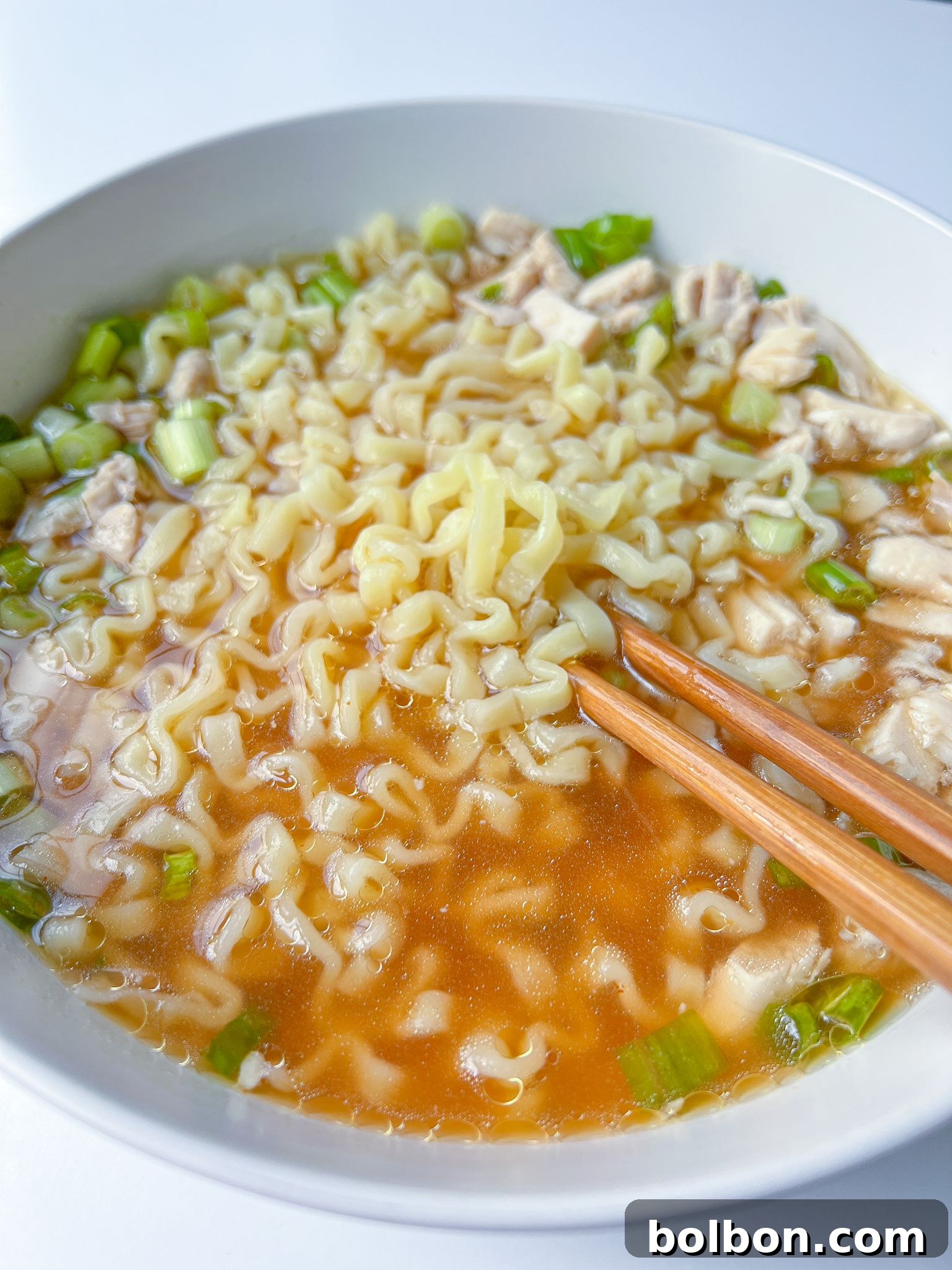
Indulge in the ultimate comfort food with this delightful Ramen Noodle Soup, a culinary hug perfect for crisp autumn evenings, brisk winter days, or when you need a soothing pick-me-up. This wholesome bowl of goodness transcends mere sustenance, offering a rich tapestry of flavors that are both incredibly delicious and remarkably easy to prepare. Featuring a savory chicken broth, tender succulent chicken, a vibrant medley of garden-fresh vegetables, and those irresistible silky ramen noodles, this recipe stands as the quintessential remedy for warming your soul during the cooler months. Say goodbye to complicated cooking; this homemade ramen promises a deeply satisfying experience without the fuss, making it an ideal choice for any busy home cook seeking comfort and flavor.
Why You’ll Absolutely Adore This Homemade Ramen Noodle Soup
In a world of demanding schedules and endless to-do lists, finding time for a genuinely satisfying, home-cooked meal can feel like a luxury. That’s precisely why this ramen noodle soup recipe will become a beloved staple in your kitchen. It’s a true **lifesaver for busy days**, delivering profound flavor and nourishment without requiring hours of culinary commitment. Imagine coming home on a chilly evening and knowing that a warm, inviting bowl of authentic ramen is just minutes away. This dish isn’t just a meal; it’s a warm embrace, a comforting hug in liquid form that chases away the cold and melts away the day’s stresses. Its appeal lies in its simplicity and the sheer joy it brings.
Beyond its quick preparation, this ramen recipe boasts several irresistible qualities. It’s incredibly adaptable, allowing you to tailor it to your exact preferences, dietary needs, or whatever ingredients you have on hand. It’s also surprisingly economical, transforming humble pantry staples into a gourmet experience. Furthermore, while it tastes fantastic fresh off the stove, it often develops even deeper, more complex flavors as leftovers, making it perfect for meal prepping. Each spoonful offers a harmonious blend of textures and tastes—from the tender chicken and crisp vegetables to the comforting noodles steeped in a rich, aromatic broth. This isn’t just another soup; it’s an experience, a journey into warmth and flavor that you’ll want to revisit again and again.
Crafting Your Perfect Bowl: A Step-by-Step Guide
Creating this flavorful chicken ramen is surprisingly straightforward, involving just a few key steps to build its incredible depth. The magic begins with a robust broth, infused with classic aromatics and tender chicken, then finished with perfectly cooked noodles and your favorite toppings. This recipe prioritizes ease without compromising on the rich, complex flavors you expect from a comforting bowl of ramen.
First, you’ll **simmer your choice of chicken** (whether tender boneless, skinless chicken thighs or lean breast meat) alongside aromatic vegetables such as carrots, onions, and celery. These ingredients slowly release their flavors into a savory broth, creating a deeply aromatic and nourishing base. The simmering process allows the chicken to become incredibly tender and infuse the broth with its essence, resulting in a soup that’s packed with wholesome goodness. Once the broth is perfectly seasoned and the chicken is cooked through, you’ll then **add separately boiled ramen noodles**, ensuring they maintain their ideal texture without becoming starchy or overcooked in the broth. This meticulous approach guarantees a restaurant-quality experience right in your own kitchen, delivering a meal that’s ready to enjoy in remarkably little time.
For those who appreciate a vibrant kick, a simple drizzle of sriracha can elevate the dish, introducing a delightful hint of **spice** that complements the richness of the broth. Feel free to adjust the amount to suit your palate, from a subtle warmth to a fiery zest. Once you’ve had the pleasure of trying this heartwarming ramen, we encourage you to share your experience! Leave a comment or review on the blog; your feedback helps others discover the joy and comfort this recipe brings, and we love hearing how it warms your heart as much as it does ours.
Nonna’s Essential Tip
For the best results, always ensure you cook your ramen noodles according to the package directions. Proper cooking is key to achieving that perfect chewy texture. Also, remember to rinse them if the package suggests, as this helps remove excess starch, preventing your soup from becoming cloudy and ensuring each strand is distinct and delicious!
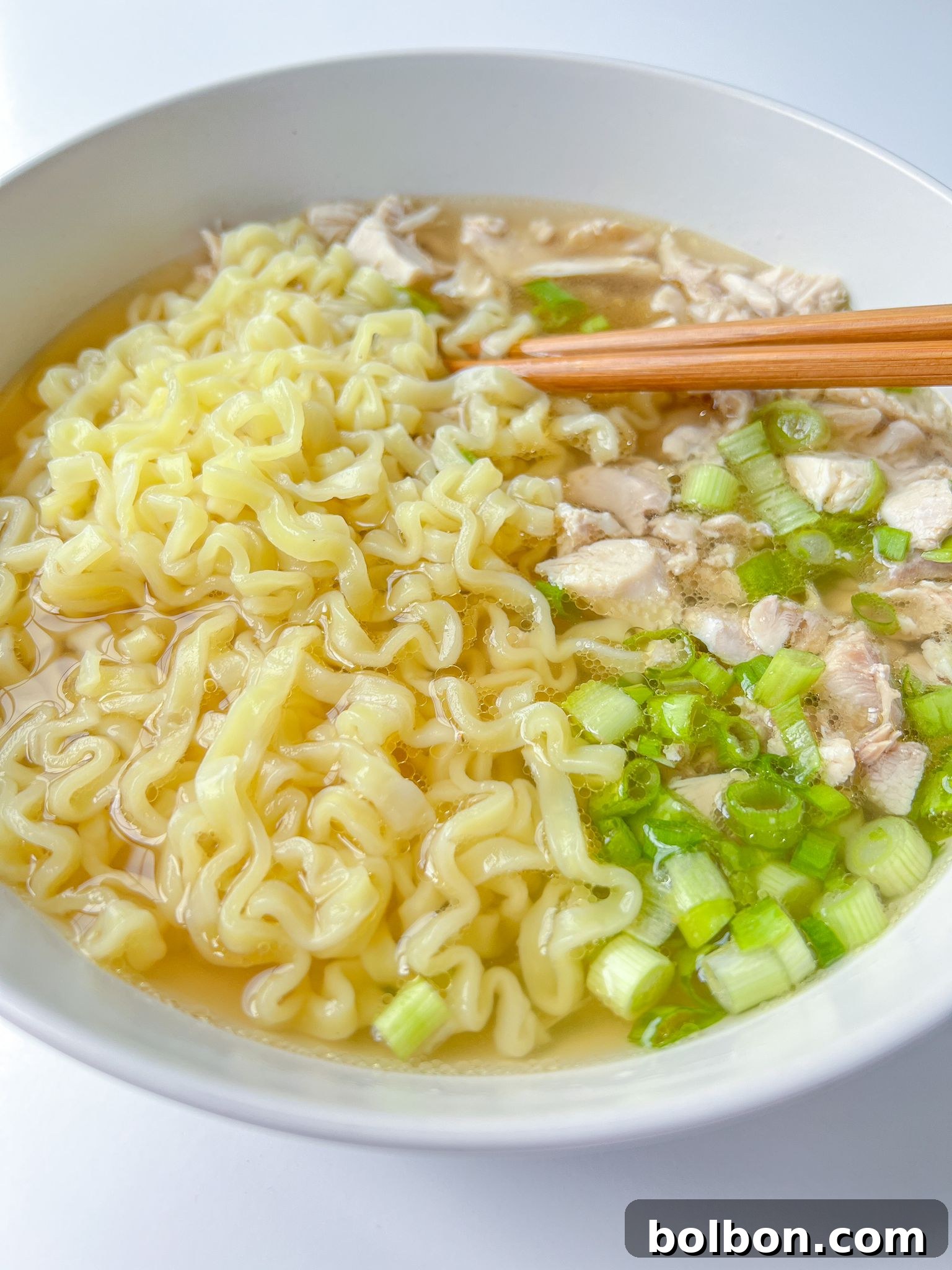
Elevate Your Ramen: Creative Variations and Substitutions
Are you ready to transform a simple ramen meal into an extraordinary culinary adventure? This versatile recipe is your canvas, and I’m here to guide you through a world of exciting flavor possibilities. You can easily adapt this beloved comfort food to suit your unique tastes, dietary preferences, or even the ingredients you happen to have on hand. Let’s explore some inspired variations and smart substitutions to put your personal, unforgettable spin on this classic dish, ensuring every bowl is perfectly tailored to you.
- Gluten-Free Choices: If you’re following a gluten-free diet, fret not! You can effortlessly swap traditional wheat-based ramen noodles for excellent gluten-free Japanese ramen noodles made from rice or millet. Alternatively, rice stick noodles, similar to those used in Vietnamese pho, offer a fantastic texture and absorb the broth beautifully. These alternatives ensure everyone can enjoy a hearty bowl of this delicious soup without compromise.
- Plant-Based Perfection: For a delightful vegan or vegetarian option, simply replace the chicken with your preferred plant-based protein. Tempeh, seitan, or firm tofu (marinated and pan-fried for extra flavor) are excellent choices that add substance and absorb the rich broth wonderfully. You can also bulk up the soup with an array of extra vegetables like mushrooms, spinach, bok choy, or corn for added nutrients and texture.
- Broth Versatility: The foundation of any great ramen is its broth, and this recipe is incredibly forgiving. Any kind of unsalted broth or stock will work beautifully, allowing you to customize the flavor profile. While chicken broth provides a classic taste, feel free to experiment with rich vegetable broth for a lighter touch, robust beef broth for a deeper umami, or even mushroom broth for an earthy complexity. Remember to adjust seasoning to taste, especially if using a salted broth.
- Boost Your Bowl with Toppings: Elevate your ramen with an array of delicious toppings. Consider adding a perfectly soft-boiled egg with a jammy yolk for an extra boost of protein and creamy richness. Fresh bean sprouts introduce a delightful crunch and freshness, while thinly sliced green onions, nori (seaweed) strips, or a sprinkle of sesame seeds can add layers of flavor and visual appeal.
- Spice It Up (or Down!): If sriracha isn’t your preferred heat, explore other options. Italian chili oil offers a fragrant, nuanced spice, while Chinese chili oil brings a bolder, often numbing heat. For those who prefer a milder experience, simply omit the spicy elements entirely. You can also try a dash of white pepper or a sprinkle of red pepper flakes for a different kind of warmth.
Perfect Pairings: What to Serve with Your Ramen Noodle Soup
While this Ramen noodle soup is a wonderfully complete and satisfying meal all on its own, it also pairs beautifully with a variety of side dishes that can elevate your dining experience, adding extra textures, flavors, and nutrients. Consider these delicious accompaniments to complement your hearty bowl of ramen:
- A side of crispy and flavorful Asian Style Green Beans provides a refreshing, crunchy counterpoint to the rich broth and soft noodles. Their vibrant color and savory seasoning make them an excellent addition.
- For an impressive starter or a delightful side, light and fresh Shrimp Spring Rolls offer a textural contrast and a burst of fresh flavors that perfectly complement the warmth of the ramen. Don’t forget a flavorful peanut dipping sauce!
- I personally love to crown my ramen with a perfectly cooked egg. A soft-boiled egg with a runny yolk adds creamy richness and an extra layer of protein. If you’re looking to master the art of egg preparation, check out my helpful tips for Boiling and Peeling Eggs Perfectly to achieve that ideal consistency every time.
- Steamed edamame, lightly salted, makes for a simple yet satisfying appetizer, offering healthy protein and a slightly sweet, nutty flavor.
- A small portion of kimchi can add a fantastic fermented kick and gut-healthy probiotics, providing a zesty contrast to the savory soup.
Your Ramen Questions Answered: Frequently Asked Questions
Absolutely! This recipe is incredibly versatile when it comes to chicken. You can use boneless, skinless chicken thighs for extra flavor and tenderness, or opt for leaner boneless, skinless chicken breasts. If you prefer, bone-in, skin-on thighs or breasts also work beautifully; just remember to remove and discard the skin and bones once the chicken is fully cooked for easier consumption.
Not at all! While traditional ramen noodles offer a distinct texture, you can certainly substitute them with any pasta, pastina, or noodle of your choice. Egg noodles, vermicelli, udon, or even thin spaghetti can work as excellent alternatives, allowing you to customize the dish to your preference or what you have available in your pantry.
No, Hoisin sauce is not mandatory. It adds a lovely sweet and tangy depth to the broth, but you can definitely leave it out if you don’t have it or prefer a simpler flavor profile. The soup will still be incredibly delicious and flavorful without it. If you want a similar umami kick, a dash of soy sauce or a tiny bit of brown sugar could be considered, but it’s entirely optional.
If Sriracha isn’t available, don’t worry! You can use any hot sauce you prefer, such as gochujang, sambal oelek, or even a dash of cayenne pepper for a similar fiery kick. Chili oil, whether Chinese or Italian, is also an excellent substitute, offering a rich flavor along with the heat. For those who prefer a milder dish, you can simply omit any spicy elements altogether.
Yes, absolutely! Creating a vegetable-focused ramen is a wonderful option. To do so, you would omit the chicken and use an unsalted vegetable broth as your base. Then, simply add your favorite medley of vegetables, such as mushrooms, bok choy, spinach, corn, bell peppers, or broccoli florets. Let the broth simmer with the veggies for about 30 to 45 minutes, or until they are tender and the flavors have melded. Serve this rich vegetable broth over your cooked ramen noodles, seasoning to taste.
Indeed, broth choice offers great flexibility. While I might suggest unsalted beef broth in a specific context, you can truly use chicken, vegetable, or any broth you prefer. The key is to use an unsalted or low-sodium version so you can control the seasoning yourself. For an exceptional broth, I highly recommend the quality options from Kettle & Fire, and you can even use my exclusive discount code THEMODERNNONNA for 20% off your purchase.
You have a couple of delicious options for the softened vegetables used to flavor the broth. You can blend them directly into the broth to create a thicker, more nutrient-dense soup with an intensified vegetable flavor. Alternatively, you can finely chop them and enjoy them as a flavorful side dish, or even add them back into your ramen bowl for extra texture and nutrients. They are packed with flavor and should not go to waste!
While you technically can, I highly recommend boiling the ramen noodles separately in their own pot of salted water. This is because ramen noodles can release a significant amount of starch into the cooking liquid. Boiling them separately prevents this starch from making your beautiful broth cloudy or altering its consistency. It ensures your broth remains clear and vibrant, and your noodles retain their perfect texture.
Quality ramen noodles are widely available. You can typically find them in any Asian supermarket, which often offers a wider selection, or in the international aisle of most larger grocery stores. Online retailers are also a great resource. For this specific recipe, I used two packs of Samyang Buldak Hot Chicken Flavor Ramen Noodles Carbonara, which I purchased at T&T Supermarket. Crucially, for this homemade ramen recipe, I boiled the noodles separately and **did not use the seasoning packet** that came with them, as we are creating our own rich and fresh broth.
Beyond traditional ramen, several other noodle varieties can create an equally delicious and satisfying soup. I particularly love Chow Mein noodles for their chewy texture and ability to absorb flavor. Rice stick noodles (often found in pho) are another fantastic option, offering a lighter, tender bite. Udon noodles provide a thicker, chewier experience, while soba noodles add a unique nutty flavor. Experimenting with different noodles can bring a fresh perspective to this versatile dish!
Ramen Noodle Soup
Facebook Share
Rate Recipe
Print Recipe
Equipment
- 1 Soup Pot
- Redmond Real Salt
- Nakiri Knife
Ingredients
Main Ingredients
Optional Toppings
Instructions
The Broth
- Fill a large pot with half water and half organic unsalted broth (aim for 10 cups of liquid total). Add the peeled onion, peeled carrots, celery, garlic, and bay leaf. Bring the mixture to a rolling boil over high heat.
- Once boiling, carefully add the chicken to the pot. Using a spoon, skim off any foam that rises to the surface. Season the broth generously with salt. Remember to taste and adjust the seasoning one final time at the very end of cooking to achieve perfect balance.
- After everything is boiling vigorously, reduce the heat to medium-low. Semi-cover the pot with a lid, allowing a small gap for steam to escape. Let the broth simmer gently for 45 minutes, or until all the vegetables are super soft, the chicken is thoroughly cooked and white throughout, and the broth has subtly reduced and intensified in flavor.
- Carefully remove the cooked chicken from the pot. Using two forks or a knife, shred or cube the chicken into bite-sized pieces. If you used bone-in or skin-on chicken, discard the bones and skin at this point.
- In a separate pot, bring a generous amount of water to a boil. Season the water with salt (just like you would for pasta). Add the ramen noodles and cook according to package directions until they are perfectly done and tender.
Assemble and Eat
- To assemble your delicious ramen, place a portion of the cooked scallions, shredded chicken, and perfectly cooked ramen noodles into a serving bowl. Ladle a generous amount of the hot, flavorful broth over the top.
- Optionally, stir in sriracha and hoisin sauce to taste for an added layer of spice and savory sweetness. Enjoy your comforting, homemade ramen noodle soup immediately!
Nutrition
Nutrition information is automatically calculated and should be used as an approximation.