
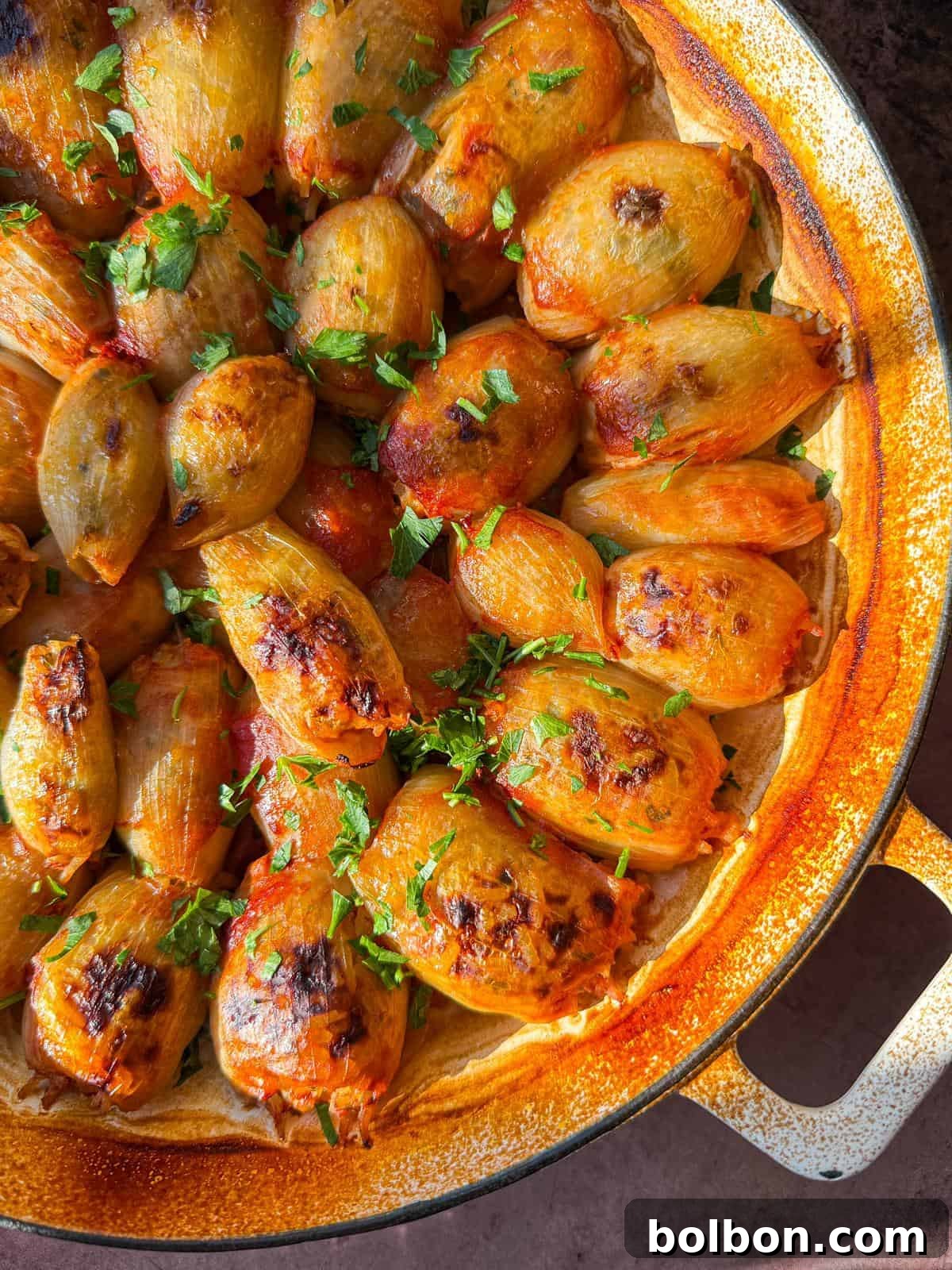
Melt-in-Your-Mouth Stuffed Onions: A Global Comfort Food Masterpiece
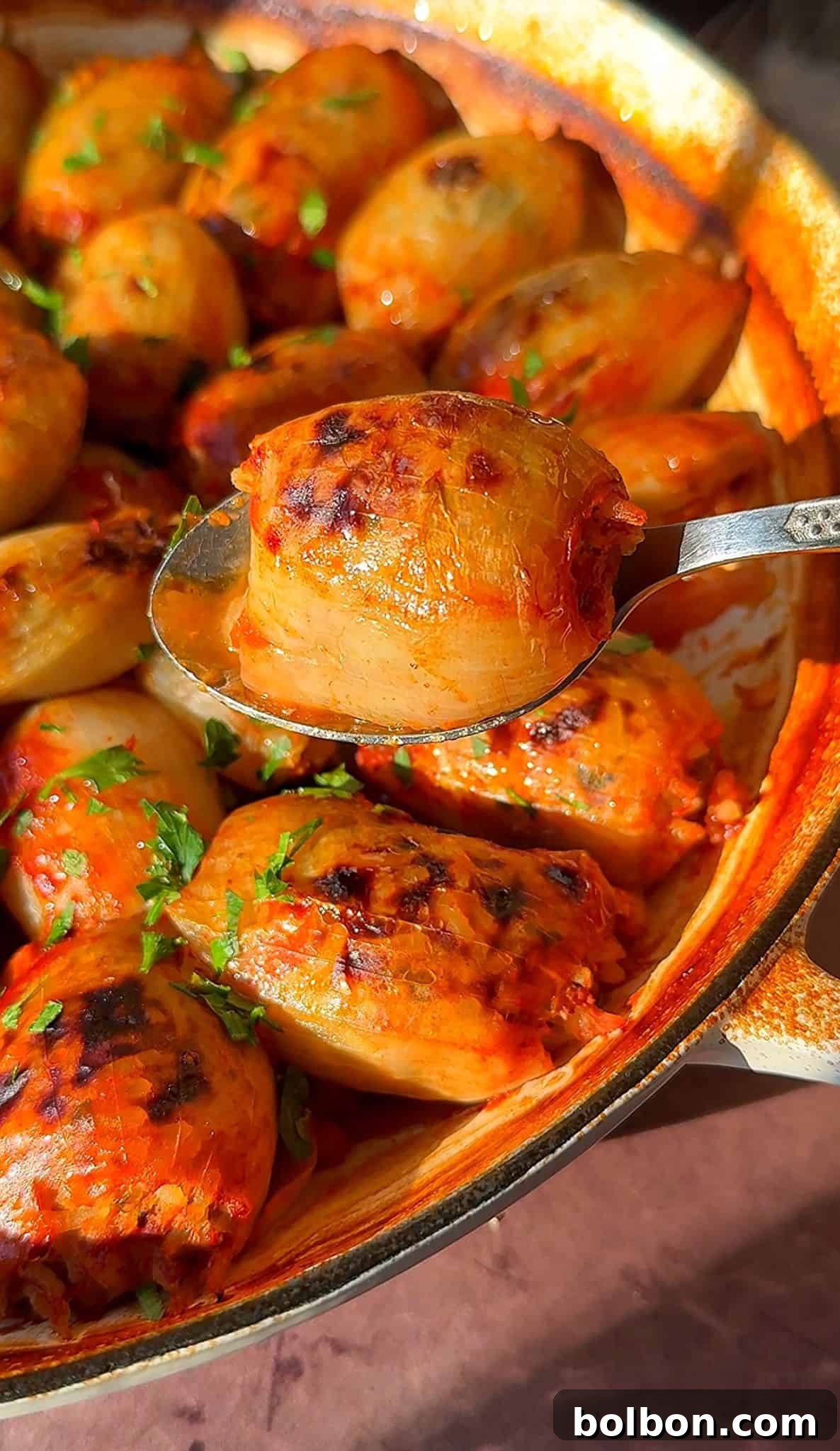
Forget the usual holiday wish list; this year, my heart yearns for something truly special: a platter of perfectly cooked, succulent stuffed onions. This recipe isn’t just food; it’s a labor of love, a culinary embrace that promises to nourish both body and soul. Drawing deep from the rich traditions of Balkan and Middle Eastern cuisines, these stuffed onions deliver the ultimate experience of homey, comforting flavors, reminiscent of beloved slow-roasted vegetable dishes. While Bulgarians are renowned for their stuffed peppers, the concept of a savory meat-and-rice filling tucked into tender vegetables spans continents. From the sun-drenched shores of Greece to the bustling markets of Turkey and the ancient lands of the Middle East, variations of this delightful dish abound. My particular inspiration for this recipe comes from the aromatic and deeply satisfying Iraqi dolmas. Imagine biting into an onion that simply melts away, revealing a rich, fragrant stuffing of seasoned ground meat and fluffy rice, all simmered gently in a tangy tomato sauce until each layer is caramelized to perfection and irresistibly soft.
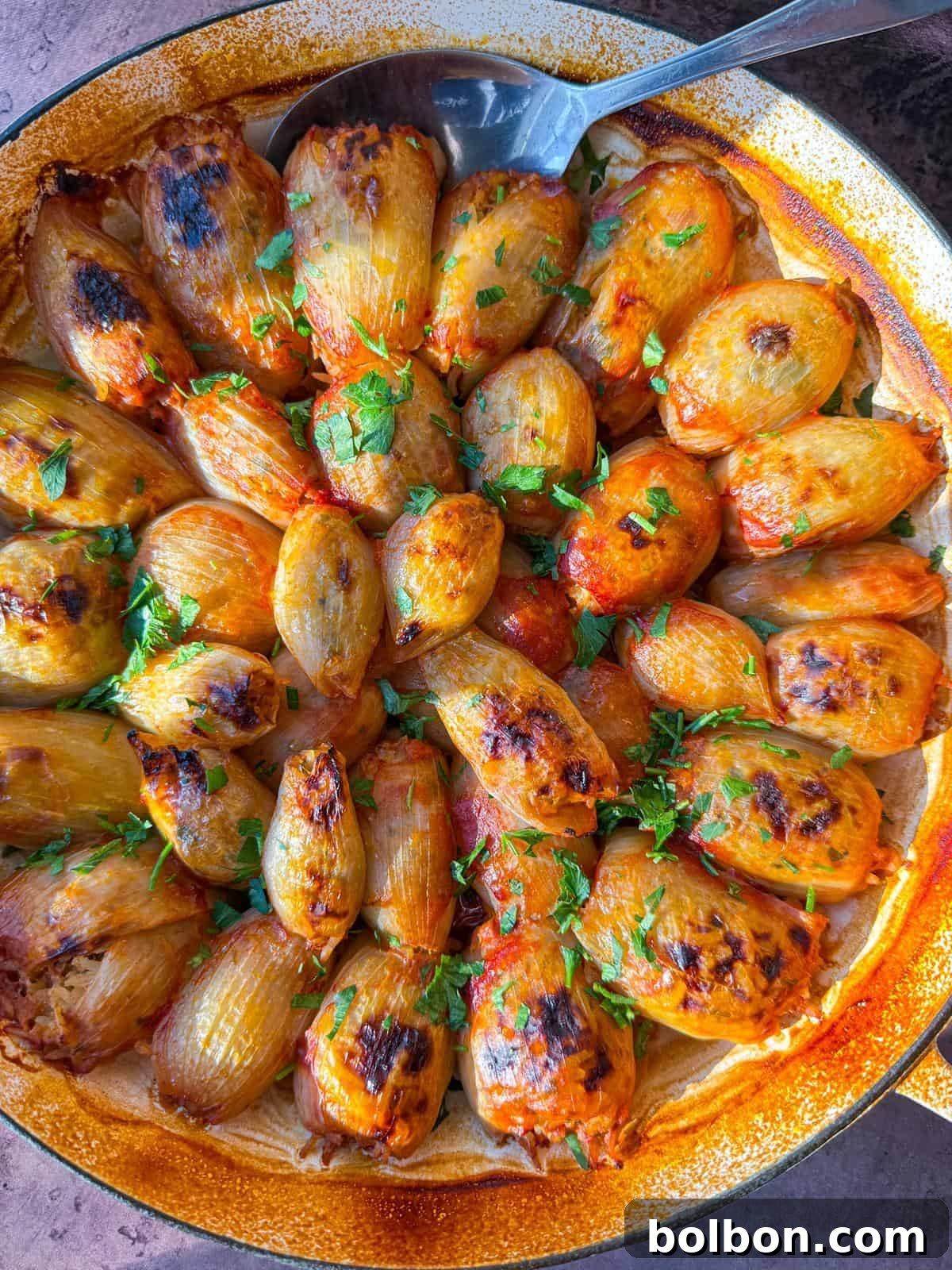
Why These Stuffed Onions Will Become Your New Favorite
There’s a reason why these homemade stuffed onions demand a bit of effort and patience—they’re truly a dish meant to be savored and shared, transforming any meal into a special occasion. When your guests take their first bite, don’t expect compliments immediately; they’ll be too busy reaching for second and third servings! This isn’t just a meal; it’s the very essence of home-style comfort food, a culinary hug that resonates with warmth and tradition. Each tender, par-boiled onion round acts as a perfect vessel for a hearty, flavorful stuffing, meticulously prepared with rice, succulent ground meat, and a blend of aromatic spices. These precious parcels are then nestled snugly in a shallow pan, bathed in a vibrant tomato sauce, and slow-roasted until they develop a beautiful, deep caramelization and an unparalleled tenderness. The preparation process itself can be a communal event; invite your loved ones to join in the stuffing and rolling, making it a truly interactive cooking experience. Alternatively, for stress-free entertaining, you can prepare the entire dish a day in advance and simply bake it just before your dinner party. This flexibility, combined with its profound flavor, makes it an ideal recipe for any gathering, promising an unforgettable dining experience.
A Culinary Journey: The Art of Stuffed Onions Across Cultures
The concept of stuffing vegetables with grains and meat is a culinary tradition revered across many cultures, embodying resourcefulness and a deep appreciation for hearty, nourishing meals. Stuffed onions, or “dolmas” (a term often used broadly for stuffed vegetables in the Middle East and Mediterranean), are a prime example of this global culinary phenomenon. In the Balkans, particularly in Bulgaria, stuffed peppers are a staple, reflecting a similar philosophy of wrapping robust fillings in tender vegetables. Move eastward to Turkey, and you’ll find numerous variations of “dolma” and “sarma,” often utilizing grape leaves, cabbage, or peppers, each with regional twists on the stuffing and sauce. Greece offers its own delightful “gemista” which includes stuffed tomatoes, peppers, and often onions, emphasizing fresh herbs and olive oil. My recipe draws significant inspiration from Iraqi dolmas, which are known for their distinctive tangy notes, often achieved through tamarind or lemon, and a rich, aromatic spice blend that elevates the humble onion into something truly extraordinary. This dish is a testament to how different cultures adapt a core idea, transforming simple ingredients into a dish that speaks volumes of their history and culinary identity.
Crafting Your Stuffed Onions: A Step-by-Step Guide
Preparing the Flavorful Stuffing
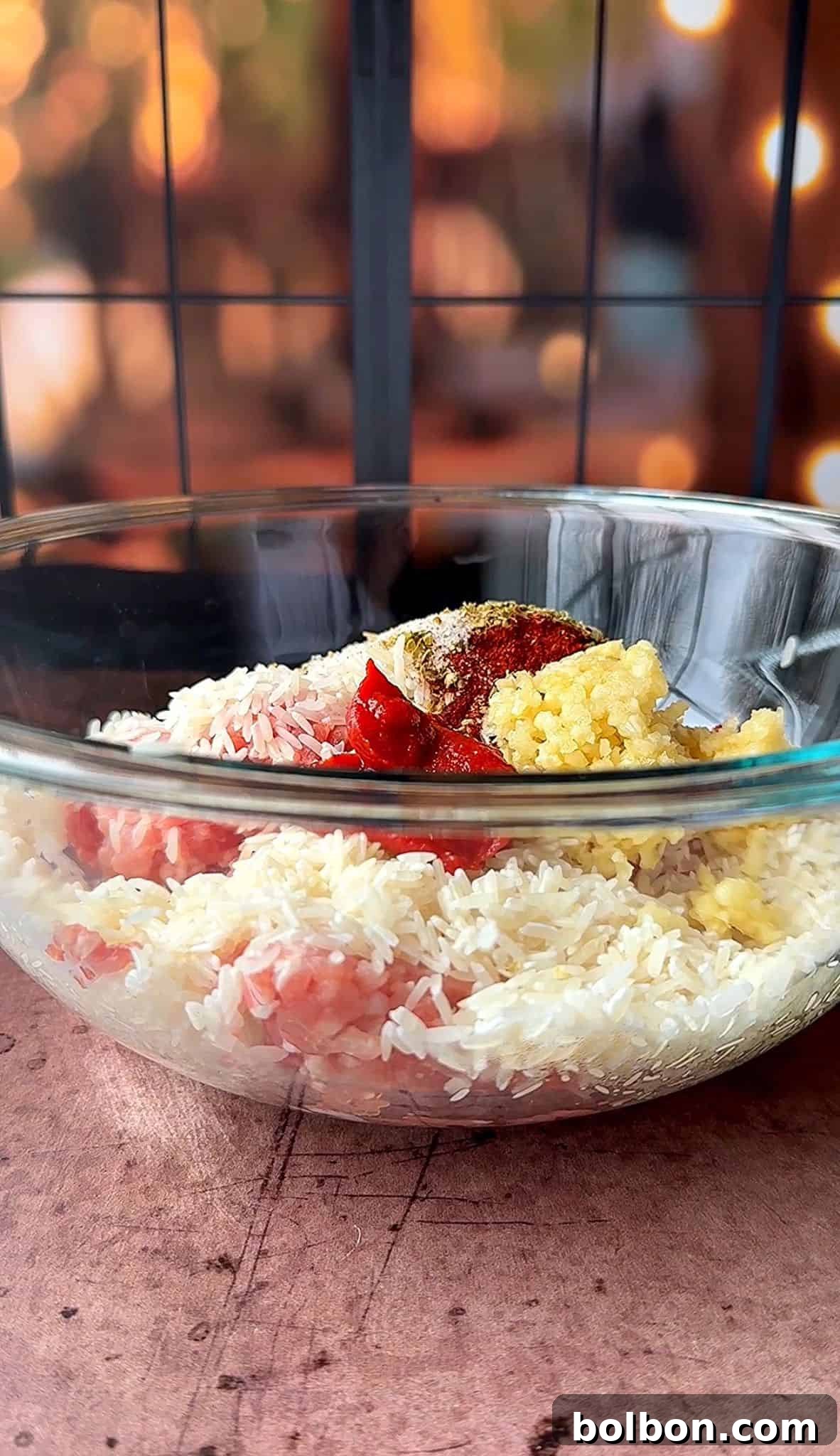
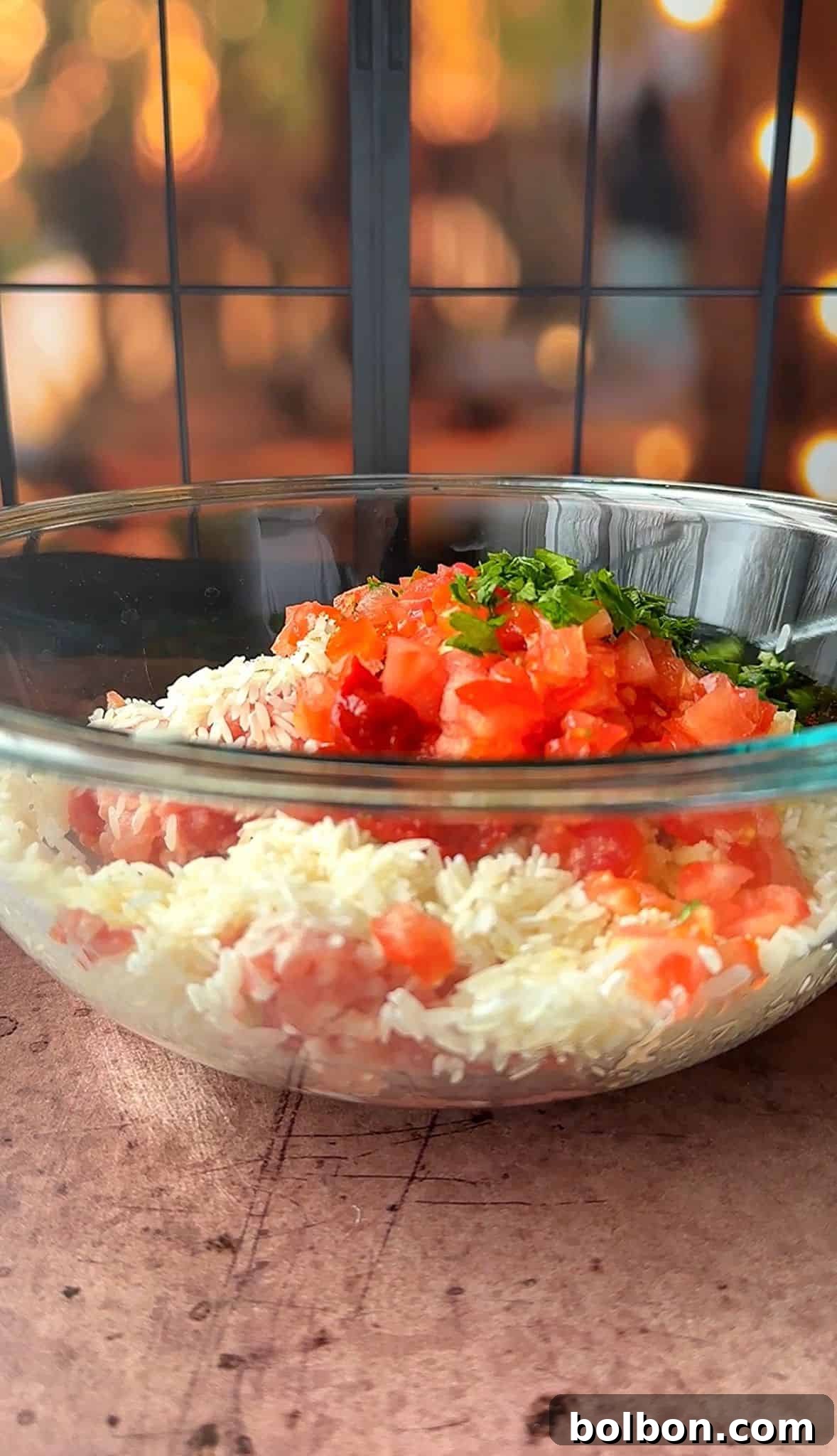
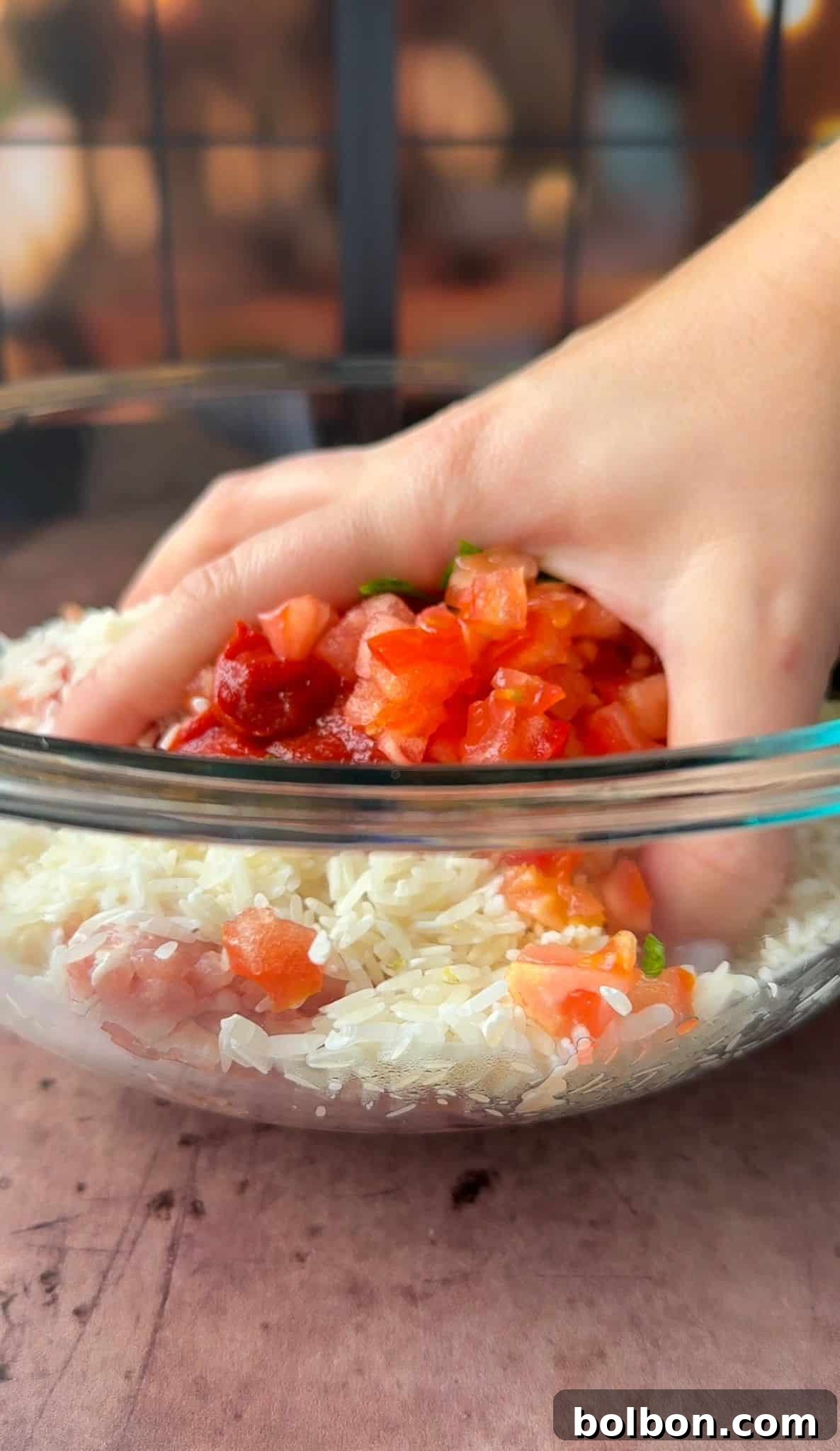
The heart of our stuffed onions lies in its rich and aromatic filling. Begin by combining all your stuffing ingredients in a large mixing bowl. This includes the ground meat of your choice, thoroughly rinsed rice (to remove excess starch and ensure a fluffy texture), a spoonful of concentrated tomato paste, minced garlic, finely diced fresh tomatoes, and vibrant chopped parsley. Season generously with your preferred blend of savory spices. Mix all these components thoroughly until well combined, ensuring the flavors are evenly distributed. Once mixed, set this aromatic filling aside. For optimal flavor development and convenience, consider preparing this meat mixture the night before. Simply cover it and refrigerate; then, allow it to sit at room temperature for about 30 minutes before you begin the stuffing process.
Prepping and Par-Boiling the Onions
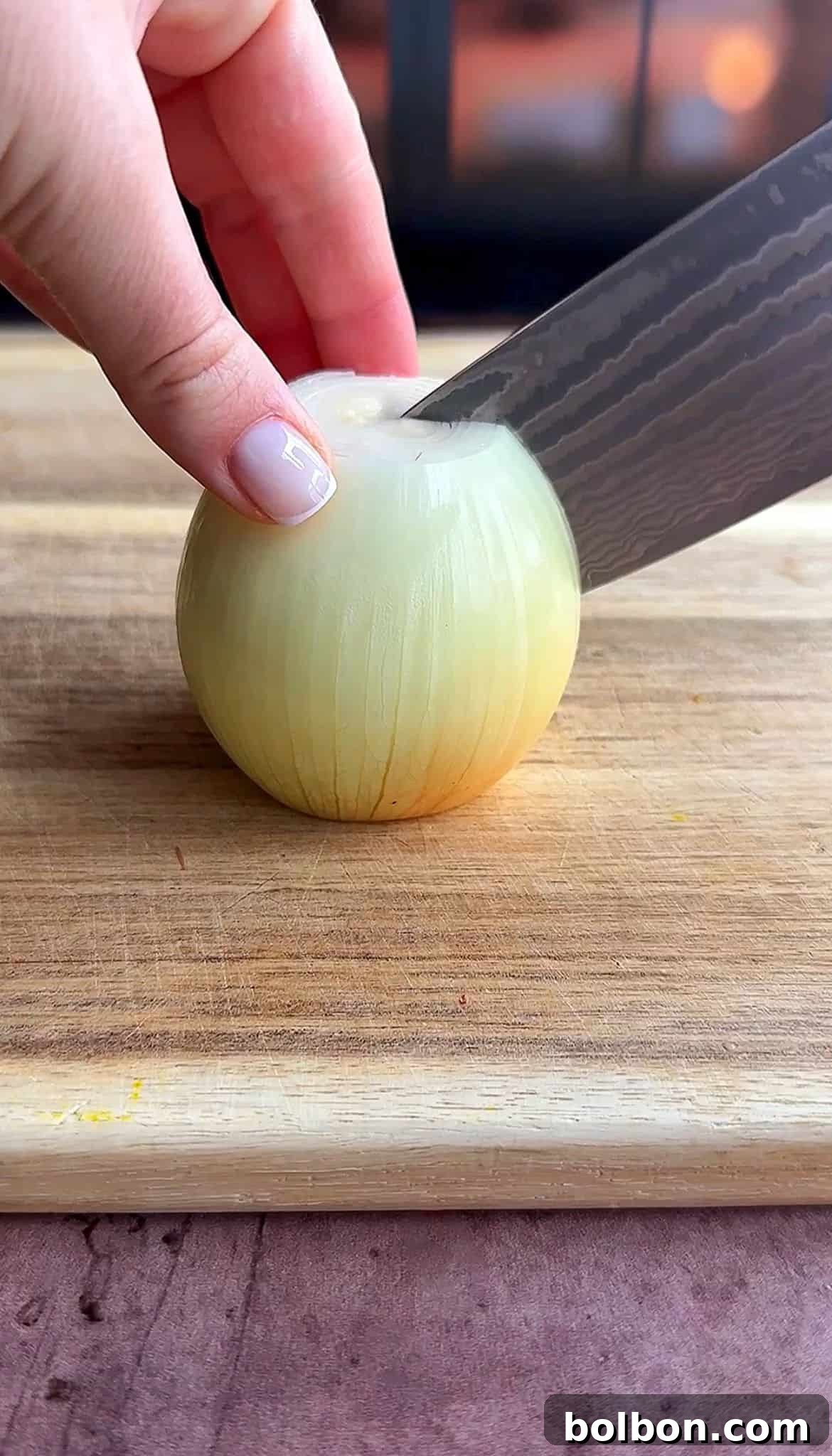
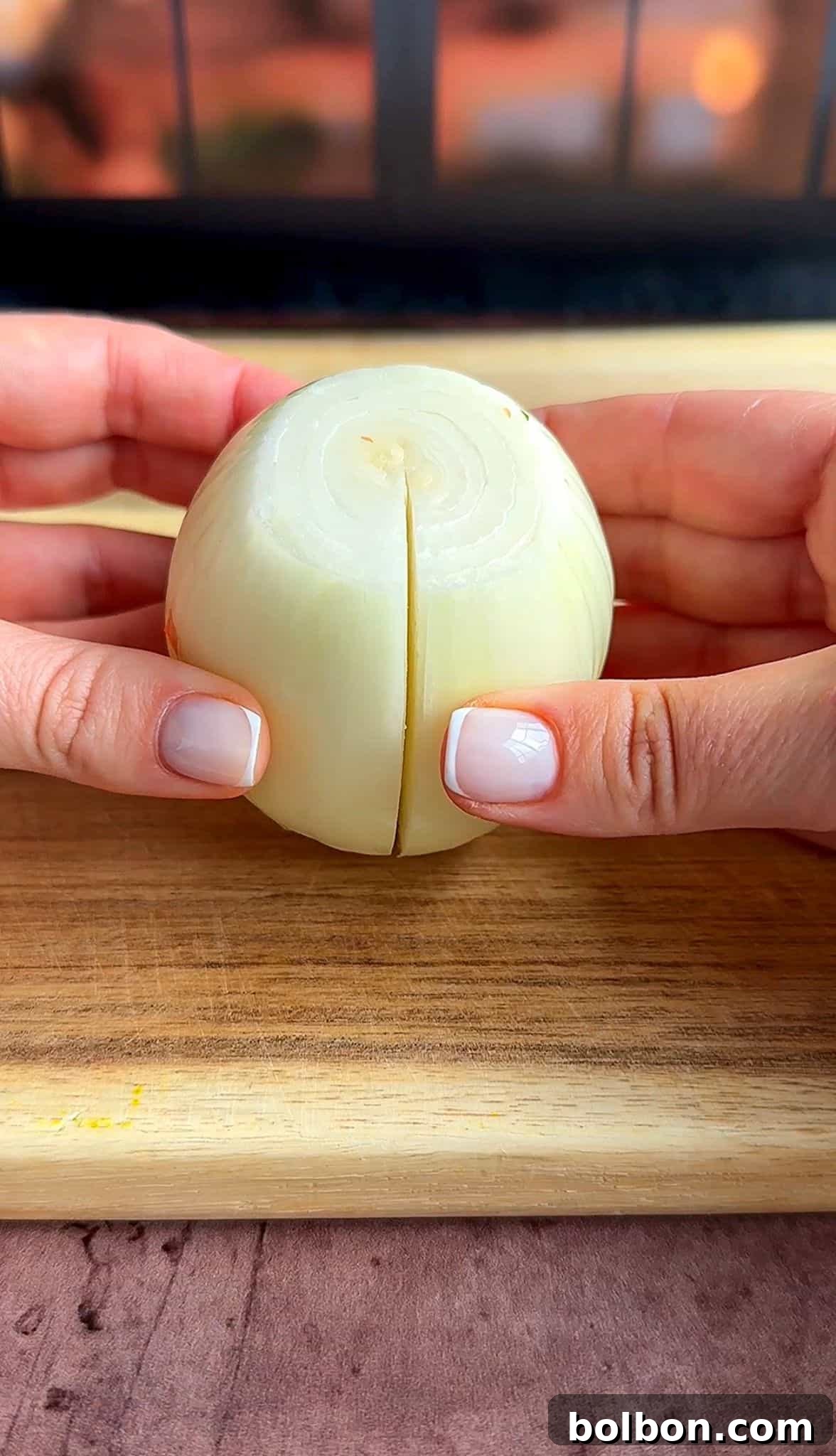
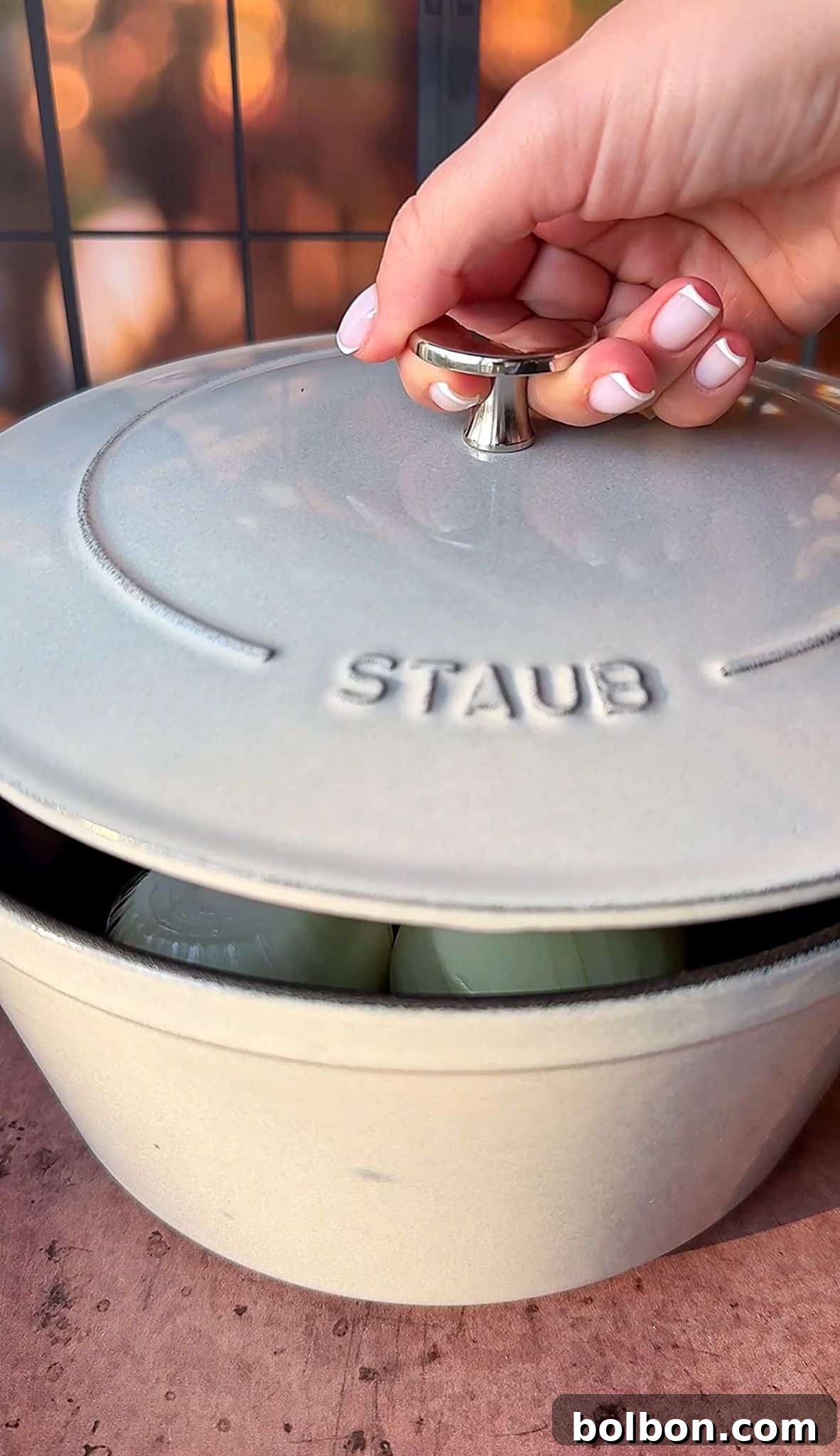
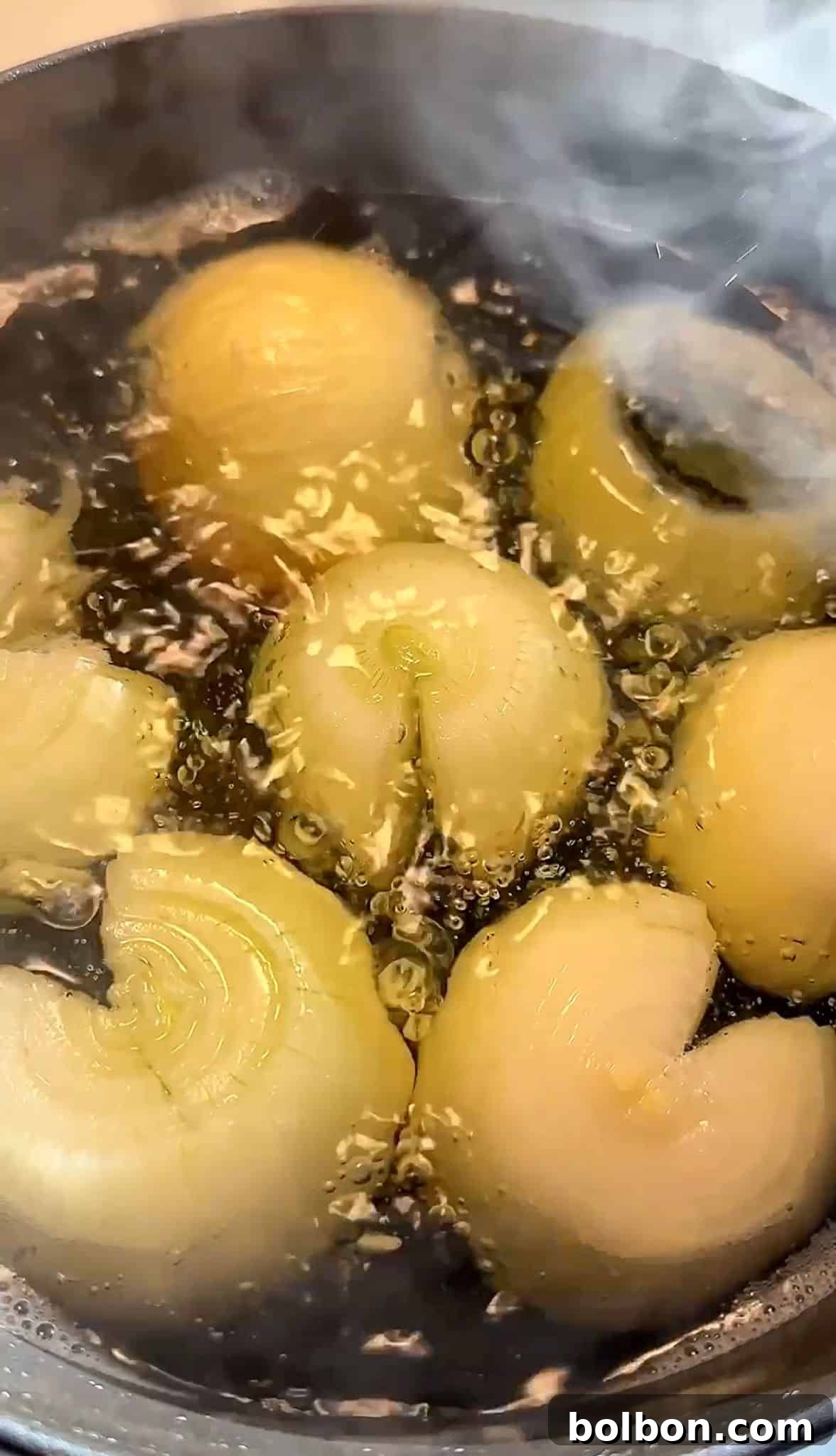
The secret to tender, pliable onion layers suitable for stuffing lies in careful preparation. Using a sharp knife, neatly trim both ends off each onion. Place the onion flat side down on your cutting board. Make a single, precise cut down the middle, starting from the center and extending to one end, ensuring you do not cut the onion completely in half. This crucial incision allows the onion layers to separate easily after boiling. Repeat this step for all your onions. Next, transfer the prepared onions to a large pot, fill it with water, and bring it to a rolling boil. Cook the onions for approximately 15 minutes from the boiling point. Keep a close eye on them; the goal is to soften the layers enough for separation without making them overly fragile or mushy. Over-boiling can cause them to fall apart. Once tender, carefully drain the hot water and let the onions cool completely. You can run them under cold water to expedite the cooling process, making them easier to handle for the next step.
Stuffing and Arranging the Onions
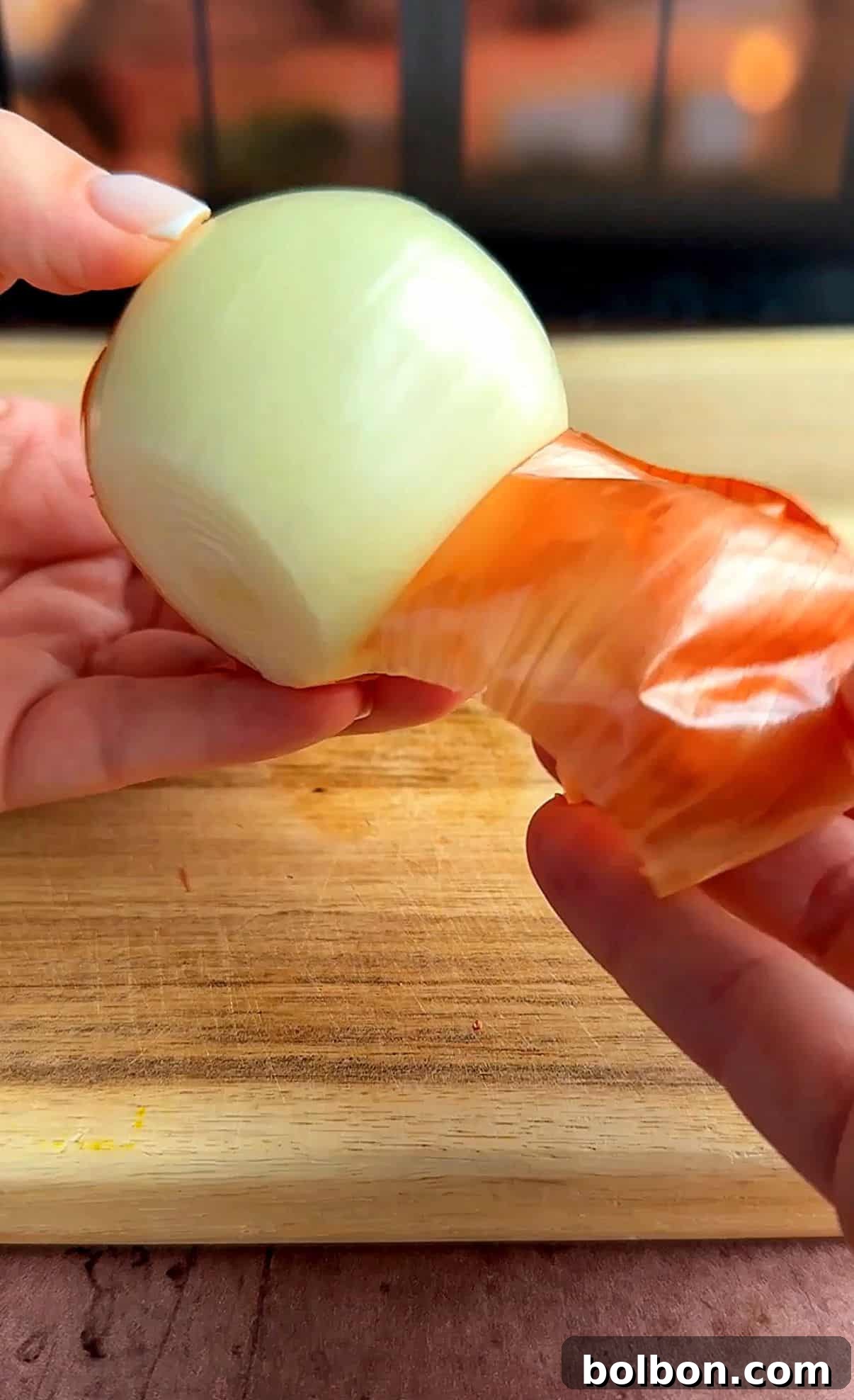
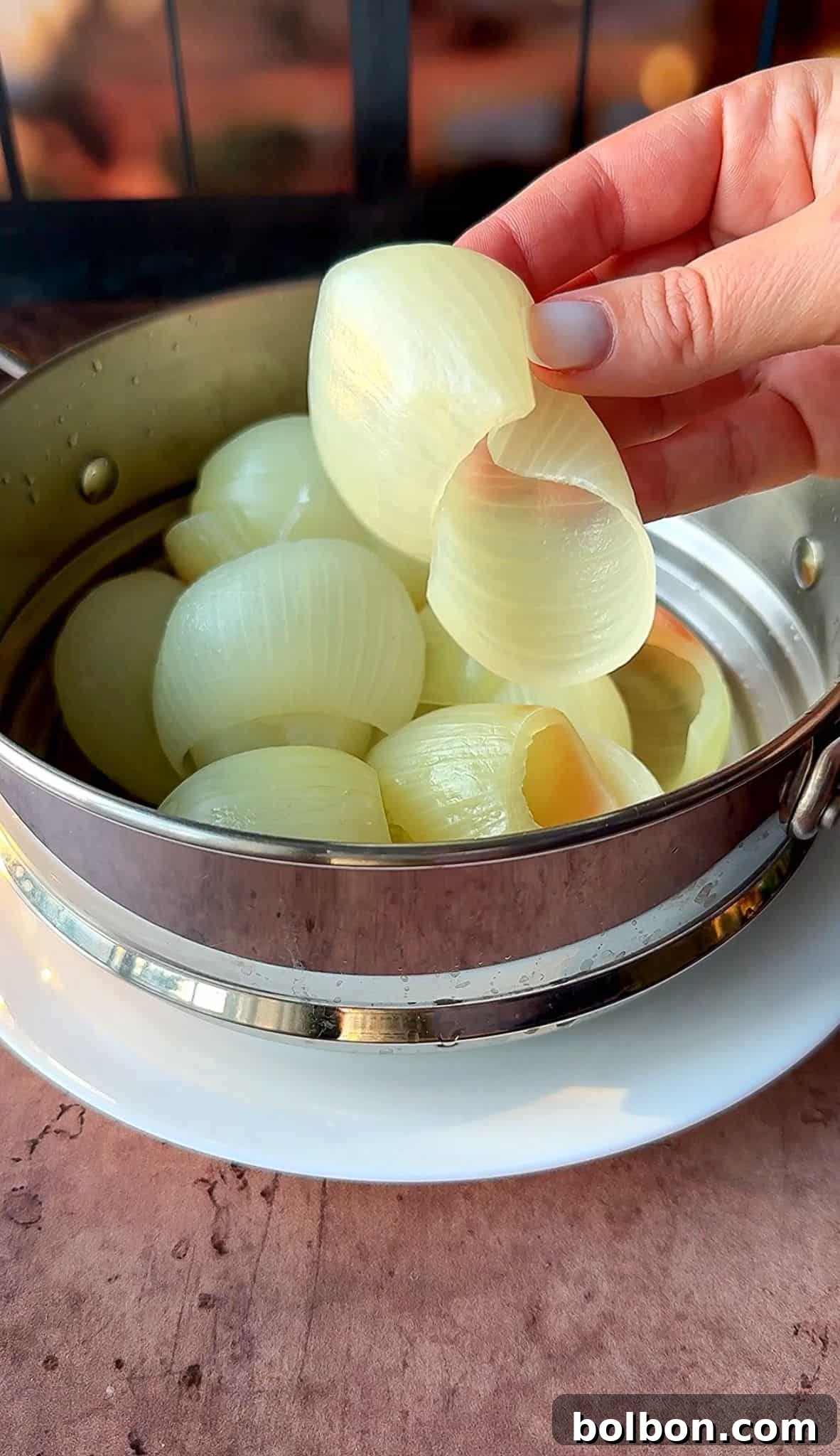
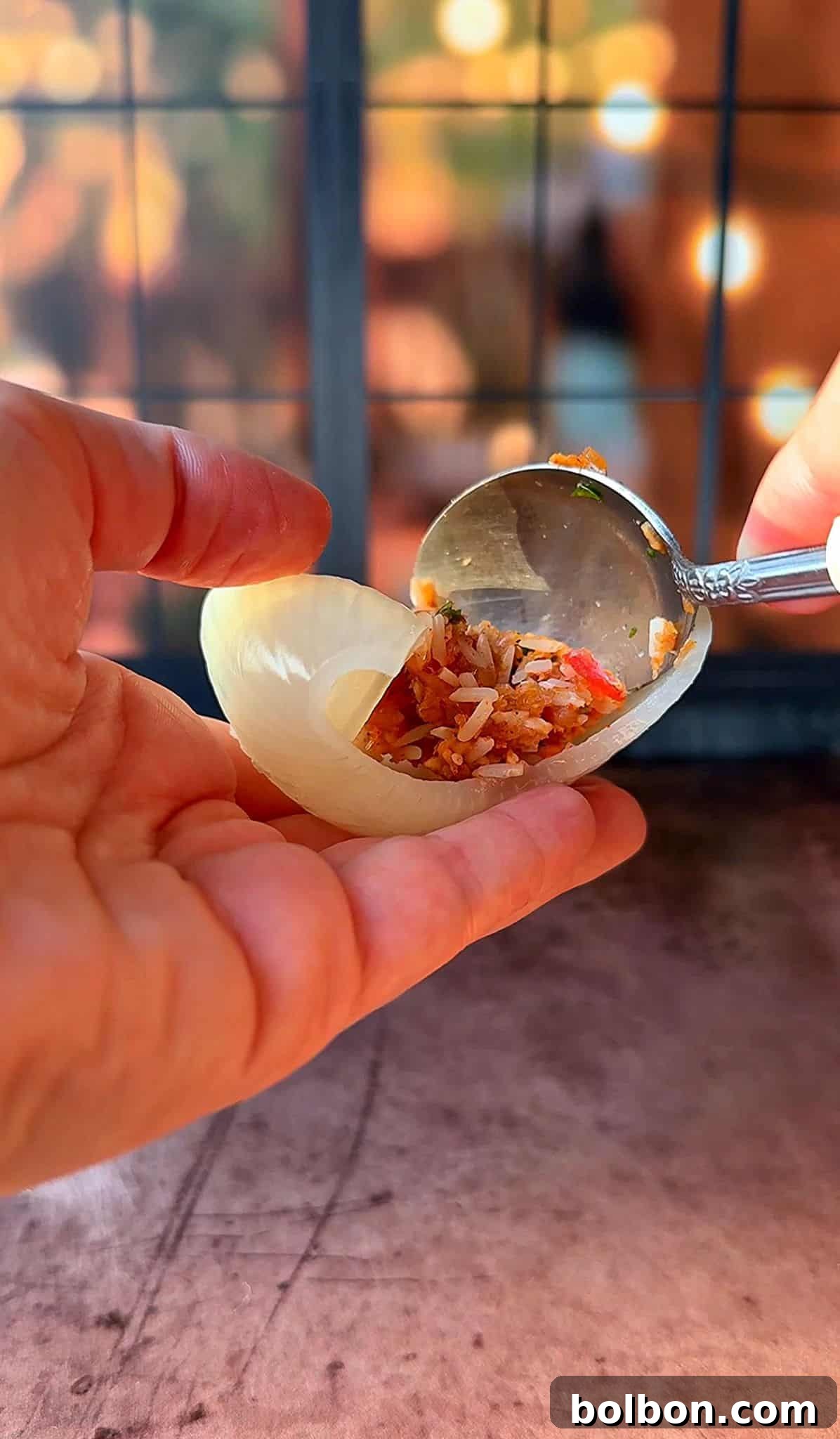
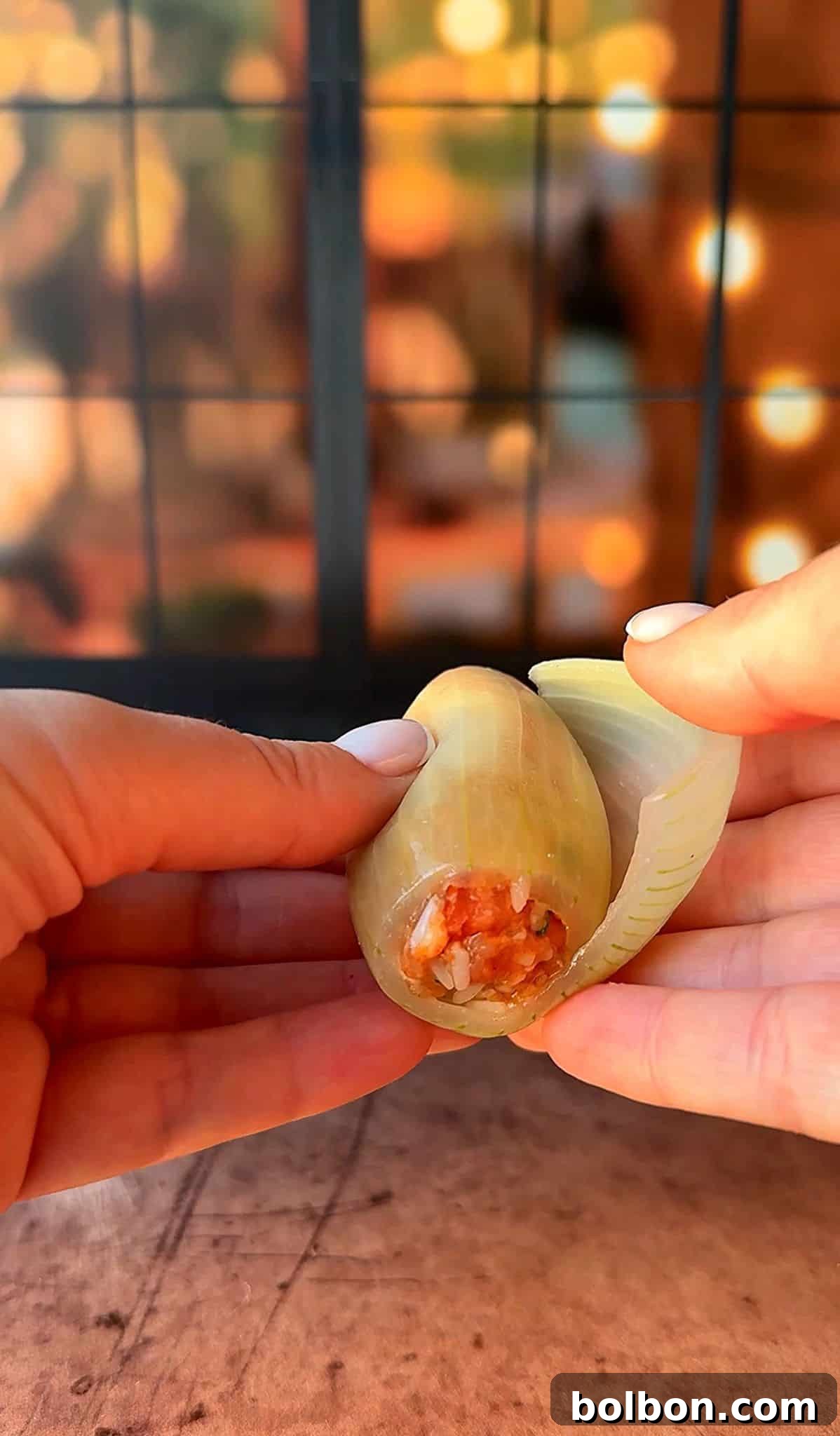
Once the par-boiled onions are cool enough to handle, gently separate each layer. You’ll find they naturally unfurl into individual, pliable sheets. Take one onion layer, place a tablespoon of the prepared meat and rice filling at one end, and carefully roll it up into a neat, compact cylinder. The goal is to create snug parcels that hold their shape during cooking. Continue this process, filling each onion layer until all the filling is used. Depending on the size of your onions, you might yield anywhere from 30 to 40 stuffed onions. If you encounter particularly large onion layers, feel free to cut them in half before stuffing to create smaller, more manageable portions. As you finish rolling each stuffed onion, arrange them seam-side down in a circular pattern, tightly packed into a sturdy round baking dish. This tight arrangement helps them hold their shape and cook evenly in the sauce.
Crafting the Flavorful Sauce and Baking to Perfection
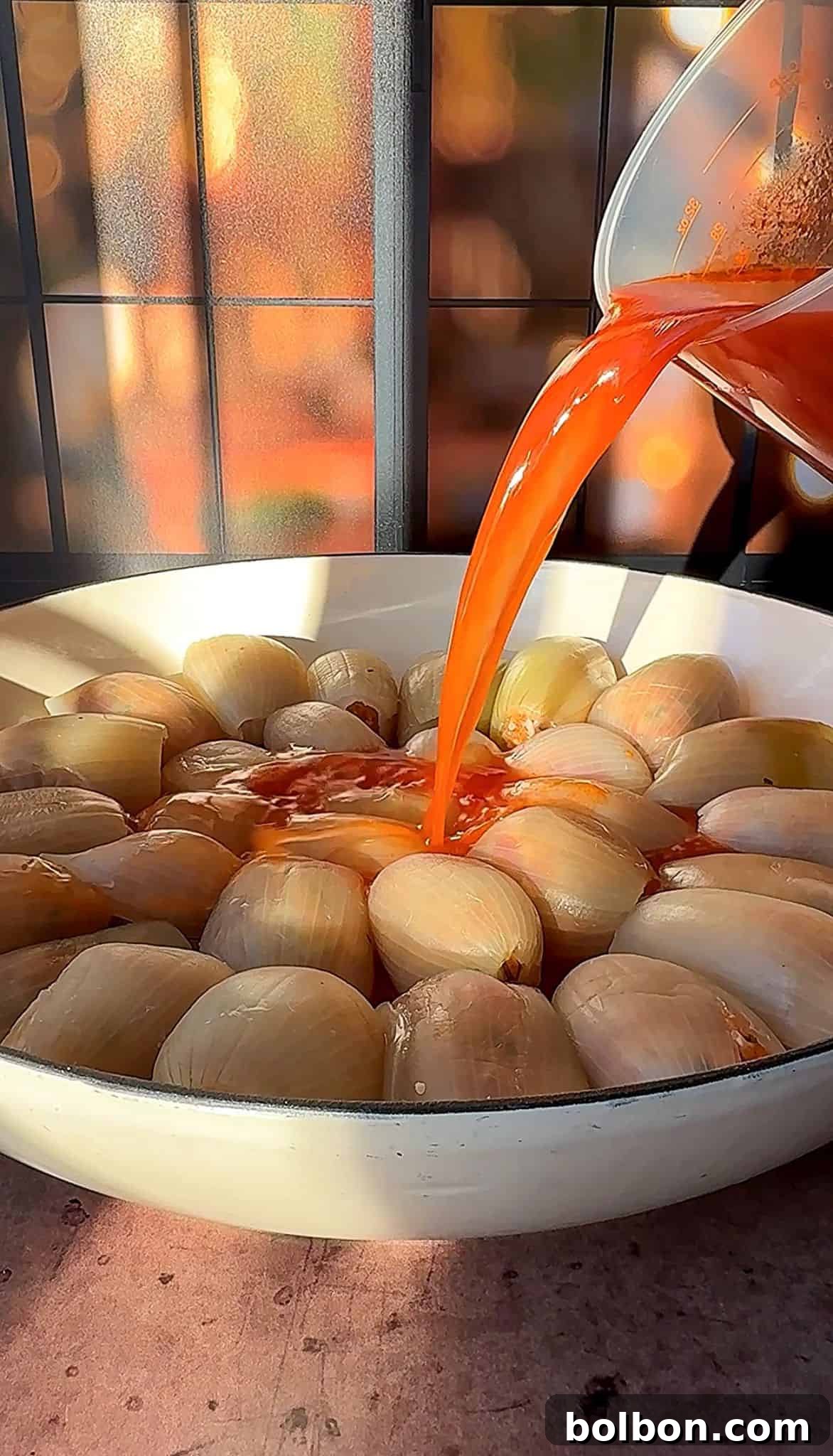
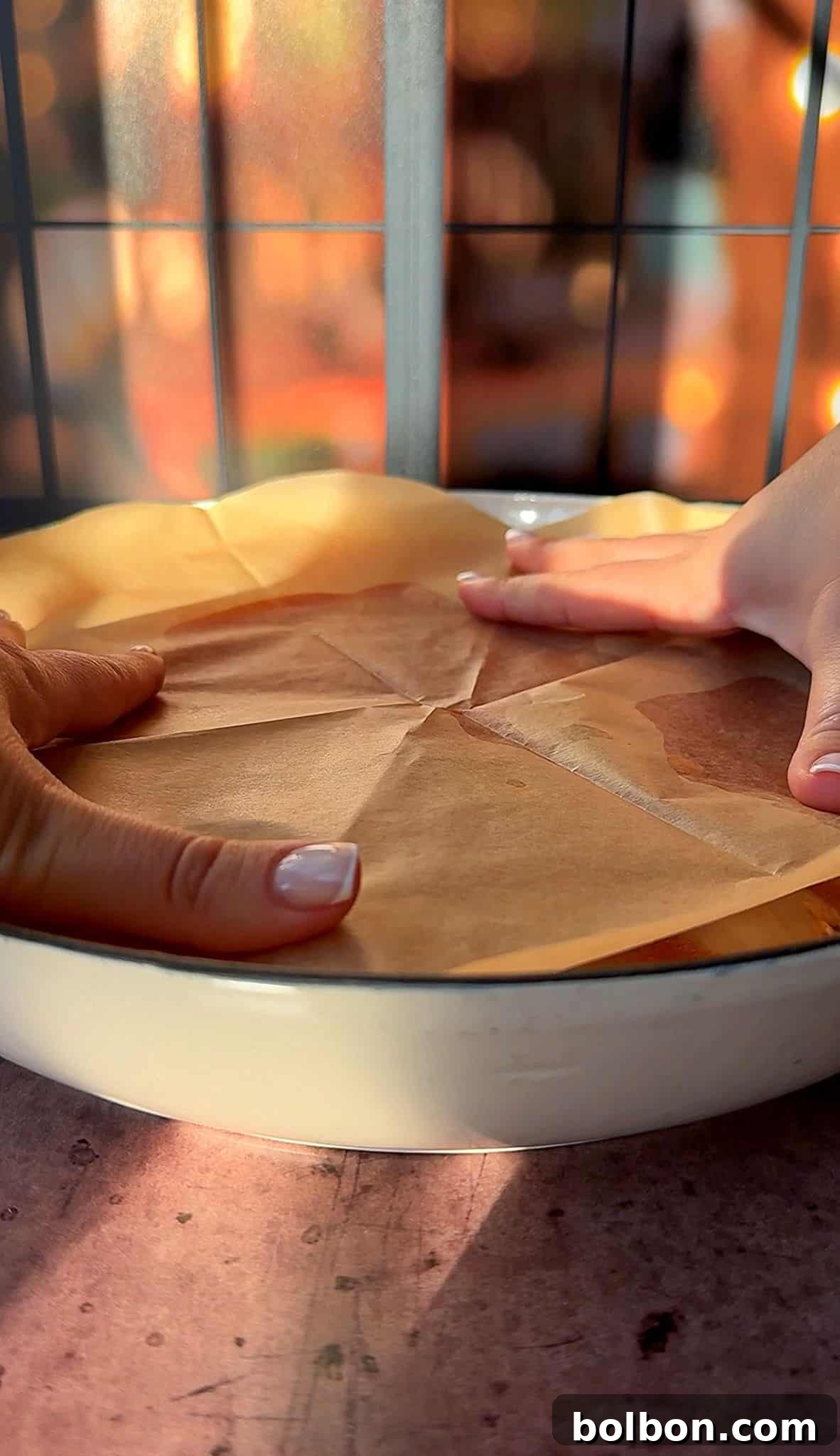
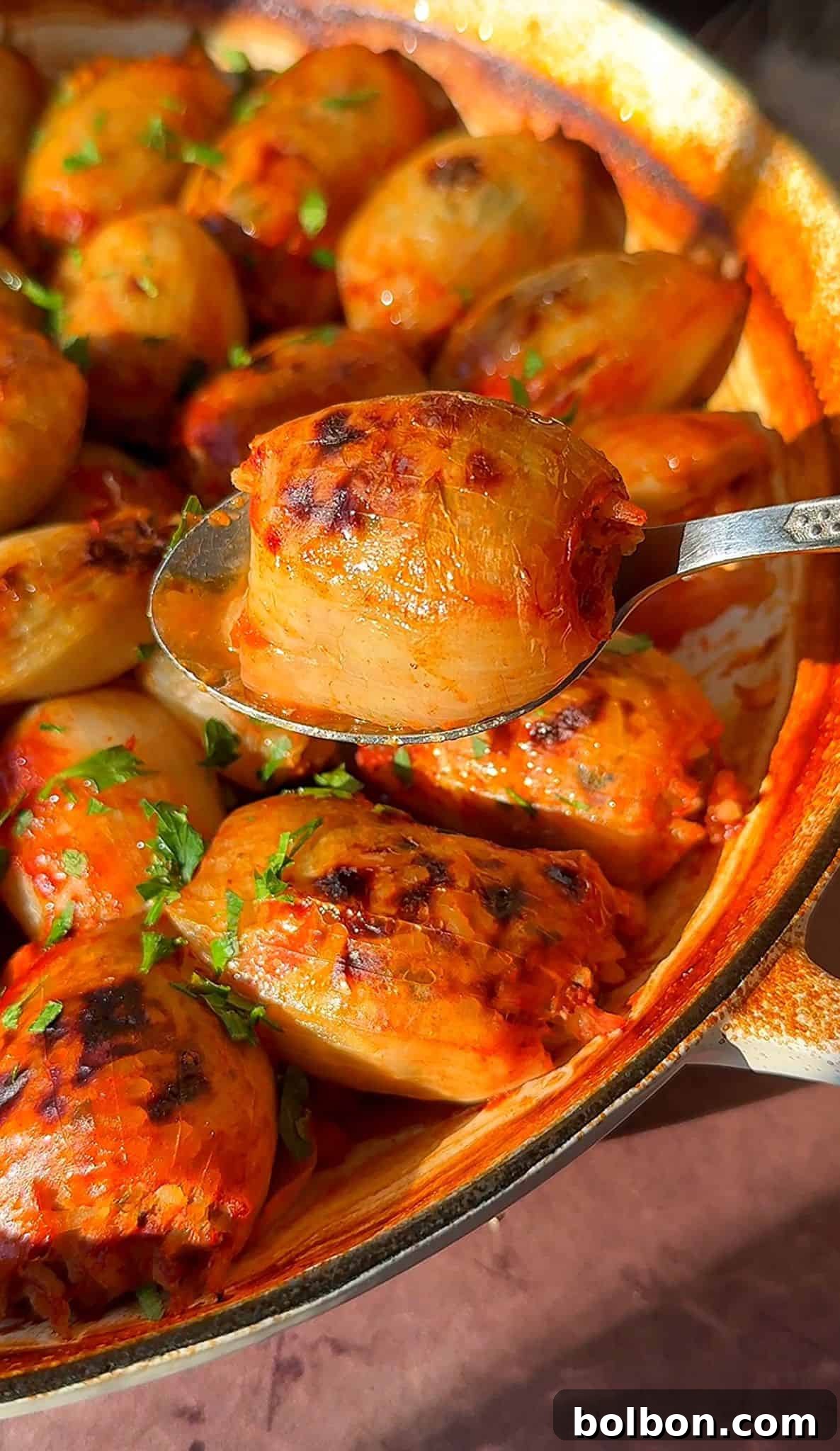
While your stuffed onions are being arranged, begin preparing the rich, tangy sauce that will envelop them. In a medium pot set over the stove, gently melt the ghee or butter until shimmering. Stir in the tomato paste, allowing it to cook for a minute or two to deepen its flavor, then pour in your chosen broth (beef, chicken, or vegetable all work wonderfully). Bring the sauce to a gentle simmer, tasting and adjusting seasoning with a pinch of salt if necessary. Once the sauce is ready, carefully pour the warm, flavorful broth over the tightly arranged stuffed onions in the baking dish, ensuring they are mostly submerged. To create a steamy, moist environment for perfect cooking, first cover the dish with a piece of parchment paper, pressing it gently against the onions, and then seal tightly with aluminum foil. This dual covering method helps retain moisture and encourages slow, even cooking. Transfer the covered dish to a preheated oven at 425F (220C) and bake for 45 minutes. After this initial baking period, remove the foil and parchment paper, and continue baking uncovered for another 15 minutes. For an exquisite finish, place the dish under the broiler for the final few minutes, allowing the tops of the stuffed onions to develop a gorgeous, irresistible caramelized color and a slight crispness. This final touch adds an extra layer of depth and visual appeal.

Nonna’s Pro Tip for Tender Rice 🧅
For an even more tender and perfectly cooked grain within your stuffing, soak the rice in cold water for at least 30 minutes before adding it to the meat mixture. This simple step helps the rice absorb moisture more effectively, resulting in a delightfully soft texture once baked inside the onions.
Creative Variations and Simple Substitutions for Your Stuffed Onions
One of the beauties of this stuffed onion recipe is its incredible versatility. Feel free to customize it to your taste or dietary needs with these suggestions:
- I opted for ground pork in this classic Stuffed Onions recipe, but the choice of meat is entirely yours. You can seamlessly substitute it with ground 🥩 beef, lean turkey, tender chicken, rich lamb, or even a delightful mixture of two or more, allowing you to tailor the flavor profile to your preference.
- To transform this into a delectable vegetarian or vegan dish, simply replace the ground meat with plant-based alternatives. Finely chopped 🍄 mushrooms, hearty lentils, a savory beyond meat substitute, or crumbled tofu all work exceptionally well, absorbing the spices and sauce beautifully to create a satisfying meal.
- For those who appreciate a bit of a kick, adding a touch of 🌶️ spice is effortless. Incorporate some chili flakes or a pinch of cayenne pepper directly into the meat filling, or stir it into the tomato sauce for an even distribution of warmth.
- While not traditionally found in Balkan or Middle Eastern stuffed onions, a crumbling of salty feta cheese into the filling can introduce a delightful tang and creamy texture, adding a Mediterranean twist to the dish.
Explore More Comforting Stuffed Vegetable Recipes
Stuffed Peppers with Feta
50 mins
Spinach Stuffed Mushrooms
30 mins
Breakfast Stuffed Peppers
25 mins
Pizza Stuffed Mushrooms
28 mins
Bulgarian Stuffed Peppers
1 hr 20 mins
Stuffed Tomatoes
1 hr 20 mins
Zero-Waste Kitchen: Clever Uses for Leftover Onion Hearts
As a true Nonna, I believe in utilizing every ingredient to its fullest potential, ensuring nothing goes to waste. After carefully peeling and separating the outer layers for stuffing, you’ll be left with the tender, sweet, and intensely flavorful inner cores of 6-8 onions. These “onion hearts” are too delicious to discard and can be transformed into wonderful additions to various dishes. Here are some fantastic ideas to put them to great use:
- Enhance Your Stuffing: Finely dice these sweet onion hearts and simply mix them directly into your meat and rice stuffing. They will add an extra layer of onion flavor and moisture to the filling, making your stuffed onions even more irresistible.
- Quick & Flavorful Side Dish: For a rapid and delicious accompaniment, chop up the onion hearts and quickly sauté them in a pan with a drizzle of olive oil, minced garlic, and a sprinkle of your favorite fresh or dried herbs. They’ll soften and sweeten beautifully, making a perfect, simple side.
- Irresistible Caramelized Onions: Transform them into classic caramelized onions! Thinly slice the onion hearts and cook them slowly over low heat with a generous knob of butter. Stir occasionally until they turn a deep golden-brown and become wonderfully sweet and jammy. These are exceptional as a topping for gourmet burgers, seared steaks, or savory sandwiches.
- Boost Flavor in Sauces: These tender onion cores are excellent for deepening the flavor of sauces. Blend them into a homemade marinara sauce, add them to a rich curry, or incorporate them into creamy pasta sauces for a subtle sweetness and aromatic depth.
- Savory Breakfast Addition: Chop them up and toss them into your morning scrambled eggs or omelets. Their sweetness pairs wonderfully with eggs, creating a savory and satisfying start to your day.
Perfect Pairings: What to Serve with Your Stuffed Onions
These magnificent Stuffed Onions are hearty enough to be a stand-alone main course, but they truly shine when accompanied by thoughtful side dishes that complement their rich flavors and tender texture. Here are some of the best ways to complete your meal:
- Traditionally, these Stuffed Onions are often enjoyed with a dollop of plain, unsweetened yogurt. The cool, tangy creaminess of the yogurt provides a delightful contrast to the warm, savory, and slightly sweet onions, balancing the flavors beautifully.
- For a lighter, refreshing accompaniment, serve this recipe alongside a crisp 🥗 green salad tossed with a light vinaigrette. The fresh greens cut through the richness of the dish. Alternatively, a medley of roasted seasonal vegetables can add vibrant color and additional nutrients.
- A generous loaf of crusty 🍞 bread is perfect for soaking up every last drop of the delicious tomato sauce. Consider serving this with my popular No Knead Bread or, for a gluten-sensitive option, my equally delightful No Knead Gluten Free Bread.
Common Questions About Making Stuffed Onions
Absolutely! While ground pork is a delicious choice, this recipe is incredibly adaptable. You can easily substitute it with ground beef, turkey, chicken, or lamb, or even a combination of meats, to suit your preference or dietary needs.
Don’t discard them! The tender inner onion hearts are full of flavor. You can finely dice them and mix them into the meat filling for extra oniony goodness, or save them to make a rich vegetable broth. They are also excellent sautéed as a quick side dish or caramelized for toppings.
Yes, this recipe is perfect for make-ahead convenience! You can prepare the entire meat and rice mixture the night before. Simply combine all ingredients, cover, and refrigerate overnight. Before you begin stuffing the onions, allow the mixture to sit at room temperature for about 30 minutes to make it easier to handle.
Absolutely! To make a delicious vegetarian version, replace the ground meat with an equal amount of finely chopped mushrooms, cooked lentils, a plant-based ground meat alternative (like Beyond Meat), or crumbled tofu. These alternatives will absorb the flavors beautifully.
The key is in the par-boiling. Be careful not to overcook the onions; boil them just until the layers start to soften and naturally separate, typically around 15 minutes from the boiling point. Once boiled, drain them carefully and let them cool completely before attempting to separate and stuff the layers. Cooling helps firm them up and reduces tearing.
The parchment paper acts as an additional barrier, helping to trap moisture directly around the onions and preventing them from drying out during the long baking process. It also creates a gentler cooking environment. If you don’t have parchment paper, a tight-fitting lid or just the aluminum foil will still work effectively to keep the dish moist.
Stuffed Onions: A Hearty & Flavorful Comfort Food
Facebook Share
Rate Recipe
Print Recipe
Video Walkthrough
Essential Equipment
Ingredients
For the Savory Stuffing
- 500 grams ground pork , or your preferred ground meat (beef, turkey, chicken, or lamb)
- 1 cup short or medium-grain rice, rinsed and optionally soaked for 30 minutes
- 1 tablespoon tomato paste
- 1 large tomato, finely diced
- 5 cloves garlic, minced or pressed
- 1 teaspoon salt
- 1 teaspoon paprika
- 1 teaspoon dried oregano
- ¼ teaspoon black pepper
- ¼ cup fresh parsley, finely chopped (about a handful)
- 6 large yellow onions, you might need more if they are smaller in size
For the Rich Tomato Sauce
- 1 tablespoon ghee, or unsalted butter
- 2 tablespoons tomato paste
- 2 cups broth , choose beef, chicken, or vegetable broth
Step-by-Step Instructions
-
In a large mixing bowl, combine the ground meat, thoroughly rinsed rice, all listed spices (salt, paprika, oregano, pepper), tomato paste, minced garlic, diced fresh tomatoes, and chopped parsley. Mix all ingredients exceptionally well until everything is evenly incorporated. Set this flavorful stuffing mixture aside.
-
Chef’s Note: For maximum convenience and flavor depth, you can prepare this meat filling the night before. Simply cover the bowl tightly and refrigerate. Before you start stuffing, remember to let the mixture sit at room temperature for about 30 minutes to make it more pliable.
-
Next, take each large yellow onion. Using a sharp knife, carefully trim off both ends. Place the onion flat side down on a cutting board, then make a single cut down its middle, starting from the center and extending towards one end, being careful not to cut it completely in half. This creates a pocket for easy separation.
-
Repeat this precise cutting step for every onion. Then, place all the prepared onions into a large pot and fill it with enough water to cover them. Bring the water to a boil, then cook the onions for approximately 15 minutes from the boiling point.
-
During this time, the onion layers should begin to soften and gently pull apart. It’s crucial to monitor them closely and avoid over-boiling, as they can become too soft and break. The goal is pliable, not mushy, layers.
-
Once adequately softened, carefully drain the hot water from the pot and let the onions cool completely. To speed up the cooling process, you can gently run them under cold water. This makes them much easier to handle for stuffing.
-
Now, take each individual onion layer. Spoon about one tablespoon of the prepared filling onto one end of the layer, then carefully roll it up into a neat, secure parcel. Continue this process, filling each remaining onion layer until all the stuffing mixture is used. Depending on the size of your onions, you might achieve around 30-40 stuffed onions.
-
Tip: If you are working with particularly large onion layers, don’t hesitate to cut them in half before stuffing to create smaller, more manageable rolls. Also, remember that the leftover onion hearts (the small inner pieces) can be finely diced and added to your stuffing, or reserved for making a vegetable broth.
-
Once all your onions are stuffed, arrange them seam-side down, tightly packed in a circular or spiral pattern, into your chosen round baking dish. This tight arrangement helps maintain their shape and ensures they cook evenly in the sauce. Now, you’re ready to prepare the delectable sauce.
The Flavorful Sauce and Baking Process
-
In a separate medium-sized pot set over the stove, melt the ghee (or butter) over medium heat. Once melted, stir in the tomato paste and cook for a minute or two to release its deeper flavors. Pour in the broth of your choice (beef, chicken, or vegetable) and bring the mixture to a gentle simmer. Taste the sauce and add a small pinch of salt if needed, adjusting to your preference.
-
Carefully pour the warm, savory broth over the arranged stuffed onions in the baking dish, ensuring most of the onions are submerged. To create a perfect cooking environment, first lay a piece of parchment paper directly over the onions, then cover the entire dish tightly with aluminum foil. This helps to lock in moisture and allows the onions to steam and tenderize.
-
Place the covered baking dish into a preheated oven at 425F (220C) and bake for 45 minutes. After this time, carefully remove both the foil and parchment paper. Continue baking the onions uncovered for an additional 15 minutes, allowing them to brown slightly and absorb more flavor. For a beautiful, irresistible caramelized finish and a touch of crispness on top, place the dish under the broiler for the last few minutes, watching carefully to prevent burning.
-
Serve these magnificent stuffed onions warm. While delightful on their own, we particularly enjoy them with a side of plain yogurt for a refreshing contrast. Leftovers can be stored in an airtight container in the refrigerator for up to five days, and they often taste even better the next day!
Helpful Recipe Notes and Expert Tips
Selecting the Best Onions: For optimal results, large yellow onions are highly recommended for this recipe. They possess a wonderfully mild, subtly sweet flavor that caramelizes beautifully when slow-roasted. More importantly, their layers are robust enough to hold the stuffing and separate easily after par-boiling, making the stuffing process much smoother and more enjoyable.
The Ideal Rice for Stuffing: The type of rice you choose significantly impacts the texture of your stuffing. A short-grain or medium-grain rice is best here, as these varieties are excellent at absorbing moisture and cooking to a tender, fluffy consistency without becoming overly mushy or sticky. Consider using Arborio rice for a slightly creamier texture, or Jasmine rice for a light, aromatic quality. Long-grain rice can also work, but may result in a slightly firmer filling.
Understanding Ghee (and Substitutions): Ghee, a type of clarified butter widely used in Indian and Middle Eastern cuisines, offers a distinct nutty flavor and high smoke point. If ghee is not readily available at your local grocery store, or if you simply prefer an alternative, unsalted butter is an excellent substitute, providing a similar richness. For a dairy-free option, good quality olive oil can also be used, though it will subtly alter the flavor profile.
Achieving Perfect Caramelization: The final broiling step is key to developing that beautiful golden-brown, caramelized surface on your stuffed onions. Keep a very close eye on them during this stage, as broilers can vary in intensity, and onions can go from perfectly golden to burnt in a matter of seconds.
Nutrition Information
Nutrition information is automatically calculated, so should only be used as an approximation.
Additional Recipe Information
Conclusion: Embrace the Comfort of Homemade Stuffed Onions
These Stuffed Onions are more than just a recipe; they are an invitation to experience a culinary tradition steeped in comfort, flavor, and the joy of sharing. With their melt-in-your-mouth tenderness, rich meat and rice filling, and savory tomato sauce, they embody the essence of home-cooked goodness. Whether you’re preparing them for a special gathering or a cozy family dinner, the process is rewarding, and the results are utterly delicious. Embrace the patience required for this beautiful dish, and you’ll be rewarded with a meal that feels both deeply nourishing and incredibly satisfying, bringing a taste of diverse culinary heritage to your table. Enjoy the journey of crafting these magnificent stuffed onions, and savor every single bite!