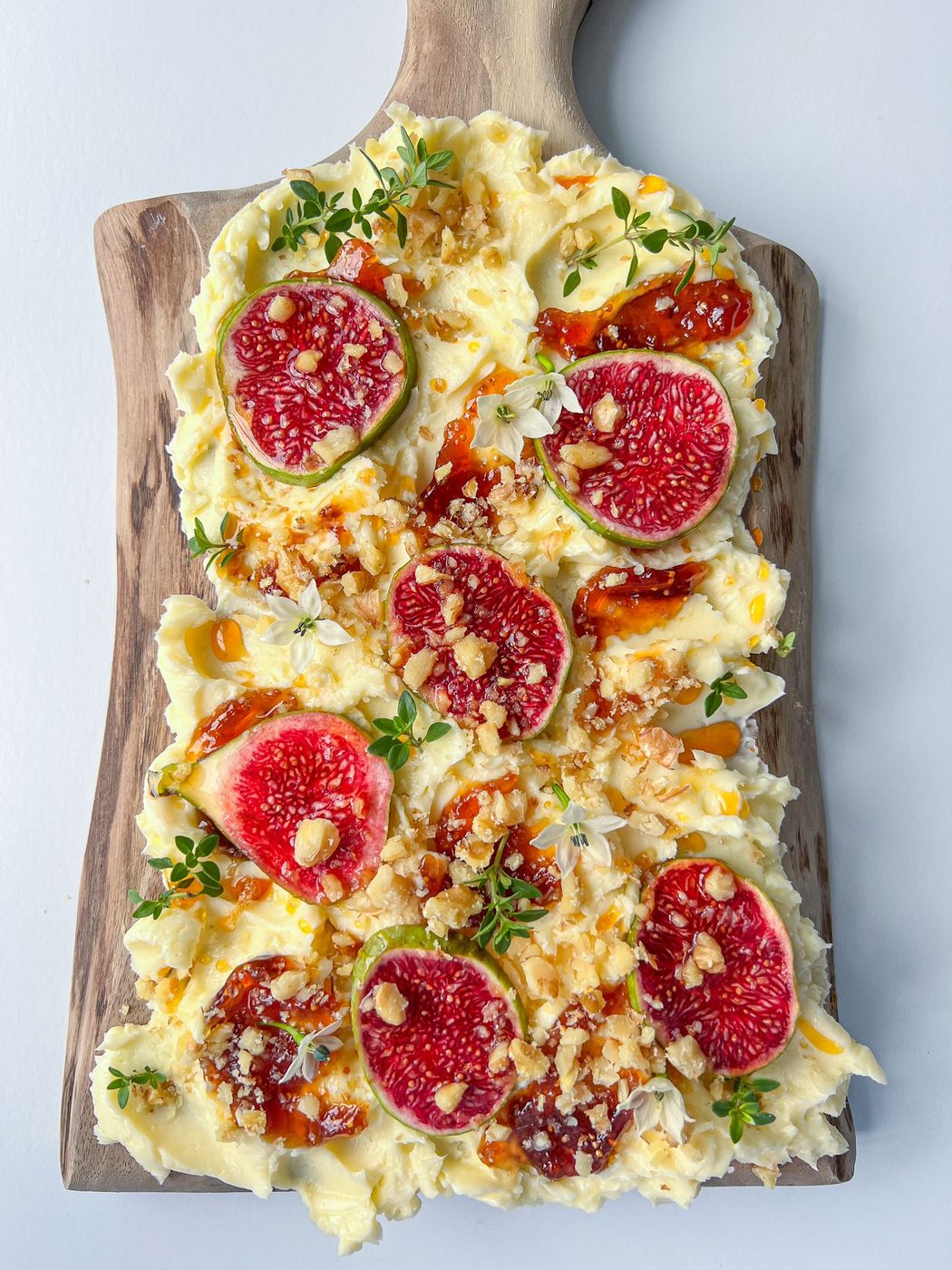
Homemade Ricotta
- Makes 1 cup
- Prep 5 minutes
- Cook 15 minutes
- Total 40 minutes

If you’ve ever made our Homemade Cottage Cheese do not toss that leftover whey. It’s liquid gold. This Homemade Ricotta is basically the bonus track to your cheese-making journey. Fun fact: ricotta means “to re-cook,” and that’s exactly what we’re doing here — bringing that whey back to life and turning it into a fluffy, creamy masterpiece.
This is the OG traditional method. Sure, it only makes about one cup (because we’re using what’s left from the cottage cheese), but the payoff? HUGE. Like, “we'll never buy store-bought again” huge. And if you’re ricotta-obsessed and want a bigger batch or don’t have whey lying around, we got you. Check the second method below for a fool-proof backup plan.
What stands out
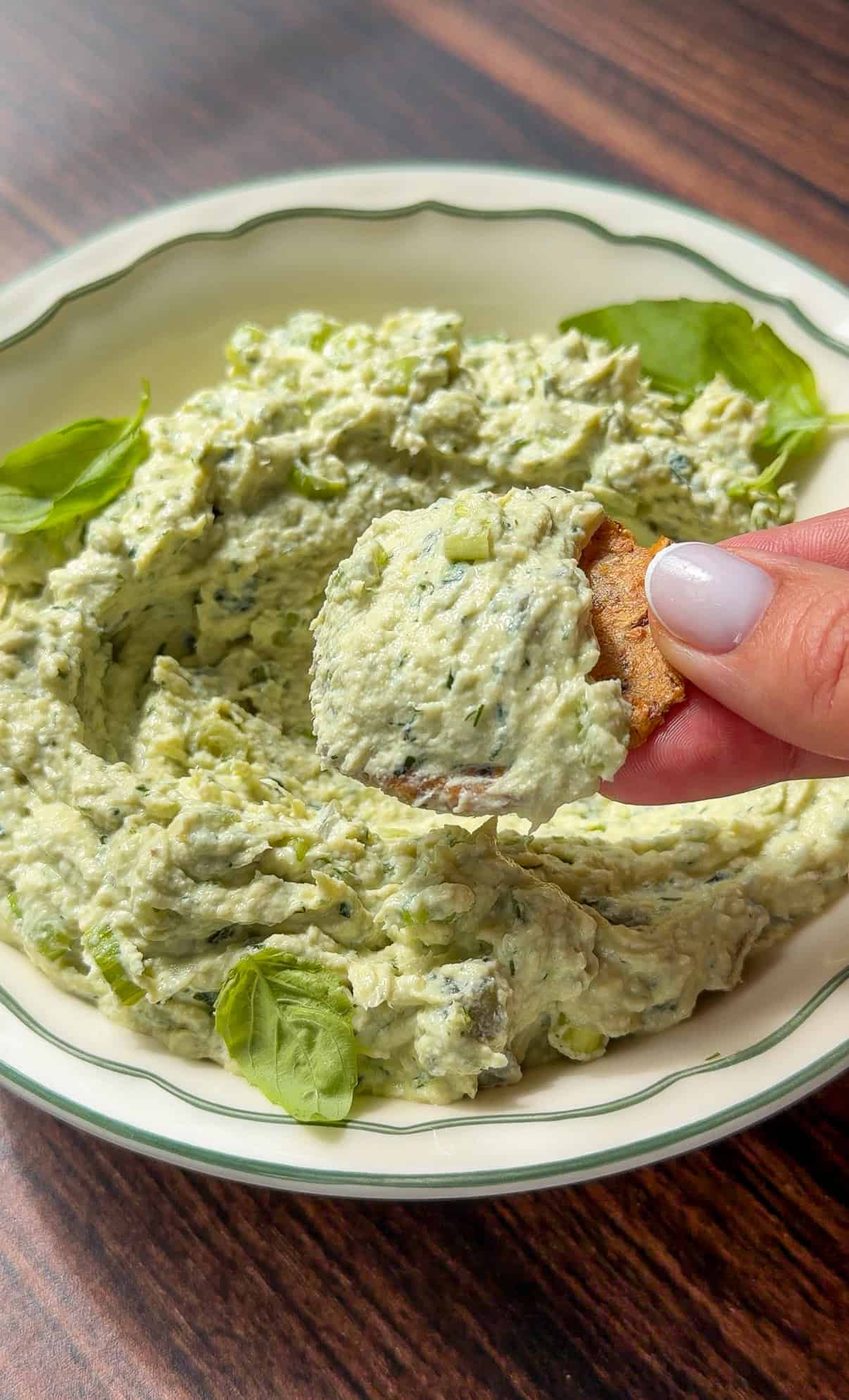
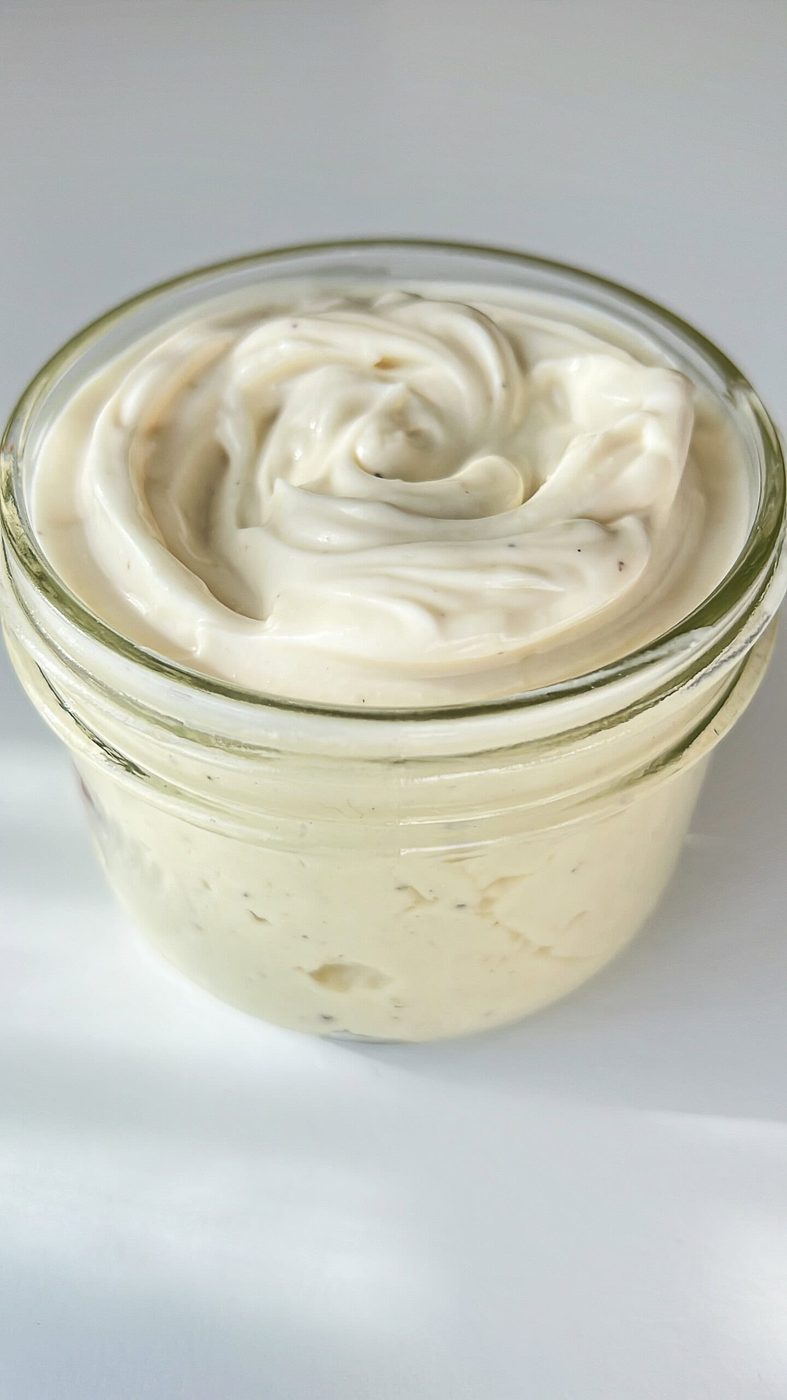
If dairy pageants existed homemade ricotta would be the contestant with flawless skin, luscious hair, and a killer personality. Glowing, glamorous, and next-level. We're warning you: once you taste ricotta made from scratch, there’s no going back. It’s luxury by the spoonful – soft, fluffy, and cloud-like with just the right amount of creaminess and a subtle tang. Rich without feeling heavy, this ricotta works beautifully in both savory and sweet dishes. It’s suited to smearing on toast, stuffing into pasta shells, or just eating by the spoonful with honey drizzled on top.
⭐⭐⭐⭐⭐
We have a friend who swears by making her own ricotta and now we know why! We were astonished at how straightforward this was. We didn’t have whey so we made the milk version and it turned out great!
– Audrey3000
View More Comments
Whole Milk: Full-fat milk will produce a creamier batch of ricotta cheese. Avoid low fat milk, such as 2%, 1%, and skim milk, since they do not have enough fat content to produce any significant amount of curdling. Also, be sure that your label doesn’t claim to be ultra-pasteurized – this means your milk will have altered proteins that will not form curds.
Whey: This method uses leftover whey from making cottage cheese to make homemade ricotta. Don’t worry – we've also included instructions for if you don’t have whey on hand.
Distilled White Vinegar: This is the ingredient needed to curdle the milk. We used white vinegar, but any mild tasting acid will work. You could also use lemon juice, apple cider vinegar, or even white wine vinegar.
Salt: Use salt to taste! Since ricotta is typically an ingredient in other dishes, less is more. We like to use Redmond Real Salt so we can squeeze in a few extra vitamins and minerals.
Kitchen tip
If you don’t have whey on hand and need to make a big batch, take a look at our instructions below on how to make Ricotta from whole milk instead.

Swaps
- Instead of cow’s milk, you can use sheep’s milk (which is traditional in Italian cheeses) for a richer and creamier ricotta.
- Mix in heavy cream or whole yogurt for a creamier texture.
- Use different acids like lemon juice, apple cider vinegar or white wine vinegar. Lemon juice adds subtle flavor that works well in most Italian dishes.
- Add fresh herbs like chopped basil, thyme, oregano, parsley, or chives for bright flavor.
- Blend with honey for a sweet, spreadable dip.
How to Make Ricotta Cheese from Whole Milk
No whey? Okay! Here is an alternate method for making Homemade Ricotta with just three ingredients:
Step 1: Add 1 gallon (4 litres) of whole milk to a pot, slowly let it heat up to 200F (93 C). (It will look like a low boil). Make sure to stir often so that it does not scald.
Step 2: Add 3/4 cup vinegar or lemon juice to the warm milk and stir so that it is evenly distributed. Remove the pot from the heat and let it sit for about 30 minutes. You should notice it starting to curdle.
Step 3: Line your strainer with a cheesecloth and place it over a large bowl. Carefully pour the curds and whey into the cheesecloth or use a slotted spoon to transfer. Let sit for one hour.
Step 4: At this point, you can add salt to taste and enjoy right away. For thicker ricotta, continue to strain the curds in the refrigerator for another hour, or place them into cheese molds.
Step 5: Store leftover ricotta in an airtight container in the fridge. Pour the leftover whey into a jar to repurpose into other recipes, such as making bread, adding it to smoothies, or making another batch of ricotta!
Serve it with
- Serve drizzled with honey and topped with fresh fruit and nuts.
- Bake some savory and Zucchini Lasagna Rolls.
- Use it to make these Healthy Lemon Ricotta Pancakes.
- Spread Homemade Ricotta over a slice of toasted sourdough with a fried egg and fresh herbs.
Ingredients
Makes 1 cup
- 1 gallon whey, leftover whey from homemade cottage cheese recipe
- 2 cups whole milk
- ⅛ cup vinegar, or lemon juice
- salt, to taste
Equipment
- Liquid Measuring Cup
- Redmond Real Salt
- Large Pot
- Meat Thermometer
- Cheese Molds
Method
- Note: if you don't have leftover whey, please look at our "How to Make Ricotta from Whole Milk" heading on top of this recipe card in the body of the post. This method below (from the leftover whey) yields only one cup so if you want a bigger batch make the other version up top.
- Take the leftover whey (that we reserved when we made homemade cottage cheese) and add 2 cups of whole milk to it.
- Turn the heat on and slowly bring the milk and whey up to 195-200F (90-93C) making sure to use a thermometer every few minutes.
- When it reaches 195-200F (90-93C), add in 1/8 cup of vinegar or lemon juice. Take it off the heat and let it sit for 20-30 minutes. You should see the Ricotta at the top.
- Next, take a slotted spoon and spoon the ricotta sitting at the top into a cheese mold (or into a cheese cloth). Let the water strain out and add salt at the end if needed.
- You should be left with a creamy ricotta that you can enjoy on some sourdough with honey, crushed nuts, or any way you like.
Kitchen notes
- Note: If you do not have whey on hand, you can use a gallon of whole milk instead – eliminating the two extra cups of whole milk called for in this recipe. (You will only need the gallon of milk, vinegar, and salt.)
- Milk substitute: Instead of cow’s milk, you can use sheep’s milk (which is traditional in Italian cheeses) for a richer and creamier ricotta.
- Optional Cream: Mix in heavy cream or whole yogurt for a creamier texture.
- Acids: Use different acids like lemon juice, apple cider vinegar or white wine vinegar. Lemon juice especially adds subtle flavor that works well in most Italian dishes.
- Mix-ins: Add fresh herbs like chopped basil, thyme, oregano, parsley, or chives for bright flavor. Blend with honey for a sweet, spreadable dip.
Questions
Can you freeze Ricotta Cheese?
You can, but it will change the texture resulting in a more dry, crumbly cheese. It’s best to use it fresh, as it will last in the refrigerator for up to a week.
Is Ricotta Cheese healthy?
Yes! Ricotta is a wonderful addition to a healthy, balanced diet. It’s rich in nutrients and may contribute to strong bones. It’s also low in fat compared to many other cheeses. And when you make your own, you get to control the sodium!
How much ricotta does one gallon of milk make?
A gallon of milk will yield around 3 cups of ricotta. If you are using the whey method, you can expect to yield about 1 cup of ricotta.
Is lemon juice or vinegar better for ricotta?
As far as producing a curdle, either one will work! Lemon juice adds a subtle lemon flavor, while vinegar is more neutral in taste.
Is ricotta cheese just blended cottage cheese?
No. Ricotta is made from whey, while cottage cheese is made from whole milk or cream. Ricotta has a sweeter flavor and more spreadable texture in contrast to cottage cheese, which has noticeably larger curds.
Why didn’t our Homemade Ricotta curdle?
Low fat and ultra-pasteurized milk (including ultra-high temperature pasteurized milk) do not have enough fat content to produce a curdle. Also, it could be the result of not adding enough acid (lemon juice or vinegar) to the milk.