
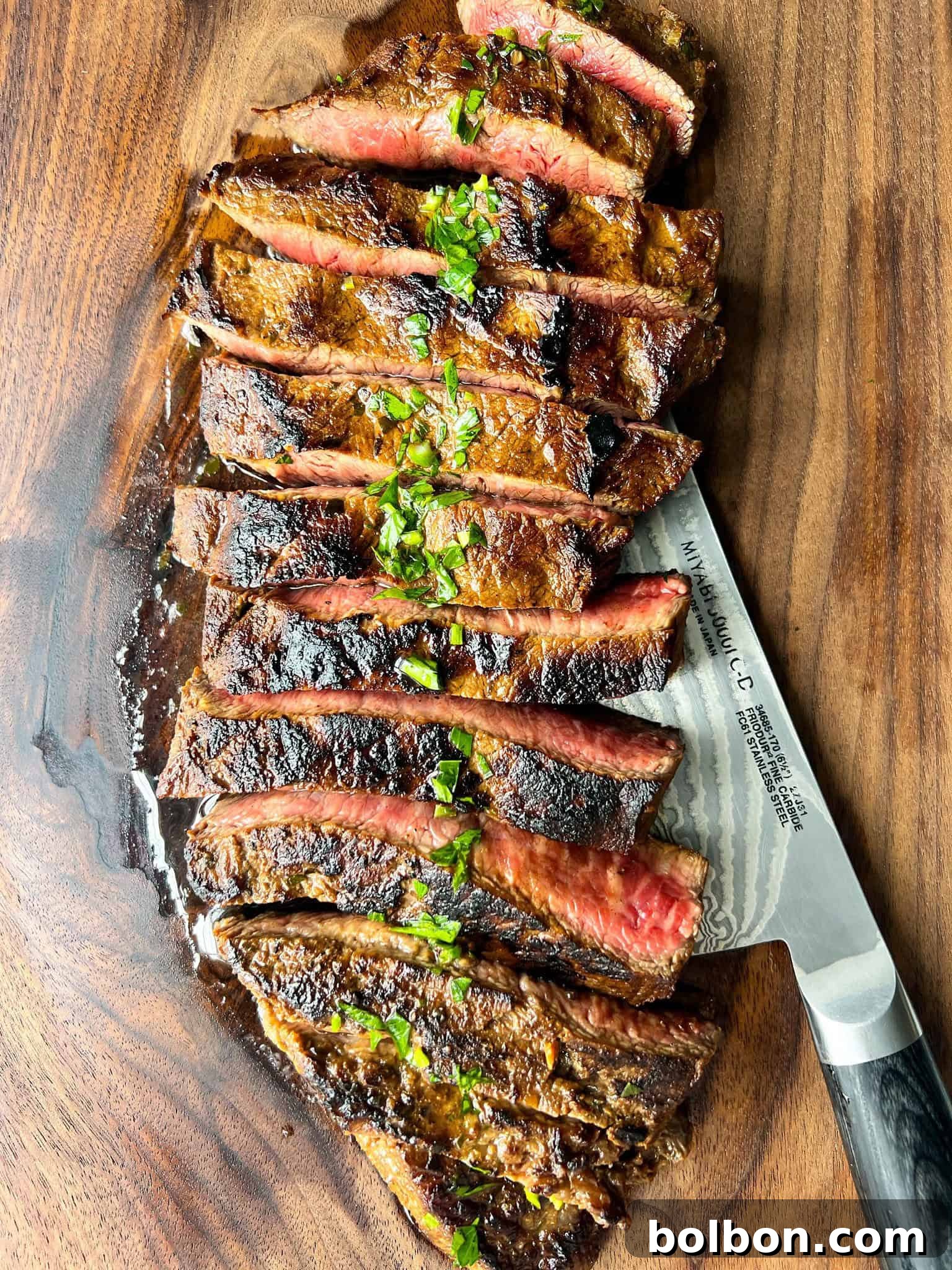
Mastering Flavorful Carne Asada: Your Ultimate Guide to a Tender, Juicy Grilled Steak
Dive into a culinary experience with our exceptional Carne Asada recipe, a dish that, while perhaps not strictly traditional in every sense, explodes with authentic Latin-inspired flavors! The term “Carne Asada” itself, deeply rooted in Latin American cuisine, elegantly translates to grilled meat. “Carne” meaning meat and “Asada” signifying grilled, this dish typically features beef, often flank, skirt, or flat iron steak, which undergoes a long, flavorful marination process. Once perfectly grilled, it’s served thinly sliced as a magnificent main course, or skillfully incorporated as a delectable filling for beloved dishes like hearty burritos and savory 🌮 tacos. Our rendition draws profound inspiration from the vibrant culinary traditions of Latin (Mexican) culture, delivering a taste experience that is both rich and memorable. And for those who, like me, find cilantro a bit too assertive, don’t hesitate to substitute it with fresh parsley 🌱 for a milder, equally fragrant touch.
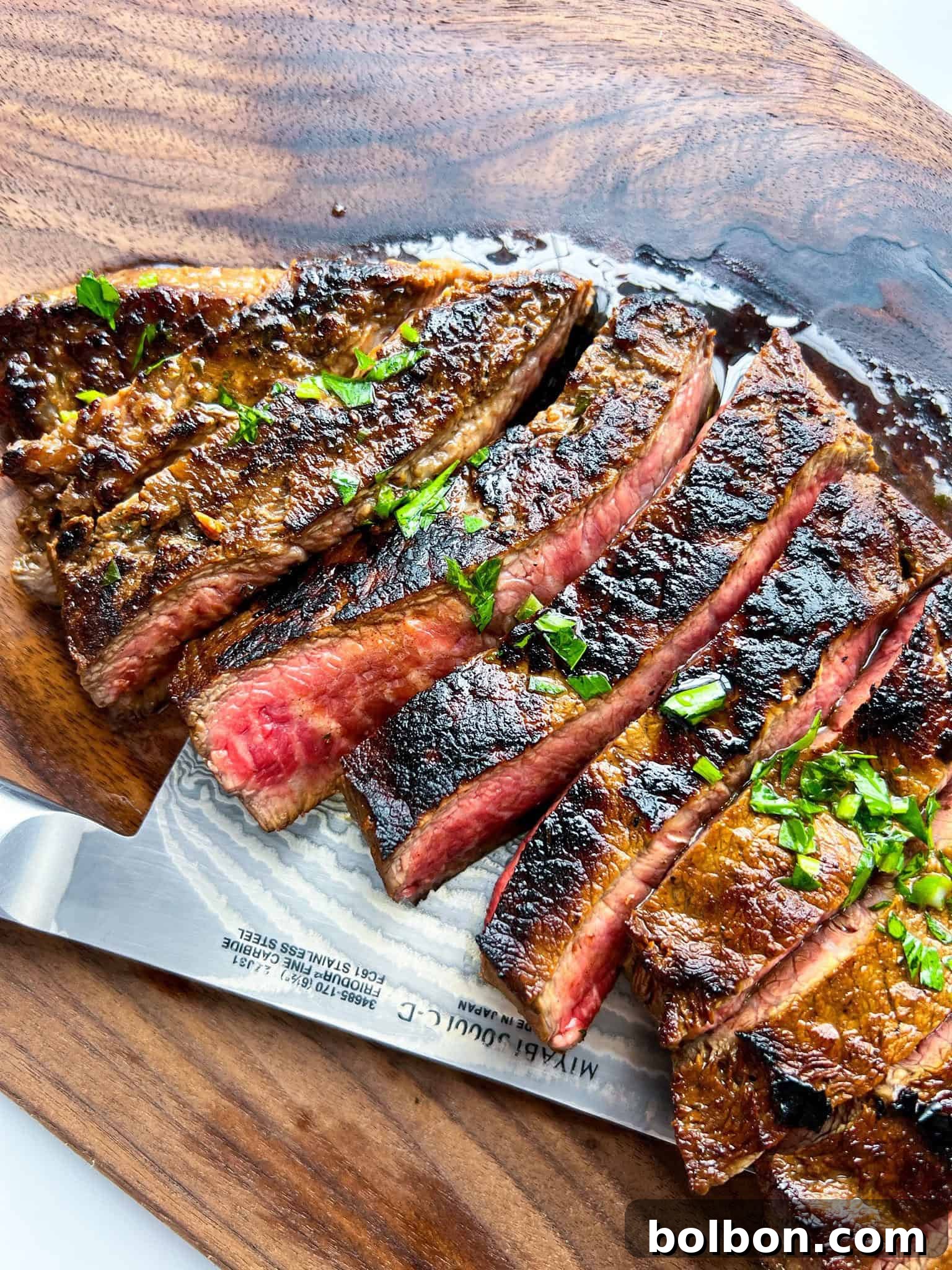
Why You’ll Fall in Love with This Carne Asada Recipe
Prepare your senses for an unforgettable adventure! This Carne Asada recipe is a true fiesta for the palate 🥳, delivering a symphony of smoky, savory, and incredibly juicy flavors. At its heart lies a vibrant marinade, masterfully crafted with bright notes of citrus, pungent garlic, and aromatic herbs. This magical concoction works wonders, transforming the steak 🥩 into a remarkably tender, melt-in-your-mouth experience. It forms the ideal foundation for building sensational tacos, hearty burritos, and flavorful bowls, but is equally delicious and satisfying when enjoyed simply on its own.
Embracing the essence of traditional Carne Asada means discovering one of life’s simple pleasures: pairing the succulent, thinly sliced steak with warm, soft grilled corn tortillas, crisp raw onions, a generous sprinkle of fresh cilantro (or parsley, if preferred), and a vibrant squeeze of tangy lime. Yet, the beauty of this dish lies in its adaptability. You have the creative freedom to elevate each bite by customizing it with a diverse array of toppings and salsas, truly making it your own culinary masterpiece! To ensure a consistently perfect result every single time, remember and adhere to the three cardinal rules of Carne Asada: commit to a long, thorough marination time, execute a quick, high-heat cooking process, and always slice the cooked steak against the grain. Follow these steps, and you simply can’t go wrong 🙌!
Crafting Your Perfect Carne Asada: A Step-by-Step Guide
Achieving a restaurant-quality Carne Asada at home is simpler than you might think. Follow these clear steps to infuse your steak with maximum flavor and tenderness.
Step 1: Prepare the Flavor-Packed Marinade
🥣 In a large, shallow dish, a spacious mixing bowl, or even a heavy-duty, large Ziploc bag, combine all the marinade ingredients. This includes fresh chopped cilantro (or parsley), your choice of high-quality oil, minced garlic, tangy orange juice, bright lemon juice, a pinch of savory salt, a dash of freshly ground pepper, umami-rich soy sauce (or tamari/coconut aminos for gluten-free options), and a touch of white vinegar. Whisk everything together thoroughly until well combined, creating a fragrant and potent liquid flavor bomb.
Step 2: Marinate for Maximum Tenderness
🥩 Once your marinade is ready, gently add the steak to the mixture. Ensure the meat is fully submerged and coated by the marinade. If the liquid doesn’t entirely cover the steak, simply turn it over halfway through the marinating process to ensure even flavor distribution. Cover the dish tightly with plastic wrap or a lid and place it in the refrigerator. For optimal tenderness and flavor penetration, allow the steak to marinate overnight. This extended time is crucial for the acids in the citrus and vinegar to break down the meat fibers, resulting in that desirable melt-in-your-mouth texture.
📝 Pro Tip: If you plan to use some of the marinade as a sauce or for basting during cooking, be sure to set aside a portion of it before adding the raw meat. Once the meat has been introduced, the marinade should not be reused for other purposes due to food safety considerations.
Step 3: Bring to Room Temperature
⏱️ The next day, approximately 30 to 60 minutes before you intend to cook, remove the marinated steak from the refrigerator. Allow it to rest at room temperature. This step is vital for ensuring the steak cooks evenly and prevents the exterior from overcooking while the interior remains cold. Once at room temperature, remove the steak from the marinade and discard any excess liquid. Pat the steak dry with paper towels; a dry surface helps achieve a superior sear.
Step 4: High-Heat Searing
📝 Cooking Method Choices: This versatile steak can be cooked to perfection on a heavy cast iron pan, a ridged grill pan, or directly on a hot BBQ grill. Each method imparts a unique flavor profile and crust.
🍳 For pan-searing, heat your cast iron pan over medium-high heat for several minutes until it is scorching hot. Once adequately heated, add enough avocado oil (or another high smoke point oil) to just thinly coat the bottom of the pan.
🥩 Carefully place your steak into the screaming hot pan. You should hear a satisfying sizzle immediately! Cook the steak for approximately 3 minutes on each side. The exact cooking time may vary based on the thickness of your steak and your desired doneness. For precision, use a meat thermometer; aim for an internal temperature of 135°F (57°C) for a perfect medium-rare, keeping in mind it will continue to cook while resting.
Step 5: The Crucial Resting Period
⏱️ Once cooked to your liking, immediately remove the steak from the pan and transfer it to a clean plate or a sturdy cutting board. Allow the steak to rest undisturbed for 5 to 7 minutes. This resting period is non-negotiable; it permits the juices, which have been drawn to the center of the steak during cooking, to redistribute throughout the meat, resulting in an incredibly juicy and tender final product.
Step 6: Slice and Serve
🔪 After resting, slice the steak thinly against the grain. This technique is paramount for achieving the most tender bite, as it shortens the muscle fibers, making the meat easier to chew. Serve your magnificent Carne Asada as the centerpiece of your meal, perhaps alongside mashed potatoes and roasted vegetables, or as the star in your favorite salad or tacos.
🧈 To further enhance the flavor, consider making a vibrant chimichurri sauce to drizzle over the top, or simply melt a sliver of herbed, salted butter on the warm steak slices for an extra layer of richness. For a beautiful presentation, a simple drizzle of high-quality olive oil infused with garlic and fresh herbs works wonders.
Nonna’s Essential Tip for Tender Steak 🥩
When it comes to carving your beautifully cooked meat, the golden rule is to always cut against the grain. It’s surprisingly easy to identify the grain; simply look closely at the meat, and you’ll see distinct lines running through it, indicating the direction of the muscle fibers. The key is to never cut parallel to these lines. Instead, always make your slices perpendicular to them. This simple yet crucial technique prevents the meat from becoming tough and chewy, ensuring every bite is wonderfully tender. While I personally enjoy a slightly thicker cut, I highly RECOMMEND slicing your steak into thin strips for the absolute best and most enjoyable results.
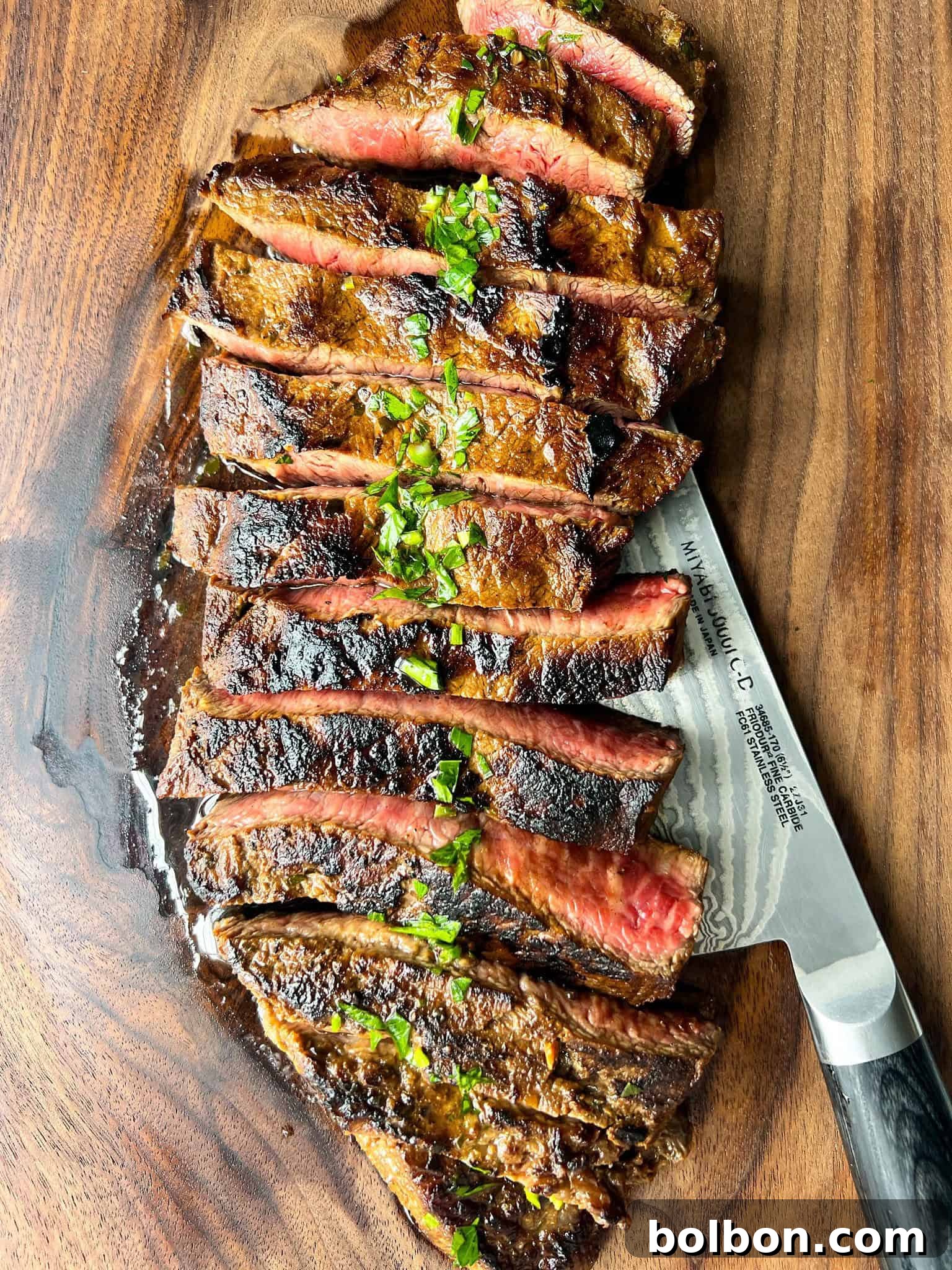
Elevate Your Carne Asada: Creative Variations and Smart Substitutions
One of the joys of cooking is the freedom to adapt and personalize recipes to your taste and what you have on hand. This Carne Asada recipe is incredibly forgiving and lends itself beautifully to various modifications. Here are some ideas to inspire you:
- Steak Cuts: While I opted for flat iron steak in this recipe due to its excellent balance of flavor and tenderness, both flank steak 🥩 and skirt steak are fantastic alternatives. Each cut offers a slightly different texture and marbling, but all three absorb marinades wonderfully and cook up beautifully for Carne Asada.
- Citrus Zest: The marinade thrives on bright acidity. When life gives you lemons, use them! Lemons 🍋 and limes are perfectly interchangeable here, and for an extra layer of complex flavor, you can even use a combination of both. Consider adding a bit of citrus zest for an even more aromatic boost.
- Cooking Oils: Avocado 🥑 oil is my go-to choice for high-heat cooking due to its impressive smoke point and neutral flavor, which allows the marinade to shine. However, feel free to substitute it with any other neutral oil you have readily available, such as canola, grapeseed, or sunflower oil.
- Herbal Freshness: Cilantro is a staple in traditional Carne Asada, offering a distinct, vibrant flavor. However, if it’s not to your liking, embrace your favorite 🌱 herbs! Fresh parsley is an excellent, widely accepted substitute, or for a more unique twist, try a hint of fresh tarragon or oregano.
- Cooking Surfaces: I achieved a beautiful sear by cooking this steak in a heavy cast iron pan, which excels at retaining and distributing heat evenly. But don’t limit yourself! A stainless steel pan can also deliver great results (check out our guide on “How To Make Stainless Steel Non-Stick” for tips!), or for that quintessential smoky char, fire up 🔥 the outdoor grill!
- Spice It Up: For those who love a bit of heat, consider adding a pinch of dried chili flakes, a dash of cayenne pepper, or a finely minced jalapeño to your marinade.
- Sweet & Savory Notes: A tablespoon of brown sugar or a drizzle of honey in the marinade can help with caramelization during searing and add a subtle sweetness that balances the savory and tangy flavors.
Explore More Culinary Delights: Similar Recipes You’ll Love
If you’ve enjoyed mastering this Carne Asada recipe, you might be keen to expand your grilling and cooking repertoire. Here are some other delectable recipes and handy cooking guides from our kitchen that share similar flavors or techniques:
How To Make Stainless Steel Non-Stick
Approx. 5 mins
Ribeye Steak Recipe
Approx. 16 mins
Chicken Fajita Salad
Approx. 40 mins
Mexican Hot Dogs
Approx. 20 mins
Unlock Perfect Carne Asada: Avoid These Common Mistakes for Culinary Success
Dreaming of creating tender, juicy, and incredibly flavorful Carne Asada? It’s entirely achievable with a few simple, yet critical, tips! Steer clear of these common pitfalls, and you’ll achieve perfect, mouthwatering results every single time. 🙌
- Cooking a Cold Steak 🥶: Attempting to cook a steak directly from the refrigerator can lead to drastically uneven heating. This often results in a frustrating scenario where the crust becomes overdone and tough, while the center remains raw and unappetizing. To ensure uniform cooking and a beautifully consistent texture from edge to edge, always pull your steak out of the fridge and allow it to sit at room temperature for a minimum of 30 to 60 minutes before placing it on the heat. This simple step makes a world of difference.
- Failing to Rest Your Steak 😴: It’s tempting to cut into that sizzling steak right off the heat, but patience is a virtue here! Immediately slicing into the meat allows all those precious, flavorful juices to escape onto your cutting board, leaving you with a drier, less tender steak. The secret to a truly juicy steak is to rest your steak for at least 5-10 minutes after cooking. This allows the muscle fibers to relax and reabsorb the juices, ensuring every bite is succulent. Additionally, this resting period enables residual heat to continue cooking the center, potentially raising the internal temperature by another 5-10 degrees.
- Cutting With the Grain 🔪: This is a definite culinary “no, no!” especially with cuts like flat iron, skirt, and flank steak, which tend to have longer, tougher muscle fibers. Cutting along the grain makes the fibers even longer, resulting in a chewy, less enjoyable texture. For the most tender bite, it is absolutely essential to cut against the grain. This technique shortens the muscle fibers, making the meat easier to chew and much more palatable.
- Insufficient Marination Time: Rushing the marination process (or skipping it altogether) is a sure recipe for a tough, uninspired steak. The marinade is not just for flavor; it’s a critical tenderizing agent. The acids in the citrus and vinegar, combined with enzymes (if present in ingredients like pineapple or papaya, though not in this recipe), work to break down the connective tissues and muscle fibers in the meat. To truly unlock the full potential of this recipe, make sure to give it the time it deserves and marinate overnight. Trust me, the extra time is unequivocally worth the wait for a steak that is both deeply flavorful and incredibly tender!
Perfect Pairings: How to Serve Your Carne Asada Recipe
Carne Asada is a versatile star, ready to be the highlight of many delicious meals. Here are some fantastic ways to serve your perfectly grilled steak:
- Classic Mexican Feast: Make this Carne Asada meal complete with a side of creamy, homemade 🥑 Guacamole and vibrant Mexican Street Corn (Elote) for an authentic and satisfying spread.
- Salad Sensation: Thinly slice this tender steak and add it as a protein-packed, flavorful topping to your favorite crisp salad 🥗. It pairs beautifully with a refreshing Wedge Salad or a classic Caesar Salad for a hearty and healthy meal.
- Grilled Vegetable Medley: Serve your Carne Asada alongside an assortment of your favorite grilled or roasted veggies. Perfectly charred Roasted Bell Peppers, zucchini, or asparagus make excellent companions.
- Unforgettable Steak Tacos: Transform your Carne Asada into irresistible steak tacos 🥩. Pile the succulent slices into warm tortillas and garnish generously with tangy Pickled Onions, crumbled Cojita cheese, a drizzle of crema, and a sprinkle of fresh cilantro for an explosion of flavors.
- Burrito or Bowl Base: Use the flavorful steak as the star ingredient in homemade burritos or nourishing grain bowls. Combine with rice, beans, salsa, avocado, and your favorite toppings for a customizable and filling meal.
- Empanada Filling: Chop the cooled Carne Asada into smaller pieces and mix with sautéed onions and bell peppers for a delicious empanada or quesadilla filling.
Frequently Asked Questions About Carne Asada
Absolutely! A meat thermometer is truly your secret weapon to consistently cooking steak like a seasoned chef! It eliminates all the guesswork, empowering you to achieve that perfect doneness every single time, whether you prefer rare or medium-well. Trust me, this often underrated little tool will elevate your steak game to a whole new level of precision and deliciousness!
Yes, you certainly can, though a high-quality cast iron skillet is often recommended because it retains heat exceptionally well and helps create a superior, deeply caramelized crust. If you’re using a stainless steel pan, ensure it’s properly preheated before adding the steak to mimic the heat retention of cast iron. For tips on achieving excellent results with stainless steel, check out How To Make Stainless Steel Non-Stick! Alternatively, you can always fire up your outdoor grill for a classic smoky flavor!
The ideal internal temperature for steak depends entirely on your preferred level of doneness. Here’s a quick guide:
Rare: 120-125°F (49-52°C)
Medium-Rare: 125-130°F (52-54°C)
Medium: 135-145°F (57-63°C)
Medium-Well: 145-155°F (63-68°C)
Well Done: 160°F+ (71°C+)
Remember that the steak’s temperature will typically rise by 5-10°F while it rests after cooking (this is called carryover cooking). So, for a perfect medium-rare, you should remove the steak from the heat when it reaches about 125°F (52°C).
For searing steak, it’s crucial to use an oil with a high smoke point. This prevents the oil from burning and imparting an unpleasant taste to your meat. Excellent choices include avocado oil, canola oil, grapeseed oil, or standard vegetable oil. These oils can withstand the high heat necessary to achieve a beautiful, flavorful crust on your steak.
Absolutely! For a delectable grilled version of this Carne Asada, preheat your grill to high heat. Sear the steak directly over the flames for approximately 2 minutes per side to achieve a beautiful char and crust. After searing, lower the heat (or move to a cooler part of the grill) and continue cooking to your desired doneness, basting occasionally with butter or any remaining safe marinade for extra flavor and moisture.
For the best flavor and tenderness, we recommend marinating your Carne Asada for at least 4 hours, and ideally overnight (8-12 hours). While it can marinate for up to 24 hours, excessively long marination with high-acid marinades can sometimes start to “cook” the meat, altering its texture. Stick to overnight for optimal results.
Yes, you can! Marinating and freezing steak simultaneously is a great time-saving hack. Place the steak and the marinade in a freezer-safe bag, ensuring all air is squeezed out, then freeze for up to 3 months. When ready to cook, thaw the steak in the refrigerator, allowing it to continue marinating as it thaws for even more flavor.
The Best Carne Asada Recipe
Carne asada refers to steak that has been deeply marinated for a prolonged period, then expertly grilled or seared. It’s typically served sliced in thin strips as a delicious main course or as a flavorful filling for popular dishes like burritos, tacos, and more.
Rated 4.67 out of 5 stars by 3 users.
Equipment You’ll Need
- Meat Thermometer
- Measuring Cups + Spoons
- Cutting Board
- Mixing Bowls
- Cast Iron Pan (or grill/grill pan)
- Chef’s Knife
- Redmond Real Salt
Ingredients for Carne Asada
- 16 ounce flat-iron steak (flank or skirt steak also work well)
- 1 handful chopped fresh cilantro (or parsley, if preferred)
- ¼ cup avocado oil (or any neutral high-heat oil)
- 5 cloves garlic, minced
- ½ cup orange juice (freshly squeezed for best flavor)
- 1 lemon, juiced (or two limes for extra tang)
- ½ teaspoon salt
- Pepper, to taste
- 2 tablespoons soy sauce (or tamari, or coconut aminos for gluten-free)
- ½ tablespoon white vinegar
- Additional avocado oil, for frying/searing
Detailed Instructions
- To prepare the marinade, combine the cilantro (or parsley), oil, minced garlic, orange juice, lemon juice, salt, pepper, soy sauce, and white vinegar in a large shallow dish, a mixing bowl, or a large resealable bag.
- Mix the marinade thoroughly, then add the steak. Ensure the steak is fully coated. Cover the dish with plastic wrap or a lid and refrigerate to marinate overnight (for at least 8 hours). If the marinade does not completely cover the meat, turn the steak over halfway through the marinating time.
- Important Note: If you wish to reserve some marinade for basting or as a serving sauce, do so before adding the raw meat. Do not reuse marinade that has come into contact with raw meat.
- The next day, remove the marinated steak from the fridge and let it come to room temperature for 30 to 60 minutes. Discard any remaining excess marinade from the dish.
- Cooking Options: You can cook this steak on a cast iron pan, a grill pan, or directly on an outdoor BBQ grill.
- For pan-searing, heat your cast iron pan (or preferred cooking surface) over medium-high heat for several minutes until it is very hot. Add enough avocado oil to lightly cover the bottom of the pan.
- Place the steak into the hot pan (listen for a strong sizzle!) and cook for approximately 3 minutes per side. For precise doneness, use a meat thermometer; aim for 135°F (57°C) for medium-rare.
- Once cooked, remove the steak from the pan and transfer it to a plate or clean cutting board. Let it rest for 5 to 7 minutes. This crucial step allows the juices to redistribute, ensuring a tender and moist steak.
- After resting, slice the steak thinly against the grain for the most tender results. Enjoy your Carne Asada as is, with a side of mashed potatoes and veggies, or incorporate it into salads or tacos.
- For an extra flourish, consider making a fresh chimichurri sauce to spoon over the steak, or simply top it with a sliver of herbed, salted butter to melt. For presentation, I often drizzle a mixture of olive oil, garlic, and fresh herbs.
Chef’s Notes & Pro Tips
- Herbs: While cilantro is traditional, feel free to use your preferred fresh herbs like parsley or tarragon, or omit them entirely if you wish.
- Marinating Time: For maximum flavor infusion and tenderness, ensure the steak marinates for at least 4 hours, and ideally overnight (8-12 hours).
- Cooking for Tenderness: Cuts like flat iron steak achieve their best tenderness when cooked to medium-rare. While I recommend 3 minutes per side, adjust cooking time based on your specific stove, pan, and steak thickness.
- Slicing Technique: Always slice this type of steak thinly against the grain. Observe the visible muscle fibers (lines) in the cooked steak and cut perpendicular to them. This ensures each bite is tender, not chewy.
- Resting Period: Do not skip resting the meat on a board or plate for 5 to 7 minutes. This step is crucial for allowing the juices to redistribute, resulting in a significantly juicier and more flavorful steak.
- Internal Temperature: Use a reliable meat thermometer to ensure perfect doneness. For medium-rare, aim for an internal temperature of 130-135°F (54-57°C) when you remove it from the heat.
Nutritional Information (Approximate)
Calories: 706 kcal, Carbohydrates: 15g, Protein: 46g, Fat: 51g, Saturated Fat: 12g, Polyunsaturated Fat: 5g, Monounsaturated Fat: 29g, Trans Fat: 1g, Cholesterol: 150mg, Sodium: 1758mg, Potassium: 968mg, Fiber: 2g, Sugar: 7g, Vitamin A: 137 IU, Vitamin C: 62mg, Calcium: 52mg, Iron: 6mg
Nutrition information is automatically calculated and should only be used as an approximation.