
In the culinary world, where convenience and efficiency are highly prized, finding smart kitchen hacks can truly transform your cooking experience. I’m always searching for clever shortcuts and techniques that simplify meal preparation, allowing me to enjoy the process more and achieve consistently excellent results. One area that has historically caused considerable frustration for home cooks everywhere is the seemingly simple task of peeling hard-boiled eggs.
Enter the viral kitchen sensation that promises to revolutionize how you peel hard-boiled eggs. Forget about painstaking picking, fragmented shells, and damaged egg whites. This ingenious method leverages the power of ice-cold water and a sealed glass container (such as Tupperware) to achieve perfectly peeled eggs with astonishing ease. The shell practically glides off, leaving you with smooth, unblemished eggs every single time – a hack so effective it feels like magic.
Why This Game-Changing Egg Peeling Hack Will Transform Your Kitchen Experience
The universal struggle of peeling hard-boiled eggs is real. Who hasn’t experienced the sheer annoyance of watching stubborn shell fragments cling desperately to the delicate egg white, tearing away precious pieces and ruining the egg’s pristine appearance? This common kitchen dilemma often leads to wasted food, exasperation, and extra time spent meticulously picking at minuscule bits of shell.
This effortless and highly effective hack is designed to eliminate all those frustrations. By applying a simple scientific principle combined with a clever technique, it ensures your hard-boiled eggs emerge not only perfectly cooked but also impeccably peeled. Say goodbye to unsightly shell splinters, frustrating peeling sessions, and the wasteful discarding of torn egg whites. This method guarantees a flawless result, making your meal prep smoother, more enjoyable, and significantly more efficient. Whether you’re preparing a quick snack, a family meal, or a large batch for a gathering, this hack will save you time, reduce stress, and consistently deliver beautifully peeled eggs.
Mastering the Art of Perfect Peeling: A Step-by-Step Guide
Achieving perfectly peeled hard-boiled eggs is simpler than you might imagine with this method. Follow these detailed steps to ensure success every time.
Step 1: Preparing Your Pot for Boiling
🚰 Begin by placing a medium-sized pot on your stove over medium heat. Add enough water to generously cover your eggs. The key here is to bring the water to a low, gentle rolling boil, where bubbles are consistently forming but not vigorously erupting. A rapid, turbulent boil can cause eggs to crack prematurely and cook unevenly. A steady, gentle boil ensures a more controlled cooking environment, which is the foundation for a perfectly cooked hard-boiled egg ready for peeling.
Step 2: The Subtle Crack and Gentle Submersion
🥚 Before adding your egg to the boiling water, perform a gentle but crucial step: lightly crack the “bum” or broader end of the egg on a hard, flat surface. The goal is to create a tiny hairline fracture without breaking the membrane or allowing any egg white to leak out. This subtle crack helps create a small air pocket and allows a tiny amount of water to seep between the shell and the egg during cooking, which is believed to aid in easier peeling later. Once cracked, use a slotted spoon to gently lower the egg into the boiling water. This prevents the egg from cracking further due to impact and ensures a safe transfer.
Step 3: Precision Boiling for Ideal Hard-Boiled Eggs
Maintain the water at a medium-low heat to sustain a gentle boil. Continue to boil the egg for approximately 8-10 minutes. This timeframe is generally ideal for achieving a firm, fully cooked hard-boiled egg with a solid, non-rubbery yolk. The exact boiling time can vary slightly based on egg size (larger eggs may need an extra minute) and altitude. Consistency in boiling time is essential for the best peeling results, as undercooked eggs can be harder to peel.
Step 4: The Crucial Ice Bath Shock
🧊 While your egg is boiling, prepare your ice bath. Take a durable glass container – a Tupperware dish is perfect – and fill it with ice-cold water. I recommend using water straight from the tap and then adding several ice cubes to make it truly freezing cold. The colder the water, the more effective this step will be. As soon as the egg has finished boiling, carefully transfer it directly from the hot water into this prepared ice bath. The sudden thermal shock causes the egg white to contract rapidly, separating it from the shell membrane, which is the secret to easy peeling.
Step 5: The Tupperware Shake Method for Seamless Peeling
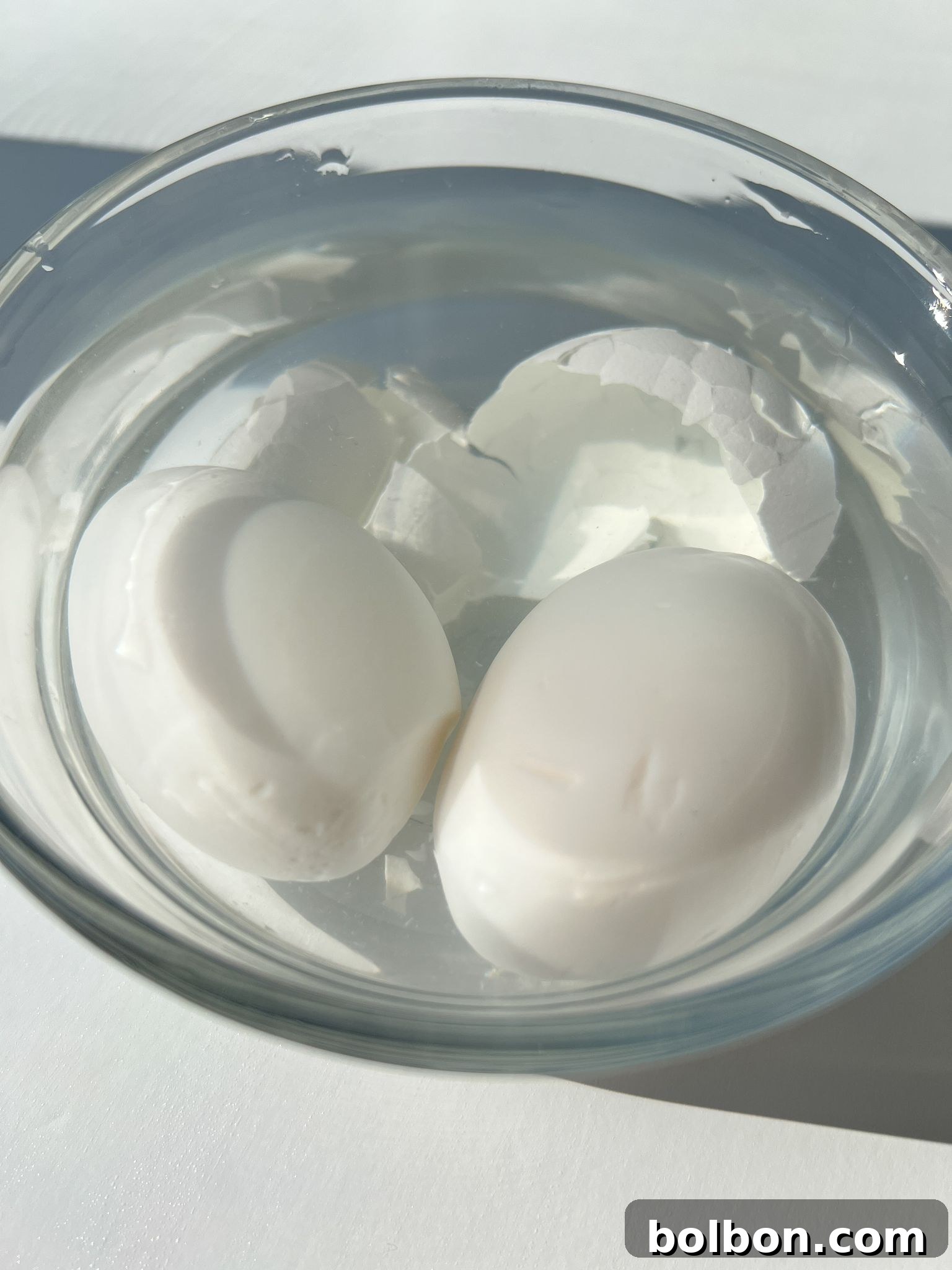
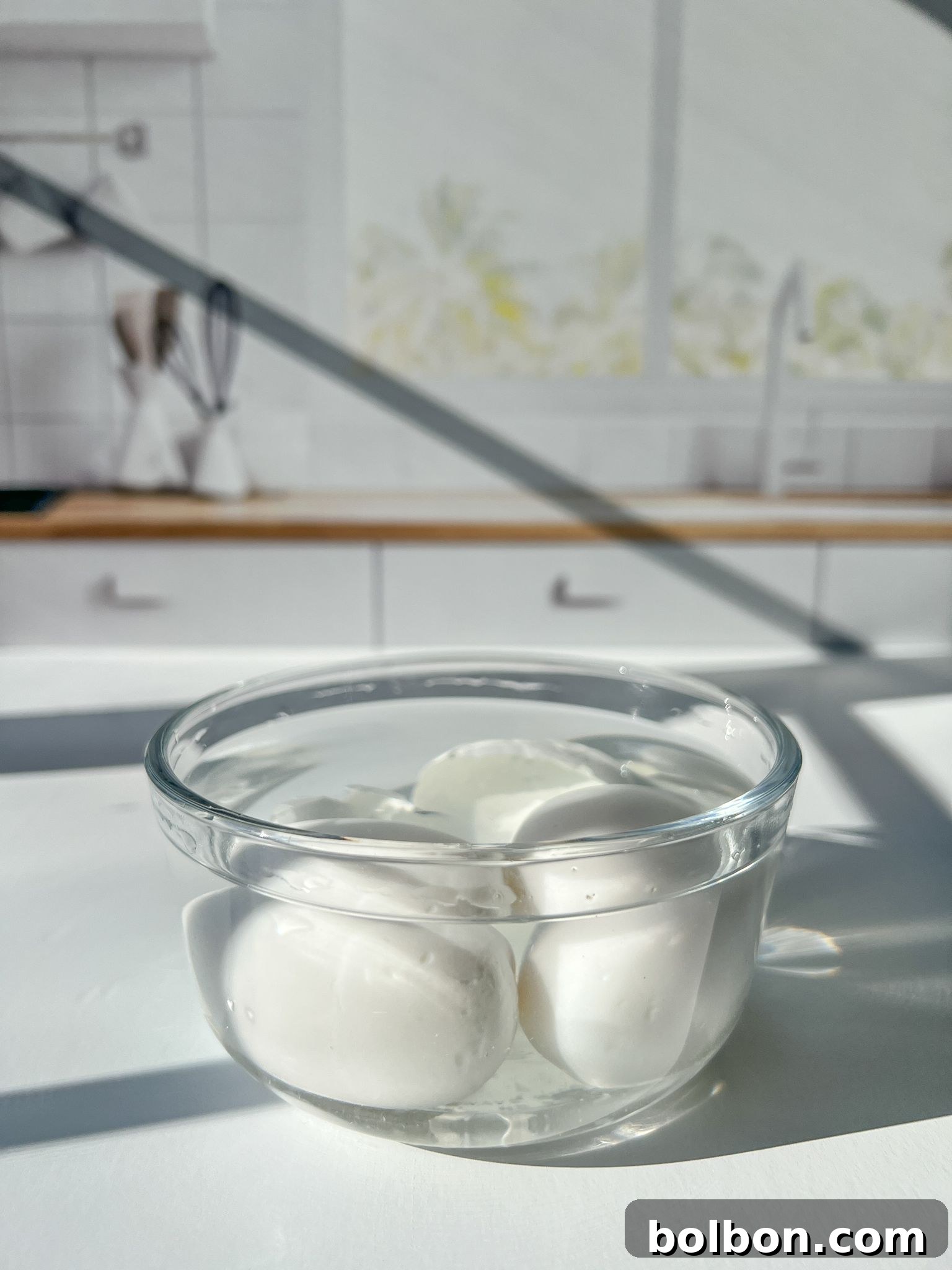
Once the hot egg is submerged in the ice water within the glass Tupperware, securely fasten the lid. Now, the magic happens: vigorously shake the container for about 10-20 seconds. The agitation and the cold water work in tandem to crack the shell all over and loosen its grip on the egg. You should hear the egg rattling around and feel the shell fragments detaching. After a good shake, open the lid, and you’ll find your perfectly peeled hard-boiled egg (or eggs) nestled in the water, with the shells gracefully floating around. It’s a simple yet incredibly effective method that yields consistently pristine results!
Pro Tips and Expert Advice for Flawless Egg Peeling
Nonna’s Tip 🥚
For optimal results, especially when first trying this hack, I prefer to add one egg at a time to the Tupperware for shaking. This ensures each egg gets ample agitation for a clean peel. However, if your glass Tupperware container is larger and has sufficient space for eggs to move freely, feel free to add multiple eggs simultaneously. Always ensure there’s enough room for the eggs to collide gently with each other and the container walls, as this helps break the shell more effectively. Regardless of how many eggs you’re peeling, remember to gently crack the blunt end of each egg before boiling to prevent leakage and facilitate the peeling process.
Beyond Nonna’s golden rule, here are a few more tips to ensure your egg peeling experience is always a success:
- **Use Slightly Older Eggs:** While not strictly necessary for this hack, eggs that are a few days old tend to peel more easily than very fresh eggs. The air cell inside older eggs expands slightly, which helps separate the membrane from the egg white.
- **Don’t Overcrowd the Pot:** When boiling, avoid adding too many eggs to a small pot. Overcrowding can lead to uneven cooking and increase the likelihood of eggs cracking due to bumping into each other.
- **The Science of the Shock:** The rapid temperature change from boiling water to ice-cold water is critical. This thermal shock causes the proteins in the egg white to contract quickly, creating a gap between the egg and the inner membrane, making the shell incredibly easy to remove.
- **Shake with Confidence:** Don’t be shy with your shaking! A vigorous shake is what helps the shell break into many small pieces and detaches them from the egg surface. Listen for the sound of the shells rattling and breaking – that’s your cue that it’s working.
- **Reuse the Ice Water:** You can absolutely reuse the ice water for multiple batches of eggs. Just make sure to monitor its temperature. If the water starts to warm up significantly after a few eggs, simply add a few more ice cubes to maintain that crucial ice-cold temperature for effective peeling.
- **Storage:** Once peeled, hard-boiled eggs can be stored in an airtight container in the refrigerator for up to a week. Keeping them submerged in a little water can help maintain their moisture and freshness.
Elevate Your Meals: Delicious Ways to Enjoy Your Perfectly Peeled Eggs
Once you’ve mastered the art of peeling hard-boiled eggs effortlessly, a world of culinary possibilities opens up. These protein-packed wonders are incredibly versatile and can enhance a multitude of dishes:
- Adult Lunchable: Add your perfectly boiled egg to my Adult Lunchable for a convenient, healthy, and delicious source of protein that keeps you fueled throughout the day.
- Ramen Noodle Soup: Elevate a simple bowl of Ramen Noodle Soup by topping it with a perfectly cooked and beautifully sliced hard-boiled egg. Its creamy yolk adds richness and a satisfying texture.
- Classic Pastina: Introduce a delightful twist to my classic Pastina recipe with the addition of a finely sliced hard-boiled egg. It provides a subtle savory note and extra protein, making it more substantial.
- Egg Salad Cucumber Boats: Utilize these impeccably peeled eggs to create my light and refreshing Egg Salad Cucumber Boats. The firm egg whites are ideal for chopping into a creamy salad.
- Low-Carb Egg Sandwiches: For a fantastic low-carb lunch option, substitute bread with crisp lettuce wraps or bell pepper halves and fill them with my Egg Sandwiches filling, using your perfectly boiled eggs as the star.
- Impressive Deviled Eggs: Planning to host? These cute and easy Deviled Eggs are always a crowd-pleaser. Starting with perfectly peeled halves makes the preparation a breeze.
- Any Salad Creation: Hard-boiled eggs are a natural fit for almost any salad. Add them on top of any of my vibrant Salads to boost protein content, add creamy texture, and make your greens more satisfying.
Discover More Kitchen Wisdom and Culinary Hacks
Over Medium Eggs
5 mins
Homemade Mayo
5 mins
How to Cut Deviled Eggs
15 mins
How to Poach Eggs
6 mins
Frequently Asked Questions About This Egg Peeling Method
Yes, ice-cold water is absolutely crucial for the success of this egg peeling hack. The rapid and significant temperature change from boiling hot to icy cold is what causes the egg white to contract quickly, helping to separate it cleanly from the shell membrane. I recommend using the coldest tap water you can get and then adding several ice cubes to make it as frigid as possible. While water directly from your fridge is a good start, ensuring it’s truly ice-cold with added ice will yield the best and most consistent results.
The type of container does matter, and a sturdy glass Tupperware or similar glass food storage container is strongly preferred. Glass can withstand the sudden temperature changes from hot eggs to ice-cold water without cracking or warping, unlike some plastic containers. Its rigid structure also allows for more effective agitation when shaking the eggs. I specifically used Pyrex Glass Tupperware, which you can find linked HERE, due to its durability and reliability.
This particular hack was specifically developed and optimized for peeling hard-boiled eggs. Soft-boiled eggs have a much more delicate and runny yolk and a softer white, meaning their internal structure is not as firm. The vigorous shaking process in ice water, which is key to detaching the shell from hard-boiled eggs, would very likely compromise the delicate texture and runny yolk of a soft-boiled egg, potentially causing it to break apart. For soft-boiled eggs, traditional gentle peeling methods are generally recommended.
For best results, especially when you’re first getting the hang of this hack, I suggest starting with one egg at a time. This ensures maximum contact and agitation within the container. However, if you are using a larger glass Tupperware dish that provides ample space for multiple eggs to move and collide gently, then yes, feel free to add several eggs at once. Just ensure the container isn’t overly packed, as eggs need room to tumble and effectively crack their shells during shaking.
Absolutely, you can certainly reuse the same ice water for several batches of hard-boiled eggs. The crucial factor is that the water remains ice-cold to maintain its effectiveness. As you add more hot eggs, the water will gradually warm up. Therefore, if you notice the water’s temperature increasing, simply add a few more ice cubes to bring it back down to its optimal, frigid state before adding the next batch. This ensures consistent, easy peeling every time.
Boiled Egg Peel Hack
4.80 from 5 votes
Facebook Share
Rate Recipe
Print Recipe
Video
A video tutorial for this Boiled Egg Peel Hack can be found on our platform. Search for “Boiled Egg Peel Hack” to watch the step-by-step process in action!
Equipment
Ingredients
- 1 egg
Instructions
-
Boil water on the stove on medium heat. It should be a low rolling boil, not vigorously boiling.
-
Gently crack the blunt end of the egg on a hard surface, making sure it doesn’t leak out.
-
Gently add the egg into the boiling water with a slotted spoon.
-
Boil the egg on medium-low heat for 8-10 minutes.
-
Take a glass Tupperware container and add ice water to it. Add freezing cold water with a few ice cubes.
-
When the egg has boiled, place it in the ice water, secure the Tupperware with a lid and vigorously shake until the whole peel comes off.
Additional Info
💡