
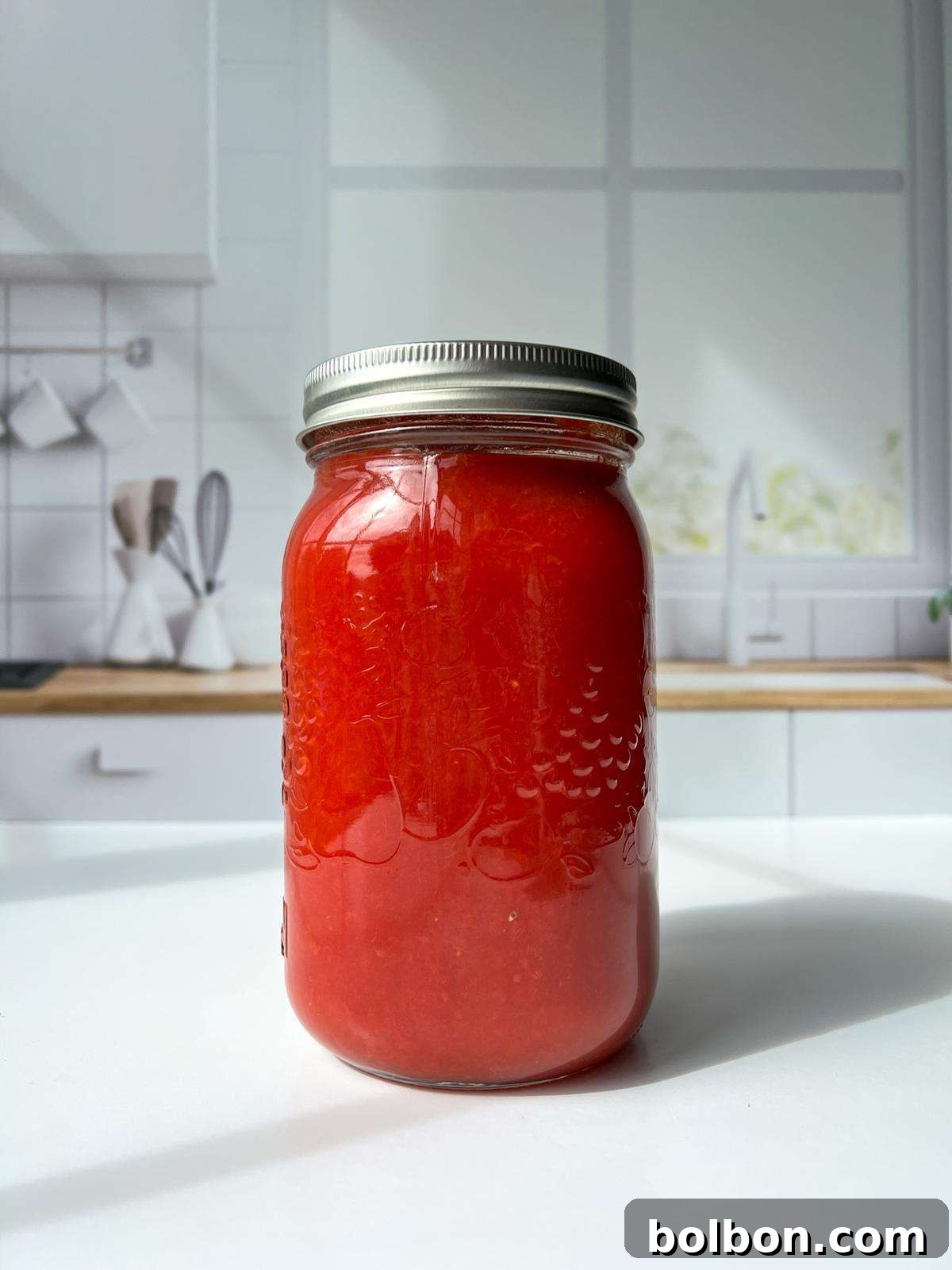
The annual Italian Tomato Sauce Day, affectionately known as “Sugo Day,” stands as a cornerstone of culinary heritage and family tradition within countless Italian households. For my family, this day transcends mere food preparation; it’s a sacred ritual, a vibrant celebration of legacy passed down through generations. The act of gathering to transform the summer’s bounty into a year-long supply of rich, homemade tomato sauce is a tradition I cherish deeply. This particular recipe for 🇮🇹 Italian Tomato Sauce has been a beloved staple in Steve’s family for decades, originating from Cardinale, Calabria. Even his uncle, Zio Iginio, from Trento, Italy, meticulously prepared his sauce using these exact methods, underscoring the enduring authenticity of this practice across different regions of Italy.
Traditions, in general, hold immense significance for me. In my Bulgarian heritage, preserving and canning food has been a way of life for as long as I can remember, though often without the modern machinery. I understand that every family and region boasts its unique approach to crafting this essential sauce. I invite you to share your own cherished methods and invaluable tips in the comments section below – let’s learn from each other! The sauce we create on this special day is the very foundation of nearly every dish I prepare, and it has consistently been the most requested tutorial over the years. Its flavor is truly unparalleled, earning it the apt description of “liquid gold.”
Why You’ll Fall in Love with Authentic Homemade Italian Tomato Sauce
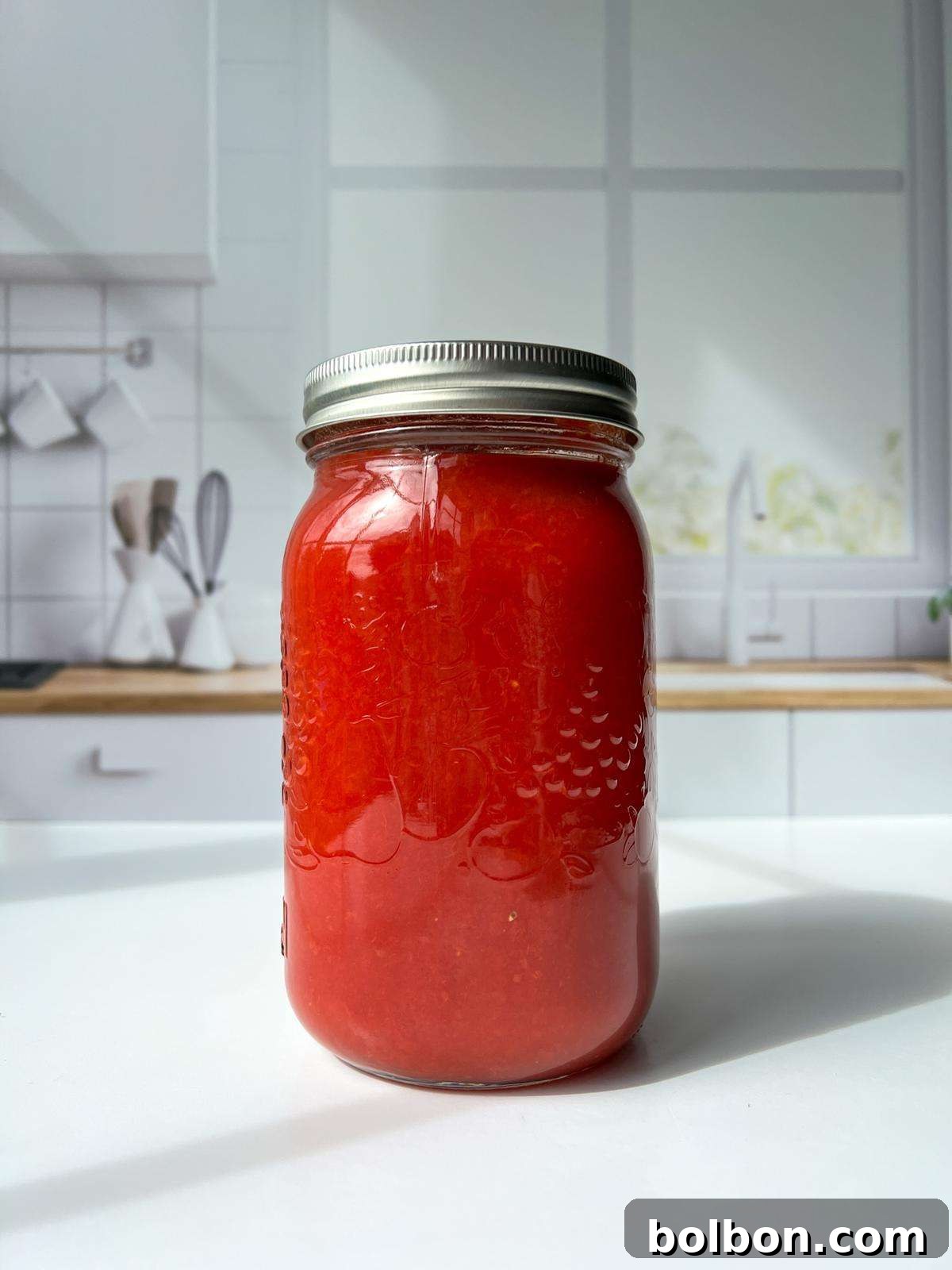
There’s an undeniable magic surrounding the preparation of this Authentic Italian Tomato Sauce that elevates it far beyond a simple mixture of 🍅 tomatoes. It embodies the essence of cherished family traditions, the joy of collective effort, and the art of preserving the peak flavors of late summer tomatoes for enjoyment throughout the entire year. The outcome speaks for itself: an incomparably fresh, vibrant, and intensely flavorful sauce that store-bought alternatives simply cannot match. This isn’t just a sauce; it’s a versatile culinary masterpiece, an incredible base for hearty soups, comforting stews, and the cornerstone of classic Italian pasta dishes, whether served with succulent meatballs, tender ribs, crispy cutlets, or a myriad of other beloved recipes. By preparing large batches of this foundational sauce, you guarantee a consistent infusion of authentic Italian flavor into your favorite meals, making every dish sing with the taste of summer harvest, all year long. Imagine the depth it adds to a simple weeknight pasta or the richness it brings to an elaborate Sunday feast. This homemade sugo truly transforms ordinary ingredients into extraordinary dining experiences, offering both convenience and superior taste.
Crafting Your Homemade Italian Tomato Sauce: A Step-by-Step Guide
Embarking on the journey of making your own homemade Italian tomato sauce, or passata, is a rewarding experience. It connects you to a timeless tradition and provides you with the freshest, most flavorful base for countless dishes. Here’s how we prepare our family’s treasured sugo:
1. Tomato Selection and Preparation
- Source Quality Tomatoes: The foundation of exceptional sauce lies in the tomatoes. We begin by acquiring several bushels of ripe, vibrant tomatoes, preferably Roma or San Marzano varieties, known for their low water content and rich flavor, perfect for sauce.
- Initial Cleaning: Carefully inspect each tomato. Using a sharp paring knife, remove the green stem and meticulously cut away any blemishes, soft spots, or damaged areas to ensure only the best parts make it into your sauce.
- Thorough Washing: Place the prepared tomatoes into large basins filled with clean, cold water and wash them thoroughly to remove any dirt or residue.
2. Boiling the Tomatoes
- Set Up Your Cooking Station: Connect your propane tank to a robust gas burner and light it. Position a very large stockpot, filled with water, securely on top of the burner. The size of the pot is crucial for processing large quantities efficiently.
- Boil to Perfection: Bring the water in the pot to a rolling boil. Once boiling vigorously, carefully add the cleaned tomatoes. Allow them to boil for approximately 15 minutes, or until their skins begin to loosen and peel away easily, and the tomatoes themselves feel soft to the touch. This step is essential for softening the fruit and making the skin removal process effortless.
- Drain and Cool: Using a large metal strainer or a slotted spoon, carefully remove the boiled tomatoes from the hot water. Transfer them to a basket or colander with sufficient holes to allow excess water to drain completely.
3. Processing the Sauce
- Prepare the Squeezer Machine: While the tomatoes are draining, set up your electric tomato squeezer machine. Ensure two clean buckets are positioned: one to collect the precious tomato sauce and another to catch the discarded peels and seeds.
- Extracting the Sauce: Feed the boiled tomatoes into the top funnel of the machine. Use a tamper to gently but firmly press them down. The machine efficiently separates the pulp from the skins and seeds: the smooth, vibrant sauce will emerge from the main spout, while the fibrous waste exits from a separate side chute.
- Second Pass for Maximum Yield: Once all the initial tomatoes have been processed, take the bucket containing the peels and seeds and run them through the machine a second time. This maximizes the extraction of any remaining pulp, ensuring you get the most out of your harvest. Some families even do a third pass for a very thick sauce.
- Seasoning the Sauce: With your fresh sauce collected in large pails, you can now add salt to taste. We prefer to season ours lightly at this stage, but many families choose to leave it plain, adding salt and other spices later when cooking with the sauce. Always taste and adjust gradually.
Nonna’s Essential Canning Tip 🍅
After the crucial boiling of the filled jars, listen intently. The distinctive “POP” sound you await is the tell-tale sign that your lids have successfully created a proper, airtight seal, essential for safe and long-term preservation.
Mastering the Art of Jarring Your Homemade Tomato Sauce
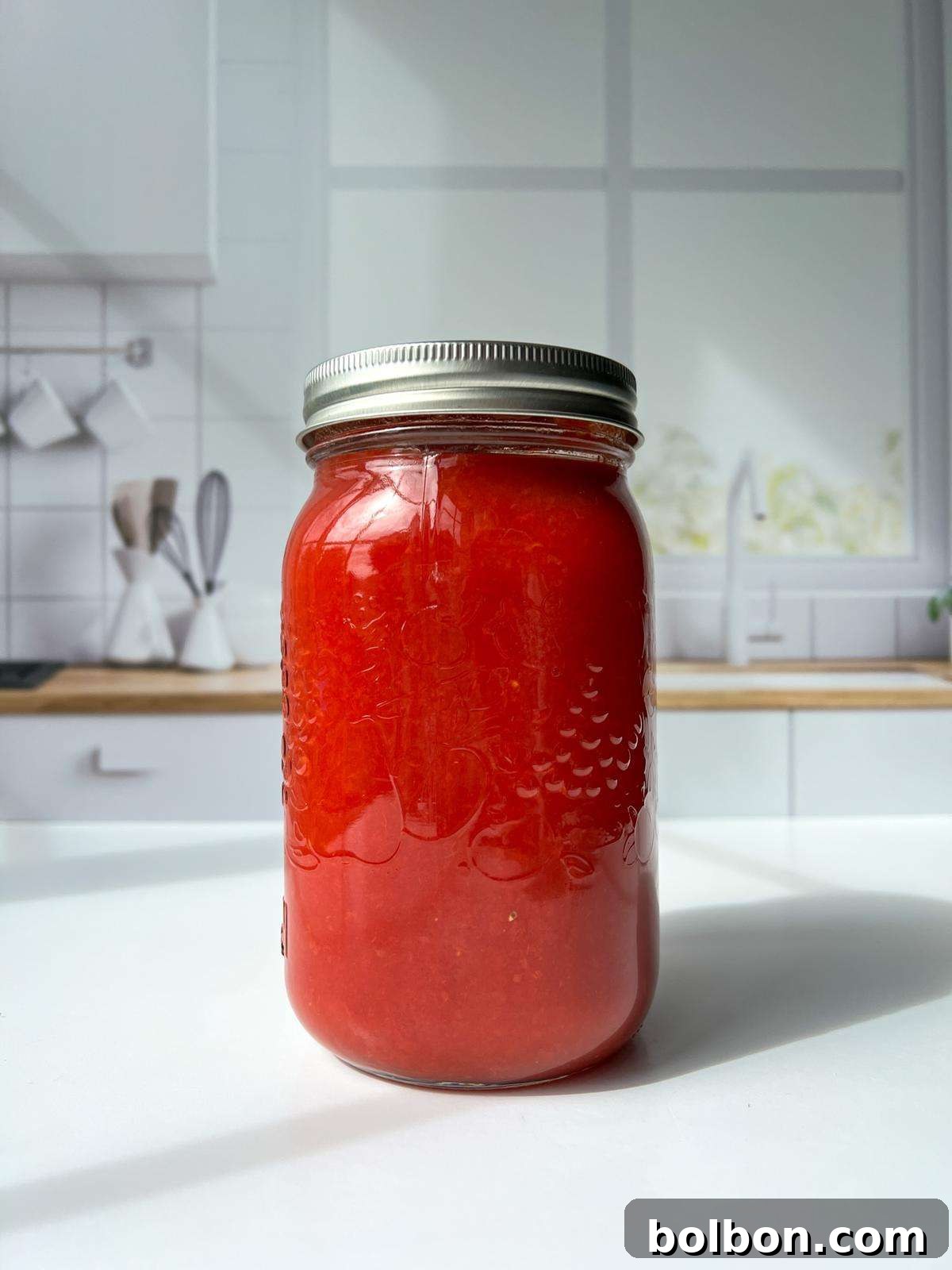
Properly jarring your fresh homemade Italian tomato sauce is the final, crucial step in ensuring its longevity and safety. This traditional method, known as water bath canning, seals the sauce for months, even years, without refrigeration.
1. Preparing Jars and Basil
- Basil Infusion: Begin by washing and thoroughly drying fresh basil leaves. A salad spinner is perfect for this. Add a small handful of these aromatic leaves to the bottom of each clean mason jar. The basil not only adds a lovely flavor but also helps prevent air pockets in the sauce.
- Filling the Jars: Place a canning funnel securely on top of a mason jar. Using a small pot or ladle, carefully scoop the freshly made tomato sauce into the funnel, filling each jar right to the rim. Filling to the rim is important to minimize air inside the jar once sealed.
- Cleaning and Sealing: Use a clean paper towel to meticulously wipe the rim of each jar, ensuring there is no sauce residue. This clean surface is vital for creating a proper seal. Immediately place a new lid on top and tighten the ring firmly, but not excessively.
2. Water Bath Canning Process
- Prepare the Canning Pot: Discard the water used for boiling the tomatoes. Refill your large stockpot with fresh, clean water. For added safety and to prevent jars from rattling and potentially breaking during boiling, place a thick cloth, dish towel, or canning rack at the bottom of the pot. Bring this water to a full, rolling boil.
- Submerge and Process: Once the water is boiling, carefully lower the sealed jars into the hot water. Use heatproof gloves or a specialized canning jar lifter for safety. Ensure the jars are fully submerged, with at least an inch or two of water covering their tops.
- Boiling Time: Allow the jars to boil continuously for approximately 30 minutes. This sustained heat processing is crucial for sterilizing the contents and creating a vacuum seal.
3. Cooling and Storage
- Remove and Invert: After 30 minutes, carefully remove the hot jars from the boiling water. Place them lid-side down onto a thick blanket or several layers of towels laid out on a flat, stable surface. This inversion helps ensure the lids are properly sealed and can sometimes contribute to a stronger seal.
- The “Pop” of Success: As the jars cool, you should begin to hear distinct “POP” sounds. This is the sound of the vacuum seal forming as the lids depress. It’s the assurance that your hard work has paid off and your sauce is safely preserved.
- Overnight Rest: Cover the jars with the blanket (or a few blankets) and let them rest undisturbed overnight. This slow cooling process helps in solidifying the seal.
- Store and Enjoy: The following day, once completely cool, flip the jars upright. Check all lids to ensure they are concave and sealed. Store your beautifully preserved homemade tomato sauce in a cool, dark pantry or cantina, ready to be enjoyed in countless delicious meals throughout the year!
Creative Variations and Simple Substitutions for Your Italian Tomato Sauce
While our traditional Italian Tomato Sauce is kept pure and simple to serve as a versatile base, there are many ways to adapt it to your preferences. Remember, the beauty of homemade lies in the ability to customize!
- Herbaceous Additions: In addition to fresh basil, which we always include, you can experiment with other fresh herbs. A sprig of fresh oregano or a bay leaf added to each jar before sealing will impart a different aromatic profile. However, for a truly classic and adaptable base, we recommend sticking with just basil, adding other herbs when you cook with the sauce.
- Garlic Infusion: Many sauce recipes incorporate garlic directly into the canning process. While you are more than welcome to add a peeled garlic clove to each jar, we prefer to leave our base sauce plain. This allows us the flexibility to add fresh garlic (minced, sliced, or roasted) at the time of cooking, tailoring the garlic intensity to the specific dish we are preparing.
- Small Batch Crafting: Don’t have a large electric squeezer or bushels of tomatoes? You can still enjoy the goodness of homemade sauce! Using the same boiling technique and guidelines for tomato preparation, you can easily make smaller quantities on your stovetop. After boiling, simply pass the softened tomatoes through a handheld food mill. This manual method effectively separates the pulp from the skins and seeds, allowing you to create a few precious jars of fresh sauce without the need for extensive equipment.
- Spicy Kick: For those who appreciate a bit of heat, consider adding a pinch of red pepper flakes to each jar or when you begin cooking with the sauce. This provides a delightful warmth that complements the rich tomato flavor.
- Vegetable Enhancement: While this recipe focuses on a pure tomato base, some traditions involve adding finely diced carrots or onions to the initial boil for a touch of sweetness or depth. If you choose this, ensure they are cooked very soft before processing with the tomatoes.
Explore More Authentic Italian and Mediterranean Recipes
Fasolakia: Greek Braised Green Beans in Tomato Sauce
55 mins
Authentic Italian Tomato Sauce (Cooked Version)
2 hrs 10 mins
Baked Chicken Parmigiana
1 hr
Cheesy Eggplant Rolls in Tomato Sauce
1 hr
Delicious Ways to Enjoy Your Homemade Italian Tomato Sauce
The beauty of this homemade Italian Tomato Sauce lies in its incredible versatility. As a pure and flavorful base, it enhances a wide array of dishes, bringing that authentic taste of Italy to your table. Here are some of our favorite ways to enjoy this “liquid gold”:
- The Classic Pasta Dish: This sauce is, of course, the quintessential accompaniment to pasta and meatballs. Simmer it with garlic, a touch of olive oil, and your favorite herbs, then toss with freshly cooked pasta and a generous serving of homemade meatballs for a truly comforting and timeless meal.
- Hearty Soups and Stews: Transform simple soups and stews into rich, flavor-packed meals. Our Italian Tomato Sauce adds depth and a vibrant color, making it perfect for minestrone, vegetable stew, or even a spicy chili. It provides a robust foundation that ties all the flavors together beautifully.
- Pizza and Parmigiana Perfection: Elevate your homemade pizzas with a spoonful of this fresh sauce as the base. Its pure tomato flavor shines through the cheese and toppings. It’s also indispensable for classic Italian-American comfort foods like chicken parmigiana or my decadent Eggplant Ricotta Lasagna Rolls, where it provides moisture and a rich tomato element.
- Brunch and Breakfast: Don’t limit this sauce to dinner! Use it to create a savory and satisfying breakfast or brunch. It’s the perfect base for dishes like my Creamy Feta Shakshouka, where eggs are poached directly in the flavorful tomato sauce, creating a delightful and hearty start to your day.
- Marinades and Braises: Its robust flavor makes it an excellent addition to marinades for meats or as a braising liquid for tough cuts, ensuring tenderness and deep flavor absorption.
- Simple Bruschetta: For a quick appetizer, gently warm a small amount of sauce, spoon it over toasted crusty bread, and garnish with fresh basil and a drizzle of extra virgin olive oil.
Your Essential FAQ Guide to Making and Preserving Italian Tomato Sauce
When tomatoes are in peak season, typically late summer, you can find bushels of fresh tomatoes at various locations. We highly recommend visiting local Italian grocery stores, farmers’ markets, or direct from farms in your area. Many large grocery store chains also carry them seasonally. For those in the Toronto area, stores like Cataldi’s, Longo’s, and Fortinos are excellent sources for quality tomatoes perfect for making sugo.
The yield from one bushel of tomatoes can vary depending on the size and juiciness of the tomatoes, as well as how many times you pass the tomato skins through the squeezer machine. Typically, one bushel yields approximately 15 to 20 one-liter jars of thick, rich tomato sauce. Therefore, if you process three bushels, you can expect to produce a substantial quantity, usually between 45 to 60 large one-liter jars, ensuring a plentiful supply for the year.
Yes, it is absolutely essential to use new lids for your canning process each year. New lids come with a fresh sealing compound that is crucial for creating a proper, airtight vacuum seal. Reusing old lids can compromise the seal, leading to spoilage and, more seriously, increasing the risk of botulism, a severe foodborne illness. While you can certainly reuse your mason jars (provided they are clean and free of chips or cracks), always invest in new lids and rings. Lids and rings can also develop rust over time, making new ones a safer and more hygienic choice.
You can find one-liter wide-mouth mason jars and accompanying lids at various retailers. Check online stores like my Amazon store, or visit brick-and-mortar shops such as Canadian Tire, Walmart, and most major grocery stores during the canning season (late summer to early fall). Wide-mouth jars are particularly recommended as they are much easier to fill with sauce. For the specialized equipment, our family’s machine is decades old, but you can typically find high-quality canning and food processing tools at kitchen appliance stores or restaurant supply outlets like Nella. Additionally, contact your local Italian specialty stores; they often stock everything you need for “sugo day” and can offer expert advice on essential items like a large boiling pot, a powerful gas burner with propane hookup, the tomato sauce machine, a big tomato strainer, and other accessories like pails and funnels.
Our electric tomato squeezer machine, a vital part of our tradition, was purchased at Nella’s in Toronto. Nella is a reputable supplier of kitchen and restaurant equipment. If you’re looking to acquire a similar machine, you can visit their store in person for guidance or explore their offerings online. Our specific model is the Nella 0.40 hp Electric Tomato Squeezer.
Absolutely! You can easily make a small batch of homemade Italian tomato sauce for immediate use or for a couple of jars to store. Begin by purchasing ripe Roma or San Marzano tomatoes when they are in season. Remove the stems and any damaged parts. Boil them in a pot until they are thoroughly softened and their skins begin to fall off. Once boiled, pass the tomatoes through a handheld food mill to effectively separate the skins and seeds from the pulp. Season the resulting sauce with salt to taste (or leave it unsalted if preferred). Add a sprig of fresh basil to a clean mason jar, fill it with the sauce, wipe the rim clean, and secure it with a new lid and ring. To seal, place the jar(s) in a pot of boiling water, ensuring the pot is lined with a towel to prevent breakage. Boil for 30 minutes, then carefully remove and invert them lid-side down onto a blanket. Cover and let them rest overnight. Listen for the “pop” to confirm a proper seal.
This is a common point of difference in Italian sauce-making traditions! While many Italian families do simmer and cook their tomato sauce with additional ingredients like garlic, onions, and herbs before jarring, our family prefers to preserve a plain, pure tomato base. Our philosophy is that this allows for maximum versatility. By keeping the sauce unseasoned beyond salt and basil, we can use each jar for a wide variety of purposes – from soups and stews to chili or as a base for different pasta sauces. For instance, when we prepare pasta with meatballs (what many refer to as “sugo”), we take our plain sauce and simmer it on the stovetop with fresh garlic, olive oil, sautéed onions, and sometimes a touch of tomato paste, building layers of flavor as we cook. This method ensures our base sauce is a clean canvas, ready to be transformed into any dish we desire.
Placing a cloth, such as a thick towel or a small blanket, at the bottom of the large pot during the water bath canning process serves a very important practical purpose. It creates a protective layer that prevents the glass jars from directly touching the bottom of the pot, which can get extremely hot. This padding helps to prevent the jars from rattling against each other or the pot’s surface during boiling, significantly reducing the risk of breakage due to thermal shock or impact. It’s a simple but effective measure to ensure the safety and success of your canning efforts.
If you meticulously follow our traditional canning method, your jars of homemade Italian Tomato Sauce will remain perfectly fresh and safe for consumption for an impressive period of up to two years. We often find that sauce from previous years, such as 2019 or 2021, is still in excellent condition. Crucially, these properly sealed jars do not require refrigeration for long-term storage. The key is to store them in a cool, dark, and dry place, such as a pantry, cellar, or traditional cantina, to maintain their quality and preserve their vibrant flavor.
The second boiling, known as the water bath canning process, is a critical step for both safety and quality. Boiling the filled jars for 30 minutes serves multiple purposes: primarily, it creates a sterile environment within the jar and forces air out, which allows for the formation of a strong vacuum seal as the jar cools. This seal is what safely preserves the sauce, preventing spoilage and inhibiting the growth of harmful bacteria like those that cause botulism. Additionally, this sustained heat further cooks the sauce, helping to meld and deepen its flavors, contributing to a more shelf-stable and delicious product.
After the jars have been boiled and inverted, covering them with a blanket (or several) serves a very specific and beneficial purpose: it facilitates a slow and gradual cooling process. This extended cooling period helps the vacuum seal to set more firmly and evenly, ensuring a robust and reliable seal. This method has been passed down through generations of home canners and is incredibly effective for achieving optimal preservation and minimizing the risk of seal failure. The blanket essentially acts as an insulator, managing the temperature transition.
Absolutely! Don’t let those tomato skins and seeds go to waste. They still hold valuable nutrients and potential. Many families feed them to chickens, which love the treat. They are also excellent for composting, enriching your garden soil. For a more creative culinary use, you can dehydrate the skins and then grind them into a flavorful tomato powder or seasoning, perfect for enhancing soups, stews, or rubs. Furthermore, remember that passing the peels through the machine a second (or even third) time will extract surprising amounts of additional sauce, maximizing your yield and minimizing waste.
According to modern canning guidelines, technically, jars do not require separate sterilization if they will be filled with food and processed in a boiling water bath canner for 10 minutes or more, as the boiling process itself will sterilize them. However, if you plan to process filled jars for less than 10 minutes, then prior sterilization is recommended. Despite these guidelines, our family always practices good hygiene: we meticulously wash all jars with hot, soapy water and rinse them thoroughly before use, ensuring they are impeccably clean regardless of the boiling time. This extra step provides peace of mind.
For our family, we typically pass the tomato peels through the electric squeezer machine once after the initial processing of the whole tomatoes. This yields a beautifully thick and concentrated Italian Tomato Sauce that we prefer. However, you certainly have the option to pass them through a second time if you wish. This will extract even more pulp and result in a slightly thinner sauce, but it ensures you get every last drop of goodness from your harvest. We generally advise against more than two passes, as the quality can start to diminish.
Food-grade pails are essential for safely collecting and storing your fresh tomato sauce before jarring. You can find high-quality food-grade pails at a variety of retailers. We’ve sourced ours from Nella, which is an excellent option, and also from hardware stores like Rona. When purchasing, always ensure they are explicitly labeled as “food-grade” to avoid any chemical contamination.
No, adding salt to the tomatoes immediately after they pass through the machine is entirely optional. It’s a matter of personal and regional preference. Some Italian families choose to add salt at this stage to enhance the flavor from the outset, as we do. Others prefer to leave the sauce completely plain, adding salt and other seasonings much later when they are cooking with the sauce. The same applies to garlic – some add it now, others, like us, incorporate it fresh when preparing a specific dish. This flexibility allows you to customize the final product to your taste.
Yes, you absolutely can make homemade Italian Tomato Sauce without an electric tomato squeezer machine, although the process will be more labor-intensive and the texture may differ slightly. One method involves roasting the tomatoes in the oven until soft, then carefully peeling off the skins. Alternatively, you can boil them as described in this recipe, then manually remove the skins. To separate the seeds and create a smoother sauce, you would then pass the cooked, peeled tomatoes through a fine mesh strainer or a food mill. While the resulting sauce might be a bit more watery and still contain some tiny seeds compared to machine-processed sauce, it will still be incredibly fresh and flavorful – a delicious testament to your effort.
Our family tradition, spanning generations, does not include adding lemon juice or citric acid to our tomato sauce. We have always made our sauce this way, and it has consistently yielded safe and delicious results when properly canned using our water bath method. However, it is important to note that the USDA guidelines for home canning often recommend adding a small amount of lemon juice or citric acid to tomatoes to ensure the pH level is sufficiently acidic for safe canning, especially for varieties that may be less acidic. For those who wish to adhere strictly to these recommendations, you can find detailed guidance from resources like the National Center for Home Food Preservation.
Authentic Homemade Italian Tomato Sauce
Facebook Share
Rate Recipe
Print Recipe
Watch the Process: Quick Guide to Our Homemade Sauce
Essential Equipment for Tomato Sauce Day
Ingredients for 45 Jars
- 3 bushels of Roma Tomatoes , or San Marzano tomatoes for best results
- Fresh basil leaves, a small handful for each jar
- Salt to taste, optional; some families prefer to add salt when cooking with the sauce
- 45 wide-mouth one-liter mason jars
- New wide-mouth rings and round lids
Detailed Canning Instructions
-
Prepare the Tomatoes: Acquire your bushels of fresh tomatoes. Meticulously inspect each tomato, cutting off the green stem at the top and removing any bruised or rotten sections. Once cleaned, place all tomatoes into large basins of clean, cold water and set aside.
-
Boil the Tomatoes: Set up your gas burner and securely connect it to a propane tank. Light the burner and place a very large pot filled with water on top. Bring the water to a vigorous boil. Once boiling, carefully add the cleaned and cut tomatoes. Allow them to boil for approximately 15 minutes, or until they are soft and their skins are visibly falling off.
-
Drain the Tomatoes: After boiling, use a large metal strainer or slotted spoon to remove the softened tomatoes from the hot water. Transfer them into a large basket or colander with holes to allow any residual water to drain completely.
-
Set Up the Squeezer: While the tomatoes drain, set up your electric tomato squeezer machine. Position two clean food-grade buckets: one to collect the tomato sauce that will emerge from the main spout, and the other to catch the discarded peels and seeds from the side chute.
-
Process the Sauce: Carefully feed the boiled tomatoes into the top funnel of the machine, using the tamper to gently press them down. You will observe the smooth tomato sauce flowing out of the main spout and the skins and seeds being expelled separately. Once all tomatoes have been processed, take the bucket containing the peels and run them through the machine a second time to extract any remaining pulp. This step is optional but maximizes your yield. We typically do this once; however, you can do it twice for an even more thorough extraction. The remaining peels are then composted.
-
Season the Sauce: With the freshly squeezed sauce now collected in your pails, you may choose to add salt to taste. It is crucial to add salt gradually, tasting and adjusting until you reach your desired seasoning level. Alternatively, you can leave the sauce unsalted and season it later when cooking with it.
-
Prepare and Fill Jars: Wash and thoroughly dry your fresh basil leaves, perhaps using a salad spinner. Place a small handful of basil into the bottom of each clean mason jar. Position a canning funnel on top of a jar, and use a smaller pot or ladle to carefully scoop the tomato sauce into the funnel, filling each jar precisely to the rim. A clean milk jug can also be used for easier pouring.
-
Seal and Boil Jars: Meticulously wipe the rim of each filled jar with a paper towel to ensure it is perfectly clean, then secure a new lid and ring, tightening firmly. Empty the water used for boiling the tomatoes from the large pot and refill it with fresh water. Place a thick cloth or canning rack at the bottom of the pot, then bring the water to a rolling boil. Once boiling, carefully lower the sealed jars into the hot water using heatproof gloves or a canning jar lifter, ensuring they are fully submerged. Allow the jars to boil for approximately 30 minutes.
-
Cool and Store: After 30 minutes, carefully remove the hot jars from the boiling water. Place them lid-side down onto a thick blanket or several layers of towels laid out on a flat surface. Listen for the distinctive “POP” sound, which indicates a successful, airtight seal. Cover the jars completely with a blanket (or a few for better insulation) and let them rest undisturbed overnight. The following day, once completely cooled, flip the jars upright, check seals, and store them in a cool, dark pantry or cantina. Enjoy your homemade Italian Tomato Sauce in soups, stews, pasta dishes, chili, or any recipe you desire!
Nutritional Information (per serving)
Nutrition information is automatically calculated and is an approximation based on the average yield per jar and typical ingredient values. It should be used as a guide only.