
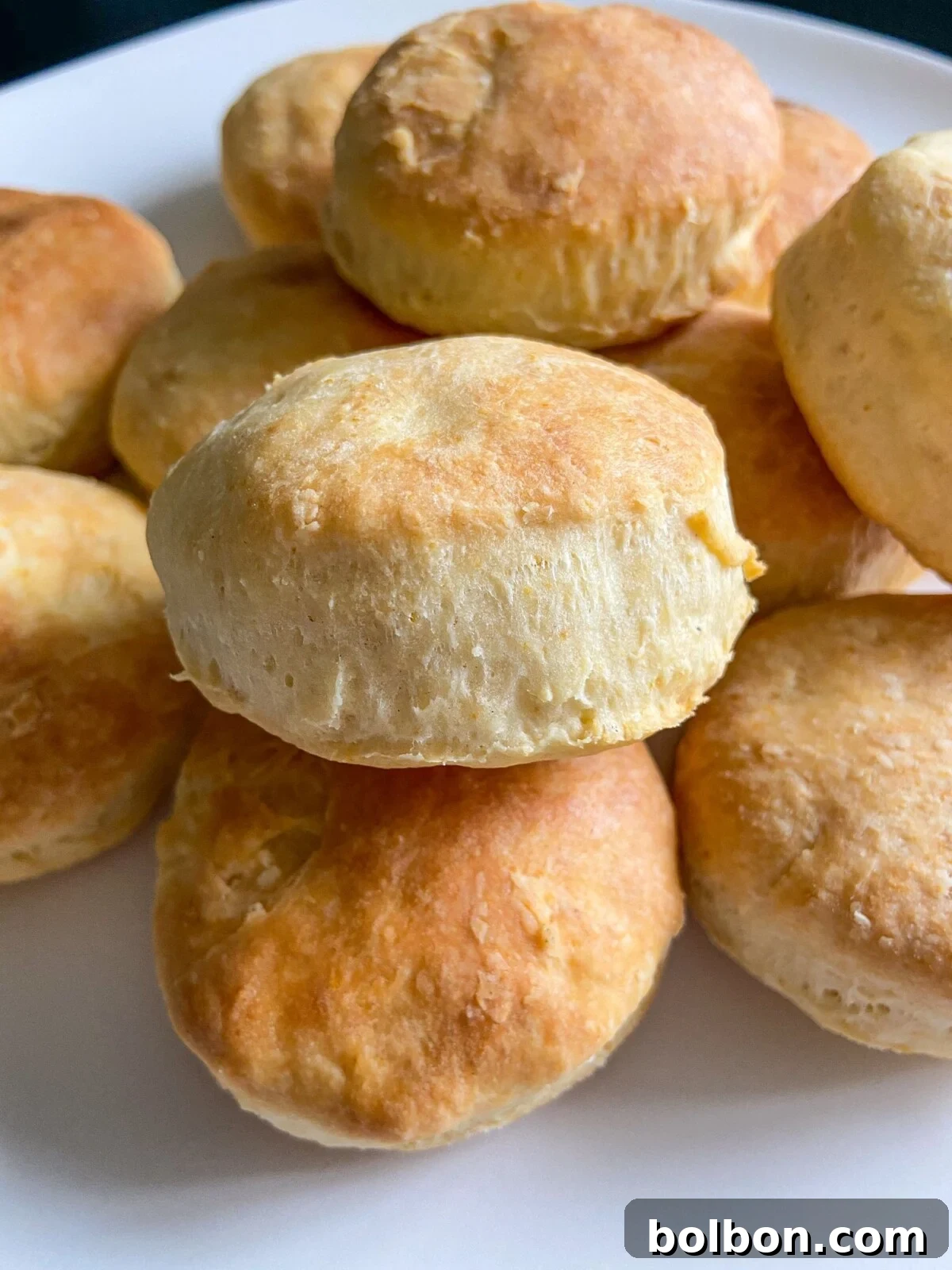
Imagine biting into a golden-brown masterpiece – flaky, impossibly rich, and melting in your mouth. These aren’t just any biscuits; these are the ultimate Buttermilk Biscuits, crafted for those who truly appreciate superior texture, exquisite taste, and yes, the undeniable satisfaction of creating something truly remarkable from scratch. Whether gracing your breakfast table alongside a generous pat of salted butter, cradling a dollop of sweet homemade jam, or forming the cornerstone of a decadent breakfast sandwich, these biscuits are designed to impress and delight. The magic happens swiftly, with the dough coming together in a mere 30 minutes, requiring no specialized kitchen gadgets. Made from a simple lineup of just 5 essential ingredients – flour, butter, buttermilk, baking powder, and a touch of salt – these pantry staples transform into golden perfection every single time. The biggest challenge you’ll face? Resisting the urge to devour every single one before they even reach the table. Get ready to elevate your baking game and savor the unparalleled comfort of homemade Buttermilk Biscuits.
Why These Buttermilk Biscuits Will Become Your New Favorite
There’s a reason why homemade Buttermilk Biscuits hold such a revered place in culinary traditions, especially as a staple of Southern comfort food. Each biscuit is a warm, tender embrace in carb form – a delicate balance of textures and flavors that will captivate your senses. Imagine a buttery, perfectly golden exterior yielding to an interior that is so soft and pillowy, it practically dissolves on the tongue. The signature tangy note from the buttermilk adds a complex depth, a subtle counterpoint to the richness of the butter, ensuring every bite is as intriguing as it is comforting. It’s this irresistible combination of crispy edges, a melt-in-your-mouth crumb, and that distinctive tang that makes these biscuits so uniquely addictive. Thanks to a handful of expert tips, which we’ll meticulously outline below, you’ll consistently achieve towering, flaky biscuits with those coveted, distinct layers – perfect for slathering with Homemade Butter. Beyond the classic, these biscuits serve as an extraordinary blank canvas for a myriad of flavors. Imagine them infused with sharp cheddar cheese and fresh chives, or simply baked plain to beautifully complement savory eggs, crispy bacon, or a hearty sausage gravy. Their versatility means they can anchor any meal, from a leisurely Sunday brunch to a satisfying weeknight dinner, making them a truly indispensable recipe in your repertoire.
Essential Ingredients for Perfect Biscuits
Crafting the perfect Buttermilk Biscuits starts with understanding the role each ingredient plays. While the list is short and sweet, the quality and preparation of each component are paramount to achieving that coveted flaky texture and rich flavor. Here’s a detailed look at the five simple ingredients you’ll need:
All-Purpose Flour: For that classic, tender biscuit structure, unbleached all-purpose flour is your go-to. It strikes the ideal balance, providing enough protein to give the biscuits form without making them tough or overly chewy. Proper measurement is crucial here; always spoon your flour into the measuring cup and level it off, rather than scooping directly from the bag, which can compact the flour and lead to a denser biscuit. For the most precise results, especially if you’re a meticulous baker, weighing your flour is highly recommended.
Buttermilk: This tangy dairy product is a true game-changer in biscuit making. Its inherent acidity reacts with the baking powder, producing carbon dioxide gas that helps the biscuits rise significantly, creating that wonderful lift and airy interior. Beyond its leavening power, buttermilk tenderizes the dough, contributing to a softer crumb and imparting a subtle, yet distinct, depth of flavor that plain milk simply cannot replicate. If you find yourself without buttermilk, don’t fret! You can easily create a substitute by adding one tablespoon of white vinegar or lemon juice to one cup of regular milk (dairy or plant-based) and letting it sit for 5-10 minutes until it slightly curdles and thickens. This quick trick ensures you never miss out on the unique qualities buttermilk brings to the table.
Butter: The secret to truly flaky biscuits lies almost entirely in the butter, and specifically, how cold it is. Very cold, unsalted butter is non-negotiable. As the small pieces of cold butter melt in the hot oven, they release steam, creating tiny pockets of air that separate the layers of dough, resulting in those irresistible, distinct flakes. I highly recommend freezing a stick of unsalted butter for at least 30 minutes, or even overnight, and then grating it directly into the flour mixture. This ensures the butter remains super cold and evenly distributed throughout the dough, preventing it from melting prematurely. Using unsalted butter allows you to control the overall salt content in your recipe.
Baking Powder: This powerful leavening agent is responsible for much of the biscuits’ magnificent rise. It’s essential to use fresh baking powder, as an expired product will lose its potency, leaving you with flat, dense biscuits. Double-check the expiration date before you begin. Most baking powders available today are double-acting, meaning they contribute to lift both when mixed with liquid and again when exposed to the heat of the oven, guaranteeing maximum fluffiness.
Salt: A small but mighty ingredient, salt plays several vital roles. Beyond simply enhancing and balancing the flavors of the dough, giving it that craveable savory goodness, salt also has a scientific purpose. It strengthens the gluten strands in the flour, which in turn gives the dough better structure and elasticity. This improved structure helps the biscuits hold their shape and rise taller. A fine-grain salt like sea salt or kosher salt works best, ensuring it dissolves evenly throughout the mixture.
Nonna’s Golden Tip 🧊
For truly flaky, sky-high biscuits every single time, the temperature of your butter is paramount. Ensure it is absolutely ice cold. My secret? I love to grate it straight from the freezer directly into the dry ingredients.
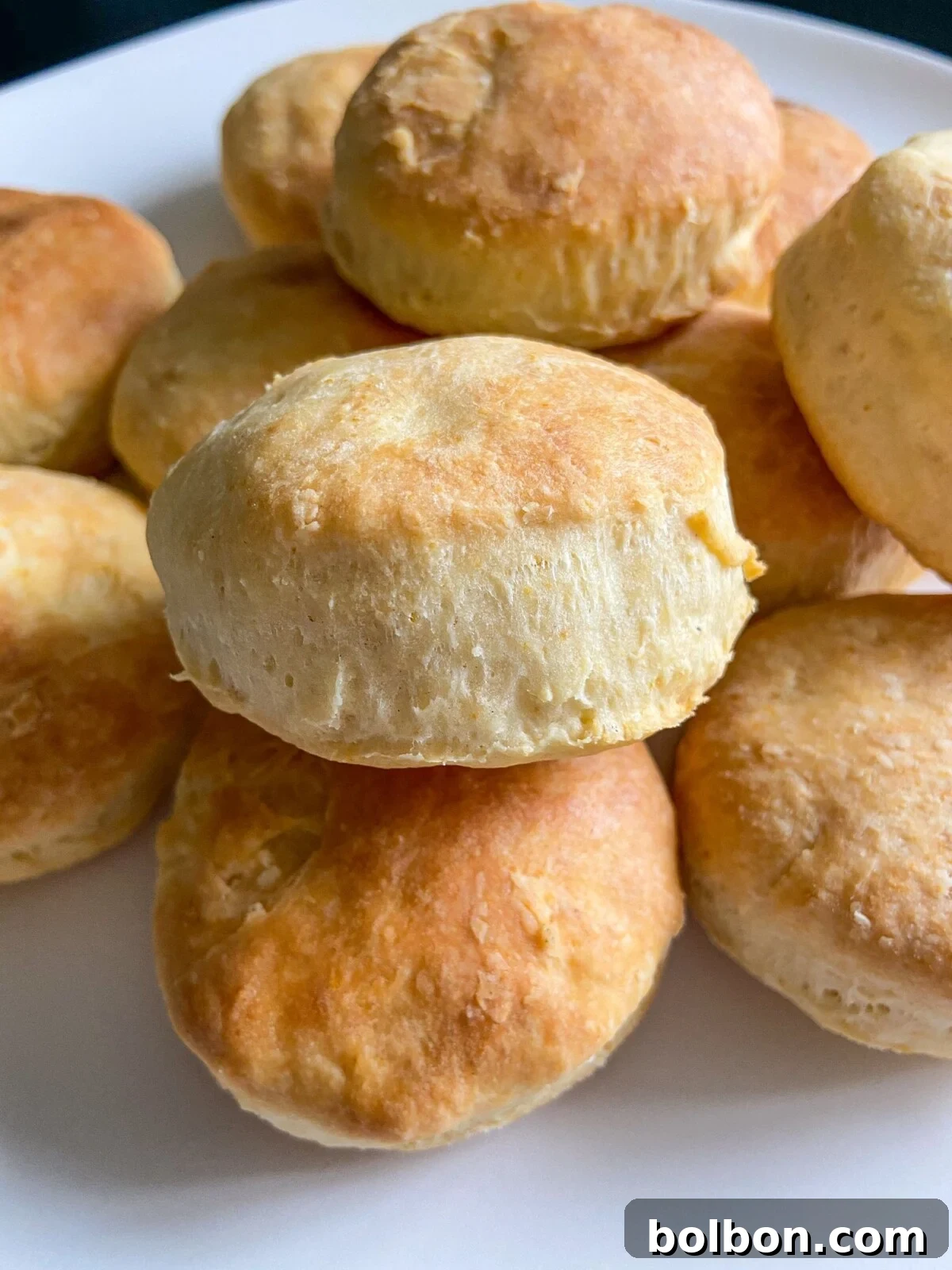
Pro Tips for Crafting the Best Homemade Buttermilk Biscuits
Achieving those coveted tall, flaky, and tender buttermilk biscuits isn’t just about the ingredients; it’s also about mastering a few key techniques. These pro tips will guide you to biscuit perfection, transforming your baking from good to extraordinary:
- Properly Measure the Flour: This might seem basic, but it’s a fundamental step that often gets overlooked. To avoid dense, tough biscuits, never simply scoop your measuring cup directly into the flour bag. Instead, use a spoon to lightly aerate the flour and then gently spoon it into your measuring cup. Level off the top with a straight edge, such as the back of a knife. This method ensures you’re using the correct amount of flour, preventing an overly dry or stiff dough that won’t rise properly. For ultimate precision, especially for serious bakers, measuring flour by weight (grams) is always the most accurate method.
- Use Very Cold Butter: This is arguably the most crucial tip for achieving ultra-flaky biscuits. The colder the butter, the better! When tiny, solid pieces of butter are incorporated into the dough and then hit the hot oven, they create steam as they melt. This steam pushes the layers of dough apart, forming those distinct, airy, and flaky layers we all love. If your butter is too warm, it will simply blend into the flour, resulting in a more cake-like, dense biscuit. Freezing your butter and then grating it, or cutting it into small pieces and chilling it again, are excellent methods. You can even chill your mixing bowl and other tools.
- Don’t Skimp on the Buttermilk: Buttermilk is truly a star ingredient here. Its acidity interacts with the baking powder to create lift, while its unique proteins tenderize the gluten in the flour, contributing to an incredibly soft and delicate crumb. The tang of buttermilk also adds an irreplaceable depth of flavor. If you’re passionate about truly homemade goods, consider making your own butter first – the delicious byproduct is authentic buttermilk, perfect for these biscuits! You’ll then have homemade butter to slather on your warm, homemade biscuits – a win-win!
- Don’t Overmix the Dough: This is a common pitfall that leads to tough biscuits. Overworking the dough develops the gluten too much, creating an elastic structure that prevents the biscuits from expanding and becoming tender. Mix the dough only until the ingredients are just combined. It should still look shaggy and a bit crumbly, not smooth and uniform. Resist the urge to keep kneading! A light touch is key to preserving tenderness.
- Utilize the Flatten and Fold Method: This technique is what gives biscuits their beautiful, distinct layers. After mixing, gently pat the dough into a 1-inch thick rectangle. Fold one side into the center, then fold the other side over the first, like a letter. Gently flatten the dough again, rotate it 90 degrees, and repeat this folding and flattening process at least two more times. Each fold creates new layers of butter and dough, which will separate during baking, yielding those glorious flakes.
- Avoid Twisting the Biscuit Cutter: When you’re ready to cut out your biscuits, press the biscuit cutter straight down into the dough with a firm, decisive motion. Do not twist the cutter! Twisting seals the edges of the biscuit layers, which prevents them from rising to their full potential and creating those flaky sides. A clean, straight cut allows for maximum lift and separation of layers.
- Bake Them Close Together: Biscuits are social creatures! For the tallest, softest biscuits, arrange them on your baking sheet so they are just barely touching each other. As they bake, they will rise and support one another, creating steam that helps them achieve a taller stature and ensures the sides remain wonderfully soft and tender. Think of them as “baking buddies” working together for mutual success.
Creative Variations and Smart Substitutions for Buttermilk Biscuits
While the classic buttermilk biscuit is a masterpiece in itself, this versatile recipe also serves as an excellent foundation for culinary experimentation. Don’t hesitate to personalize your biscuits with these delightful variations and practical substitutions:
- For those following a plant-based diet, these biscuits can be easily made vegan. Simply substitute the dairy butter with a high-quality plant-based butter (ensure it’s very cold!) and swap the traditional buttermilk for an unsweetened plant-based milk (such as almond or soy) mixed with a tablespoon of apple cider vinegar or lemon juice.
- Explore different flours to achieve unique textures and flavors. While all-purpose flour provides the classic result, you can experiment with proportions of whole wheat flour for a nuttier flavor and denser texture, or incorporate a gluten-free flour blend (ensure it contains xanthan gum for structure) for a gluten-free option. Be mindful that using alternative flours may alter the final texture, requiring slight adjustments to liquid content.
- Unleash your creativity by infusing your biscuits with a variety of flavors. Before adding the liquid, mix savory additions into your dry ingredients: shredded sharp cheddar, crumbled cooked bacon, fresh chives, dried dill, a pinch of garlic powder, or a dash of black pepper. For a sweet twist, consider adding cinnamon sugar, a sprinkle of nutmeg, or dried cranberries.
- In a pinch, if you don’t have buttermilk on hand and can’t make the quick substitute, you can swap in whole milk. However, be aware that the biscuits may not rise as high and the signature tang will be absent. To replicate the buttermilk’s acidity, you can always add a tablespoon of lemon juice or vinegar to any milk substitute you choose.
- For a touch of sweetness, consider brushing the tops of your biscuits with melted butter and sprinkling with a little sugar just before baking, or even a drizzle of honey or maple syrup after they come out of the oven.
- Turn them into delightful garlic herb biscuits by folding in freshly minced garlic and finely chopped herbs like rosemary, thyme, or parsley. These are fantastic alongside a hearty dinner.
Similar Recipes to Explore
Cheese Buns
35 mins
Baguette Recipe
12 hrs 55 mins
Easy Homemade Flour Tortillas
40 mins
Cottage Cheese Bagels (Viral)
33 mins
The Perfect Accompaniments: Best Served With
Buttermilk biscuits are incredibly versatile, making them a fantastic addition to almost any meal. Whether you prefer sweet or savory, classic or creative, there’s a perfect pairing for these golden delights. Here are some of our favorite ways to enjoy them:
- Elevate Your Brunch Spread: Transform your weekend brunch into an unforgettable feast. Serve warm biscuits alongside perfectly poached eggs, savory bacon, and our Homemade Breakfast Sausage. They are also divine with a rich hollandaise sauce or a simple fruit salad.
- A Quintessential Tea Time Treat: Embrace a touch of elegance by serving these biscuits during your afternoon tea. Offer them with traditional clotted cream, a generous spoonful of homemade jam (cherry, strawberry, or blackberry are excellent choices), and a medley of fresh seasonal fruits.
- Southern Comfort for Dinner: Bring the warmth of Southern hospitality to your dinner table. These biscuits are the ideal accompaniment to classic comfort foods like crispy fried chicken, tender green beans or buttered peas, and creamy mashed potatoes smothered in gravy. They’re perfect for sopping up every last drop of delicious sauce.
- Simply Scrumptious on Their Own: Sometimes, the purest pleasure comes from simplicity. Enjoy a biscuit warm, fresh out of the oven. Slice it in half horizontally and spread a generous pad of room-temperature Homemade Butter on the inside. The butter will melt into the warm, tender crumb, creating a simple yet profoundly satisfying treat that highlights the biscuit’s inherent goodness.
- Breakfast Sandwiches Reinvented: Forget the ordinary! Split a warm biscuit and fill it with scrambled eggs, a slice of cheese, and your favorite breakfast meat for an unbelievably delicious and hearty breakfast sandwich. The soft, buttery biscuit provides a superior texture and flavor compared to traditional bread or muffins.
- Dessert Delight: Believe it or not, biscuits can be a wonderful dessert. Top them with fresh berries and a dollop of whipped cream, or split them and serve with warm apple pie filling for a rustic, comforting sweet treat.
Fluffy Buttermilk Biscuits
Facebook Share
Rate Recipe
Print Recipe
Equipment
Ingredients
- 2.5 cups all-purpose flour
- 2.5 teaspoons baking powder
- ½ tablespoon salt
- 1 cup buttermilk, or unsweetened plant-based milk
- ½ cup butter (1 stick) , frozen
Instructions
-
Preheat your oven to 400°F (200°C). Line a baking sheet with parchment paper and set it aside. For best results, freeze a stick of butter for at least 30 minutes, or preferably overnight, before you begin this recipe. The butter must be very cold.
-
In a large mixing bowl, sift together your all-purpose flour. Then add the baking powder and salt, whisking thoroughly to ensure all dry ingredients are well combined.
-
If you don’t have buttermilk on hand, prepare a homemade substitute: In a separate bowl, combine 1 cup of any milk (dairy or unsweetened plant-based) with 1 tablespoon of vinegar or lemon juice. Let it sit for a few minutes until it begins to curdle or form small lumps, indicating it’s ready to be used as buttermilk.
-
Remove your frozen butter and, using a box grater (the large holes work well) or a sharp knife, grate or finely chop it into the flour mixture. Use your hands to gently work the butter into the flour until the mixture resembles coarse crumbs with some larger pea-sized pieces of butter still visible. Avoid overmixing.
-
Now, pour your buttermilk (or homemade substitute) into the bowl with the flour and butter mixture. Mix and lightly knead just until a soft, shaggy dough forms – this should only take a couple of minutes. Lightly flour your counter or a clean work surface. Turn out the dough and gently roll it out with a rolling pin to approximately 1-inch thickness. Use a biscuit cutter or the rim of a glass to cut out your biscuits, pressing straight down without twisting.
-
Carefully transfer your cut biscuits onto the prepared parchment-lined baking sheet. For taller, softer biscuits, place them so they are just touching each other. Bake for 15-20 minutes, or until they are beautifully golden brown on top and have risen impressively. Enjoy them warm!
Notes
- Butter: The key to flaky biscuits is using VERY cold butter. I strongly recommend freezing a stick of butter for at least 30 minutes, then grating it using a microplane or a box grater directly into your flour mixture. This ensures the butter stays solid and creates steam pockets during baking.
- Buttermilk: If you’re out of buttermilk, you can easily create a substitute. Add one tablespoon of lemon juice or vinegar to one cup of whole milk and let it sit for 5-10 minutes until it slightly curdles. For the most authentic, scratch-made Buttermilk Biscuits, consider making our Homemade Butter recipe and using the flavorful buttermilk byproduct!
- Vegan Substitutes: To make these biscuits vegan, simply replace dairy butter with a high-quality plant-based butter (kept very cold) and use an unsweetened plant-based milk (mixed with a tablespoon of vinegar or lemon juice) instead of dairy buttermilk.
- Flour: While all-purpose flour provides the best classic texture, you can experiment with whole wheat flour for a heartier biscuit or a gluten-free flour blend for dietary needs. Please note that texture and flavor may vary with alternative flours.
- Add-ins: Customize your biscuits by incorporating various additions into the dry ingredients. Try shredded cheese, fresh or dried herbs (like chives, rosemary, or dill), garlic powder, or a pinch of cayenne pepper for a savory kick. For a sweet version, add cinnamon and sugar.
Nutrition
Nutrition information is automatically calculated and should only be used as an approximation.
Additional Info
Common Questions About Buttermilk Biscuits
Delving into the world of biscuit baking can sometimes raise a few questions. Here are answers to some of the most common queries to help you master your Buttermilk Biscuits:
Absolutely! You can effortlessly adapt this recipe to be vegan-friendly. Simply use a high-quality plant-based butter (ensure it’s very cold for the best flakiness) and substitute the dairy buttermilk with an unsweetened plant-based milk (like almond, soy, or oat milk) that has been soured with a tablespoon of white vinegar or lemon juice.
Making your own buttermilk is surprisingly simple and you have a couple of fantastic options. One method is to use the flavorful byproduct from making homemade butter – a truly authentic approach that guarantees the freshest buttermilk. Alternatively, for a quick substitute, add 1 tablespoon of white vinegar or lemon juice to 1 cup of regular milk (dairy or plant-based) and let it sit for 5-10 minutes until it slightly thickens and curdles. This creates the necessary acidity for the biscuits to rise beautifully.
Yes, you certainly can experiment with different flours! While all-purpose flour yields the classic texture, you could try using a blend of all-purpose and whole wheat flour for a heartier biscuit, or a gluten-free all-purpose flour blend for a gluten-free option. Keep in mind that using alternative flours may result in variations in both the texture (e.g., whole wheat might be denser, gluten-free might be crumblier) and the overall flavor of your biscuits.
The temperature of the butter is perhaps the most critical factor for flaky biscuits. Using very cold butter, ideally frozen and then grated, ensures that the tiny butter pieces remain solid when mixed into the dough. As these cold butter pieces melt in the hot oven, they release steam, which creates distinct air pockets and separates the layers of dough. This process is what gives buttermilk biscuits their signature light, airy, and incredibly flaky texture. If the butter is too warm, it simply blends into the flour, resulting in a denser, tougher biscuit.
The most common reason for tough biscuits is overworking the dough. When you overmix or knead the dough too vigorously, you overdevelop the gluten in the flour. This creates a strong, elastic network that makes the biscuits dense and chewy rather than light and tender. To ensure a beautifully flaky biscuit, handle the dough as little as possible. Mix until just combined and shaggy, and use the gentle flatten and fold method instead of heavy kneading to build those irresistible layers without making them tough.
Buttermilk is a star ingredient that plays multiple crucial roles in biscuit perfection. Its natural acidity reacts with the baking powder, producing carbon dioxide gas that helps the biscuits rise significantly and become light and airy. Additionally, buttermilk’s acidity and creamy consistency work to tenderize the gluten in the flour, resulting in a wonderfully soft and delicate crumb. Beyond texture, it imparts a unique, subtle tang that enhances the overall flavor profile, adding a complex depth that sets buttermilk biscuits apart.
Yes, you can prepare the biscuit dough ahead of time. After cutting out the biscuits, you can place them on a parchment-lined baking sheet and chill them in the refrigerator for up to 1-2 hours, or freeze them for longer storage. If baking from frozen, you may need to add a few extra minutes to the baking time. Baking them immediately after cutting is often best for maximum rise, but chilling them can also help the butter stay very cold.
Leftover biscuits are best stored at room temperature in an airtight container for up to 2-3 days. To reheat, wrap them loosely in foil and warm them in a 350°F (175°C) oven for about 5-10 minutes, or microwave them briefly for a quick warm-up (though the oven method retains crispness better).