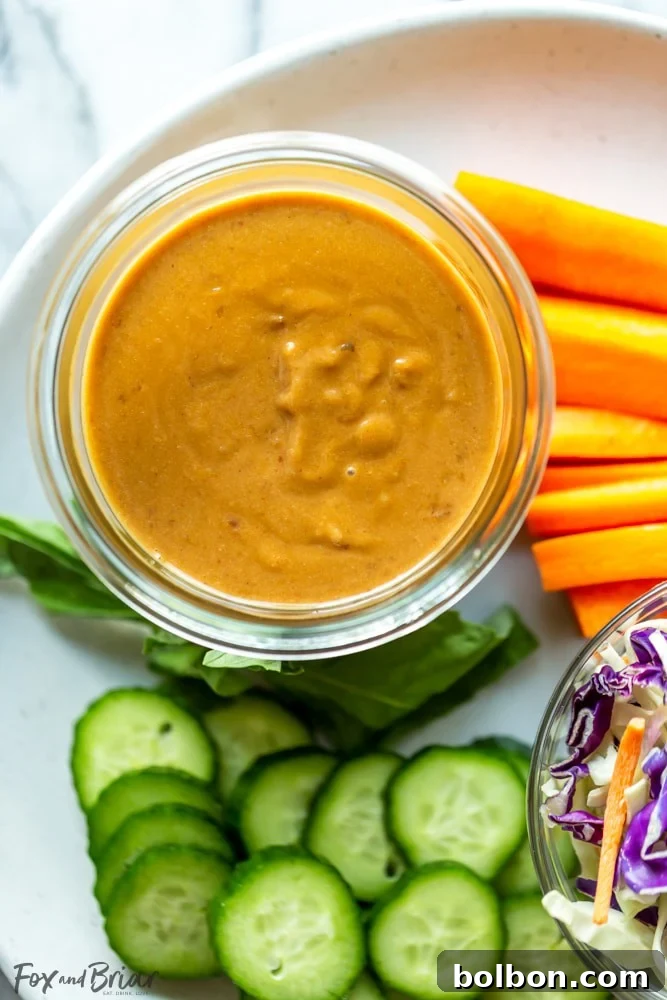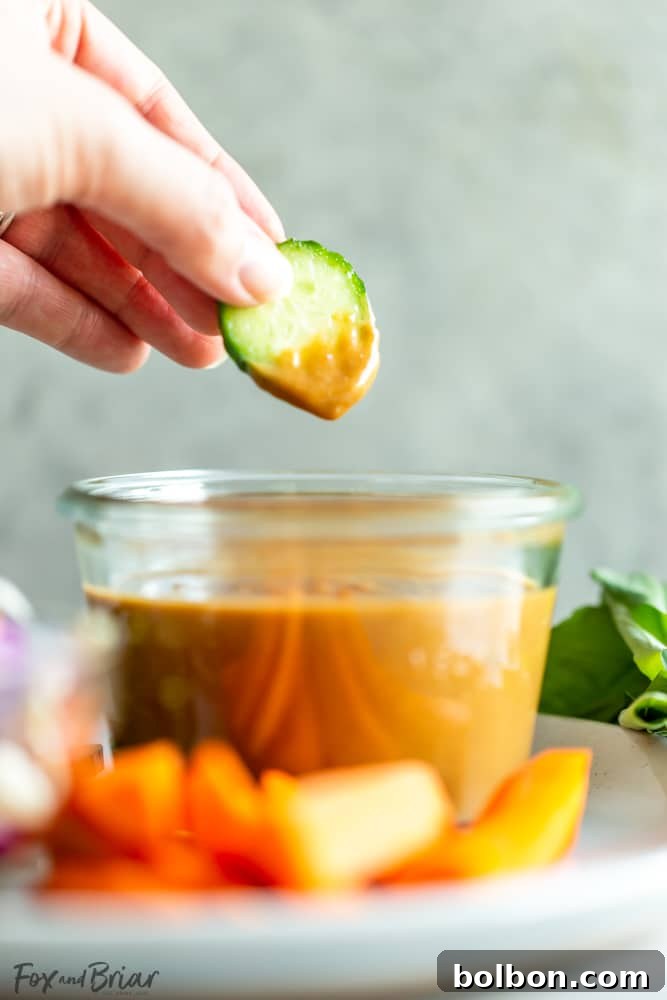
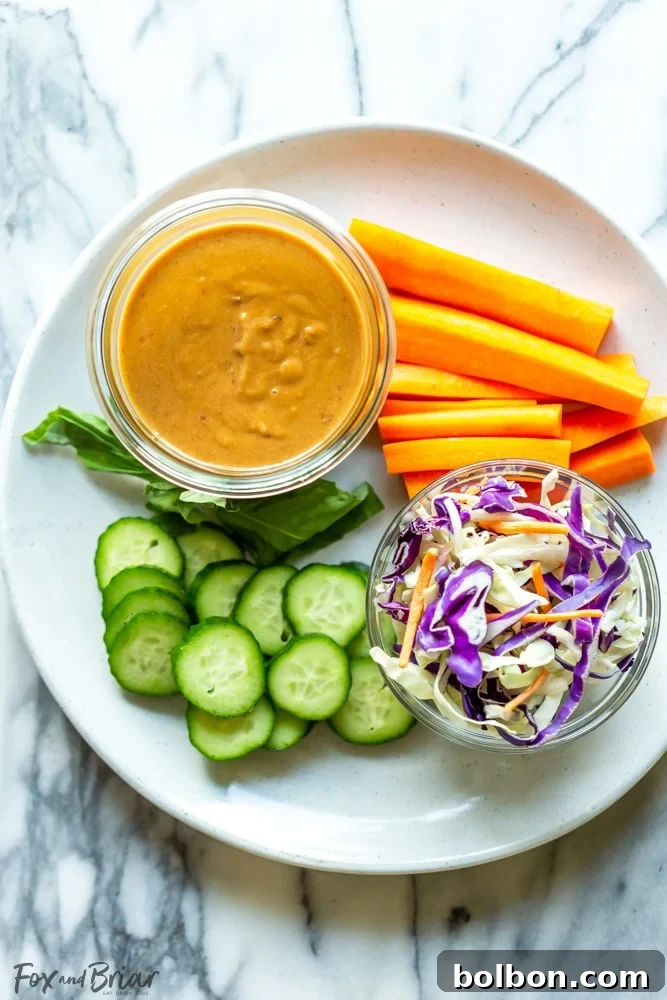
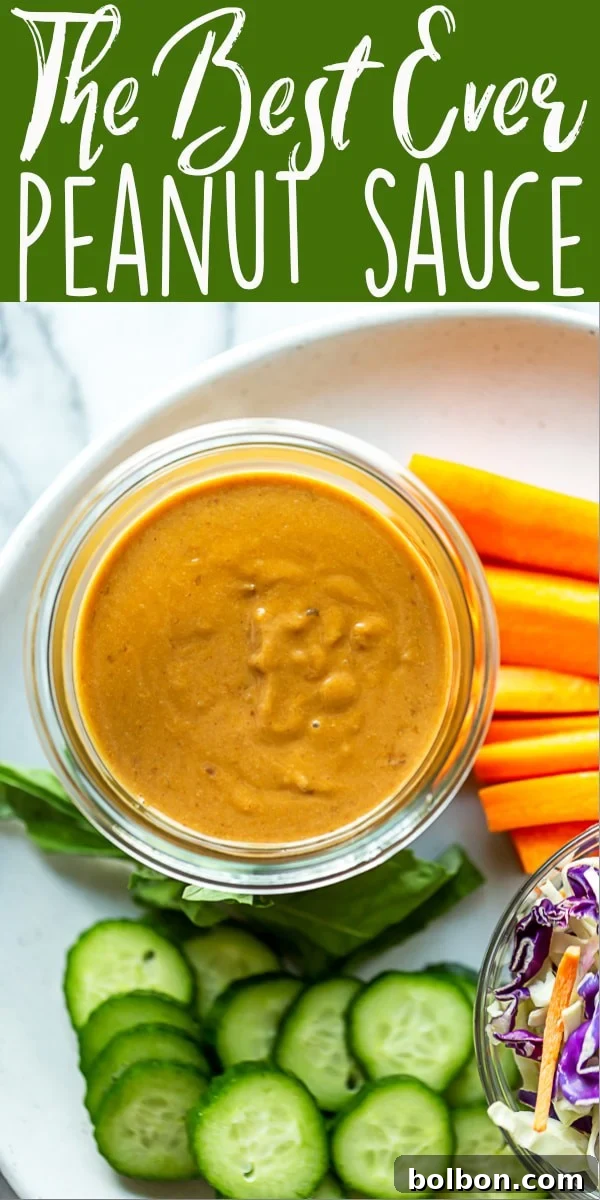
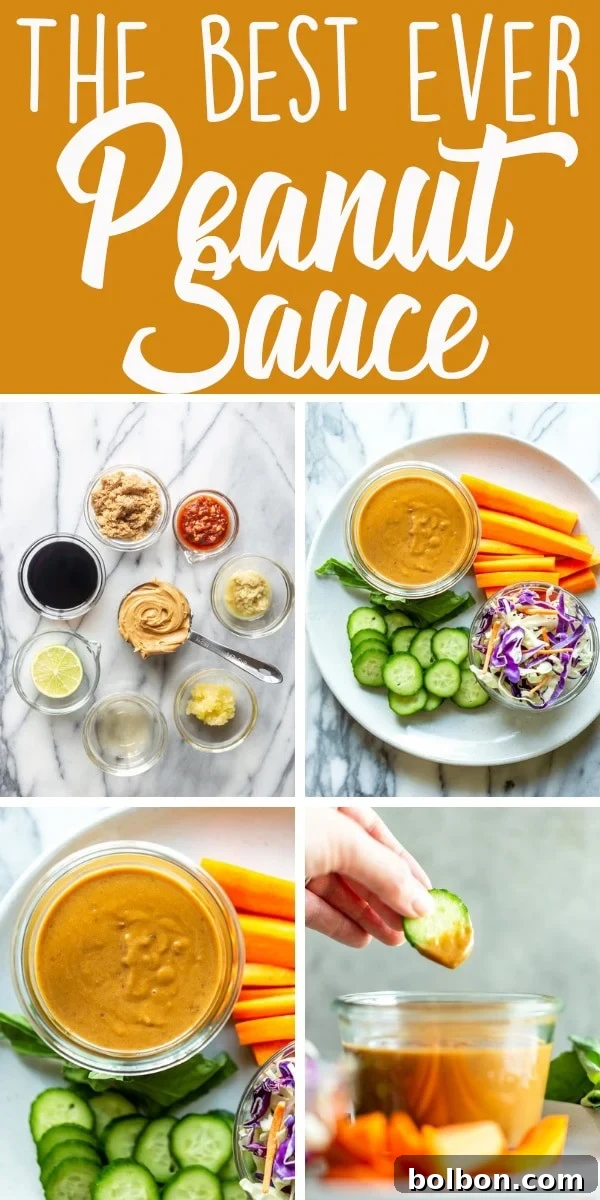
Get ready to transform your meals with the ultimate homemade Thai Peanut Sauce! This incredibly versatile and unbelievably delicious recipe is one you’ll want to keep on repeat. Whether you’re looking for a vibrant dipping sauce, a creamy salad dressing, a rich base for peanut noodles, or the perfect accompaniment to grilled chicken satay, this recipe has you covered. Forget store-bought alternatives; once you taste the fresh, balanced flavors of this sauce, you’ll never go back to bland imitations.
Disclosure: This post contains affiliate links, which means that if you purchase the items I recommend through the links I provide, I get a small commission. For more info, please see my disclosure policy. Thanks for supporting Fox and Briar!
Hello, culinary adventurers! Today, I am thrilled to unveil a recipe that represents years of passion and meticulous refinement: my rendition of “The Best Thai Peanut Sauce Ever.” This isn’t just a catchy title; it’s a promise of a sauce that delivers unparalleled depth of flavor, perfect balance, and incredible versatility. My journey to perfect this peanut sauce began with a craving for that authentic, creamy, and subtly spicy kick found in the most memorable Thai dishes, reimagined for effortless home preparation.
This remarkable homemade peanut sauce is a true kitchen MVP. I regularly rely on it as an irresistible peanut dipping sauce for fresh spring rolls, a vibrant and creamy dressing for crisp green salads, a foundational flavor for quick and satisfying peanut noodles, and, naturally, as the quintessential partner for tender chicken satay skewers. Its applications, however, extend far beyond these classics; it’s an effortless way to infuse an explosion of savory, sweet, tangy, and spicy notes into virtually any Asian-inspired meal or snack, making every bite a delightful experience.
Crafting the Perfect Homemade Thai Peanut Sauce
What sets this particular Thai Peanut Sauce recipe apart? It’s a harmonious blend of simplicity, fresh ingredients, and a perfectly calibrated flavor profile. Unlike many traditional recipes that incorporate coconut milk, which can sometimes overshadow the star ingredient, my version intentionally focuses on enhancing the rich, nutty essence of peanut butter with a carefully selected array of common Asian pantry staples. This deliberate choice results in a quicker preparation time and a more intense, unadulterated taste that truly shines on its own or as a complement to other dishes.
This recipe is a testament to achieving maximum flavor with minimal fuss. It proudly boasts its “no-cook” status, meaning you bypass any stovetop time; simply whisk all the ingredients together in a bowl. This makes it an ideal solution for frantic weeknights, last-minute meal preparations, or whenever you desire a gourmet-quality sauce in mere minutes. The end product is a velvety, dreamy sauce that offers a delightful symphony of sweet, savory, tangy, and spicy dimensions, designed to satisfy even the most discerning palate.
Essential Ingredients for Your Delicious Peanut Sauce
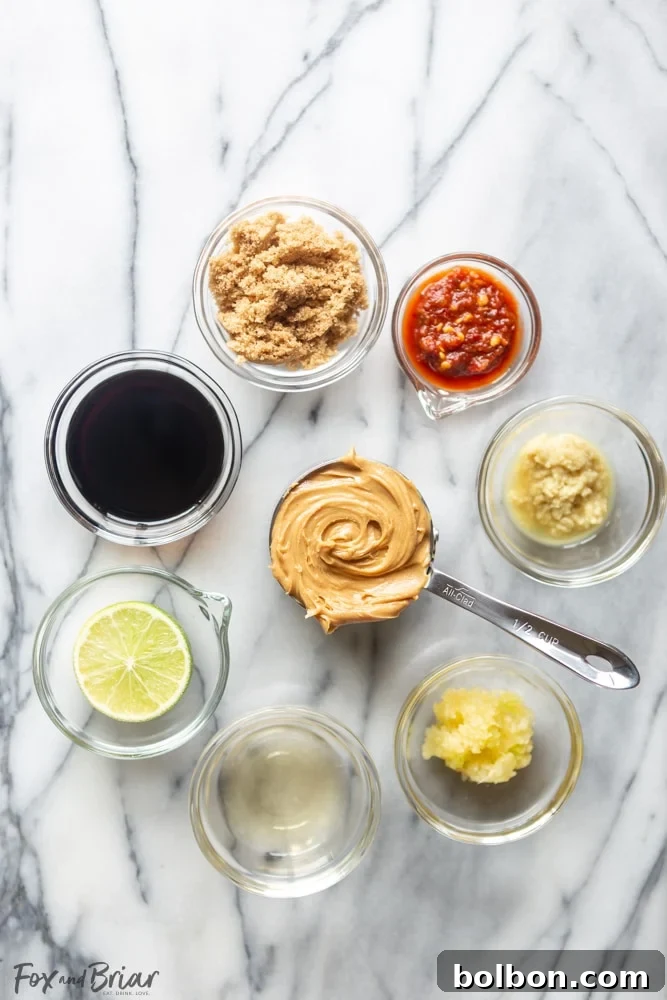
One of the most appealing features of this Thai Peanut Sauce recipe is its reliance on easily accessible ingredients that can be found in virtually any standard grocery store. There’s no need to embark on a scavenger hunt for exotic spices or specialty items. Let’s delve deeper into the core components that unite to create this extraordinarily flavorful sauce:
- Natural Peanut Butter: The undisputed foundation of this sauce! I cannot stress enough the importance of using natural, unsweetened peanut butter. This choice empowers you to precisely control the sweetness level of your sauce and ensures a deeper, more authentic peanut flavor. If conventional (sweetened) peanut butter is your only option, be prepared to adjust the amount of brown sugar accordingly, likely reducing it.
- Low Sodium Soy Sauce: This provides the indispensable umami depth and savory backbone of the sauce. Opting for low sodium soy sauce is critical for managing the overall saltiness, allowing you the flexibility to add more seasoning if desired without risking an overly salty outcome. For those seeking a gluten-free Thai peanut sauce, a seamless substitution can be made with tamari or coconut aminos.
- Rice Vinegar: An essential component that introduces a bright, tangy acidity. This cuts through the inherent richness of the peanut butter, achieving a beautiful balance that prevents the sauce from feeling heavy. It’s important not to interchange it with other vinegars, as rice vinegar possesses a distinct, milder sweetness that is key to this recipe’s profile.
- Brown Sugar: Responsible for imparting a deep, complex sweetness with subtle molasses notes, which exquisitely complements the savory and spicy elements of the sauce. While alternative sweeteners like honey or maple syrup are sometimes suggested, I find brown sugar contributes the most harmonious and authentic flavor to this particular recipe.
- Chili Garlic Sauce: This is where the magic of heat and aromatic garlic truly unfolds! I consistently prefer chili garlic sauce for its robust flavor and textural appeal, which adds an authentic touch. Sriracha can serve as a substitute in a pinch, but be mindful of its thinner consistency and often sharper heat, requiring potential adjustments.
- Fresh Lime Juice: A generous squeeze of fresh lime juice is paramount. It introduces a vibrant, zesty acidity that awakens all the flavors, providing that unmistakable, refreshing Thai character. Always prioritize fresh limes over bottled juice for superior taste.
- Fresh Garlic: Minced or finely grated fresh garlic is non-negotiable for the pungent, aromatic depth it contributes. This ingredient is a cornerstone of the sauce’s flavor complexity.
- Fresh Ginger Root: Grated fresh ginger delivers a warm, subtly spicy, and wonderfully fragrant dimension that is absolutely essential for an authentic Asian sauce experience.
- Warm Water: Utilized to gradually thin the sauce to your desired consistency. This allows for remarkable versatility, enabling you to create anything from a thick, clingy dipping sauce to a light, pourable salad dressing.
Mastering the Art of Preparing Your Homemade Thai Peanut Sauce
Creating this outstanding peanut sauce is remarkably straightforward and requires absolutely no cooking, making it an ideal candidate for rapidly enhancing your meals. Here’s a detailed guide to the simple steps involved, along with some invaluable tips to ensure your sauce achieves perfection every single time:
- Preparation is Key: Begin by gathering and accurately measuring all your ingredients. Using peanut butter that is at room temperature can significantly ease the whisking process, helping you achieve a smoother, more homogenous sauce with less effort.
- Combine the Core Flavors: In a medium-sized mixing bowl, introduce the peanut butter, low sodium soy sauce, rice vinegar, brown sugar, chili garlic sauce, fresh lime juice, finely grated garlic, and freshly grated ginger.
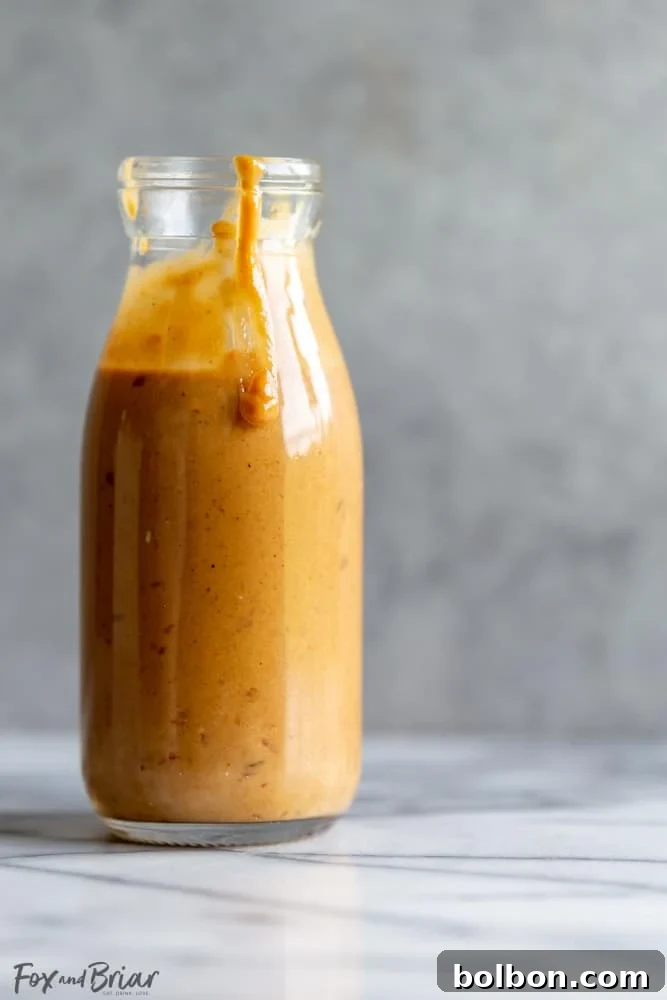
- Whisk to Achieve Smoothness: With a sturdy whisk, vigorously combine all these ingredients until they are thoroughly integrated and the mixture takes on a smooth, uniform consistency. At this initial stage, the sauce will naturally be quite thick and paste-like.
- Adjust Consistency Gradually: This is where you tailor the sauce to its intended use. Begin to add warm water, one tablespoon at a time, whisking diligently after each addition. The quantity of water needed will depend entirely on how you envision using the sauce. For a rich, thick dipping sauce, typically 2 tablespoons will suffice. If you desire a thinner, more fluid consistency suitable for a peanut sauce dressing for salads, you might find yourself adding up to 4 tablespoons or even slightly more. Continue this process of adding and whisking until you reach your perfect, desired texture.
- The All-Important Taste Test: This step is paramount! Take a small taste of your freshly made sauce and critically assess its flavor profile. Is it spicy enough? Add a touch more chili garlic sauce. Do you prefer it a bit sweeter? A small pinch more brown sugar can work wonders. Craving more tang? Another little squeeze of lime juice or a dash of rice vinegar will brighten it up. Remember, this is *your* sauce, so fine-tune it until it perfectly matches your personal taste preferences.
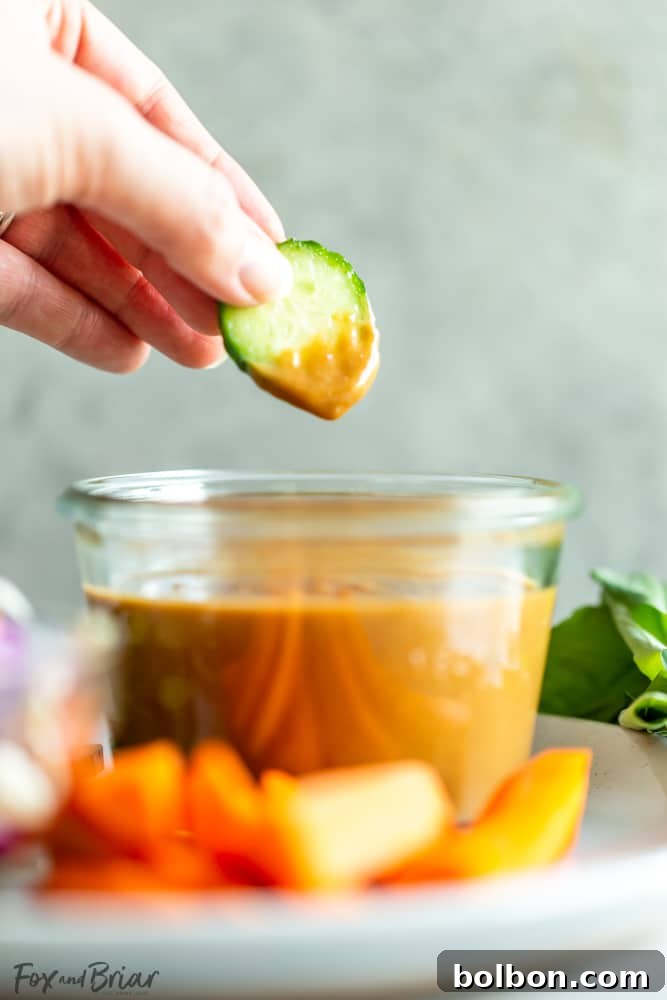
Best Ever Thai Peanut Sauce Recipe
4.60 from 334 votes
Print Recipe
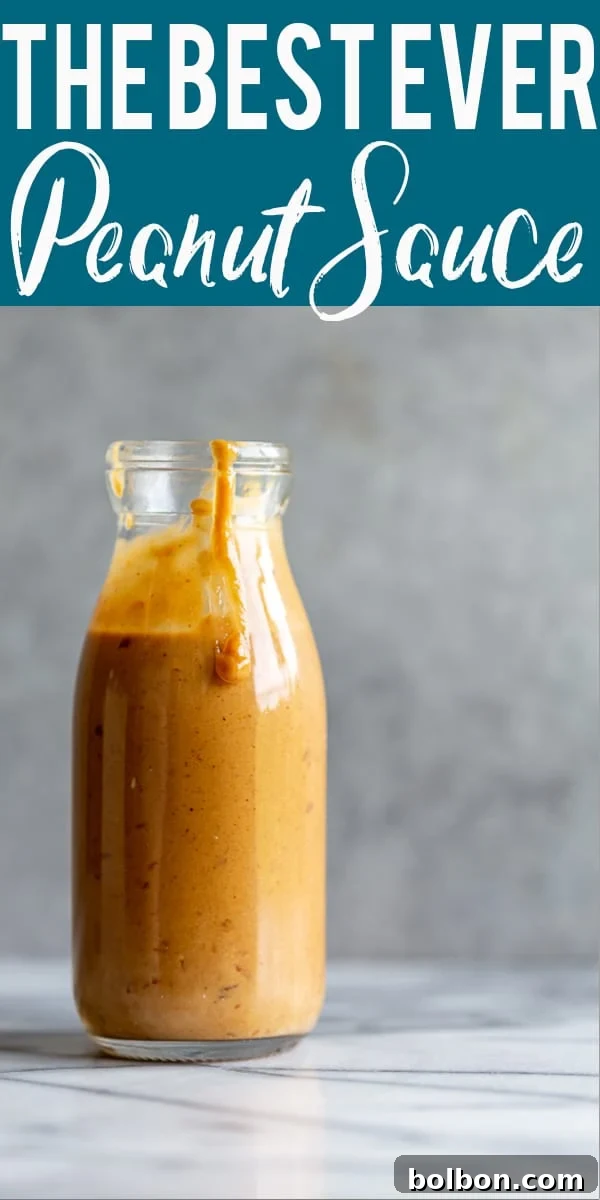
This easy, no-cook Thai Peanut Sauce recipe is incredibly versatile. Use it as a vibrant dipping sauce for spring rolls, a creamy dressing for salads, a flavorful addition to peanut noodles, or the perfect accompaniment to chicken satay.
Ingredients
- 1/2 cup natural, unsweetened peanut butter
- 2 tablespoons low sodium soy sauce (use tamari or coconut aminos for gluten-free)
- 1 tablespoon rice vinegar
- 2 tablespoons brown sugar
- 2 teaspoons chili garlic sauce (adjust to taste for desired spiciness)
- 1 tablespoon fresh lime juice
- 3 garlic cloves, pressed or grated
- 1 tablespoon fresh ginger root, grated
- 2-4 tablespoons warm water (for desired consistency)
Instructions
- Combine Ingredients: In a medium bowl, combine all ingredients except the warm water.
- Whisk Until Smooth: Whisk vigorously until all ingredients are fully combined and the mixture is smooth and consistent. It will be thick at this point.
- Adjust Consistency: Gradually add warm water, 1 tablespoon at a time, whisking well after each addition. For a thicker dipping sauce, typically 2 tablespoons are sufficient. For a thinner dressing consistency, you might use up to 4 tablespoons or more. Adjust according to your preference and intended use.
- Taste and Serve: Taste the sauce and adjust seasonings (sweetness, tanginess, spiciness) as needed. Serve immediately or store for later use.
Video Tutorial
Watch this helpful video to see how easily this amazing Thai Peanut Sauce comes together!
If the video does not load, you can watch the “Best Thai Peanut Sauce” tutorial directly on YouTube or a similar platform by searching for “Best Thai Peanut Sauce.”
Notes & Tips
- Peanut Butter Choice: For the best flavor and to control sweetness, always use natural, unsweetened peanut butter. If you use conventional (sweetened) peanut butter, the sauce may turn out too sweet. In this case, I recommend reducing the brown sugar to just 1 tablespoon and tasting before adding more.
- Spice Level: Feel free to increase or decrease the amount of chili garlic sauce to suit your preferred heat level. A dash of red pepper flakes can also add an extra kick for a truly spicy peanut sauce.
- Consistency: Remember, you’re in control of the consistency! Add warm water gradually until it’s perfect for your intended use – thick for dipping, thinner for dressing or peanut noodle sauce.
- Storage: This homemade Thai peanut sauce can be stored in an airtight container in the refrigerator for up to 5-7 days. If it thickens upon standing, simply add a splash of warm water and whisk to restore its smooth consistency before serving.
Nutrition Information
Serving: 0.25 cups | Calories: 226kcal | Carbohydrates: 15g | Protein: 9g | Fat: 16g | Saturated Fat: 3g | Sodium: 540mg | Potassium: 233mg | Fiber: 2g | Sugar: 9g | Vitamin C: 1.8mg | Calcium: 23mg | Iron: 0.8mg
Nutrition information is automatically calculated and should be used as an approximation. Actual values may vary based on ingredients and preparation methods.
Additional Info
Delicious Ways to Enjoy Your Versatile Thai Peanut Sauce
The true genius of this homemade peanut sauce lies in its incredible adaptability. Once you’ve prepared a batch, you’ll discover an endless array of methods to infuse its rich, savory, and subtly spicy flavors into your everyday meals and special occasions alike. Here are some of my most cherished serving suggestions to inspire your culinary creativity:
- The Ultimate Dipping Sauce: This is arguably the most beloved application! Serve your glorious peanut sauce alongside crisp fresh spring rolls, golden-fried egg rolls, or a vibrant platter of crunchy vegetable sticks such as cool cucumber, crisp carrots, and vibrant bell peppers. It’s also spectacularly good with succulent shrimp, especially baked coconut shrimp, and is the indispensable companion to traditional chicken or beef satay skewers, making it a perfect peanut dipping sauce.
- Irresistible Salad Dressing: Easily transform your sauce into a sensational salad dressing by simply thinning it out with a little extra warm water, as detailed in the recipe notes, until it reaches a perfectly pourable consistency. Drizzle it generously over your favorite mixed green salads, an invigorating Asian-inspired slaw, or even a hearty quinoa salad for an instant burst of exotic flavor. It pairs particularly well with grilled chicken or tofu salads, adding a rich and creamy dimension.
- Flavorful Peanut Noodles: Elevate humble noodles into a deeply satisfying and quick meal by tossing them thoroughly with this creamy peanut sauce. Feel free to use any pasta you have on hand – spaghetti, linguine, or authentic rice noodles. Enhance the dish by adding your choice of cooked protein (chicken, tofu, or shrimp) and an abundance of fresh, colorful vegetables like shredded carrots, thinly sliced bell peppers, and crisp snap peas for a complete and delicious meal.
- A Zesty Marinade: This sauce transcends mere dipping and dressing; it also functions as an exceptional marinade for chicken, pork, beef, or tofu. Allow your chosen protein to marinate for a minimum of 30 minutes, or for several hours to achieve a more profound flavor infusion, before grilling, baking, or stir-frying. The tenderizing properties of the lime juice, combined with the rich flavors of the peanut butter, will imbue your meal with an unforgettable taste.
- Delectable Lettuce Wraps: Elevate your ginger peanut lettuce wraps or any other homemade lettuce wrap recipe with a generous dollop of this sauce. Its creamy texture and bold flavors make it the perfect binder and an exquisite flavor enhancer for these light, refreshing, and satisfying meals.
- Alongside Grilled Delights: Whether you’re grilling succulent chicken thighs, a perfectly seared steak, or a vibrant medley of seasonal vegetables like zucchini, eggplant, or corn on the cob, a dollop of this rich peanut sauce served on the side will unquestionably elevate your barbecue experience to gourmet levels.
- Stir-Fry Enhancer: Introduce a tablespoon or two of this amazing sauce towards the very end of your stir-fry cooking process. It will add an extra layer of luscious richness and profound flavor. It complements dishes particularly well with chicken and broccoli stir-fries or any vegetable-heavy culinary creation.
Customizing Your Perfect Homemade Peanut Sauce
One of the most rewarding aspects of preparing food from scratch is the unparalleled freedom to customize it to your precise preferences and dietary requirements. This Thai Peanut Sauce recipe is remarkably flexible and invites your personal touch:
- Adjusting the Heat: For those who revel in a fiery kick, feel absolutely free to increase the amount of chili garlic sauce to 3 or even 4 teaspoons, or more! You could also introduce a pinch of red pepper flakes or a dash of your favorite hot sauce for an even more intense, spicy peanut sauce experience.
- Controlling Sweetness: If you prefer a less sweet profile, I recommend beginning with just 1 tablespoon of brown sugar. Taste the sauce, and then add more incrementally until it perfectly aligns with your desired level of sweetness. Conversely, if your palate enjoys a sweeter sauce, an additional half-tablespoon of brown sugar or a drizzle of honey can beautifully round out the flavors.
- Vegan Thai Peanut Sauce: This recipe is inherently vegan-friendly, provided you use plant-based peanut butter (which most natural brands are) and confirm that your soy sauce is vegan (most common brands are, but always a good practice to check the label for certainty).
- Gluten-Free Thai Peanut Sauce: To render this delectable sauce entirely gluten-free, the solution is straightforward: simply substitute the regular low sodium soy sauce with a high-quality tamari or coconut aminos. Both alternatives deliver comparable umami notes without any gluten content.
- Nut-Free Alternative: While it would no longer technically be a “peanut” sauce, for those with peanut allergies or seeking a different flavor, you could experiment with sunflower seed butter or almond butter. Be aware that this will significantly alter the flavor profile of the sauce.
- Fresh Herb Enhancements: While entirely optional, a generous sprinkle of freshly chopped cilantro or thinly sliced green onions just before serving can add an exquisite layer of freshness, a burst of color, and an enhanced aromatic complexity to your finished sauce.
Storing Your Perfectly Crafted Peanut Sauce
Once you’ve expertly whipped up a batch of this luscious Thai Peanut Sauce, you’ll undoubtedly want to ensure its freshness for as long as possible. To do so, store any leftover sauce in an airtight container and place it in the refrigerator. Typically, it will maintain its peak quality for up to 5-7 days. It’s perfectly normal for the sauce to thicken considerably when chilled. Before its next use, simply remove it from the refrigerator approximately 15-20 minutes beforehand to allow it to come closer to room temperature. Then, add a tablespoon or two of warm water and whisk diligently until it gracefully returns to its desired creamy, smooth consistency. Alternatively, for a quick fix, you can give it a brief zap in the microwave for 10-15 seconds to help it loosen up, followed by a good whisk.
We’d be thrilled to hear your thoughts! Please take a moment to share your feedback by commenting and rating this recipe below. And we’re always eager to see your culinary creations! Don’t forget to tag us on Instagram @foxandbriar and use the hashtag #foxandbriar so we can admire what delicious dishes you’ve made with this fantastic sauce!