
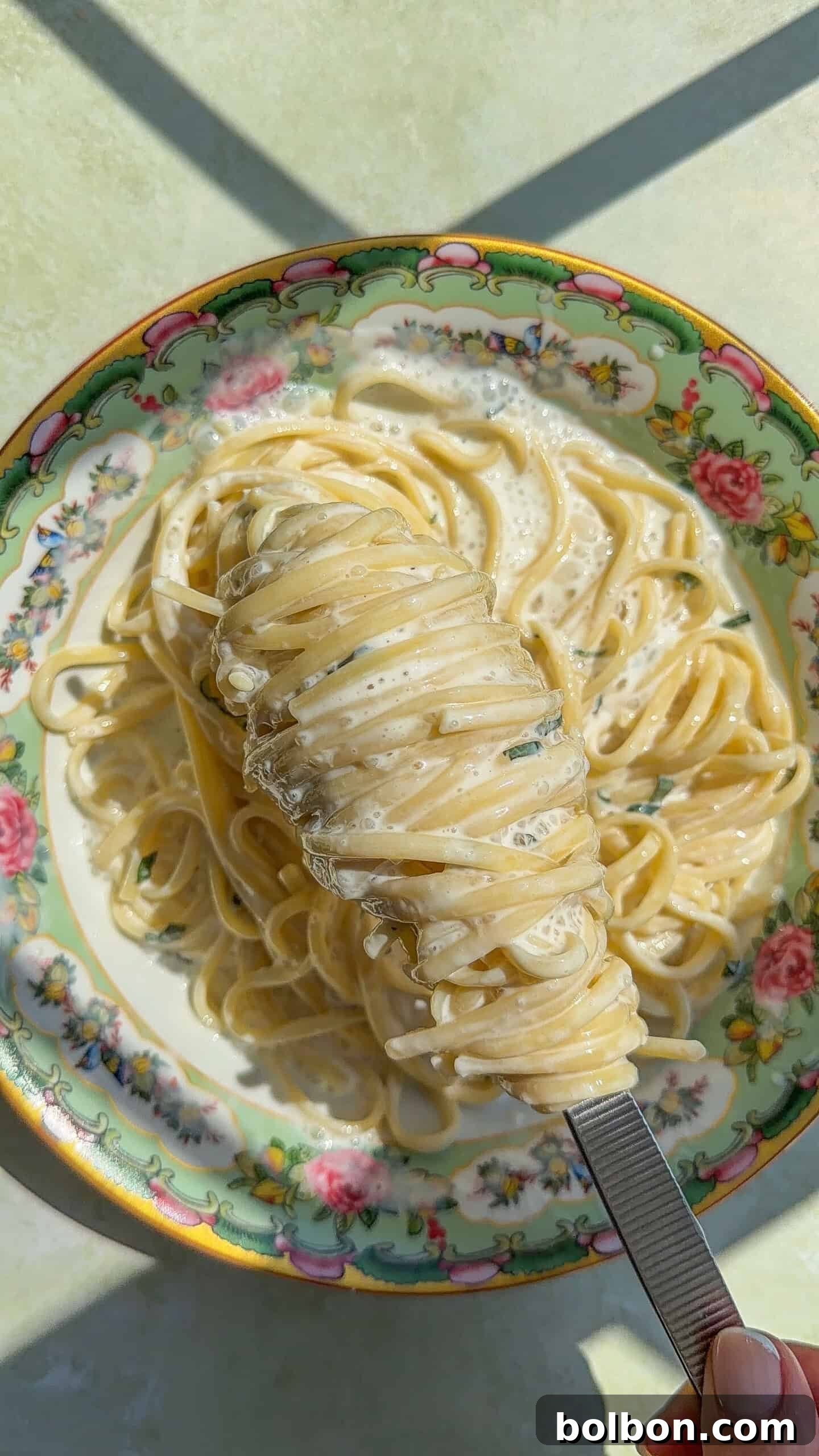
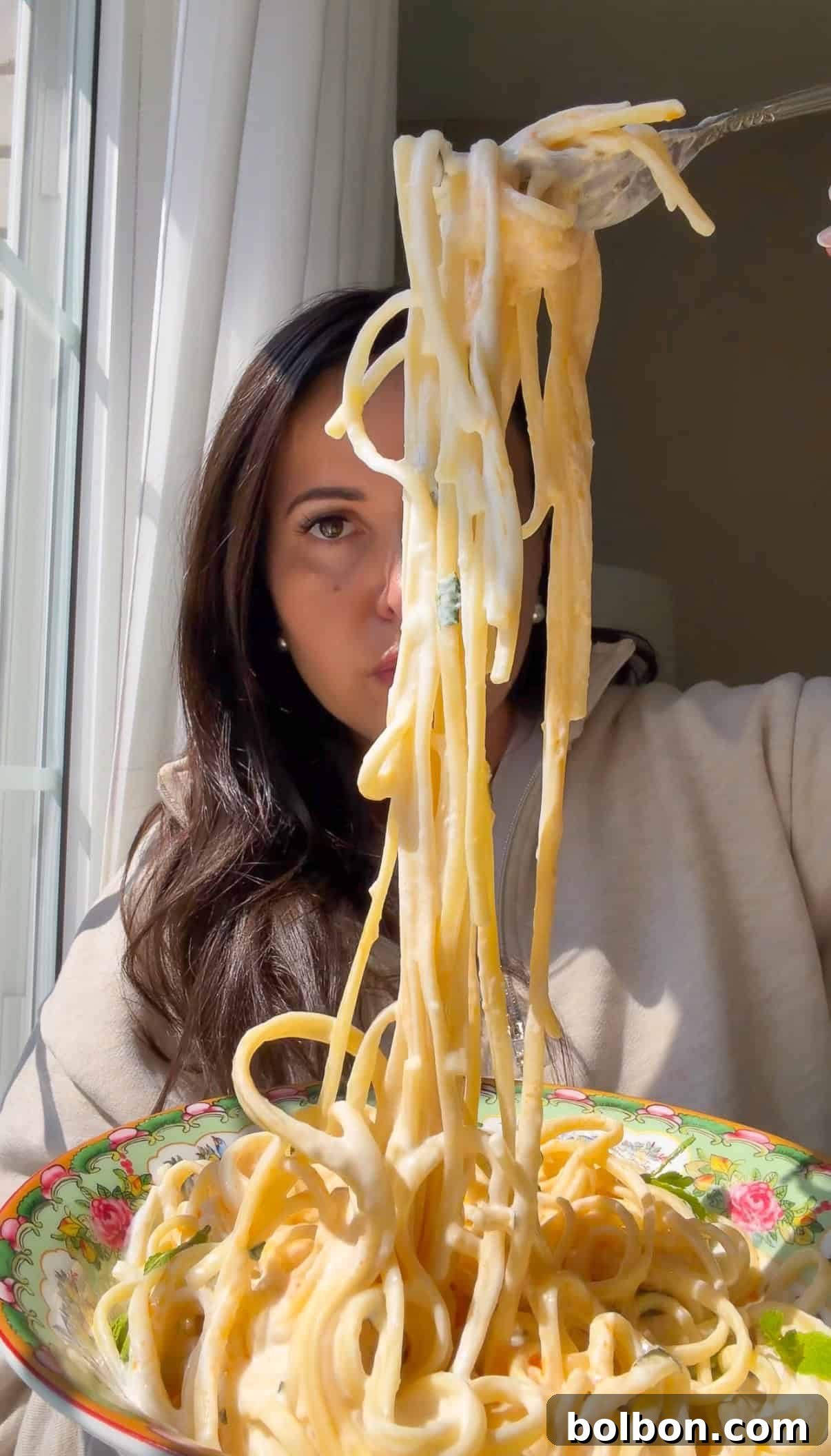
Macarona bil laban — Lebanese yogurt noodles — has become a viral favorite, and for good reason. This simple, satisfying dish pairs plain yogurt with garlic, fresh mint, and pasta to create a creamy, refreshing meal in minutes. If you enjoy yogurt-forward dishes, this recipe is a natural fit: minimal ingredients, quick preparation, and a bright, balanced flavor profile. It’s essentially a lighter, meatless cousin to richer yogurt-and-meat pasta dishes, and it comes together in about 15 minutes.
Key Takeaways
- Macarona bil laban combines plain yogurt, garlic, mint, and pasta for an easy, creamy meal.
- The recipe takes about 15 minutes and uses only a few pantry staples.
- Keep the yogurt at room temperature and avoid heating it directly to prevent splitting.
- Optional toppings like paprika butter, chili oil, or toasted nuts add texture and depth.
- Store leftovers in the fridge for up to two days; do not freeze yogurt-based sauces.
Table of Contents
- Key Takeaways
- Why You’ll Love These Yogurt Noodles
- What Is Macarona Bil Laban?
- Ingredient Notes
- Nonna’s Tip
- Tips for the Best Yogurt Noodles
- Variations and Add-Ons
- Storage and Leftovers
- Recipe
Why You’ll Love These Yogurt Noodles
Simple and fast: With only a handful of ingredients and about 15 minutes from start to finish, this is a perfect weeknight meal.
Creamy without cream: Plain full-fat yogurt yields a rich texture without heavy cream, keeping the dish light yet satisfying.
Customizable: Add a drizzle of paprika butter, chili oil, or toasted nuts to elevate the dish. Fresh herbs and lemon brighten the flavors.
Approachable and crowd-pleasing: Though the ingredient list is short, the combination of garlic and mint gives the dish surprising depth.
What Is Macarona Bil Laban?
Macarona bil laban means “pasta with yogurt.” It’s a traditional dish across Lebanon, Palestine, Jordan, and Syria, with regional and household variations. Some versions are vegetarian, while others include seasoned meat or toasted nuts on top. The common thread is pasta tossed with a garlicky yogurt sauce, often finished with a flavorful oil or butter.
Ingredient Notes
Most of the components are pantry staples. Below are notes to help you get the best possible result.
Plain yogurt: Full-fat plain yogurt gives the creamiest texture. Greek yogurt works but is thicker; thin it with reserved pasta water until silky. Avoid flavored yogurts. Bring the yogurt to room temperature before combining with warm pasta to reduce the risk of splitting.
Garlic: Freshly minced or grated garlic adds bright, assertive flavor. This dish benefits from a garlic-forward approach.
Salt: Season the yogurt mixture before tossing with pasta so the flavor remains balanced.
Fresh mint: Mint is a defining flavor here. If using dried mint, use much less because it’s concentrated.
Pasta: Spaghetti or linguine are traditional, but shorter shapes like penne or fusilli work well too.
Optional butter and paprika: Gently melted butter infused with sweet paprika (and a pinch of chili if you like heat) makes a luscious finishing drizzle.
Nonna’s Tip
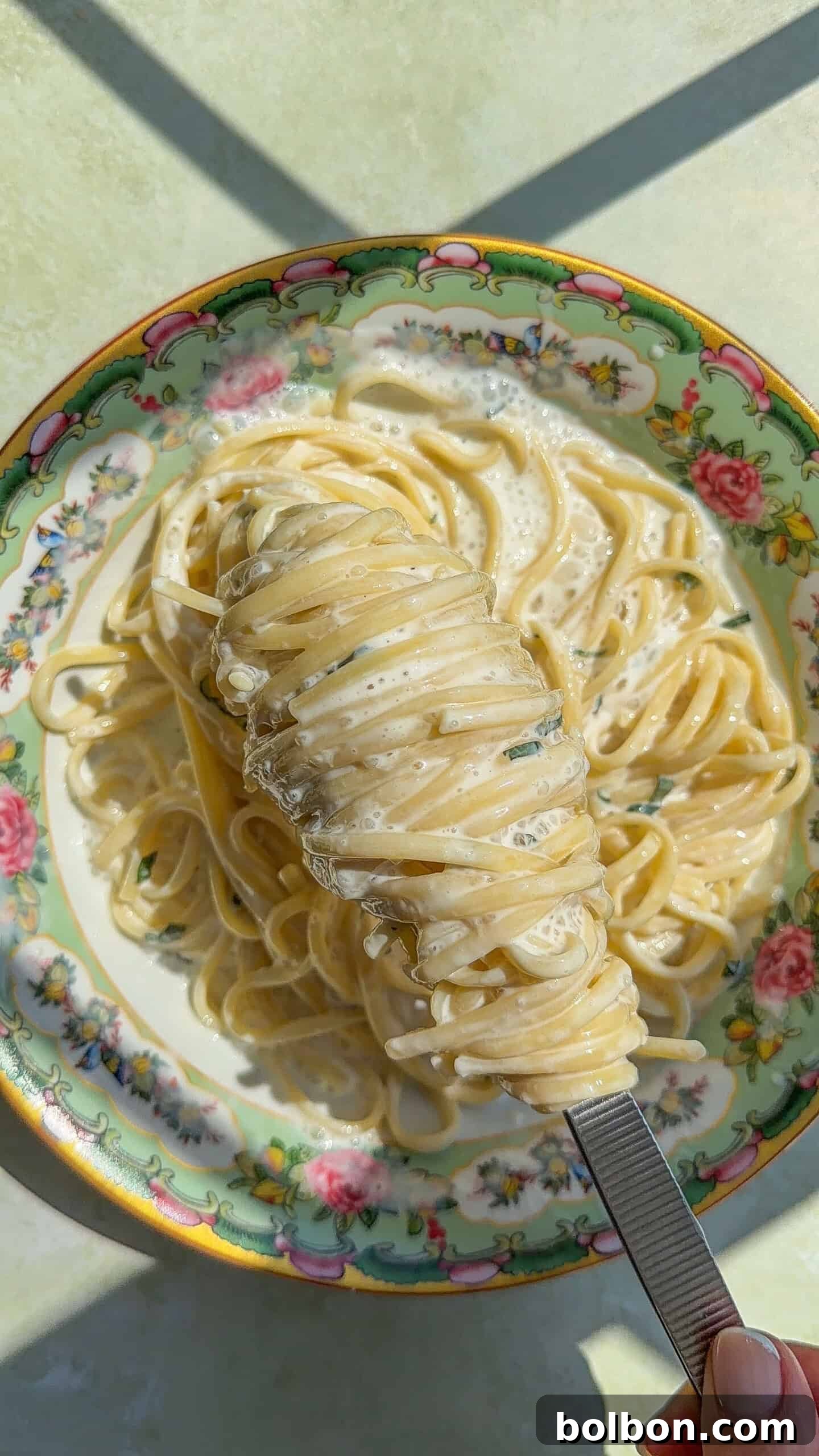
Do not cook the yogurt. Combine the yogurt with garlic, salt, and mint in a bowl, then toss with hot, drained pasta off the heat. The residual warmth from the pasta is enough to warm the sauce without causing it to break.
Tips for the Best Yogurt Noodles
Bring the yogurt to room temperature: Cold yogurt straight from the fridge can separate when mixed with warm pasta. Let it sit for 20–30 minutes while you boil the pasta.
Do not heat the yogurt directly: Mix the sauce in a bowl, then add cooled-hot pasta to the sauce off the heat. The gentle residual warmth avoids curdling.
Reserve pasta water: That starchy water helps loosen the yogurt and helps the sauce cling to the noodles. Add it a splash at a time until you reach the desired consistency.
Season before combining: Taste the yogurt mixture on its own and adjust salt and garlic so the final dish is well-balanced.
Add toppings last: If you’re using a paprika-butter drizzle or chili oil, add it right before serving so it stays glossy and aromatic.
Variations and Add-Ons
- Paprika butter drizzle: Melt butter gently, stir in sweet paprika, and drizzle over the plated pasta for a rich, smoky finish.
- Add protein: Top with seasoned ground beef or lamb for a more substantial meal, or add toasted pine nuts for crunch and extra protein.
- Fresh herbs and citrus: Garnish with extra mint and a squeeze of lemon to brighten the dish.
- Heat: Stir Aleppo pepper, Calabrian chili oil, or chili flakes into the butter or oil for a spicy kick.
- Tahini: For a nuttier, creamier version, stir in a tablespoon of tahini to the yogurt mixture.
More Yogurt Recipes
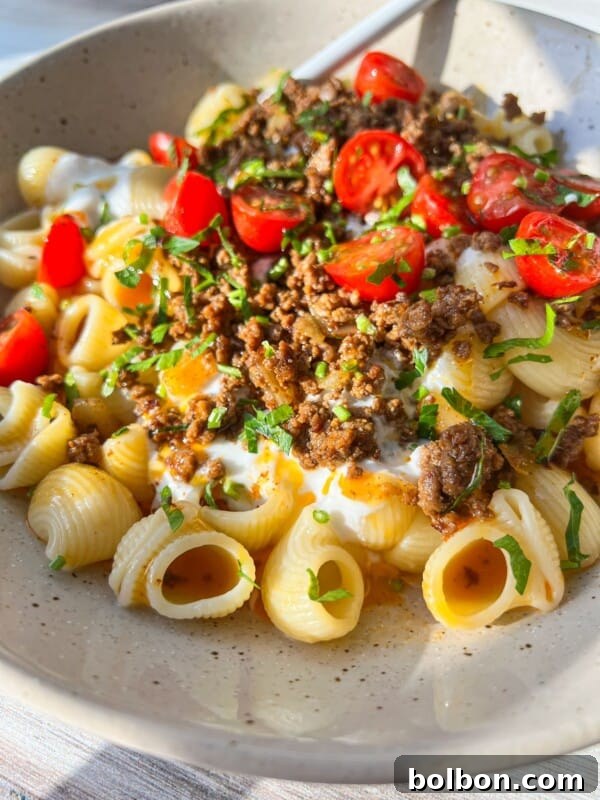
Turkish Pasta Recipe
20 mins
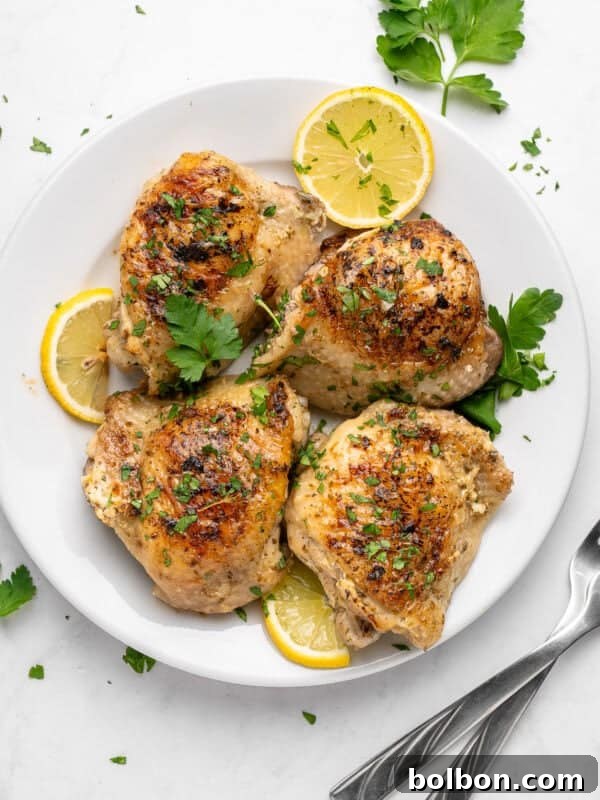
Lemon Yogurt Chicken
50 mins
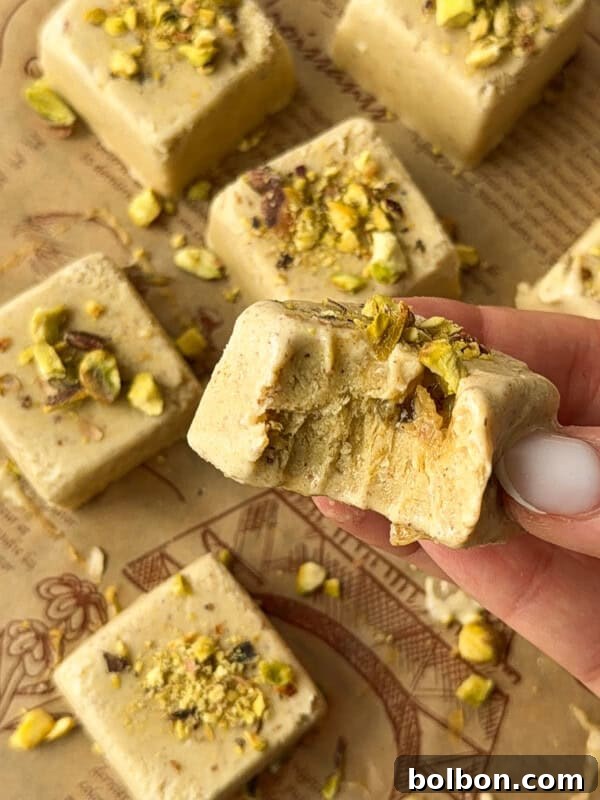
Pistachio Yogurt Bites
5 mins

Custard Yogurt Toast (Viral)
25 mins
Best Served With
- A simple cucumber-tomato salad or a creamy cucumber salad complements the cooling yogurt pasta.
- Rustic bread, such as a baguette or garlic bread, is great for mopping up the sauce.
- Seasonal vegetables — grilled asparagus, steamed broccoli, or roasted peppers — make excellent side dishes.
Storage and Leftovers
- Fridge: Keep leftovers in an airtight container for up to 2 days. The sauce will thicken over time.
- Reheating: Warm gently on the stove with a splash of water or reserved pasta water, stirring constantly. Avoid high-heat microwaving to prevent separation.
- Make-ahead: You can mix the yogurt sauce a day ahead and keep it chilled. Cook the pasta fresh and combine just before serving.
- Freezing: Do not freeze yogurt-based sauces — their texture degrades after freezing.
Common Questions
Yes. Greek yogurt is thicker and may need a few tablespoons of reserved pasta water to reach a smooth, pourable consistency.
Both begin with a garlic yogurt base, but Turkish versions often include seasoned ground meat and a paprika butter sauce. Macarona bil laban is typically meatless and mint-forward.
It can if exposed to high heat. Let the pasta cool for a few minutes after draining and combine off the heat to prevent curdling.
Spaghetti or linguine are traditional, but short shapes like penne and fusilli also work well and hold the sauce.
Thick plain coconut or cashew yogurt can substitute in a pinch, but expect a different flavor and texture.
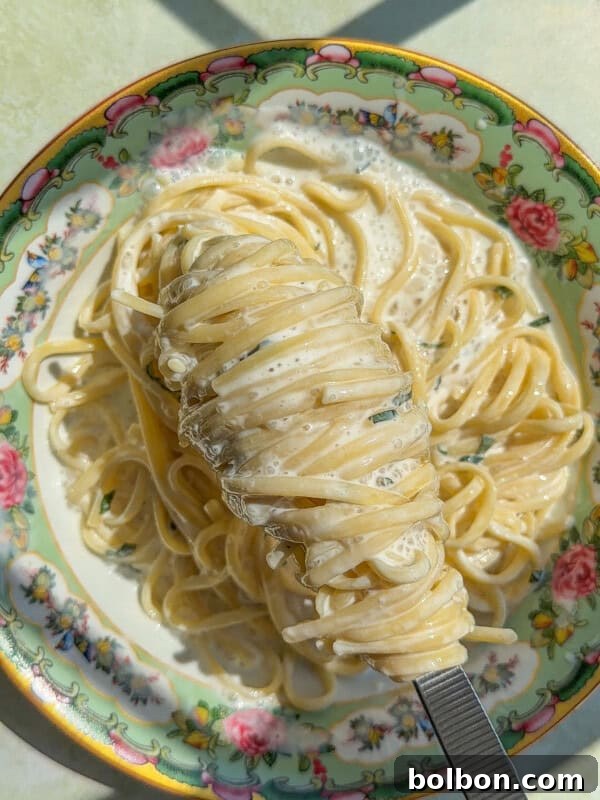
Yogurt Noodles
Equipment
- Large pot for boiling pasta
- Mixing bowl
- Colander
- Tongs or pasta fork
Ingredients
- 160 grams dry spaghetti or linguine
- 3/4 cup plain yogurt (full-fat preferred), room temperature
- Salt, to taste
- 1 garlic clove, minced (or more to taste)
- 1 tablespoon fresh chopped mint
Optional Toppings
- Paprika butter or chili oil for drizzling
- Toasted pine nuts or toasted breadcrumbs
- Extra mint or lemon wedges
Instructions
- Bring a large pot of salted water to a boil. Cook the pasta until al dente according to package directions. Reserve about 1/4 cup of the pasta cooking water before draining. Let the pasta cool for 5–10 minutes off the heat.
- While the pasta cools, combine the yogurt, minced garlic, salt, and chopped mint in a large bowl. Stir until smooth and taste, adjusting seasoning as needed.
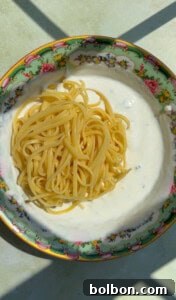
- Add the slightly cooled pasta to the yogurt mixture. Toss gently, adding reserved pasta water a splash at a time until the sauce reaches a silky consistency that coats the noodles.
- Taste the finished dish and adjust salt, garlic, or mint as desired. Garnish with additional mint and a drizzle of paprika butter or chili oil if using. Serve immediately.
Notes
Don’t add piping-hot pasta directly: Let the pasta cool slightly so the yogurt warms gently without separating.
Herbs: Fresh mint provides the brightest flavor. If substituting dried mint, use about 1/2 teaspoon because dried is more concentrated.
Serving temperature: This dish can be served warm, at room temperature, or chilled.
Paprika butter: For a richer finish, melt 2–3 tablespoons of butter, stir in 1/2 teaspoon sweet paprika, and drizzle over the plated pasta.