
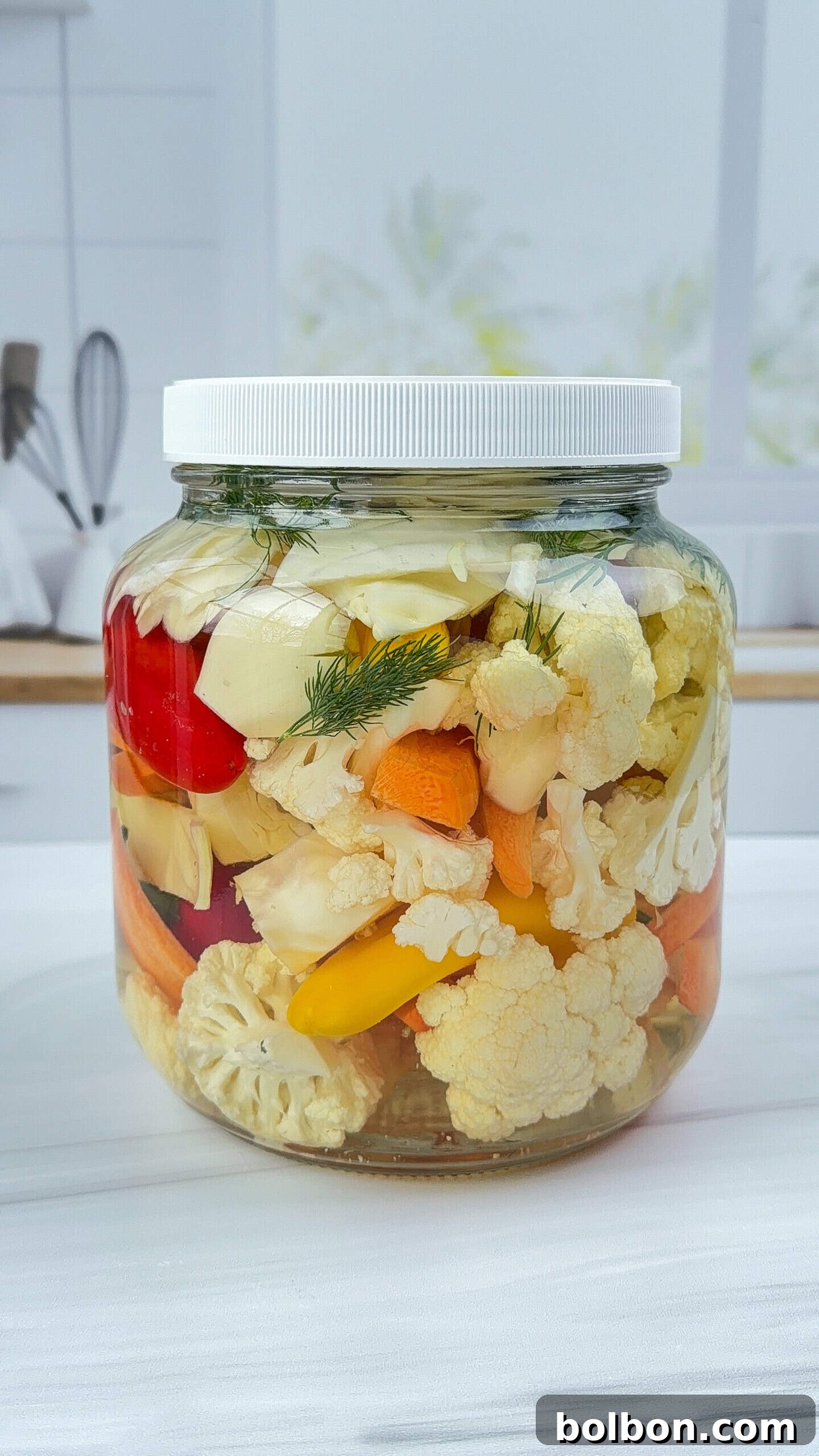
Master the Art of Quick Pickling: Your Guide to Addictive, Crunchy Veggies
Unlock a world of vibrant flavors and irresistible textures with my signature Quick Pickled Veggies. This recipe is your secret weapon for transforming ordinary vegetables into something truly extraordinary and effortlessly delicious. Forget the struggle of incorporating more greens into your diet; these perfectly pickled delights make eating vegetables a pure joy, not a chore. We achieve this culinary magic by bathing fresh, crisp produce in a balanced, sweet, and acidic pickling brine, infused with aromatic garlic and fresh dill. The outcome? Vegetables that are wonderfully crunchy, bursting with freshness, and delightfully tangy – a taste sensation that will keep you coming back for more. What makes this recipe truly outstanding is its unparalleled adaptability. Whether you’re working with seasonal produce, forgotten treasures in your crisper, or simply your favorite fibrous vegetables, this method ensures a delicious result every time.
Watch the full recipe video on Instagram for a visual guide!
View this post on Instagram
A post shared by Snejana Andreeva (@themodernnonna)
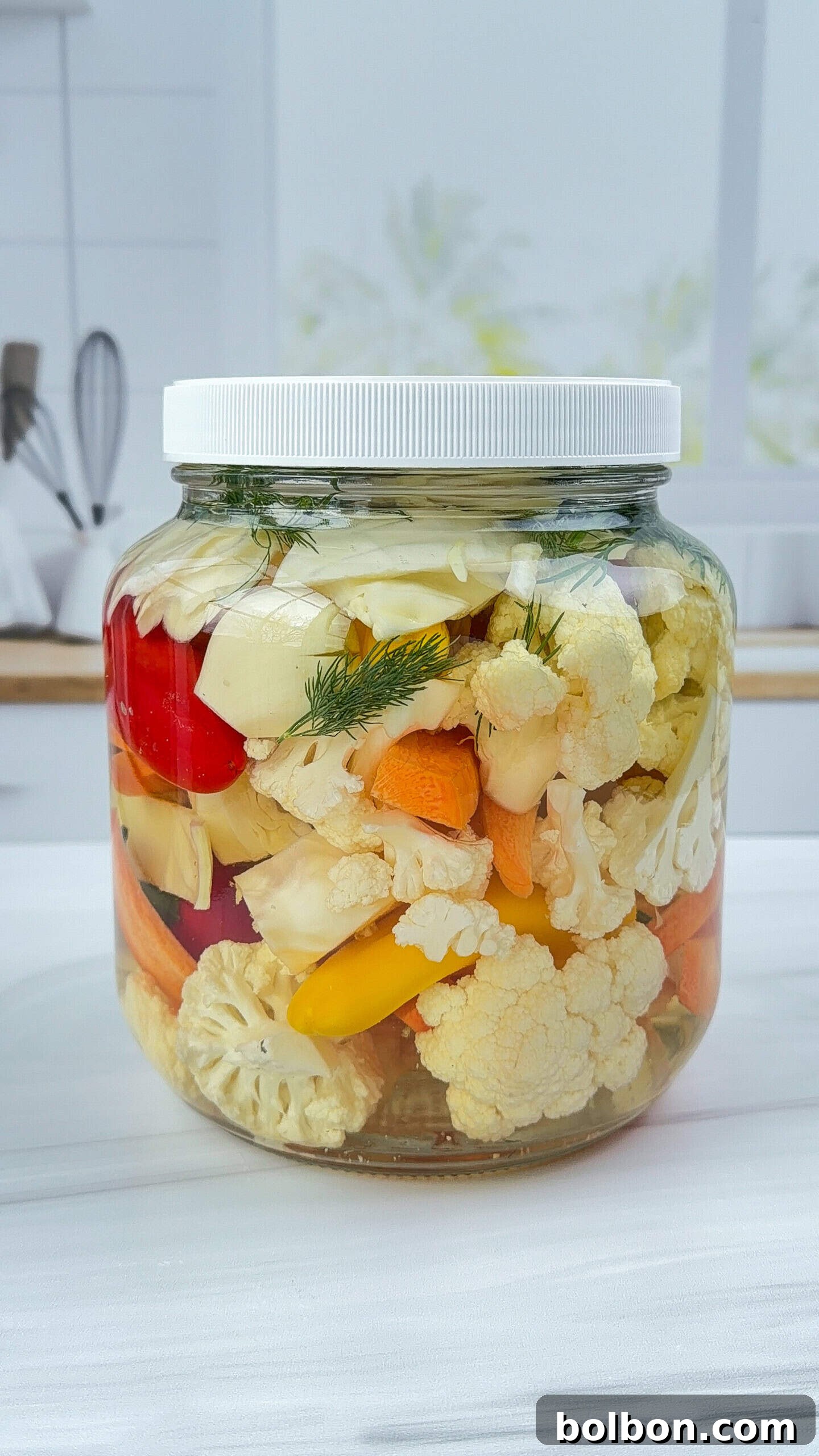
Key Benefits of Quick Pickled Vegetables
- Irresistible Flavor: Transform everyday vegetables into a sweet, tangy, and addictive side dish using a simple yet flavorful pickling brine.
- Customizable Creation: Enjoy complete freedom to adapt the recipe with your favorite fibrous vegetables, fresh herbs, and various vinegars to match any palate.
- Effortless Health Boost: These delectable pickled vegetables serve as a convenient and delicious way to increase your daily vegetable intake, contributing to a balanced diet.
- Versatile Pairing: Discover how these crunchy delights perfectly complement a wide array of meals, from savory tacos and juicy steaks to hearty sandwiches and spicy wings, adding a refreshing contrast.
- Extended Freshness: Learn how to properly store your quick pickled veggies, ensuring they remain fresh and vibrant for up to three weeks in the refrigerator when fully submerged in brine.
Table of Contents
- Key Benefits of Quick Pickled Vegetables
- Why Quick Pickled Veggies Are a Game-Changer
- The Science of Speedy Pickling
- Beyond the Basics: More Reasons to Love Quick Pickled Veggies
- Ingredients Spotlight: Crafting the Perfect Brine
- Nonna’s Expert Pickling Tips 🌈
- Endless Possibilities: Variations and Substitutions for Quick Pickled Veggies
- Elevate Your Meals: Best Served With Quick Pickled Veggies
- Storage and Longevity of Quick Pickled Veggies
- Troubleshooting Your Quick Pickles
- Similar Recipes to Inspire Your Pickling Adventures
- Your Questions Answered: Quick Pickled Veggies FAQ
- Essential Equipment for Perfect Quick Pickled Veggies
- Quick Pickled Veggies Recipe
Why Quick Pickled Veggies Are a Game-Changer
Beyond their incredible taste, quick pickled vegetables offer a multitude of benefits that make them an indispensable addition to any kitchen. They’re not just a delicious side; they’re a smart culinary choice that supports health, reduces waste, and elevates your everyday meals.
Boost Your Health Effortlessly
Incorporating quick pickled vegetables into your diet is a fantastic way to meet your daily nutritional goals. Packed with essential vitamins and minerals, they contribute significantly to your “5-a-day” intake. While traditional fermented pickles are renowned for their probiotic benefits, even quick pickles, with their raw vegetable base, retain many of the original nutrients. The acidic brine can also aid digestion, making these a healthy and satisfying snack or accompaniment.
Sustainable Cooking: Reduce Food Waste
One of the most practical advantages of quick pickling is its power to preserve. Those carrots starting to look a little sad, or the half-cabbage sitting in the fridge? Don’t let them go to waste! Pickling extends the shelf life of fresh produce by weeks, transforming potentially discarded items into vibrant, ready-to-eat treasures. It’s an eco-friendly approach to cooking that saves money and minimizes your carbon footprint.
Unbeatable Flavor and Texture Enhancement
The sweet and tangy brine doesn’t just preserve; it dramatically enhances the flavor and texture of vegetables. The pickling process softens tougher fibers just enough to make them tender-crisp, while infusing them with a complex sweet-sour profile that excites the palate. This unique combination makes even the most reluctant vegetable-eater eager for another bite.
Culinary Versatility at Your Fingertips
These quick pickled vegetables are more than just a side dish. They are a dynamic ingredient that can elevate a wide array of culinary creations. Add them to sandwiches for an extra crunch, fold them into salads for a zesty kick, serve them alongside rich meats to cut through fattiness, or simply enjoy them as a refreshing, low-calorie snack. Their bright flavor profile makes them an excellent counterpoint to heavy or spicy foods.
The Science of Speedy Pickling
Unlike traditional fermentation, which relies on beneficial bacteria to transform vegetables over days or weeks, quick pickling is all about the brine. This method rapidly infuses vegetables with flavor and preserves them using a hot acidic solution. The heat helps to quickly break down the cell walls of the vegetables, allowing them to absorb the brine more efficiently, while the vinegar and salt create an environment unsuitable for spoilage-causing microbes. This results in delicious, crunchy pickled vegetables ready to enjoy in just a few hours.
Beyond the Basics: More Reasons to Love Quick Pickled Veggies
While we’ve already highlighted many advantages, let’s dive deeper into why these quick pickled vegetables will become a staple in your kitchen. I firmly believe that almost every meal benefits from a vibrant side of pickled goodness 🥕🥬. It’s not just about adding a delicious component; it’s about smart cooking and making healthy choices feel exciting.
This particular recipe stands out due to its remarkable simplicity and flexibility. Crafted with a straightforward ratio of brine ingredients, it’s incredibly easy to scale up or down. Whether you need a small batch for a week’s worth of lunches or a larger quantity for entertaining, you can effortlessly adjust the recipe to suit your needs (find the precise ratio in the recipe card notes for perfect results every time). Furthermore, its truly adaptable nature means you’re never limited to specific produce. Experiment with a variety of fibrous vegetables, mix and match fresh herbs, or try different vinegars to create your unique flavor profiles. It’s a foundational recipe that encourages culinary creativity and ensures you always have a delightful, healthy option on hand.
Ingredients Spotlight: Crafting the Perfect Brine for Quick Pickled Veggies
The magic of these quick pickled vegetables lies in a carefully balanced blend of ingredients, each playing a crucial role in creating that signature tangy, sweet, and savory profile. Here’s a closer look at what you’ll need:
- 🥬 Cabbage: I typically reach for standard green cabbage for its crisp texture and mild flavor, which absorbs the brine beautifully. However, don’t hesitate to experiment with Savoy or Napa cabbage for slightly different textures. Be aware that using vibrant purple cabbage will impart a lovely pinkish-purple hue to your entire jar of pickled vegetables, which can be quite visually appealing!
- 🥕 Carrots: These add a natural sweetness and delightful crunch. For optimal pickling, peel your carrots and cut them into uniform matchstick pieces. This ensures they absorb the brine evenly and soften to the perfect tender-crisp consistency.
- 🧄 Garlic: A few cloves of fresh garlic are essential for infusing the brine with a pungent, aromatic depth. Beyond flavor, garlic also offers natural antimicrobial properties, contributing to the preservation process. Feel free to enjoy the pickled garlic cloves themselves – they become surprisingly mellow and delicious after soaking in the brine!
- 🌿 Dill: Fresh dill fronds are the cornerstone of that classic, refreshing pickle flavor. Their feathery texture and distinctive taste perfectly complement the vegetables. If fresh dill isn’t available, dried dill works well, or you can explore other fresh herbs like parsley, cilantro, or even a sprig of oregano for a different aromatic twist.
- 💦 Water: Hot, boiling water is key to expediting the quick pickling process. Its high temperature helps to gently break down the cellular structure of the vegetables, allowing them to soften slightly and readily absorb the flavorful brine, cutting down on refrigeration time.
- 🍶 Rice Vinegar: While many vinegars can be used, rice vinegar is my preferred choice for its exceptionally smooth and less assertive flavor profile. It provides the necessary acidity without overwhelming the delicate taste of the vegetables. Its slight natural sweetness also contributes to the balanced brine, creating a harmonious sweet-and-sour pickle. Other options include white wine vinegar, apple cider vinegar, or distilled white vinegar if you prefer a sharper tang.
- 🧂 Salt: This humble ingredient performs a triple duty in our pickling brine. First, it draws out excess moisture from the vegetables, intensifying their crunch. Second, it enhances all the other flavors, making them pop. Third, and critically, salt acts as a natural preservative, inhibiting the growth of undesirable bacteria and ensuring your quick pickles stay fresh longer.
- 🍯 Honey: To perfectly balance the intense acidity of the vinegar, a touch of sweetness is essential. Honey provides a lovely, nuanced sweetness that rounds out the flavor profile. For those following a vegan diet, agave nectar or granulated sugar are excellent, equally effective substitutes, allowing everyone to enjoy these delightful pickled veggies.
Nonna’s Expert Pickling Tips 🌈
A few insider tricks to ensure your quick pickled veggies are always perfect:
- Color Caution: Be mindful that vegetables with strong natural pigments, such as beets, red onions, or radishes, will beautifully dye the entire jar of quick pickled veggies a vibrant pink or purple. While this can be visually stunning, consider the aesthetic outcome if you prefer your vegetables to retain their individual colors.
- Uniformity is Key: For even pickling and consistent texture, aim to cut your vegetables into similar-sized pieces. Whether you choose matchsticks, coins, or spears, consistency ensures every bite is perfectly pickled.
- Packing Matters: When filling your jar, pack the vegetables firmly but not so tightly that the brine cannot circulate. This ensures all vegetables are fully submerged and evenly flavored.
- Taste Test the Brine: Before pouring, always taste your brine! Adjust the salt or sweetness to your preference. Remember, you’re looking for a balance that excites your taste buds.
- Let it Chill: While quick pickles are fast, giving them at least an hour (or even better, overnight) in the fridge allows the flavors to truly meld and deepen, enhancing their tang and complexity.
Endless Possibilities: Variations and Substitutions for Your Quick Pickled Veggies
The beauty of this quick pickling recipe lies in its incredible versatility. Feel free to experiment and customize it to your heart’s content, using whatever fresh produce and flavorings you have on hand. Here are some fantastic ideas to spark your creativity:
- Explore Vegetable Choices: The best candidates for quick pickling are tough, fibrous vegetables that hold their crunch well. Beyond cabbage and carrots, consider cauliflower florets, thinly sliced fennel bulbs, crisp cucumber slices, vibrant bell peppers (any color), wedges of peeled beets, or peppery radishes. Asparagus spears, green beans, or even thinly sliced zucchini can also be delicious additions.
- Play with Color: For a visually stunning outcome, deliberately add a few slices of red onion or beet wedges. These will naturally tint the entire batch of quick pickled veggies a beautiful pink or purple, adding a fun and vibrant touch to your meals.
- Herbaceous Adventures: Don’t limit yourself to dill! You can truly use any fresh herb you enjoy to impart different aromatic notes. Fresh parsley offers a bright, clean flavor; cilantro brings a zesty, almost citrusy hint (perfect for tacos!); and oregano provides an earthy, Mediterranean twist. Try combinations too, like dill and parsley, or cilantro and a hint of mint.
- Aromatic Roots: If you’re looking to deviate from the classic garlic flavor, swap out the garlic cloves for slices of fresh ginger or turmeric root. Ginger will add a warming, spicy kick, while turmeric will impart an earthy flavor and a gorgeous golden hue, along with its renowned health benefits.
- Spice it Up: For an extra layer of flavor, consider adding whole spices to your brine. Mustard seeds, coriander seeds, peppercorns, red pepper flakes for heat, or even a star anise can add delightful complexity and warmth to your quick pickles.
- Sweet or Savory Balance: Adjust the honey (or sugar) and salt levels to suit your personal preference. Want a sweeter pickle? Increase the sweetener. Prefer a tangier, saltier bite? Reduce the honey slightly or add a pinch more salt.
Elevate Your Meals: Best Served With Quick Pickled Veggies
The bright, tangy flavor and satisfying crunch of quick pickled vegetables make them an incredibly versatile condiment and side dish. They cut through richness, add a zesty counterpoint, and provide a refreshing burst of flavor to almost any meal. Here are some of my favorite ways to enjoy them:
- Tacos & Mexican Cuisine: Tacos and pickled veggies are an undeniable winning combination! The acidity perfectly balances the savory fillings and rich sauces. Pile them high on my Ground Beef Tacos, or add a vibrant crunch to these light and flavorful Easy Shrimp Tacos 🌮. They’re also fantastic with fajitas, quesadillas, or any burrito bowl.
- Hearty Meats & Grills: A side of crisp, tangy pickled vegetables is the ideal complement to rich, grilled meats. Imagine a perfectly cooked Carne Asada or a succulent steak, served alongside these bright pickles – it’s my idea of a truly perfect dinner, offering a refreshing contrast to the savory notes 🥩. They also pair wonderfully with roasted chicken or pork.
- Sandwiches, Wraps & Flatbreads: Transform an ordinary cold-cut sandwich into something extraordinary with the addition of these crunchy, fresh pickles. They add an essential zing and textural contrast. Serve them on a plate next to my comforting Cottage Cheese Flatbread or as a vibrant topping for hearty Bulgarian Meat Sandwiches 🥪. They’re equally amazing in wraps, burgers, or even alongside a simple grilled cheese.
- Balancing Rich or Spicy Dishes: Quick pickled vegetables are a culinary hero when it comes to balancing anything that’s a bit heavy, fatty, or spicy. Their acidity and freshness provide a welcome palate cleanser. They’re sensational with my sweet and sticky Honey BBQ Chicken Wings or to temper the heat of the fiery Hot Honey Chicken Wings 🍗. Think about pairing them with rich stews, creamy pasta dishes, or spicy curries for that perfect equilibrium.
- Snack Time Savior: Don’t forget, they’re a delicious and healthy snack all on their own! Straight from the jar, they offer a low-calorie, satisfying crunch.
Storage and Longevity of Quick Pickled Veggies
Proper storage is key to maximizing the freshness and flavor of your homemade quick pickled vegetables. When stored correctly, these tangy treats can last for several weeks, providing a consistent supply of deliciousness.
Best Practices for Storage:
- Keep Them Submerged: The most crucial rule is to ensure your vegetables are always fully submerged in the pickling brine. Any pieces exposed to air can spoil faster or develop an off-flavor. If necessary, use a fermentation weight or a small, clean plate to keep the veggies below the brine line.
- Airtight Container: Always store your quick pickles in a clean, airtight glass jar. This prevents air exposure, which can lead to spoilage, and keeps other refrigerator odors from affecting their taste.
- Refrigeration is Essential: Quick pickles are not shelf-stable like traditionally canned items. They must be stored in the refrigerator at all times to maintain their safety and quality.
- Shake Gently: Occasionally, gently swirl or invert the jar to ensure the brine and flavors are evenly distributed throughout the vegetables.
How Long Do Quick Pickled Veggies Last? When stored properly in the refrigerator and fully submerged in brine, your quick pickled vegetables will retain their optimal freshness, crunch, and flavor for up to 3 weeks. While they might be safe to eat for a bit longer, their texture and vibrant taste will start to diminish after this period. Always trust your senses: if they smell off, look moldy, or have a slimy texture, it’s best to discard them.
Troubleshooting Your Quick Pickles
Quick pickling is generally straightforward, but occasionally, you might encounter minor issues. Here are some common questions and simple solutions to ensure your pickling success:
- Veggies Aren’t Crunchy Enough: If your vegetables lack that satisfying crispness, it could be due to several factors. Ensure you’re using fresh, firm vegetables to begin with. The boiling water step softens them slightly, but they should firm up again in the fridge. Overly thin slicing can also make them less crunchy. For maximum crunch, some people like to briefly blanch their vegetables in ice water before adding the hot brine.
- Too Salty or Too Sweet: The beauty of a homemade brine is that you can adjust it to your taste. If your pickles taste too salty, you can dilute the brine with a little extra water (after pouring, not before, to avoid altering the vinegar ratio too much). If too sweet, a touch more vinegar or a pinch of salt can balance it. Conversely, if they’re too tart, add a bit more honey or sugar to taste.
- Cloudy Brine: A slightly cloudy brine is often normal, especially if you’ve added herbs or spices. However, if the brine becomes excessively cloudy or develops bubbles that weren’t there before, it could indicate spoilage. Always check for off-smells or mold.
- Uneven Flavor: Ensure your vegetables are cut uniformly and are fully submerged in the brine. Give the jar a gentle shake or inversion daily to redistribute the flavors, especially during the first few days of refrigeration.
Similar Recipes to Inspire Your Pickling Adventures
Quick Pickled Red Onions
Prep Time: 2 mins
Asian Cucumber Salad
Prep Time: 15 mins
Classic Pickled Red Onions
Prep Time: 5 mins
Your Questions Answered: Quick Pickled Veggies FAQ
When properly stored and fully submerged in the pickling brine, these quick pickled vegetables will maintain their optimal freshness and flavor for up to 3 weeks in the refrigerator. Always ensure the lid is tightly sealed.
Absolutely! This recipe is designed for flexibility. To create sweeter pickles, simply increase the quantity of honey to your desired taste. If you’re vegan, agave nectar or granulated sugar are excellent alternatives that can be adjusted similarly.
Yes, they are an excellent addition to a healthy diet! Quick pickled vegetables are a delicious and easy way to help you achieve your daily recommended “5-a-day” vegetable intake. They retain many of the raw vegetables’ nutrients and, when consumed regularly, can contribute to a balanced diet. While not fermented, the inclusion of vinegar can still aid digestion.
The serving possibilities are endless! I love eating them straight from the jar as a crunchy, low-calorie snack. They’re also fantastic chopped and added to sandwiches, wraps, and tacos for extra zest and crunch. Serve them as a refreshing side dish alongside grilled meats, poultry, or any rich or spicy meal to provide a perfect flavor balance.
Definitely! This recipe is incredibly adaptable. While carrots and cabbage are excellent choices, any tough, fibrous vegetable will work wonderfully. Consider cauliflower florets, thinly sliced fennel bulbs, red onions, wedges of peeled beets, crisp radishes, bell peppers, or even green beans. Feel free to mix and match your favorites!
A simple and versatile ratio for your pickling brine is 1 cup water, 1 cup vinegar, 1 tablespoon honey (or sugar), and 1 teaspoon salt. This ratio can be easily scaled up or down depending on the quantity of vegetables you are pickling.
Essential Equipment for Perfect Quick Pickled Veggies
Having the right tools can make your quick pickling process even smoother and more enjoyable. Here’s a list of essential equipment that will help you achieve perfect results every time:
- Chef’s Knife: A sharp chef’s knife is crucial for efficiently slicing and chopping your vegetables into uniform pieces, ensuring even pickling.
- Cutting Board: A sturdy and clean cutting board provides a safe surface for all your vegetable preparation.
- Measuring Cups & Spoons: Accurate measurements are key for a balanced brine. Ensure you have a reliable set for liquids and dry ingredients.
- Half-Gallon Mason Jar (or similar airtight jar): A clean, heat-proof glass jar with a tight-fitting lid is essential for holding your vegetables and brine. Mason jars are ideal as they are designed for canning and heat tolerance. The size can vary depending on your batch.
- Large Heat-Proof Bowl: You’ll need this to safely mix your hot pickling brine ingredients before pouring them over the vegetables.
- Saucepan: For boiling the water to create your pickling brine.
With these simple tools, you’ll be well-equipped to embark on your quick pickling journey!
Quick Pickled Veggies
Facebook Share
Rate Recipe
Print Recipe
Video
Ingredients
- ⅛ small green cabbage, rough chop
- 2 carrots, peeled and sliced into matchsticks
- 6 cloves garlic, peeled
- fresh dill
- 2 cups boiling hot water
- 2 cups vinegar, (rice, white wine, apple cider, or white)
- 2 teaspoons salt
- 2 tablespoons honey, or sugar to taste, optional
Instructions
-
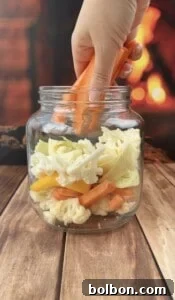
Begin by preparing your vegetables. Place the roughly chopped cabbage, matchstick carrots, peeled garlic cloves, and fresh dill into a clean, heat-proof jar with a tight-fitting lid. Pack them firmly but leave enough space for the brine to circulate and fully submerge the ingredients.

-
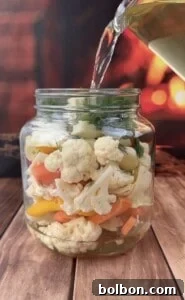
In a separate large, heat-proof bowl, carefully combine the boiling hot water, your chosen vinegar, salt, and honey. Stir the mixture diligently until the salt is completely dissolved and the honey is fully incorporated. This creates your essential pickling brine. Carefully pour this hot solution over the prepared vegetables in the jar, ensuring that all the vegetables are fully submerged in the brine. This is crucial for even pickling and preservation.
-
Important Note: The total amount of liquid required can vary significantly, ranging from 2.5 to 4 cups, depending on how densely you’ve packed your vegetables into the jar. Always make sure there’s enough brine to completely cover everything.
-
Allow the filled jar to cool completely at room temperature. Once cooled, securely close the lid and transfer the jar to the refrigerator. For the best flavor and texture, refrigerate for at least 1 hour before serving, though an overnight chill yields even better results. Your delicious quick pickled veggies can be stored in the fridge and enjoyed for up to 3 weeks, provided they remain fully submerged in the brine.

Notes
- Effortless Scaling: Thanks to a simple ingredient ratio, it’s incredibly easy to adjust the yield of your quick pickled veggies. For every 1 cup of water, use 1 cup of vinegar, 1 tablespoon of honey (or sugar), and 1 teaspoon of salt. This ratio allows you to multiply or divide the recipe to create a small tasting batch or a large jar for a party.
- Custom Cutting: The size and shape of your vegetable pieces will influence how quickly they pickle and their final texture. Smaller cuts, like thin matchsticks or coins, will pickle faster. However, you are free to prepare them in any shape you prefer, from elegant spears to bite-sized chunks; just be aware that larger pieces will take longer to become fully infused with flavor.
- Flavor Balance: Personalize your quick pickles by adjusting the saltiness or sweetness. Feel free to increase the amount of honey for a sweeter pickle, or add a little extra salt if you prefer a more pronounced savory tang. Always taste the brine before pouring it over the vegetables and adjust as needed.
Nutrition Facts (per serving)
Calories: 83kcal,
Carbohydrates: 15g,
Protein: 1g,
Fat: 0.1g,
Saturated Fat: 0.03g,
Polyunsaturated Fat: 0.04g,
Monounsaturated Fat: 0.01g,
Sodium: 1201mg,
Potassium: 194mg,
Fiber: 2g,
Sugar: 12g,
Vitamin A: 5147IU,
Vitamin C: 19mg,
Calcium: 46mg,
Iron: 0.5mg
Nutrition information is automatically calculated, so should only be used as an approximation.
Additional Info