Ribeye Steak
- Makes 1 steak
- Prep 9 minutes
- Cook 7 minutes
- Total 16 minutes
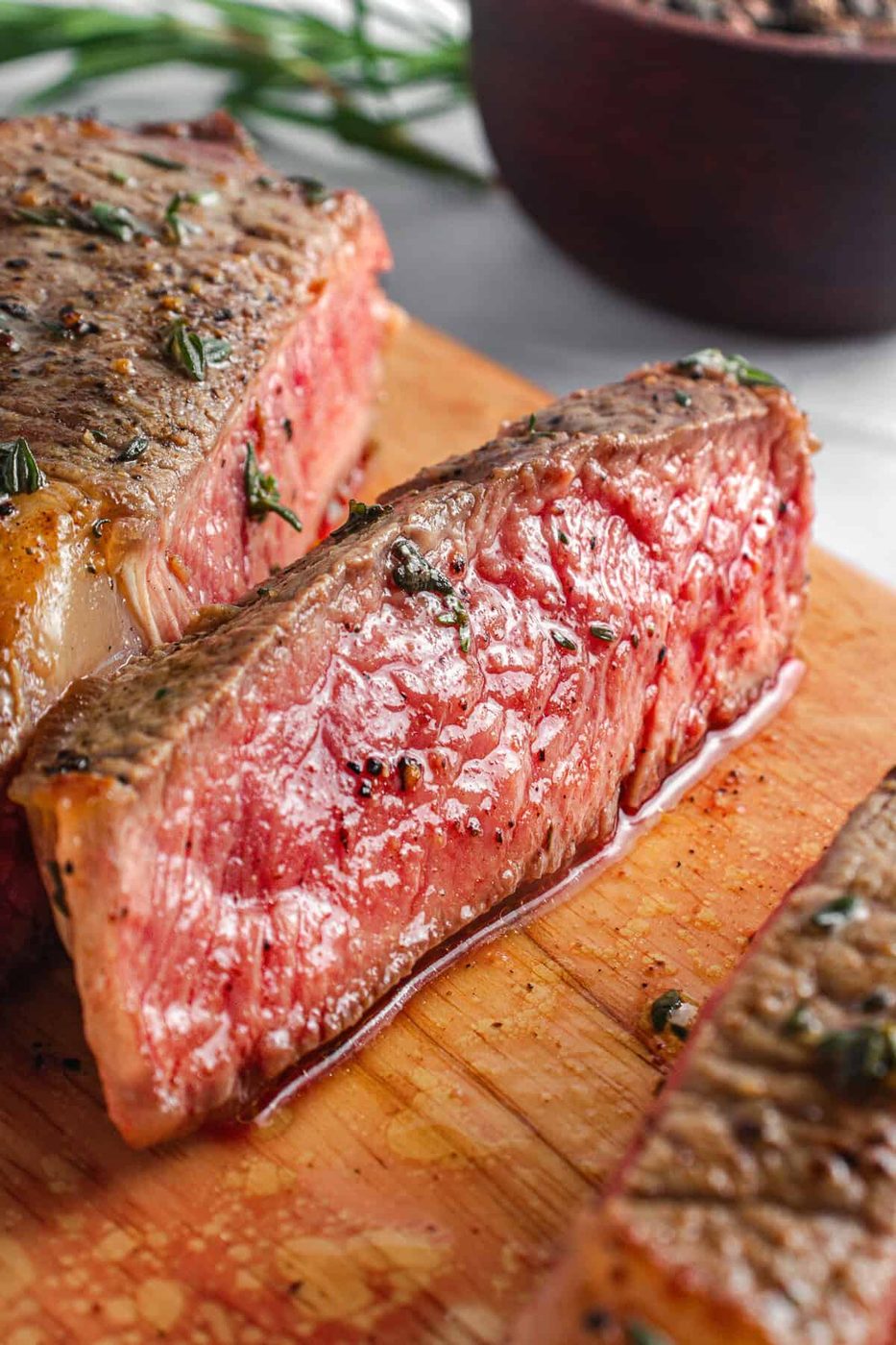
If you want to cook Ribeye Steak like a pro you’ve come to the right place! There are few things we consistently crave, but steak? We crave steak like a kid craves attention. A perfectly cooked, juicy, tender medium-rare steak will beat out most fancy dishes for us (and honestly, just about anything else). It’s one of those deceptively simple dishes that’s a bit tricky to master, but once you do? It’s like unlocking a superpower. With Valentine’s Day just around the corner, impressing your partner with flawless steak skills might just be your ticket to a very memorable evening. So, we're here to teach you how to make steak so good – you’ll be the one everyone’s craving!
What stands out
This Ribeye Steak is the only steak recipe you’ll ever need – it guarantees a perfectly cooked juicy, and tender steak every time, no matter what cut you’re working with. With a few simple tips—like searing the fat cap for extra flavor, basting with butter and garlic, and resting the steak to lock in juices—you’ll become the steak master you were always meant to be. People will be talking about your steak for weeks, and it won’t be because it was drier than a history lecture. Not on our watch!
How to Prepare
Take the ribeye out of the fridge and let it come to room temperature.
Season both sides generously with salt and pepper.
Heat up a cast iron skillet over medium-high heat and add 1-2 tablespoons of avocado oil (or any high smoke point oil). Let it get hot before adding the steak.
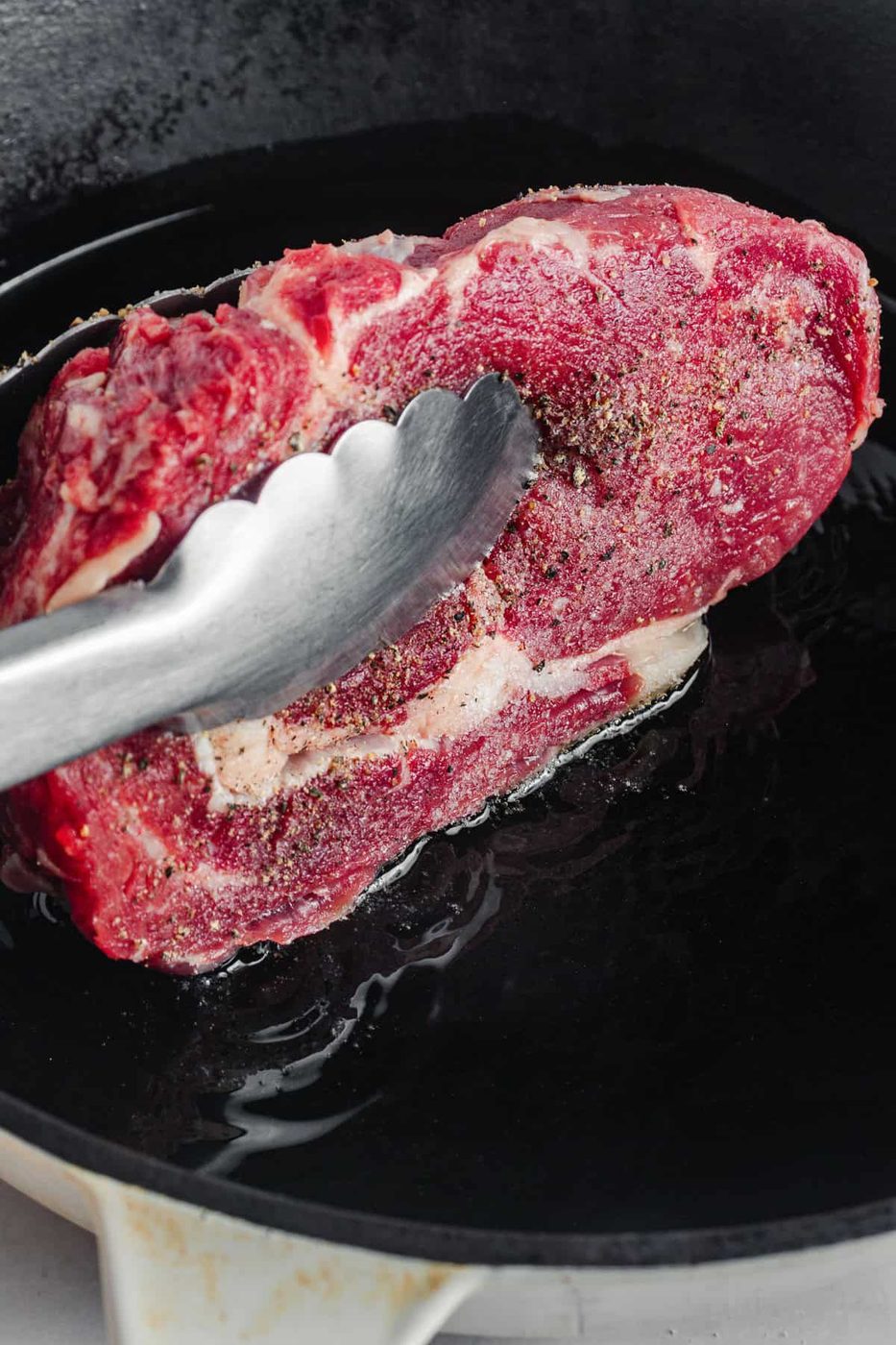
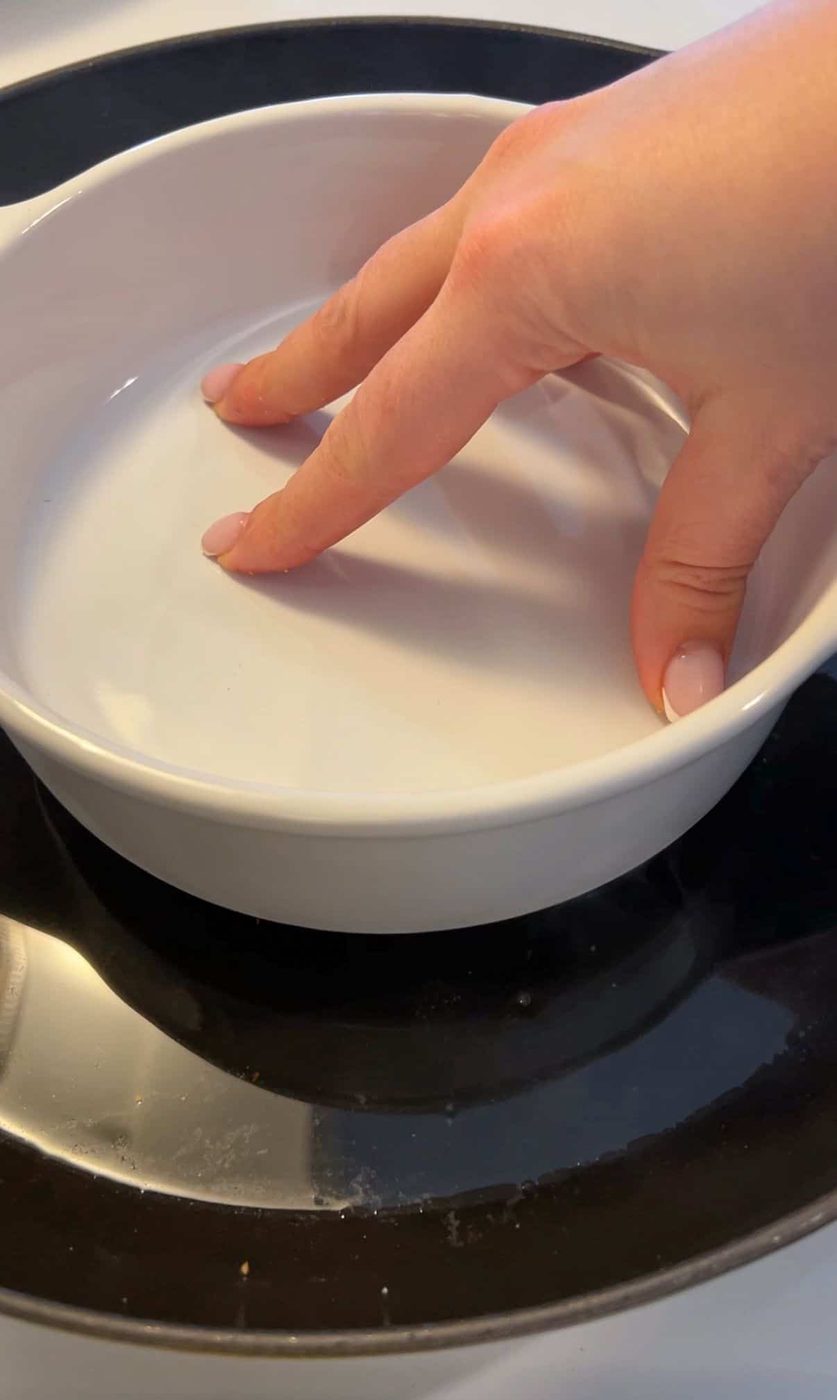
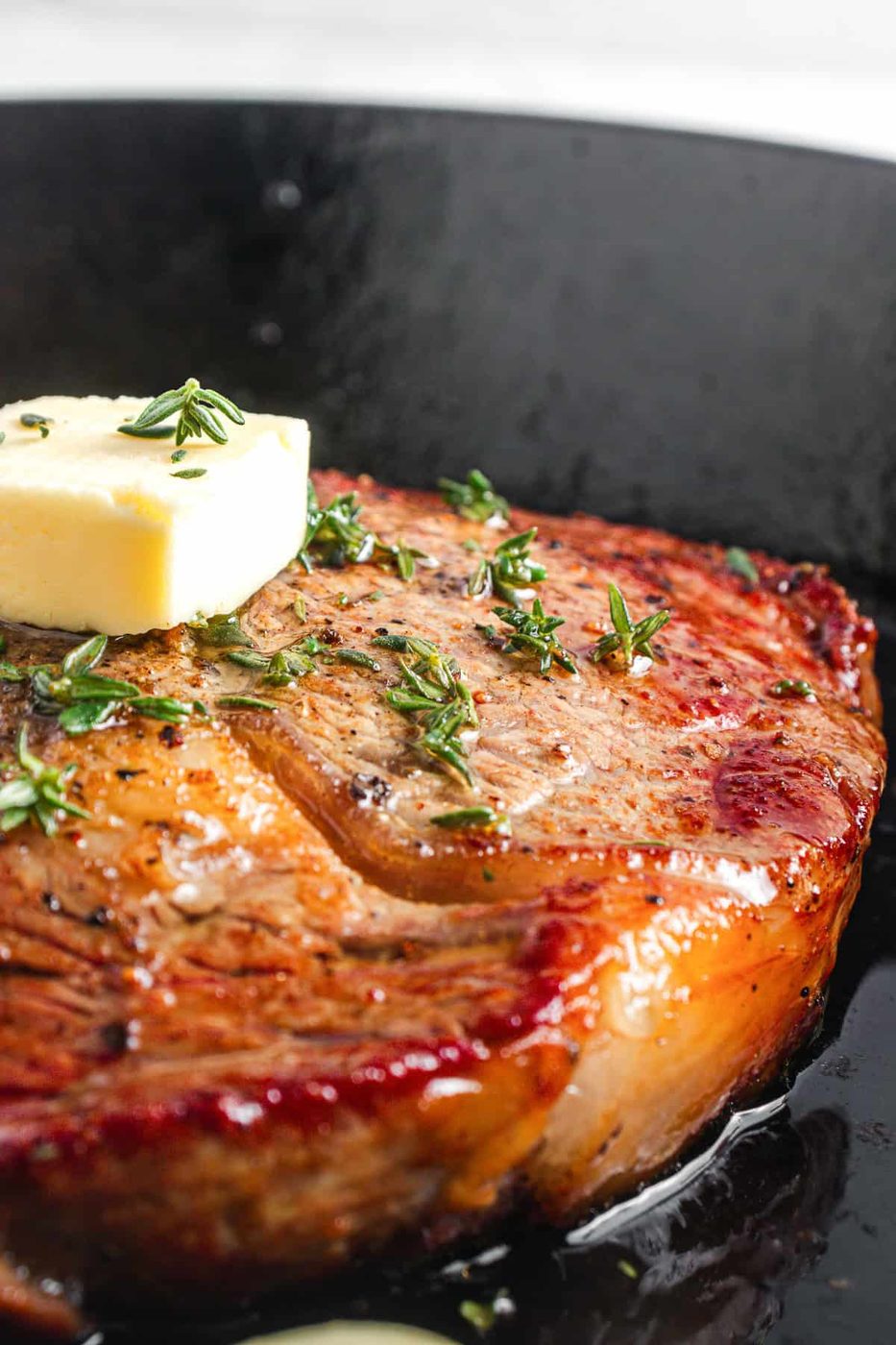
Use tongs to hold the steak on its side and sear the fat cap until it’s beautifully browned. This step adds so much flavor!
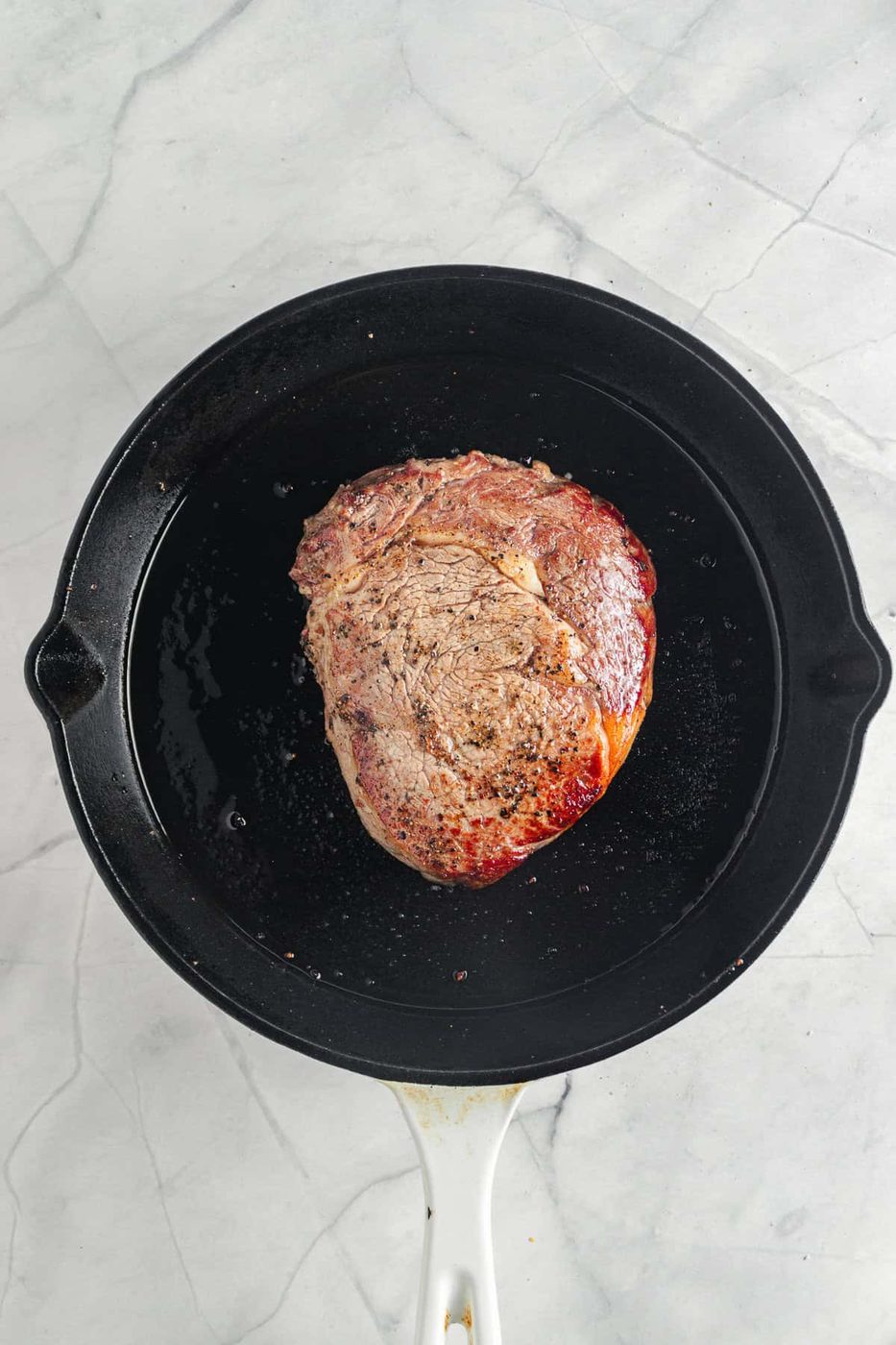
Lay the ribeye flat in the pan and place something heavy on top (like a grill press or heavy-bottom pot) to ensure it gets a deep, golden crust. Sear for about 2 minutes.
Flip the steak and sear the other side for another 2 minutes.
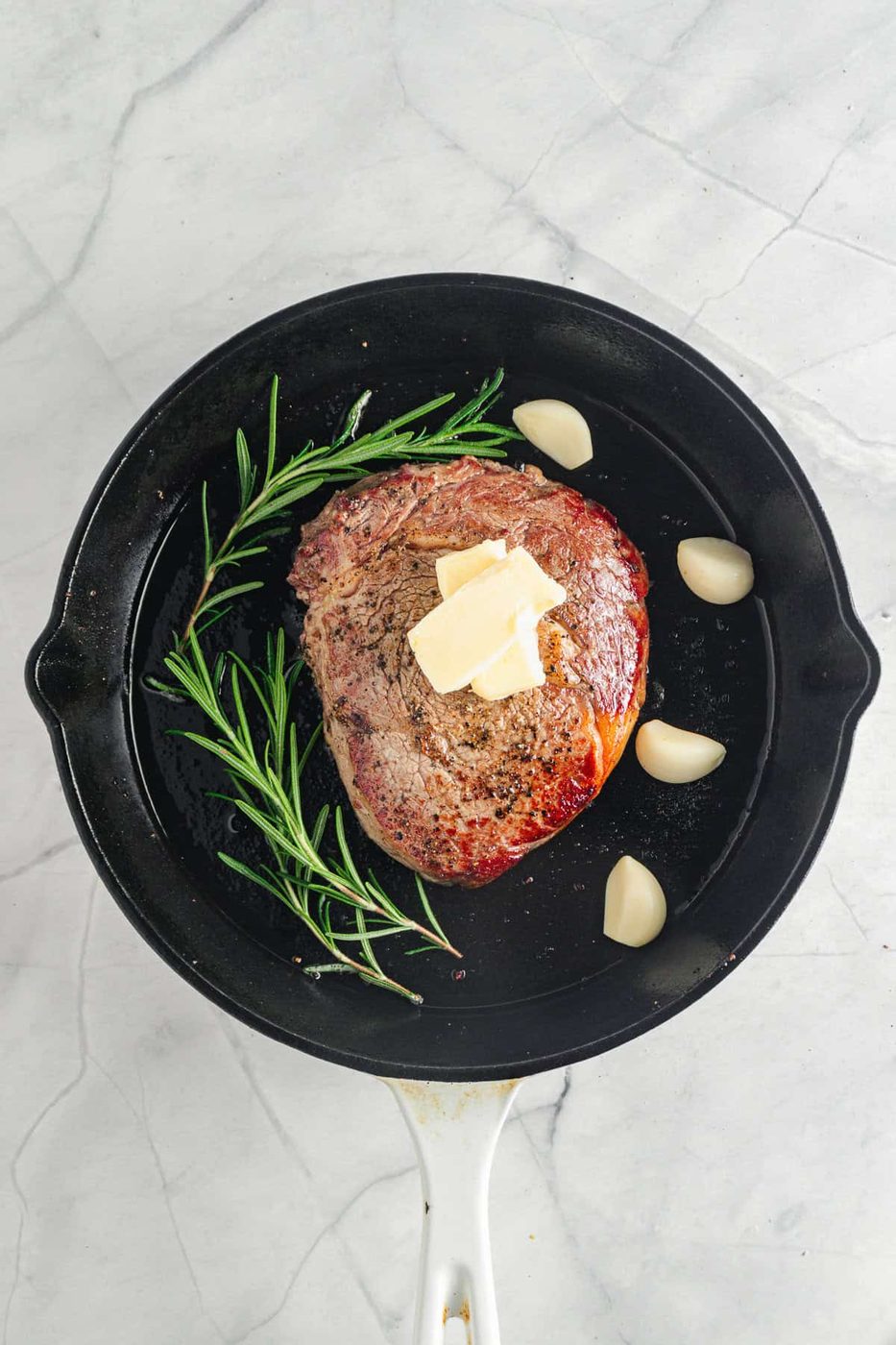
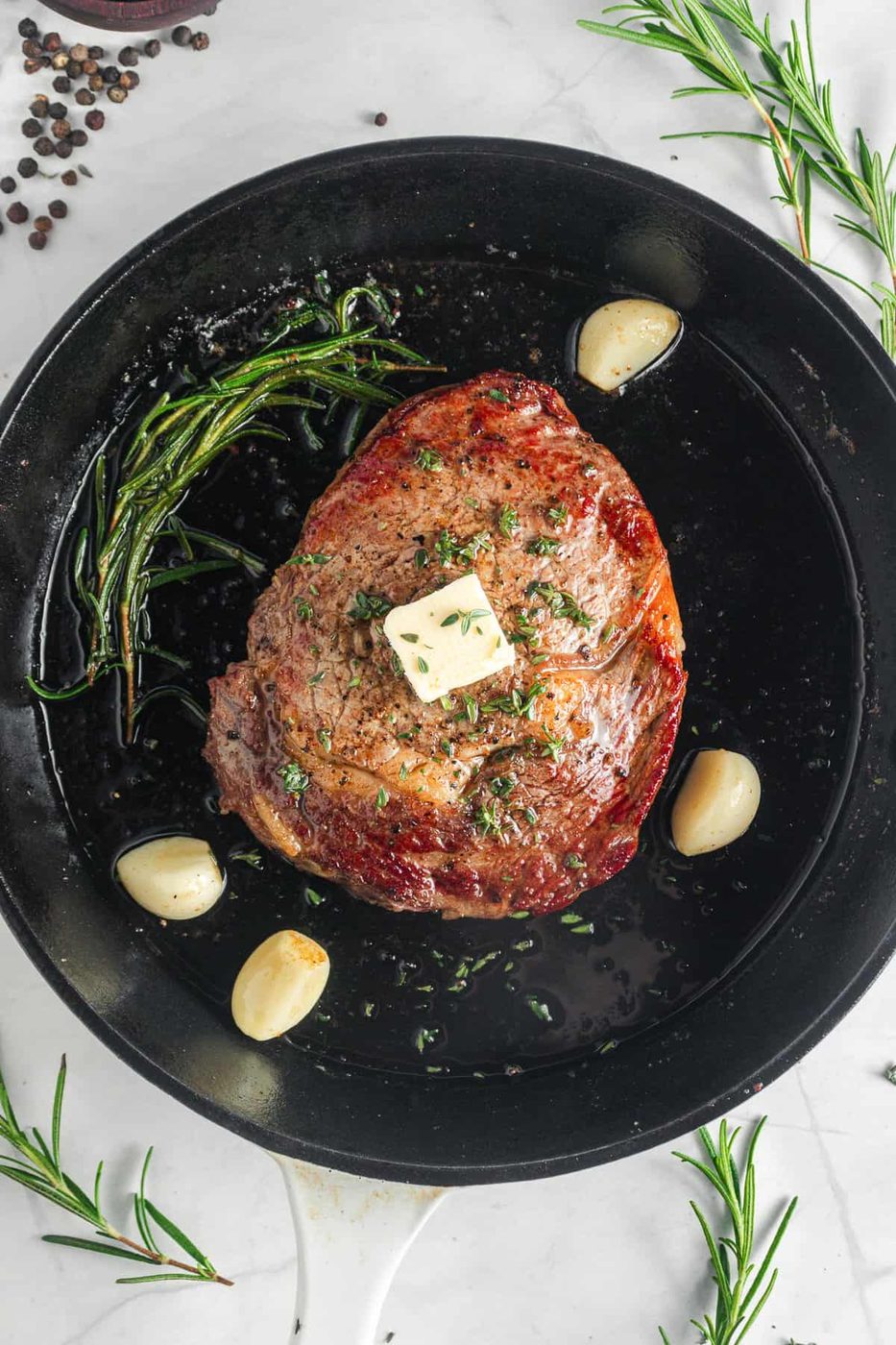
Reduce the heat to low and add a knob of butter, 4 whole garlic cloves, and a sprig of rosemary. Tilt the pan slightly and spoon the melted butter over the steak, basting repeatedly.
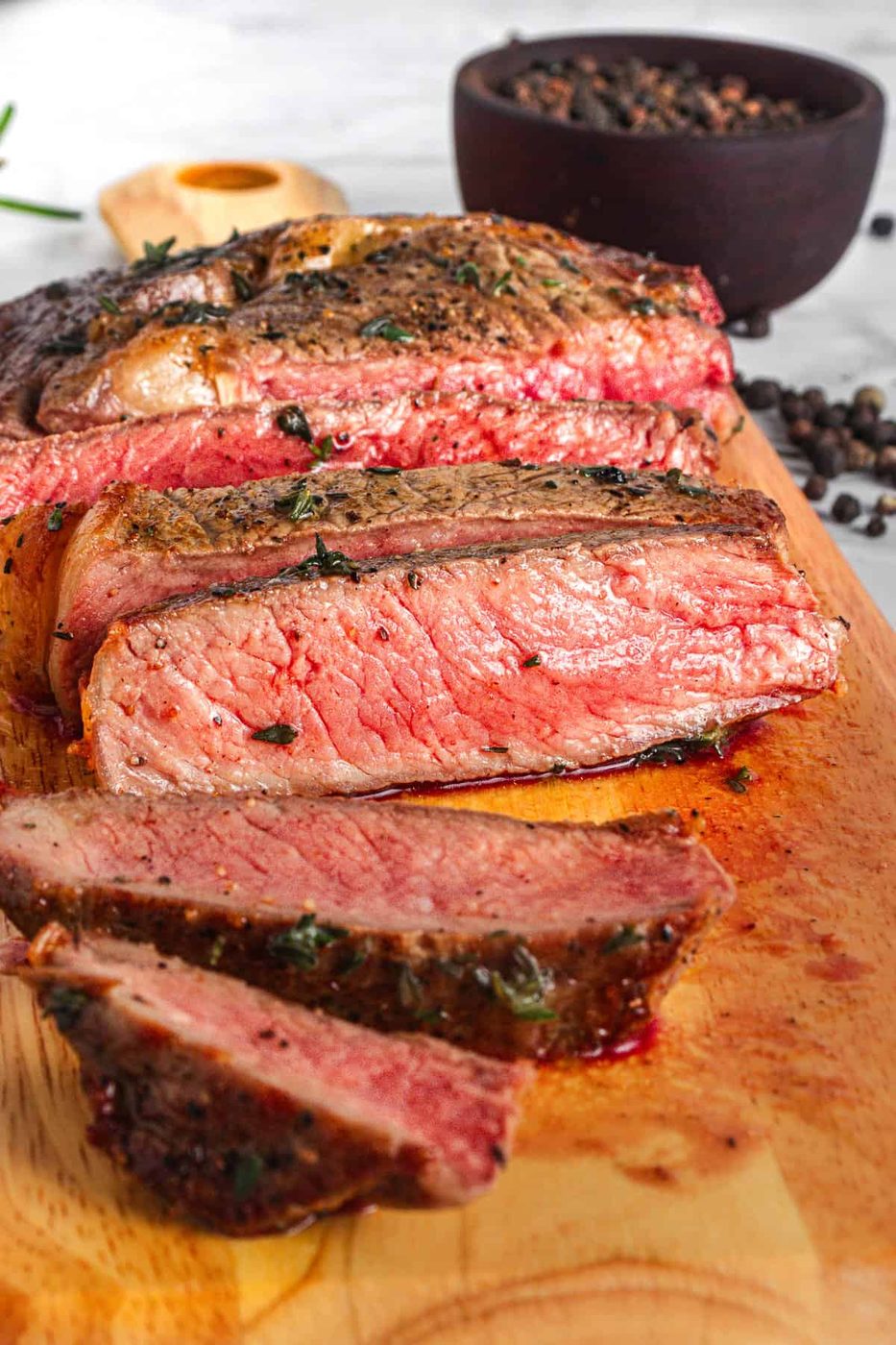
Remove the steak from the pan and let it rest for at least 10 minutes before cutting with a sharp knife. This locks in all the juices and keeps it moist and flavorful.
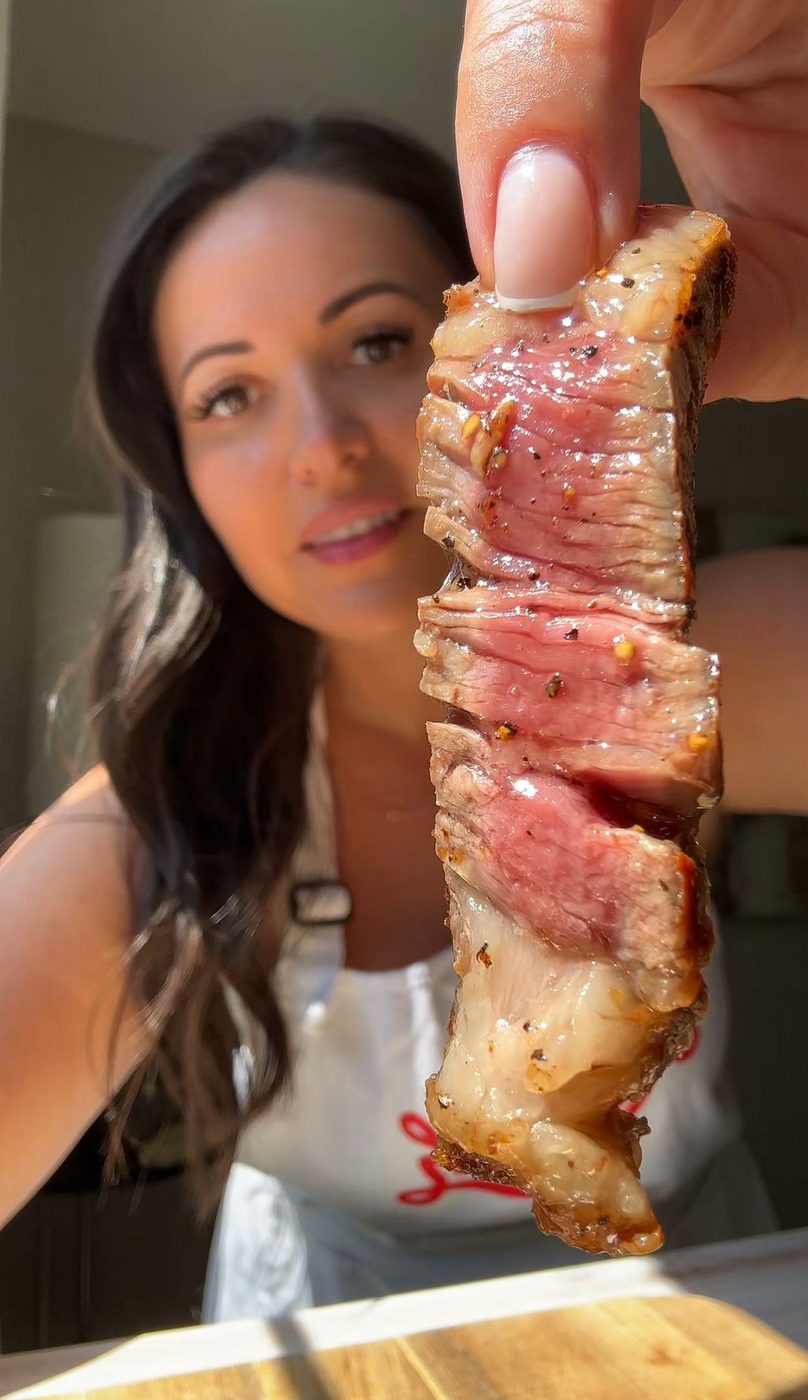
For medium-rare, adjust cooking time based on the steak’s thickness. A meat thermometer should read 125°F (52°C) before resting. [Note: The internal temp will continue to rise by 5-10°F (3-6°C) while the steak rests.]
Kitchen tip
Allow the steak to reach room temperature before cooking for quicker, more even cooking and a crispier crust!
Swaps
- While ribeye is the star here, you can use other cuts like New York strip, filet mignon, or T-bone. Just adjust the cooking time depending on the thickness and type of steak.
- Instead of just salt and pepper, try seasoning with garlic powder, onion powder, smoked paprika, or a steak seasoning blend for extra flavor.
- If you don’t have avocado oil, use other high-smoke point oils like grapeseed oil, vegetable oil, or even ghee.
- For a richer taste, you could use compound butter (butter mixed with herbs, garlic, and spices) instead of regular butter.
- If you don’t have a cast iron skillet, a stainless-steel pan works well too. Just make sure it’s heavy-duty to achieve that nice sear. Check out How To Make Stainless Steel Non-Stick!
- For a grill version sear the steak over high heat on the grill for 2 minutes on each side, then lower the heat and cook to your desired doneness, basting with butter as you go.
Avoid These Common Mistakes
Even the best cuts of steak can go wrong with simple mistakes—avoid these common pitfalls for a perfectly cooked ribeye every time!
- Cooking a cold steak: Always let your ribeye come to room temperature before cooking. A cold steak won’t cook evenly and can lead to an overcooked exterior with a raw center.
- Season from above: Sprinkling salt from a higher distance evenly distributes the seasoning for better flavor. Don’t just dump it on—let it rain!
- Skipping the weight trick: Placing something heavy on top of the steak ensures maximum contact with the pan, creating that gorgeous crust.
- Not letting it rest: Cutting too soon will cause all the juices to run out, leaving your steak dry. Give it at least 10 minutes to rest before slicing.
- Guessing doneness: If you’re aiming for medium-rare, use a meat thermometer for accuracy. The internal temp should be 125°F (51°C) before resting, as it will rise another 5-10°F (3-6°C).
Ribeye Steak Is Best Served With
- Steak and potatoes are a match. Pair this Ribeye Steak with tangy Greek Lemon Potatoes classic Roasted Garlic Mashed Potatoes or healthy Roasted Sweet Potatoes.
- Create the, hearty bowl with sliced ribeye strips atop rustic Grilled Veggies.
- Make it a surf & turf feast with this Coconut Shrimp Recipe.
- Don’t forget dessert! Our Moist Chocolate Cake Recipe is the finish to a yummy steak dinner!
Questions
Do i need a meat thermometer?
Can we cook this steak without a cast iron skillet?
Yes, but a cast iron skillet retains heat better and creates a superior crust. If using a stainless steel pan, ensure it’s preheated properly. Check out a mark How To Make Stainless Steel Non-Stick!
What’s the ideal internal temperature for our steak?
Strong Rare: 120-125°F (49-52°C) br strong Medium-Rare: 125-130°F (52-54°C) br strong Medium: 135-145°F (57-63°C) br strong Medium-Well: 145-155°F (63-68°C) br strong Well Done: 160°F+ (71°C+) br br For medium-rare, remove the steak at 125°F (52°C) since it will rise 5-10°F while resting.
Why do we need to sear the fat cap first?
Searing the fat cap renders the fat and adds flavor, creating a crust around the steak.
What’s the best oil to use for searing?
Use a high smoke point oil like avocado oil, canola oil, grapeseed oil, or vegetable oil to prevent burning.
Can we make this Ribeye Steak on the Grill?
For a strong grill version, sear the steak over high heat on the grill for 2 minutes on each side, then lower the heat and cook to your desired doneness, basting with butter as you go.
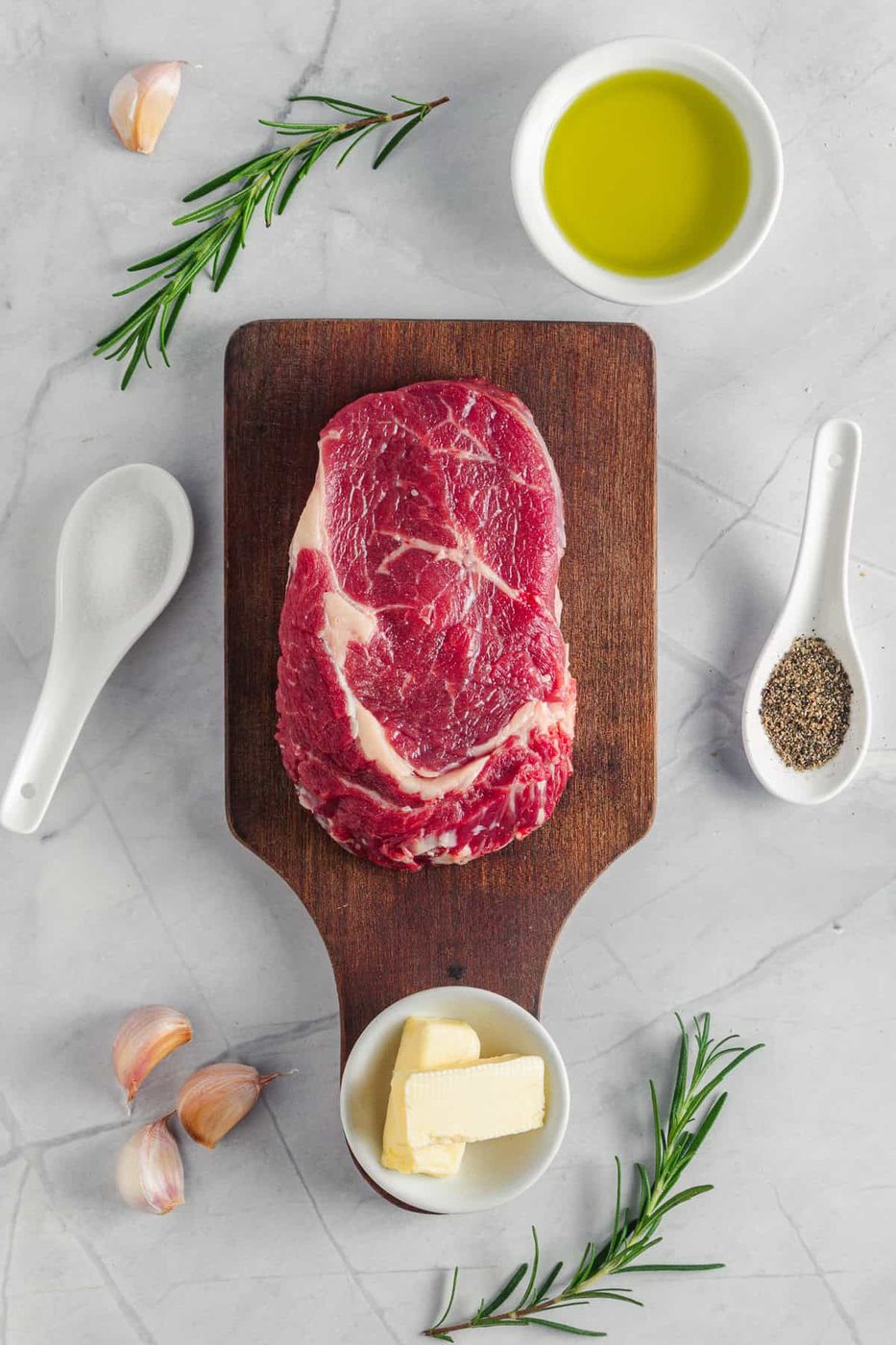
Ingredients
Makes 1 steak
- 1 ribeye steak, mine was 12 ounces
- salt + pepper, to taste
- 1 tablespoon avocado oil, or any high smoke point oil
- 2 tablespoons butter
- 4 whole garlic cloves
- 1 sprig rosemary
Equipment
- Redmond Real Salt
- Cutting Board
- Nakiri Knife
- Cast Iron Pan
Method
- Remove the steak from the fridge and let it come to room temperature. Pat it dry well. Generously season both sides with salt and pepper from higher above.
- Heat a cast iron skillet over medium-high heat and add 1-2 tablespoons of oil. Let the oil heat until shimmering.
- Using tongs, hold the steak on its side and sear the fat cap until browned.
- Lay the steak flat in the pan and press it down with a heavy object to ensure even contact. Sear for about 2-3 minutes. Flip the steak and sear the other side for another two minutes (for medium-rare).
- Lower the heat and add the butter, garlic cloves, and rosemary to the pan. Tilt the pan slightly and spoon the melted butter over the steak, basting repeatedly.
- Remove the steak from the pan and let it rest for at least ten minutes.
- For medium-rare, the internal temperature should reach 125°F (52°C) before resting, as it will rise another 5-10°F (3-6°C) while resting.
- Enjoy your perfectly seared ribeye!
Kitchen notes
Nutritional Info:The nutritional information is not an exact representation of calories in this recipe as one 12oz ribeye typically has 1200 calories. If you want to be precise, please weigh and measure your ingredients followed by plugging them into an app such as “lose it.” Steak Temperature: For medium-rare, the internal temperature should reach 125°F (52°C) before resting, as it will rise another 5-10°F (3-6°C) while resting. Please cook longer and use a meat thermometer if you like it medium or medium-well. Steak Tips: Always let the steak come up to room temperature before cooking. Pat it dry really well and season with salt and pepper from higher up. Always sear off the fat cap first and don’t forget to let the steak REST once it’s out of the pan. Rare: 120-125°F (49-52°C)Medium-Rare: 125-130°F (52-54°C)Medium: 135-145°F (57-63°C)Medium-Well: 145-155°F (63-68°C)Well Done: 160°F+ (71°C+)