
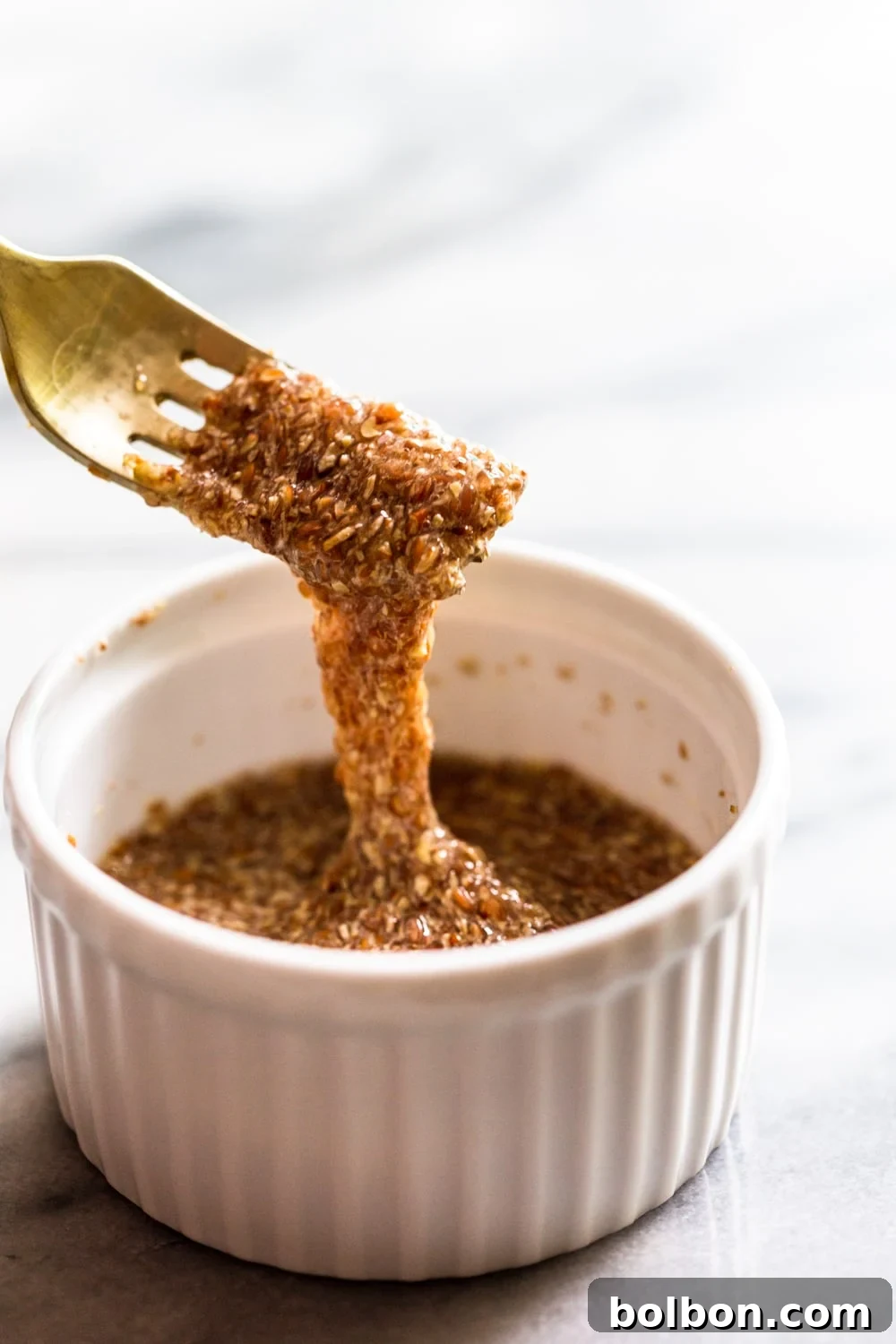
Have you ever found yourself in the middle of a baking frenzy, only to discover you’re fresh out of eggs? Or perhaps you’re exploring the vibrant world of vegan baking, managing a food allergy, or simply looking for a healthier alternative? Whatever your reason, mastering the art of the flax egg is a game-changer for any kitchen enthusiast. This simple, plant-based concoction can seamlessly replace traditional eggs in numerous recipes, offering a versatile, nutritious, and incredibly convenient solution.
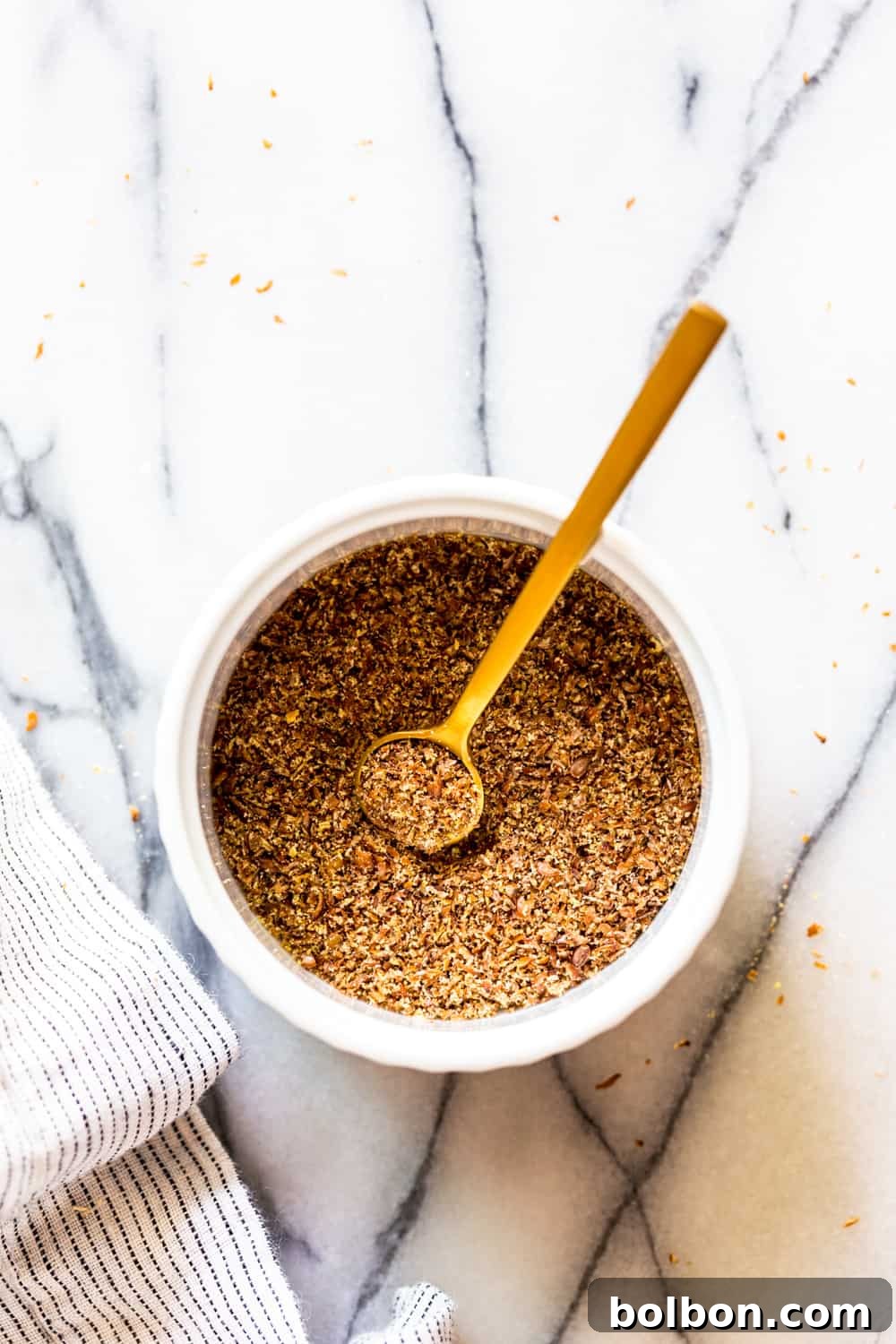
I recently experienced this very scenario when preparing a batch of wholesome Peanut Butter Banana Muffins for my toddler. The cupboard was bare of eggs, but thanks to the humble flax egg, my baking plans were saved. It’s a brilliant emergency substitute and an invaluable staple for anyone embracing a plant-based diet or catering to specific dietary needs.
What Exactly is a Flax Egg?
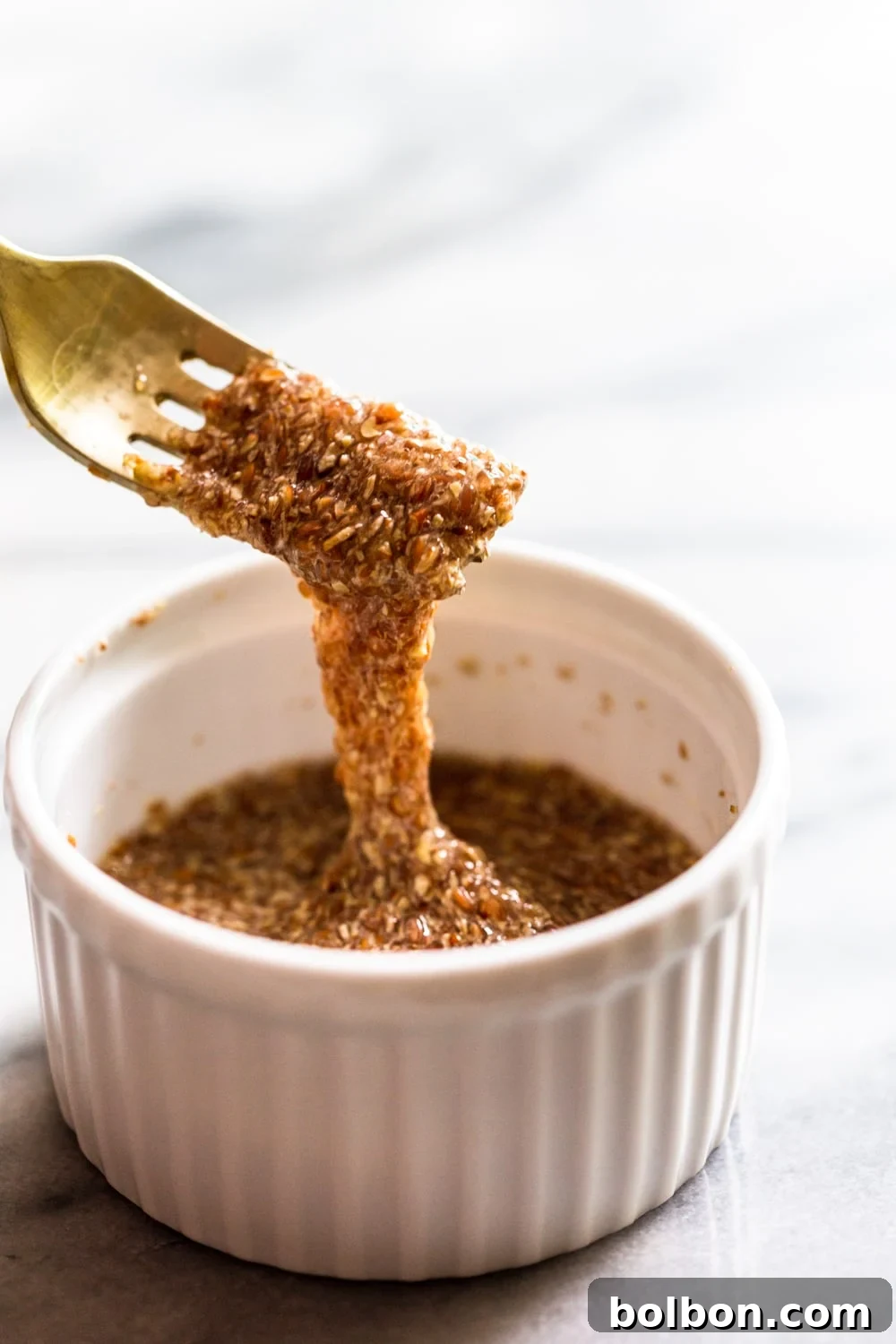
At its core, a flax egg is a simple, two-ingredient egg substitute crafted from ground flax seeds and water. When these two components are combined and allowed to rest, the mixture transforms into a gel-like consistency, mimicking the binding properties of a traditional egg. This vegan, gluten-free, and paleo-friendly alternative is not only ideal for individuals with egg allergies or dietary restrictions but also serves as a fantastic pantry solution when you simply run out of fresh eggs.
The Science Behind the Flax Egg’s Magic
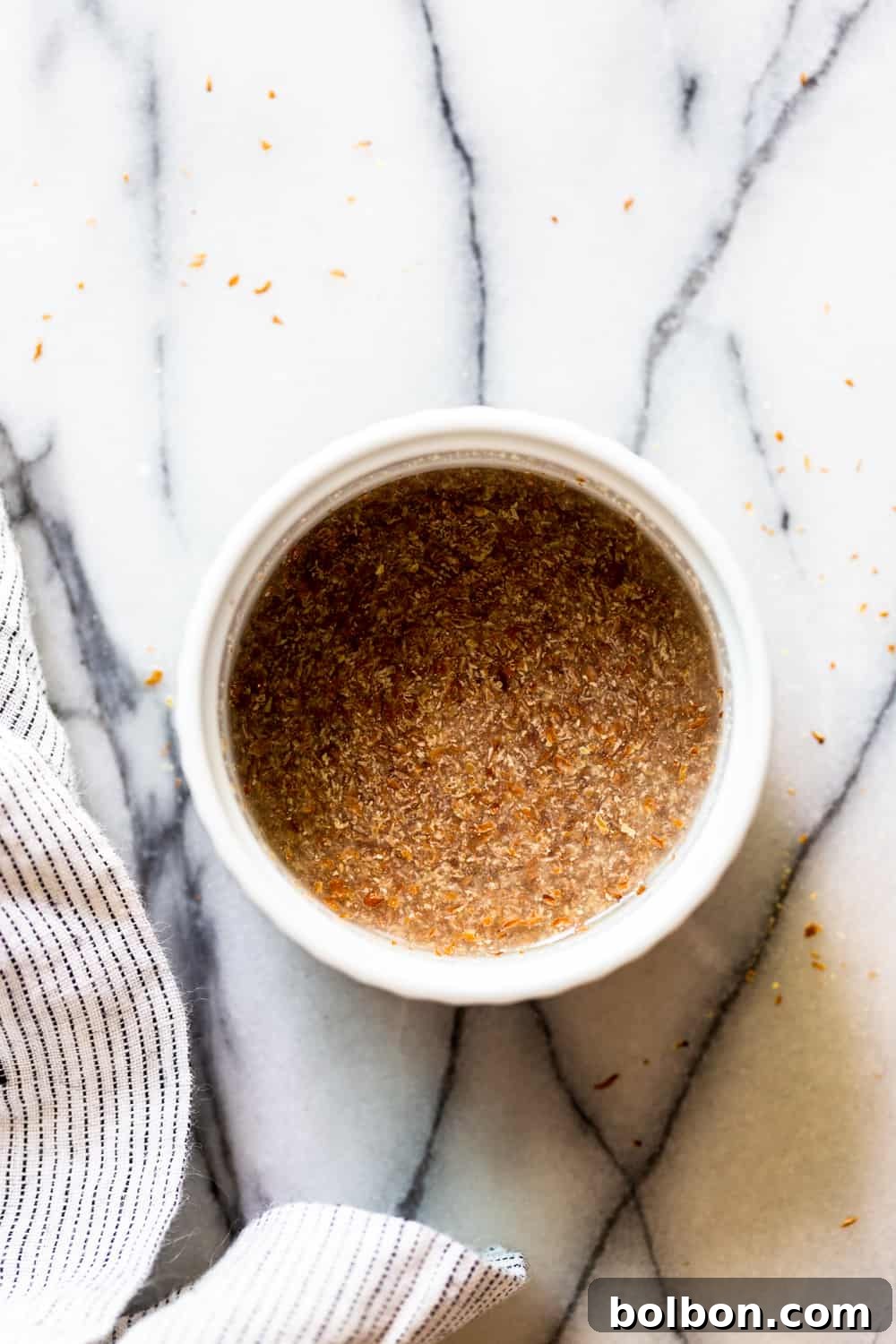
Understanding how a flax egg works reveals its ingenious simplicity. Flax seeds are rich in soluble fiber, specifically a type of mucilage gum found in their outer coating. When ground flax seeds are mixed with water, this mucilage absorbs the liquid and swells, creating a viscous, gelatinous substance. This natural gel possesses remarkable binding and emulsifying capabilities, allowing it to hold ingredients together in baking recipes much like a chicken egg would. It helps provide structure, moisture, and a slight richness to baked goods, making it an excellent functional substitute.
Why Choose Flax Eggs for Your Baking?
Beyond being a mere substitute, flax eggs bring a host of benefits to your baking:
- Vegan and Plant-Based: Perfect for those following a vegan lifestyle or looking to reduce animal product consumption.
- Allergy-Friendly: An excellent solution for individuals with egg allergies, enabling them to enjoy a wider range of baked treats safely. It’s also naturally gluten-free.
- Nutritional Boost: Flax seeds are powerhouses of nutrition, packed with Omega-3 fatty acids (specifically alpha-linolenic acid or ALA), dietary fiber, and lignans. Incorporating flax eggs adds these beneficial nutrients to your recipes.
- Pantry Staple Convenience: Ground flax seeds have a long shelf life when stored properly (preferably in the refrigerator or freezer), making them a readily available ingredient for impromptu baking sessions.
- Cost-Effective: Often a more economical alternative to buying a fresh carton of eggs, especially if you only need one or two for a recipe.
Mastering the Flax Egg: A Simple Step-by-Step Recipe
Creating a flax egg is incredibly straightforward and takes minimal time. Here’s how you can make one perfect egg substitute:
How to Make a Flax Egg
Meghan McMorrow | Fox and Briar
15
1 serving

Ingredients
- 1 Tablespoon ground flax seed
- 3 Tablespoons water
Instructions
-
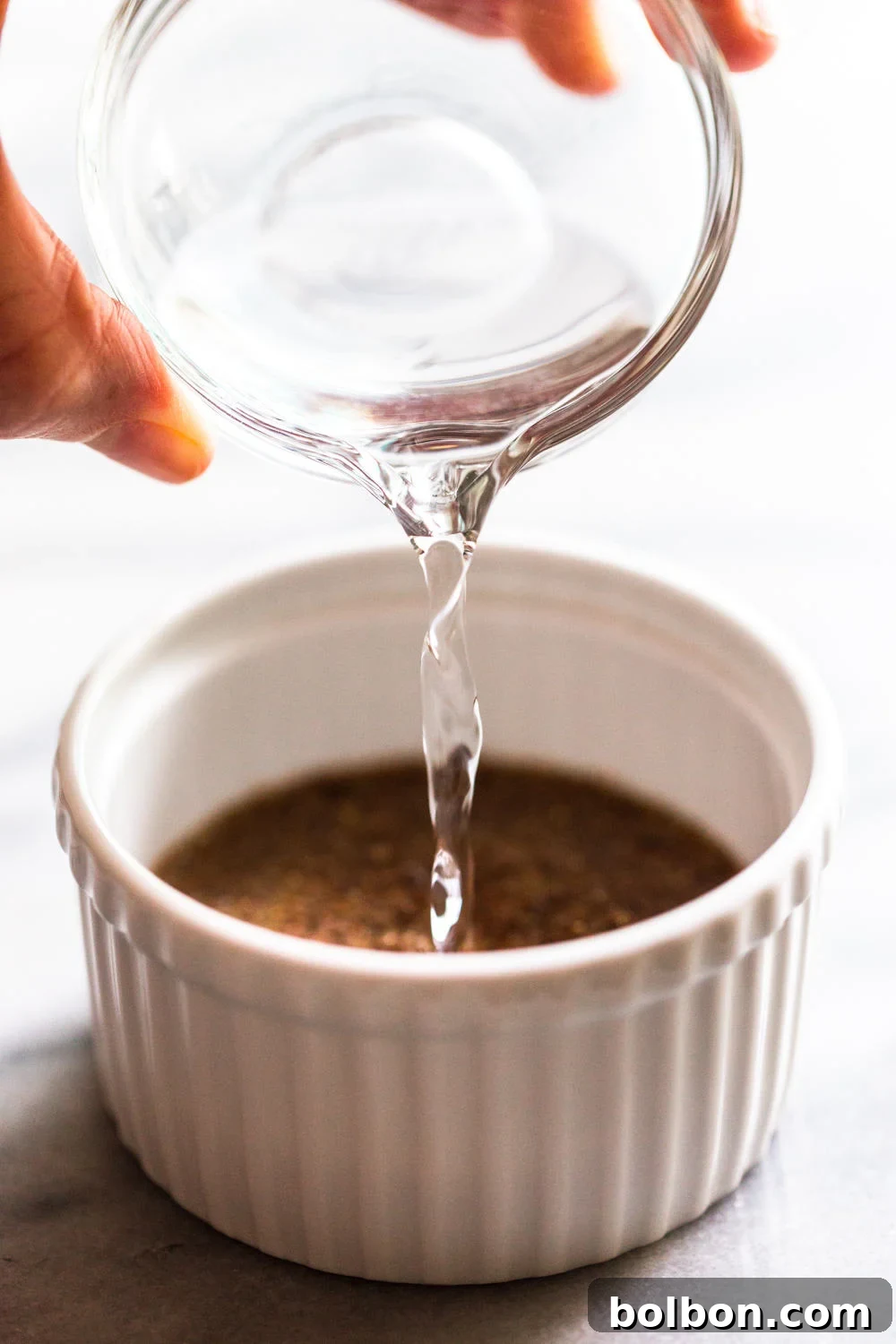
Whisk together the ground flax seed and water thoroughly in a small bowl. Allow the mixture to sit undisturbed for at least 15 minutes. During this time, the mixture will thicken and develop a gelatinous, egg-like consistency. Once thickened, use it as a direct 1:1 substitute for one egg in your recipe.
Notes
Nutrition
Calories: 37.38kcal |
Carbohydrates: 2.02g |
Protein: 1.28g |
Fat: 2.95g |
Saturated Fat: 0.26g |
Sodium: 4.35mg |
Potassium: 56.91mg |
Fiber: 1.91g |
Sugar: 0.11g |
Calcium: 17.85mg |
Iron: 0.4mg
Nutrition information is automatically calculated, so should only be used as an approximation.
Additional Info
When to Incorporate a Flax Egg into Your Recipes
Flax eggs shine brightest in recipes where the egg’s primary role is binding and adding moisture, rather than leavening or structure. They are perfect for denser baked goods that don’t rely on significant lift. Some of the best applications include:
- Muffins: From blueberry to chocolate chip, flax eggs help create moist, tender muffins.
- Pancakes and Waffles: Achieve fluffy, perfectly structured breakfast treats.
- Quick Breads: Banana bread, zucchini bread, and other quick loaf recipes benefit from flax eggs.
- Cookies: Especially chewy varieties like oatmeal cookies or chocolate chip cookies.
- Brownies: For dense, fudgy brownies, flax eggs are an excellent choice.
- Veggie Burgers: They act as a fantastic binder to hold ingredients together.
- Crumbles and Crisps: For the topping mixture, a flax egg can help create a unified texture.
However, it’s important to note that flax eggs are not ideal for every recipe. They generally won’t work in dishes where eggs are critical for structure and aeration, such as meringues, soufflés, light and airy cakes, or custards. In such cases, the unique protein structure and emulsifying properties of real eggs are irreplaceable.
Beyond Flax: Exploring Other Egg Substitutes
While flax eggs are a top-tier choice, the world of egg substitutes is vast and varied. If flax seeds aren’t on hand, or if you’re experimenting with different textures and flavors, consider these alternatives:
- Chia Egg: Similar to a flax egg, a chia egg is made by mixing 1 tablespoon of chia seeds with 3 tablespoons of water. Allow it to sit for 5-10 minutes until it forms a gel. Chia seeds offer similar binding properties and nutritional benefits.
- Fruit & Vegetable Purees:
- 1/4 cup unsweetened applesauce: Adds moisture and a hint of sweetness, great for muffins and quick breads.
- 1/4 cup mashed ripe banana: Imparts moisture and a distinct banana flavor, ideal for banana bread, pancakes, and certain cookies.
- 1/4 cup pumpkin puree: Adds moisture, color, and a subtle earthy flavor, excellent for spiced baked goods.
- 1/4 cup mashed avocado: Provides richness and moisture, best for chocolate recipes where its color won’t be noticeable.
- Other Binders:
- 1/4 cup silken tofu (blended): Offers a neutral flavor and excellent binding for denser cakes, quiches, or cheesecakes.
- 1/4 cup plain yogurt (dairy or non-dairy): Adds moisture and a slight tang, suitable for muffins and quick breads.
- 3 tablespoons creamy nut butter (peanut, almond): Provides richness, moisture, and flavor, best for cookies and brownies, particularly those with complementary nutty profiles.
- Commercial Egg Replacers: Various brands offer powdered egg replacers designed to mimic the binding and sometimes even leavening properties of eggs. Always follow package instructions.
- Vinegar + Baking Soda: For recipes needing leavening, combine 1 teaspoon baking soda with 1 tablespoon white or apple cider vinegar. This creates a chemical reaction that produces carbon dioxide, adding lift. This is often used in conjunction with other binders.
Pro Tips for Perfect Flax Egg Results
To ensure your flax egg performs optimally in your recipes, keep these tips in mind:
- Always Use Ground Flax: Whole flax seeds will not absorb water effectively and will not form the necessary gel. You can buy pre-ground flaxseed meal or grind whole flax seeds yourself in a coffee grinder or high-speed blender for maximum freshness.
- Allow Adequate Resting Time: Don’t rush the process. The 15 minutes of resting time is crucial for the mucilage to fully absorb the water and create the thick, gooey consistency you need.
- Check Consistency: A properly made flax egg should resemble the slimy texture of a raw egg white. If it’s too watery, let it sit for a few more minutes.
- Storage: While best used fresh, a prepared flax egg can be stored in an airtight container in the refrigerator for up to 2-3 days. The gel may thicken further upon refrigeration, so you might need to whisk it again briefly before use.
- Adjusting for More Eggs: If a recipe calls for two eggs, simply double the flax seed and water (2 tablespoons ground flax + 6 tablespoons water). For three eggs, triple it, and so on.
Frequently Asked Questions About Flax Eggs
Can I use whole flax seeds instead of ground flax seeds?
No, whole flax seeds will not create the necessary gel. The seed’s outer shell prevents water absorption, so they won’t bind your ingredients. Always use ground flaxseed meal for flax eggs.
Does a flax egg affect the taste of baked goods?
Ground flax seeds have a very mild, slightly nutty flavor that is typically undetectable in most baked goods, especially those with strong flavors like chocolate, spices, or fruit. In very delicate recipes, you might notice a subtle difference, but it’s usually not a concern.
Will a flax egg make my baked goods denser?
Flax eggs contribute to moisture and binding, and in some cases, they can lead to a slightly denser final product compared to recipes made with traditional eggs, which also provide leavening. This is why they work best in recipes where a dense or chewy texture is desired, like muffins or brownies.
Can I make flax eggs ahead of time?
Yes, you can prepare flax eggs up to 2-3 days in advance and store them in an airtight container in the refrigerator. They might thicken slightly more, so give them a quick whisk before incorporating them into your recipe.
Conclusion
The flax egg is a simple yet powerful ingredient that can revolutionize your approach to baking. Whether you’re navigating dietary restrictions, embracing a vegan lifestyle, or simply need a quick substitute in a pinch, understanding how to make and use a flax egg opens up a world of delicious possibilities. It’s a testament to the versatility of plant-based ingredients and a staple that deserves a permanent spot in every mindful baker’s pantry. Give it a try in your next recipe, and prepare to be amazed by this tiny seed’s incredible binding power!