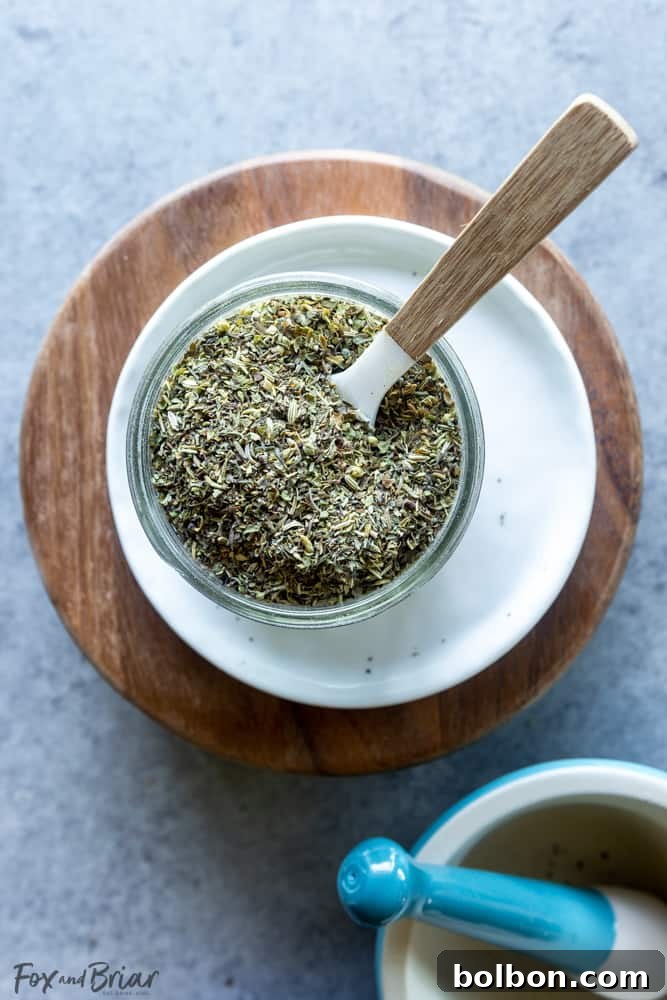
Ever wondered how to consistently infuse your meals with the vibrant, sun-drenched flavors of Italy? The secret weapon in many Italian kitchens isn’t just a handful of fresh ingredients, but often a meticulously balanced blend of aromatic dried herbs. While countless store-bought options line grocery shelves, crafting your own homemade Italian seasoning offers an unparalleled depth of flavor, customizable potency, and a significant boost in freshness. This simple, straightforward recipe empowers you to create a versatile spice mix that will become an indispensable staple in your pantry, ready to transform everything from weeknight pasta to gourmet roasts. Make a generous batch today and experience the difference that truly fresh, homemade seasoning can make!
Homemade Italian Seasoning: Unlock Authentic Flavors in Your Kitchen
As a passionate home cook, I’ve long advocated for the numerous advantages of creating your own spice blends. It’s no secret that purchasing individual dried herbs and spices in bulk can be far more economical than constantly buying small, pre-mixed jars. Beyond the cost savings, there’s a crucial factor that homemade blends excel at: freshness. Spices begin to lose their potency the moment they are ground, meaning commercially prepared blends often lack the vibrant aroma and intense flavor that fresh, recently blended spices deliver. This commitment to superior taste is why I frequently share my favorite DIY spice concoctions, from my comforting Homemade Pumpkin Pie Spice to my zesty Homemade Taco Seasoning. Today, we’re adding another essential to that list: a truly exceptional homemade Italian seasoning recipe that promises to elevate your culinary adventures.
Recently, I showcased several beloved recipes that truly shine with the right touch of Italian seasoning – dishes like my savory Baked Greek Chicken and the refreshing Israeli Couscous Salad. Following an outpouring of requests for the specific Italian seasoning blend I use, I’m thrilled to finally unveil this recipe. It’s a blend crafted for maximum flavor, ease of preparation, and remarkable versatility, ensuring you can bring a genuine taste of Italy into any dish.
Why Craft Your Own Italian Seasoning? The Irresistible Advantages of DIY Blends
Opting to make your Italian seasoning from scratch isn’t just a trivial kitchen task; it’s a conscious choice that offers a multitude of benefits, transforming your approach to flavor and cooking. Here’s why investing a few minutes to blend your own spices is incredibly rewarding:
- Unmatched Freshness and Robust Flavor: The most significant advantage of homemade blends is the unparalleled freshness. Commercial seasonings can linger on shelves for extended periods, causing their volatile oils to evaporate and their flavors to diminish. By blending your own using recently purchased dried herbs, you ensure maximum potency, aroma, and a far more impactful flavor in your finished dishes. This vibrancy is something store-bought options simply can’t compete with.
- Remarkable Cost-Efficiency: Initially, buying individual jars of dried herbs might seem like a larger upfront investment. However, when you purchase spices in bulk, the cost per ounce is drastically lower than buying small, pre-mixed blends. Over time, making your own frequently used blends like Italian seasoning will save you a substantial amount of money, making it a smart economic choice for any busy kitchen.
- Complete Control Over Ingredients: Have you ever scrutinised the label of a mass-produced spice mix, only to find mysterious “natural flavors,” anti-caking agents, or an excessive amount of sodium? When you prepare your own seasoning, you have absolute control over every single ingredient. This means you can confidently exclude unwanted additives, preservatives, or artificial components, ensuring your food is as pure and natural as possible.
- Tailored Customization to Your Palate: This is where the magic truly happens. Do you prefer a more pronounced earthy note of oregano? Or a brighter, sweeter basil presence? With a homemade blend, you are the master chef. You can easily adjust the ratios of each herb to perfectly align with your personal taste preferences or to complement a specific dish you’re preparing. This level of customization is impossible with pre-packaged blends.
- Reduced Environmental Impact: By purchasing larger quantities of individual spices, you contribute to less packaging waste compared to repeatedly buying numerous small plastic or glass jars of pre-mixed seasonings. It’s a small step towards a more sustainable kitchen.
- Enhanced Culinary Creativity: Knowing the individual components of your seasoning empowers you to experiment. You’ll develop a deeper understanding of how different herbs interact, fostering greater creativity and confidence in your cooking.
The Heart of Italy: Essential Herbs in Italian Seasoning
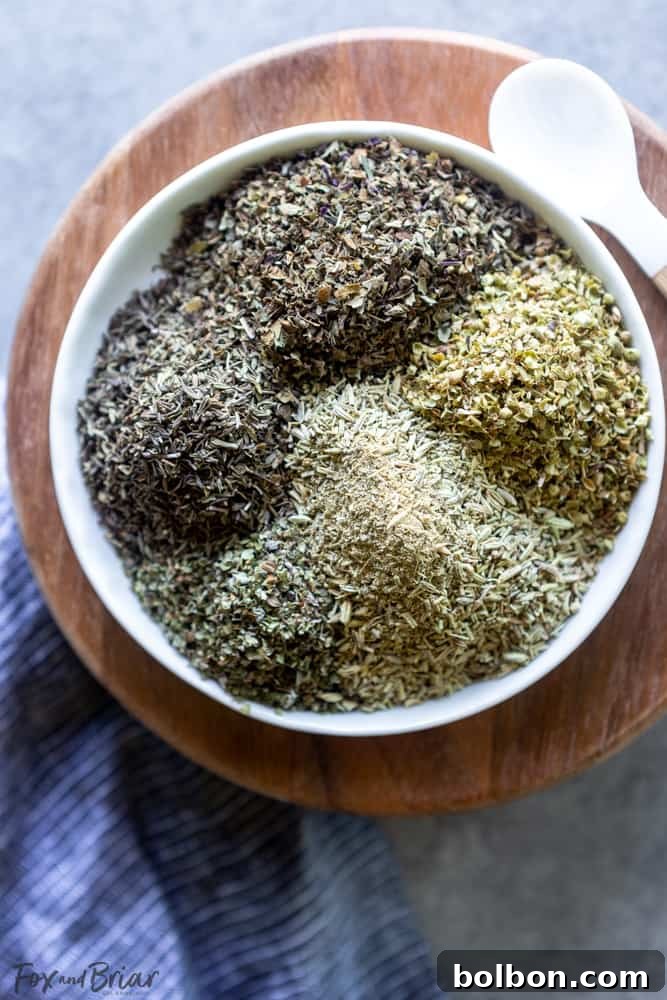
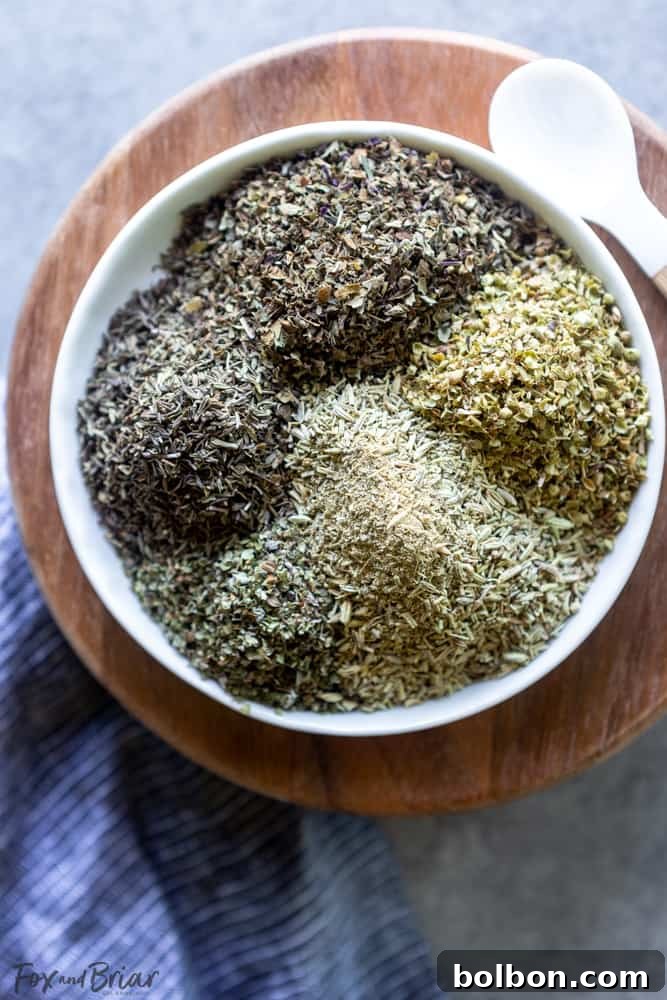
A truly authentic Italian seasoning is a carefully composed medley of herbs, each bringing its distinct character to create a harmonious and recognizable flavor profile. My chosen blend focuses on the core herbs that define Italian cuisine, ensuring a robust and versatile mix:
- Dried Oregano: The undisputed king of Italian herbs, oregano contributes a warm, earthy, and slightly pungent flavor with subtle bitter notes. It’s utterly indispensable for pizzas, pasta sauces, grilled meats, and countless Mediterranean dishes, providing that quintessential Italian zest.
- Dried Basil: Sweet, fragrant, and slightly peppery with hints of anise and mint, basil offers a fresh, bright counterpoint to oregano’s robustness. It’s a key ingredient in tomato-based sauces, pesto, and a perfect partner for vegetables and poultry, evoking sunny Italian gardens.
- Dried Thyme: Possessing a delicate, earthy, and mildly floral flavor, thyme adds a subtle complexity and herbaceous warmth. Its versatility makes it a valuable addition, enhancing roasted vegetables, soups, and stews without overpowering other ingredients.
- Dried Marjoram: Often mistaken for oregano due to their close relationship, marjoram is actually sweeter, milder, and more floral. It softens the blend, adding a nuanced depth and a gentle, aromatic sweetness that rounds out the more assertive flavors.
- Dried Rosemary: Pungent, piney, and highly aromatic, rosemary is a powerful herb that instantly transports you to the Mediterranean landscape. Its distinct flavor pairs exceptionally well with roasted potatoes, lamb, chicken, and rich tomato sauces, providing an invigorating herbaceous kick.
- Dried Fennel: The unexpected star of this blend, dried fennel adds a subtle, sweet, and unique licorice-like aroma. It’s a signature flavor in many traditional Italian sausages and pork preparations, bringing a layer of sophisticated warmth and depth that truly elevates the seasoning.
While some commercial and regional Italian seasoning variations might include additions like red pepper flakes for a fiery kick or dried parsley for visual appeal and a fresh, grassy note, I’ve consciously opted to omit red pepper flakes from this foundational blend. This decision ensures the seasoning remains universally adaptable, allowing you to control the level of heat independently for each dish to suit individual preferences. If you enjoy the mild, bright essence of parsley, feel free to incorporate about one tablespoon of dried parsley flakes into your mix.
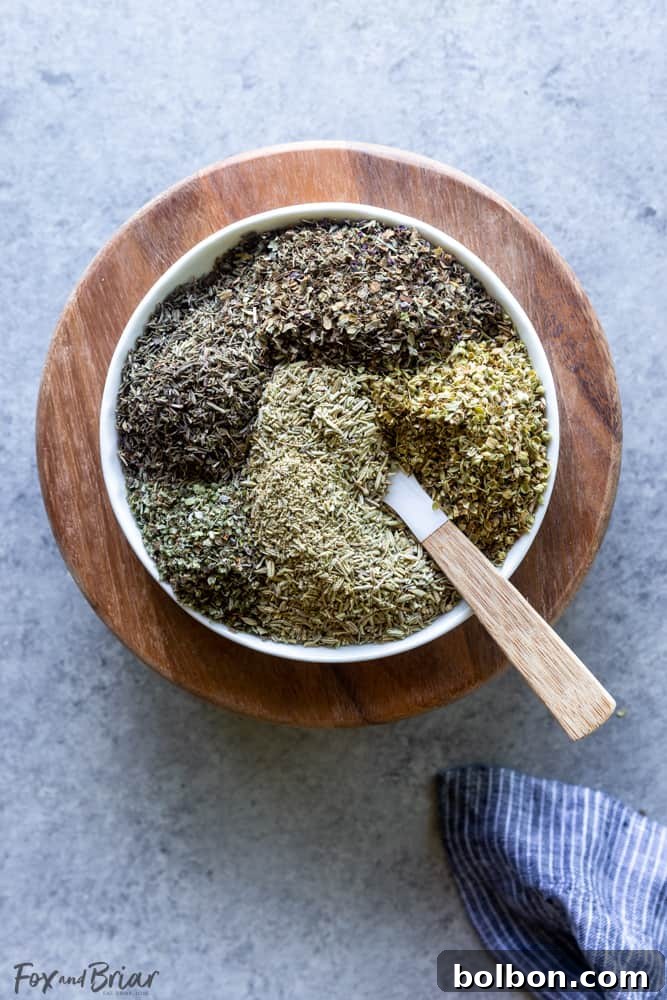
The Secret to Potency: Mastering the Art of Grinding Specific Herbs
One of the key techniques that truly distinguishes this homemade Italian seasoning and maximizes its aromatic potential is the careful grinding of specific herbs, particularly dried rosemary and fennel. This isn’t just a preference; it’s a step rooted in culinary science that significantly enhances the final product. Here’s why this seemingly small step makes a big difference:
- Unlocking Essential Oils and Fragrance: Dried herbs contain potent essential oils sealed within their cellular structures. Grinding them, even lightly, helps to rupture these cells, allowing these precious aromatic oils to be released. This process intensifies both the fragrance and flavor of the herbs, making your seasoning significantly more potent and impactful when incorporated into your cooking. You’ll notice a remarkable difference in the aroma alone!
- Achieving Optimal Texture and Integration: Dried rosemary, with its needle-like form, and dried fennel, with its often larger seeds, can be somewhat coarse and unwieldy if added whole to a spice blend. When encountered in a finished dish, these larger pieces can create an unpleasant, woody, or overly fibrous texture. A brief grind reduces their size, transforming them into smaller, more manageable bits that seamlessly integrate with the other finer herbs. This ensures a smooth, consistent texture throughout your seasoning and in your food.
- Ensuring Even Flavor Distribution: By breaking down the larger herbs, you facilitate a more uniform distribution of their distinct flavors throughout the entire blend. Every pinch of your homemade Italian seasoning will deliver a balanced medley of tastes, preventing any single herb from dominating or being completely missed.
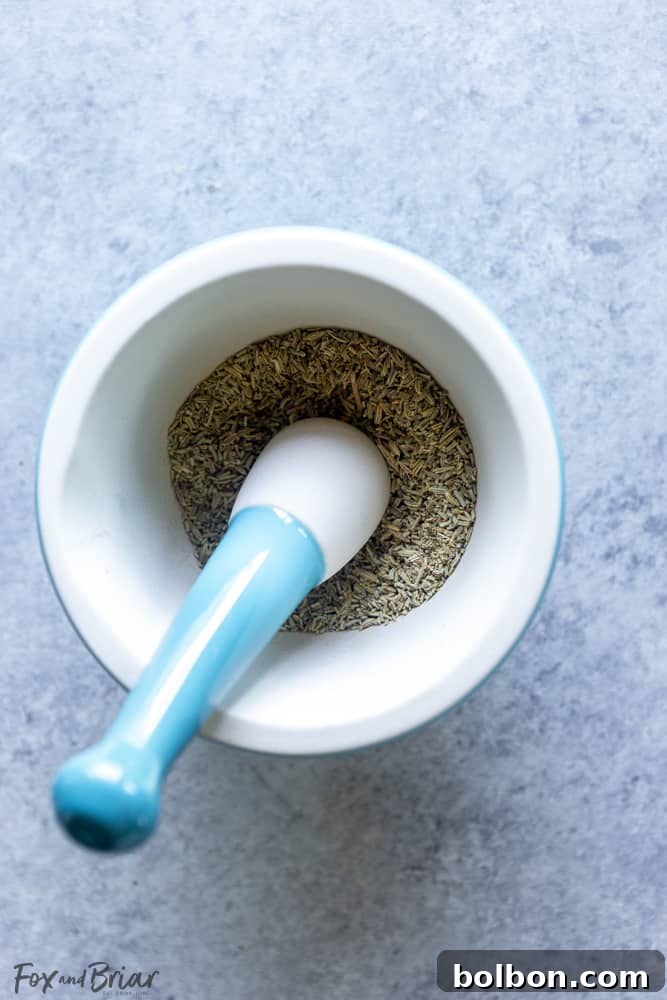
To perform this crucial step, a traditional mortar and pestle is an excellent tool, offering precise control over the coarseness of the grind. You can gently crush and bruise the herbs until they reach your desired consistency – a coarse texture, not a fine powder, is ideal to retain some character and allow the flavors to bloom during cooking. If a mortar and pestle isn’t available, a dedicated spice grinder (or a clean coffee grinder used exclusively for spices) will work effectively. Just be careful not to over-process them into a powder; a coarse, slightly broken texture is what you’re aiming for.
Unleashing the Flavor: Endless Culinary Uses for Italian Seasoning
The true brilliance of a well-made homemade Italian seasoning lies in its incredible versatility. Once you’ve created a batch, you’ll find yourself reaching for it constantly, eager to infuse your meals with its aromatic and complex flavors. This blend is not just for pasta; it’s a cornerstone for countless savory dishes. Here are numerous ways to integrate your homemade Italian seasoning into your daily cooking:
Pasta & Sauces: The Classic Pairing
- Marinara & Tomato Sauces: Absolutely essential for creating rich, authentic tomato-based sauces, whether it’s a quick weeknight sauce like my Easy 20 Minute Marinara or a heartier Sausage Marinara.
- Meatballs, Meatloaf & Bolognese: Infuse ground meats with incredible flavor for classic Italian meatballs (such as these fantastic Make Ahead Meatballs), savory meatloaf, or a rich Bolognese sauce.
- Pizza Sauce: Sprinkle into your homemade pizza sauce base for that iconic pizzeria taste.
- Baked Pasta Dishes: Add liberally to lasagna, baked ziti, manicotti, or any pasta casserole that calls for an aromatic herbal lift.
Proteins & Vegetables: Everyday Enhancements
- Roasted Chicken & Poultry: Rub generously onto chicken breasts, thighs, or a whole roast chicken before baking or grilling. It creates a wonderfully crispy, flavorful skin.
- Fish & Seafood: A light dusting can beautifully complement white fish fillets (like cod or tilapia), shrimp, or even salmon, lending a fresh Mediterranean essence.
- Roasted Vegetables: Toss with a generous drizzle of olive oil and your favorite vegetables (broccoli, zucchini, bell peppers, onions, potatoes, carrots, cherry tomatoes, asparagus) before roasting for an effortlessly delicious and healthy side dish.
- Grilled Meats: Perfect as a dry rub or as part of a marinade for pork chops, steaks, lamb, or even firm tofu before grilling or pan-searing.
- Eggs: Add a pinch to scrambled eggs, omelets, or frittatas for an herbaceous start to your day.
Soups, Salads & Dressings: Aromatic Additions
- Soups & Stews: A tablespoon or two can transform minestrone, vegetable soup, lentil soup, or hearty bean stews with an herbaceous depth and warmth.
- Homemade Salad Dressings: Whisk into olive oil, red wine vinegar (or lemon juice), and a touch of Dijon mustard for a quick, vibrant homemade Italian vinaigrette.
- Marinades: Combine with olive oil, lemon juice, minced garlic, and a splash of vinegar for a versatile marinade that works wonders on chicken, fish, or firm vegetables.
Beyond the Obvious: Creative & Unexpected Uses
- Garlic Bread & Bread Dipping Oil: Mix with quality olive oil for an irresistible bread dipping experience, or sprinkle over buttered bread before toasting for the ultimate garlic bread.
- Homemade Bread & Focaccia: Knead into your homemade bread doughs or sprinkle generously over focaccia before baking for an aromatic crust.
- Popcorn Seasoning: For a surprisingly savory and addictive snack, toss freshly popped popcorn with a little melted butter or olive oil and a generous sprinkle of Italian seasoning.
- Compound Butter: Blend with softened unsalted butter for a flavorful spread for toast, an accompaniment for baked potatoes, or to melt over grilled steaks or vegetables.
- Cheese & Dips: Stir into cream cheese for a savory spread, or mix into yogurt or sour cream for a quick dip for crackers and vegetables.
The culinary possibilities are truly boundless with this flavorful homemade Italian seasoning. It’s a powerful tool in your kitchen arsenal, ready to impart rich, authentic Italian flair to almost any savory dish you can imagine.
Homemade Italian Seasoning Recipe
By: Meghan McMorrow | Fox and Briar
Prep Time: 5 mins
Total Time: 5 mins
Yields: Approximately 10 servings (or about 12 tablespoons of seasoning)
Craft your own intensely flavorful Italian seasoning with this simple recipe, perfect for all your Mediterranean-inspired dishes.
Pin Recipe
Ingredients
- 2 tablespoons dried basil
- 2 tablespoons dried oregano
- 2 tablespoons dried thyme
- 2 tablespoons dried marjoram
- 1 tablespoon dried rosemary
- 1 tablespoon dried fennel seeds
Instructions
- Grind Rosemary & Fennel: Place the dried rosemary and dried fennel seeds in a mortar and pestle. Gently crush and grind them until they are broken into smaller, coarse bits – not a fine powder. If you don’t have a mortar and pestle, a dedicated spice grinder or a clean coffee grinder can also be used. This step is crucial for releasing their essential oils and ensuring a better texture and flavor distribution.
- Combine All Herbs: In a small, clean bowl, combine the freshly ground rosemary and fennel with the remaining dried spices: basil, oregano, thyme, and marjoram.
- Mix Thoroughly: Stir all the herbs together vigorously with a spoon or whisk for at least 30 seconds to ensure they are fully mixed and evenly distributed throughout the blend. This guarantees a consistent flavor with every use.
- Store Properly: Transfer your freshly made Italian seasoning into a clean, airtight glass jar or container. Store it in a cool, dark pantry or cupboard, away from direct sunlight and heat, which can degrade the spices. When stored correctly, your homemade Italian seasoning will maintain its potency and vibrant flavor for up to 6 months, though for optimal freshness, it’s best enjoyed within the first 3-4 months.
Note: Nutrition information is automatically calculated in the original source, so it should be used as an approximation only.
Additional Info
Course: Seasonings, Condiments
Cuisine: Italian, Mediterranean
Did you love this homemade Italian Seasoning recipe?
Your feedback is invaluable! Please take a moment to comment, rate, and share this recipe with your friends and family. And if you create this delicious blend, don’t forget to tag me on Instagram @foxandbriar and use the hashtag #foxandbriar so I can see your wonderful creations!