

Embark on a culinary journey to Bulgaria with Mekitsi, a beloved traditional fried dough that holds a special place in the hearts and homes of many. Often referred to as Bulgarian fried donuts or “buhti” in local dialect, these golden, fluffy delights are a cornerstone of Bulgarian breakfast, cherished for their incredibly light and airy texture. While many cultures boast their own version of fried dough – from Italian zeppole to American donuts – Mekitsi stands out with its unique inclusion of yogurt in the batter. This secret ingredient is key to achieving that signature pillowy softness and delicate crispness that makes them irresistible.
Mekitsi are more than just a meal; they are an experience. Traditionally served warm, dusted generously with powdered sugar, they can also be enjoyed with a variety of toppings such as sweet fruit jams, creamy honey, rich Nutella, or for a delightful savory twist, crumbled feta cheese. Whether you savor them with a steaming cup of coffee in the morning or as a comforting afternoon treat, Mekitsi promise a taste of authentic Bulgarian hospitality. We invite you to discover the simple joy of preparing these delectable fried doughs and perhaps share your own country’s fried dough traditions in the comments below. Get ready to fall in love with these easy-to-make, utterly delicious Mekitsi.
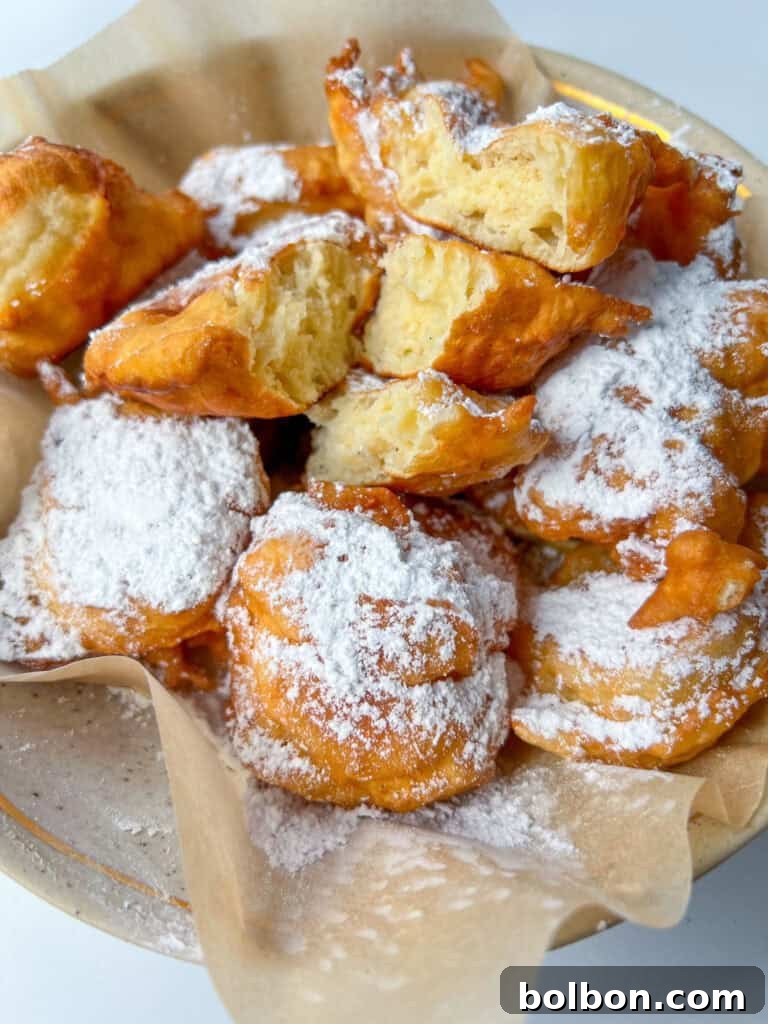
Why You’ll Love These Irresistible Mekitsi
Mekitsi are not just food; they are a symbol of family gatherings, comfort, and the warmth of home cooking in Bulgaria. Every bite evokes a sense of tradition and shared moments, making them much more than a simple breakfast item. Their appeal extends beyond the breakfast table, as they also make for an exquisite dessert or a satisfying snack any time of the day. There’s something truly special about a homemade fried donut, and these Mekitsi are an absolute game-changer.
What sets Mekitsi apart is their extraordinary texture. Thanks to the thoughtful addition of yogurt to the batter, each donut boasts an incredibly fluffy and soft interior that practically melts in your mouth. This contrasts beautifully with their perfectly crisp, golden-brown exterior, created during the frying process. The result is a harmonious blend of textures that is simply divine. When served fresh, piping hot right out of the fryer, the aroma alone is enough to draw everyone to the kitchen, eagerly awaiting their turn for a taste. They are a communal delight, often enjoyed straight from the pan, creating cherished memories with every delicious mouthful. Prepare to delight your family and friends with these exceptional homemade donuts that are sure to become a new favorite.
A Glimpse into Bulgarian Culinary Heritage: The History of Mekitsi
Mekitsi, like many traditional dishes, carries a rich history intertwined with the daily lives and cultural practices of the Bulgarian people. While the exact origins are not precisely documented, fried dough recipes have been a staple across various cultures for centuries, evolving with local ingredients and culinary techniques. In Bulgaria, Mekitsi emerged as a simple yet satisfying dish, easily prepared with readily available ingredients like flour, eggs, and most importantly, yogurt. The use of yogurt, a fermented dairy product deeply ingrained in Balkan cuisine, sets Bulgarian Mekitsi apart and is responsible for its distinctive soft texture and subtle tang.
Historically, Mekitsi were a common sight in Bulgarian households, especially in rural areas where families would gather around the table for a hearty breakfast. They were often prepared on special occasions, holidays, or simply as a comforting treat to warm up on a chilly morning. The recipe has been passed down through generations, from grandmothers (or “babas”) to mothers, each adding their touch and perfecting the technique. This oral tradition ensures that the essence of Mekitsi — its comforting taste and its role in bringing families together — continues to thrive. Today, you’ll find Mekitsi not only in homes but also in bakeries and street food stalls across Bulgaria, a testament to its enduring popularity and status as a national culinary treasure. It represents the warmth of Bulgarian hospitality and the rich flavors of its peasant kitchen, inviting everyone to partake in its simple yet profound delight.
The Art of Preparing Homemade Mekitsi: A Step-by-Step Guide
Creating perfect Mekitsi is a simple yet rewarding process that yields incredible results. Follow these detailed steps to achieve light, fluffy, and golden-brown fried doughs that will impress everyone.
Ingredients You’ll Need:
- 1 cup (240ml) plain yogurt (full-fat or low-fat)
- 1 large egg
- 1 tablespoon (15g) granulated sugar
- ⅛ teaspoon salt
- 1 ½ cups (180g) all-purpose flour
- 1 teaspoon (5g) baking powder
- 1 teaspoon (5ml) vanilla extract or vanilla bean paste
- 1 ½ cups (360ml) avocado oil (or other high smoke point oil) for frying
- Powdered sugar for dusting
- Optional toppings: feta cheese, fruit jam, honey, Nutella
Mekitsi Preparation Instructions:
- Prepare the Wet Mixture: In a large mixing bowl, combine the plain yogurt, large egg, granulated sugar, and salt. Whisk vigorously with a fork or a traditional whisk until all ingredients are well-combined and the mixture is smooth. Ensure the sugar and salt have dissolved completely.
- Combine Dry Ingredients: In a separate, medium-sized bowl, thoroughly mix together the all-purpose flour and baking powder. This step is crucial for even distribution of the leavening agent, ensuring uniform fluffiness in your Mekitsi.
- Form the Batter: Gradually add the flour mixture into the yogurt mixture. Do this in small increments, about a quarter cup at a time, while mixing with an electric mixer on medium speed. Allow each addition of flour to be fully incorporated into the batter before adding more. This slow incorporation prevents lumps and ensures a smooth, consistent batter. Once all the flour is added and the batter is smooth, mix in the vanilla extract or paste. The final batter should be thick but pourable.
- Heat the Frying Oil: Pour the avocado oil (or your chosen high smoke point oil) into a small, heavy-bottomed pot. Heat the oil over medium heat. It is highly recommended to use a kitchen thermometer to monitor the oil temperature, aiming for a steady 350°F (177°C). Maintaining the correct temperature is key to preventing the Mekitsi from burning or becoming greasy.
- Temperature Control: Once the oil reaches 350°F (177°C), reduce the heat to medium-low. Your goal is to maintain this temperature throughout the entire frying process. If the oil gets too hot, the Mekitsi will brown too quickly on the outside, leaving the inside raw. If it’s too cool, they will absorb too much oil and become greasy.
- Scoop and Fry: Using a tablespoon measure, scoop out portions of the batter. Use a second spoon to gently ease the batter into the hot oil. Avoid overcrowding the pot; fry only 2 to 3 Mekitsi at a time to ensure even cooking and to prevent the oil temperature from dropping too significantly.
- Frying Technique: Fry the Mekitsi for approximately 30 seconds on each side, or until they turn a beautiful golden brown. As soon as you notice the bottom side turning golden, carefully flip them over with a fork or a pair of tongs to fry the other side.
- Drain Excess Oil: Once the Mekitsi are golden brown and cooked through on both sides, remove them from the oil using a slotted spoon. Transfer them immediately to a plate lined with paper towels. The paper towels will help absorb any excess oil, ensuring your Mekitsi are perfectly crisp and not greasy.
- Repeat and Serve: Continue this process until all the batter has been used. This recipe typically yields about 15 delicious Mekitsi.
- Enjoy: Dust the warm Mekitsi generously with powdered sugar just before serving. For an even more indulgent experience, serve them with your favorite toppings like a dollop of fruit jam, a drizzle of honey, a smear of Nutella, or for a classic Bulgarian twist, some crumbled feta cheese. The combination of sweet and salty with feta is particularly delightful!
Expert Frying Tips 👩🍳
Always ensure your oil is shimmering, but not smoking, before adding the batter. A slight sizzle upon contact indicates the perfect temperature for frying. If the oil is too cool, the Mekitsi will absorb too much fat, leading to a greasy texture. If it’s too hot, they will brown too quickly on the outside and remain raw inside. A good kitchen thermometer is your best friend here!
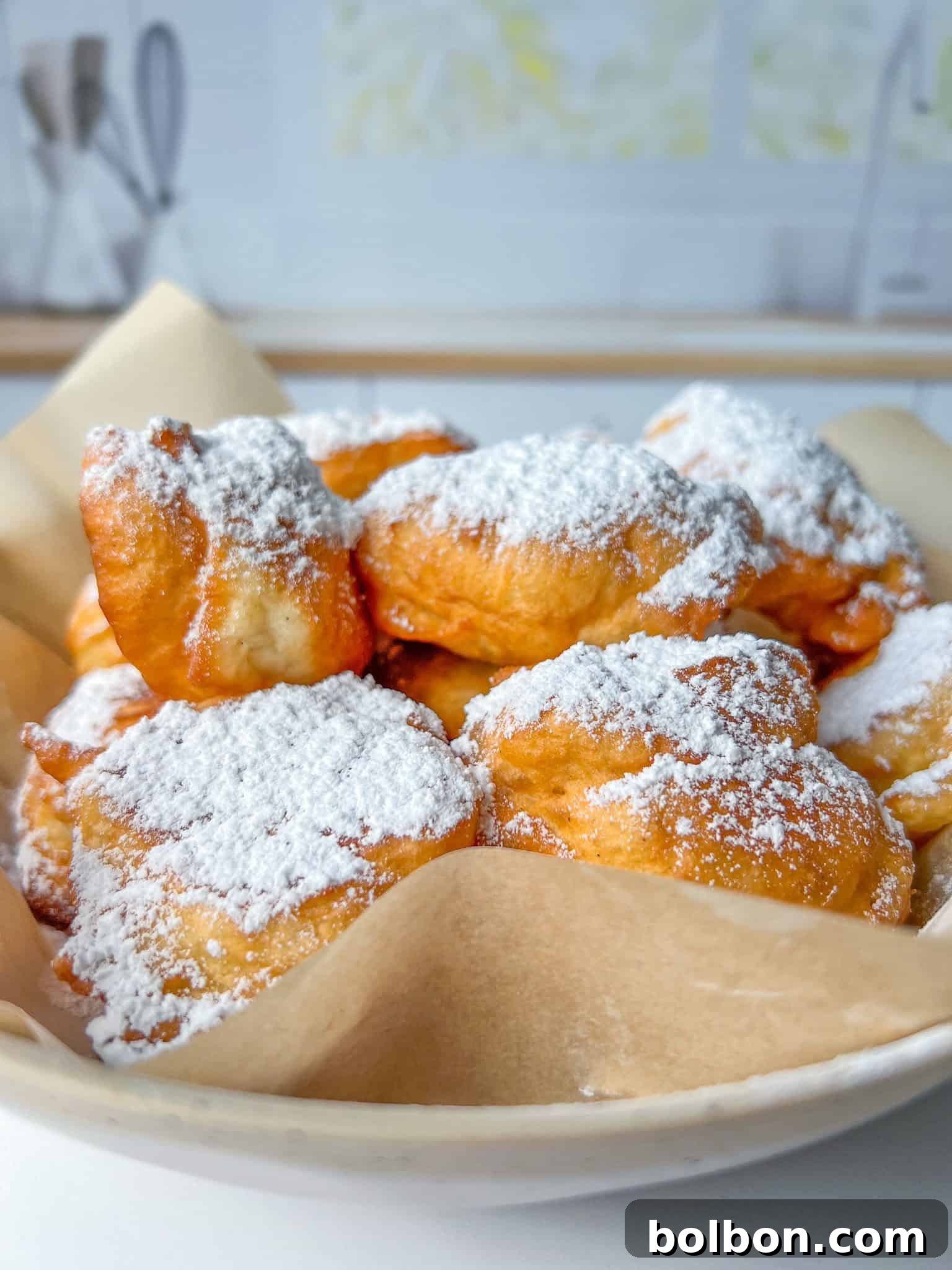
Creative Variations and Smart Substitutions for Mekitsi
Mekitsi are wonderfully versatile, allowing for various adaptations to suit your taste or what you have on hand. Here are some ideas to inspire your culinary creativity:
- Choosing Your Frying Oil: While I prefer using 🥑 avocado oil for its high smoke point and neutral flavor, you can confidently use any oil with a high smoke point. Excellent alternatives include canola oil, vegetable oil, or sunflower oil. The key is to select an oil that can withstand high temperatures without breaking down or imparting an off-flavor to your fried dough.
- Yogurt Choices: This Mekitsi recipe works beautifully with any plain yogurt you prefer, whether it’s full-fat, low-fat, or even a non-dairy alternative. The yogurt is crucial for the batter’s texture and contributes to the signature fluffiness. If you find your batter is too thick after mixing, simply add a splash of 🥛 milk (dairy or non-dairy) to thin it out to the desired consistency. A slightly thicker batter yields a chewier Mekitsa, while a thinner batter results in a lighter, more delicate texture.
- Flavor Boosts: Elevate the flavor profile by adding a pinch of cinnamon or nutmeg to the flour mixture. For a citrusy twist, incorporate a teaspoon of lemon or orange zest into the wet ingredients.
- Sweetness Adjustment: If you prefer a sweeter Mekitsa, you can slightly increase the amount of sugar in the batter. Conversely, for a more savory version, reduce the sugar and perhaps add a hint of garlic powder or dried herbs to the flour mixture.
Explore Similar Doughy Delights
Zeppole
15 mins
Sweet Easter Bread
2 hrs 45 mins
Sweet Bread with Milk
10 mins
Homemade Cinnamon Rolls Recipe
3 hrs 30 mins
Best Served With: Enhancing Your Mekitsi Experience
Mekitsi are incredibly versatile and can be enjoyed with a wide array of toppings, allowing you to customize each bite to your preference. Here are some of the most popular and delightful ways to serve them:
- Classic Powdered Sugar: The simplest and most traditional way to enjoy Mekitsi is with a generous dusting of powdered sugar over the warm, fresh-out-of-the-fryer dough. The fine sugar melts slightly into the warm surface, creating a sweet, comforting glaze.
- Sweet Indulgences: For those with a sweet tooth, Mekitsi are sensational when paired with a drizzle of your favorite fruit jam (strawberry, raspberry, or apricot are popular choices), a spoonful of rich, homemade Nutella, or a golden stream of local 🍯 honey. These toppings add an extra layer of sweetness and luscious texture.
- The Perfect Sweet and Salty Harmony: One of the most beloved Bulgarian combinations for Mekitsi is the delightful interplay of sweet and salty flavors. My personal favorite is serving them with crumbled feta cheese and a side of 🍓 jam. The tangy, salty creaminess of the feta provides a wonderful contrast to the sweet jam and the fluffy Mekitsi, creating an unparalleled taste experience. Trust me, nothing beats this combo for a truly authentic Bulgarian treat!
- Savory Variations: While often served sweet, Mekitsi can also lean savory. Beyond feta, consider serving them with a sprinkle of savory spices, a side of scrambled eggs, or even a light spread of savory cream cheese.
Common Questions About Making Mekitsi
The primary reason Mekitsi might not fluff up is often related to the baking powder. Always ensure your baking powder is fresh and not expired. Expired baking powder loses its leavening power, resulting in dense, flat dough instead of light, airy Mekitsi. To test if your baking powder is still active, add ½ teaspoon to ¼ cup of hot water. If it fizzes and bubbles vigorously, it’s still good to use. If there’s no reaction, it’s time to replace it. Also, make sure not to overmix the batter, as this can develop the gluten too much, leading to a tougher texture.
Mekitsi burning quickly is a clear indicator that your frying oil is too hot. The ideal oil temperature for Mekitsi is around 350°F (177°C). Using a reliable kitchen thermometer is crucial to maintain this temperature. If the oil is significantly hotter, the outside of the donuts will char before the inside has a chance to cook through. Conversely, if the oil is too cool, the Mekitsi will absorb too much oil and become greasy. Adjust your heat source as needed, reducing it if the donuts are browning too rapidly.
Mekitsi are truly at their best when enjoyed fresh and warm, right out of the fryer. The soft, fluffy interior and crisp exterior are most pronounced at this stage. While you can store cooled Mekitsi in an airtight container lined with a paper towel for a day or two, their texture will change slightly, becoming softer and less crisp. For the ultimate Mekitsi experience, we highly recommend preparing and serving them on the same day.
It is best to fry the Mekitsi immediately after preparing the batter. The baking powder begins to react once it comes into contact with the wet ingredients, creating the gas bubbles that give Mekitsi their signature fluffiness. If the batter sits for too long, the baking powder may lose its effectiveness, resulting in less fluffy and denser fried doughs. Fresh batter yields the best results every time.
Ingredient weights can vary significantly depending on several factors, even for common items like flour. For instance, while 1 cup of all-purpose flour might weigh 160g in my kitchen, due to differences in flour brands, humidity levels, the specific brand and style of measuring cups (wet vs. dry), and your measuring technique (scooping and leveling vs. spooning flour into the cup), it could range anywhere from 120g to 180g in your kitchen. For the most accurate and consistent results, especially in baking and frying where precision matters, always follow the specific weight measurements provided in the recipe. This helps ensure your Mekitsi turn out perfectly every time.
Mekitsi
Facebook Share
Rate Recipe
Print Recipe
Breakfast, Dessert
Bulgarian
15
donuts
The Modern Nonna
5 minutes
15 minutes
20 minutes
Video
Equipment
Ingredients
- 1 cup plain yogurt
- 1 large egg
- 1 tablespoon sugar
- ⅛ teaspoon salt
- 1 ½ cups all-purpose flour
- 1 teaspoon baking powder
- 1 teaspoon vanilla bean paste, or vanilla extract
- 1 ½ cups avocado oil, or any oil with a high smoke point
- powdered sugar for dusting
- feta, jam, Nutella, or honey for serving (optional)
Instructions
-
In a large bowl, combine the yogurt, egg, sugar, and salt and mix with a whisk or a fork until well combined.
-
In a separate bowl, thoroughly mix together the flour and baking powder.
-
With an electric mixer running on medium speed, gradually add the flour mixture into the yogurt mixture. Add just a little bit at a time, allowing the flour to fully incorporate into the batter each time before adding more. Finally, mix in the vanilla until just combined.
-
Heat the oil in a small pot over medium heat. Use a kitchen thermometer to ensure the oil reaches 350°F (177°C). If the oil gets too hot, the donuts will get really dark way too quickly and fry unevenly, potentially burning the outside while leaving the inside uncooked.
-
Once the oil reaches 350°F (177°C), reduce the heat to medium-low and actively try to maintain 350°F (177°C) throughout the entire frying process for consistent results.
-
Using a tablespoon measure, scoop portions of the batter. Then, use a second spoon to help gently release each spoonful of batter into the hot oil.
-
Fry the donuts for about 30 seconds on each side, or until they turn a beautiful golden color. To avoid overcrowding the pot and to ensure even cooking, I recommend frying only 2 to 3 donuts at a time. Once the bottom of the donuts starts to turn golden, flip them with a fork and fry the other side until golden.
-
Once the donuts are golden on both sides, carefully remove them from the oil with a slotted spoon. Transfer them to a plate lined with paper towels; these will help drain any excess oil, ensuring your Mekitsi are perfectly crisp and not greasy.
-
Continue this step, frying in small batches, until all of the batter has been used. This recipe typically yields around 15 delightful donuts.
-
Dust the warm Mekitsi generously with powdered sugar immediately after frying and serve them warm. You can also enjoy them with a variety of toppings such as crumbled feta cheese, your favorite fruit jam, luscious honey, rich Nutella, or anything else you fancy.
-
For an authentic Bulgarian experience, I particularly love the combination of sweet and salty; savoring these with feta cheese on top, often alongside a touch of jam or honey (a truly mouth-watering combination!).
Nutrition
Calories: 257kcal
,
Carbohydrates: 11g
,
Protein: 2g
,
Fat: 23g
,
Saturated Fat: 3g
,
Polyunsaturated Fat: 3g
,
Monounsaturated Fat: 16g
,
Trans Fat: 0.001g
,
Cholesterol: 13mg
,
Sodium: 60mg
,
Potassium: 43mg
,
Fiber: 0.3g
,
Sugar: 2g
,
Vitamin A: 32IU
,
Vitamin C: 0.1mg
,
Calcium: 39mg
,
Iron: 1mg
Nutrition information is automatically calculated, so should only be used as an approximation.
Additional Info
Breakfast, Dessert
Bulgarian