
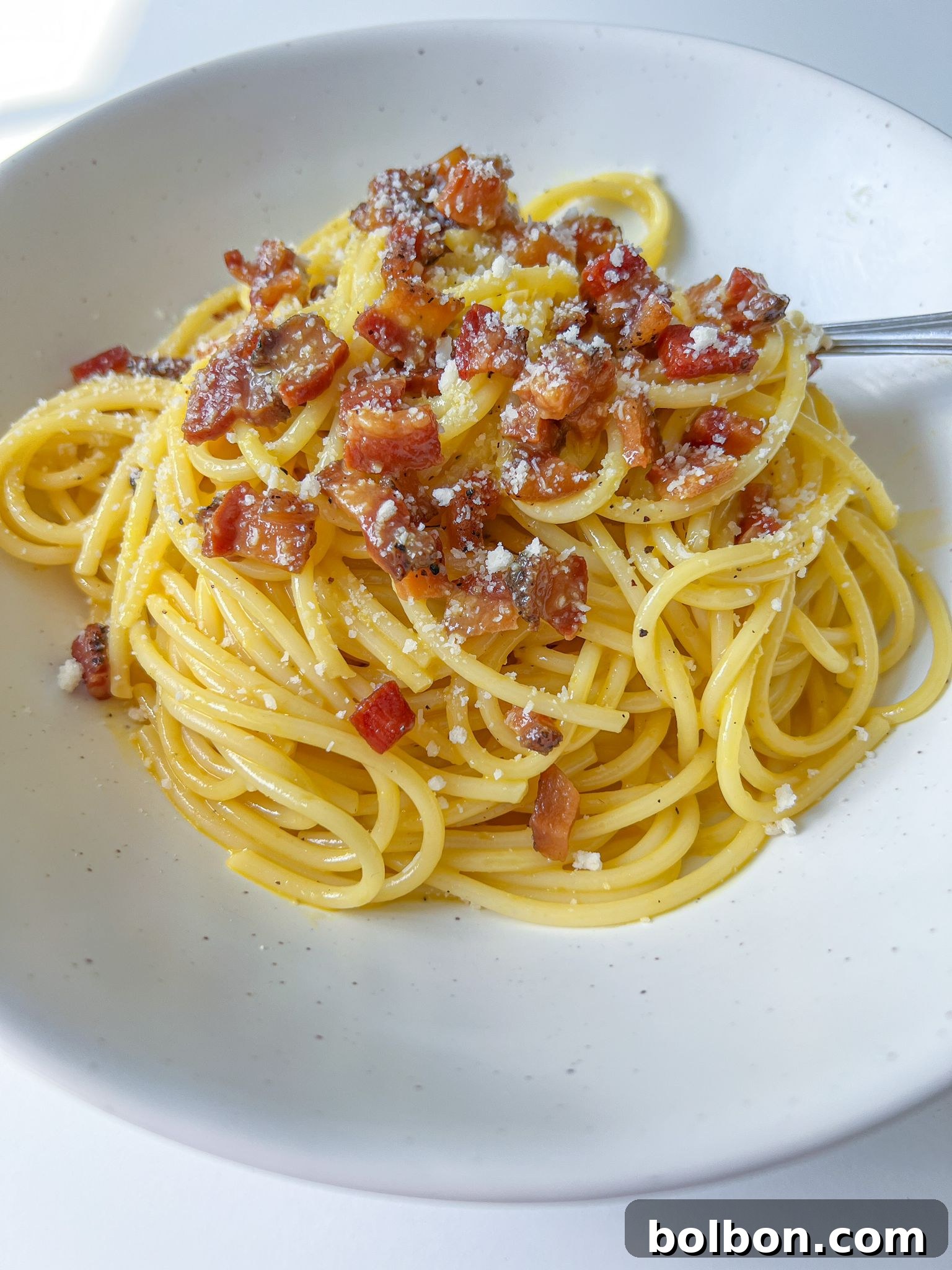
Welcome to the world of Carbonara, a quintessential Italian pasta dish that captures hearts in every corner of Italy and far beyond. This culinary masterpiece, steeped in history and tradition, offers a delectable journey into Italy’s rich gastronomic heritage. At its core, Carbonara celebrates simplicity and the highest quality ingredients: the rich, smoky notes of guanciale, the silken embrace of fresh eggs, and the sharp, savory finish of Pecorino Romano or Parmigiano Reggiano. Forget complicated techniques; the true magic of Carbonara lies in its ability to transform a handful of humble components into an extraordinarily satisfying and profoundly flavorful meal.
Why You’ll Fall in Love with Authentic Carbonara
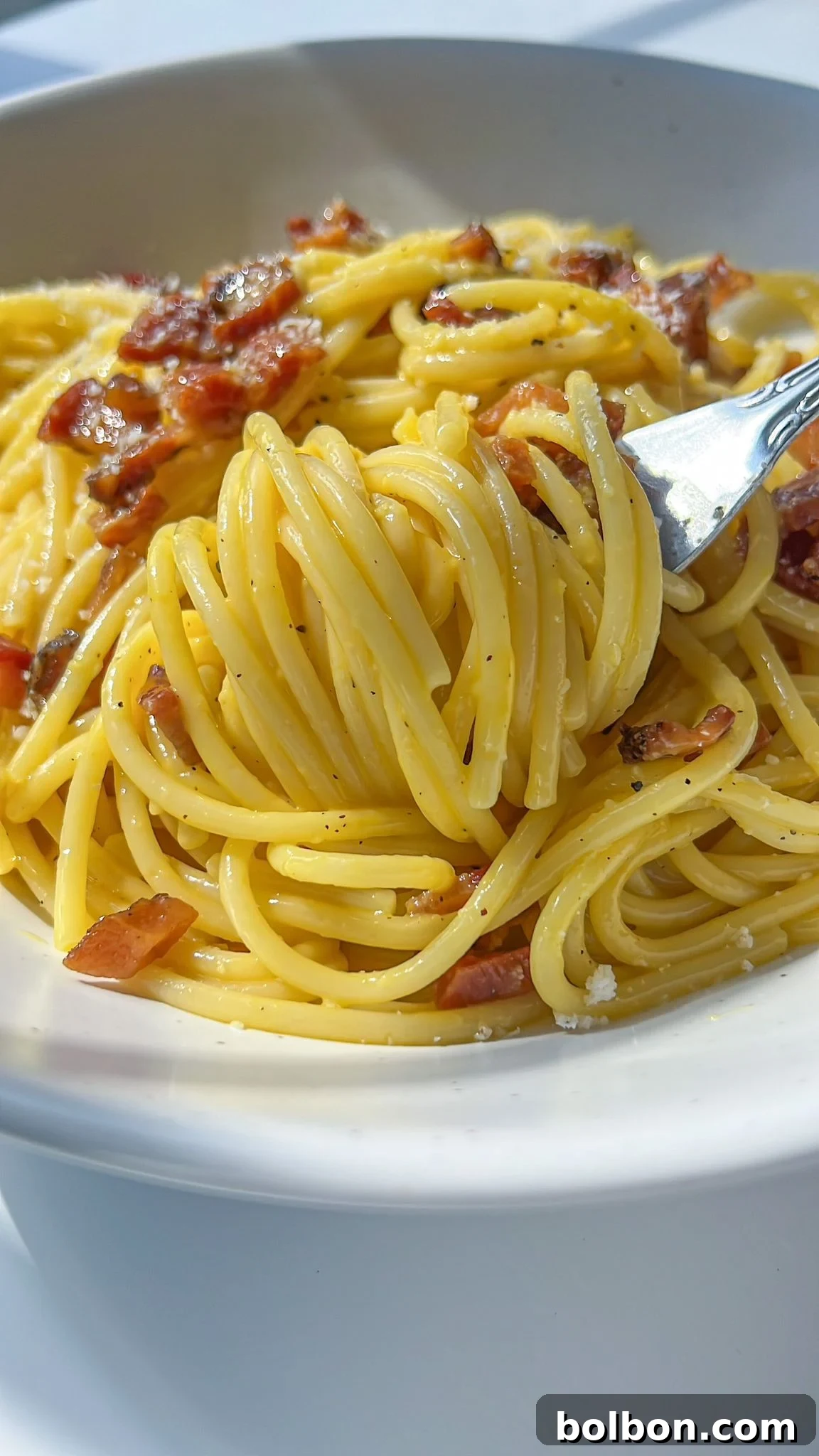
Carbonara isn’t just a meal; it’s an experience of pure culinary comfort. Imagine a plate of perfectly al dente spaghetti, generously coated in a luxurious, creamy sauce that’s not made with cream, but rather a brilliant emulsion of egg yolks, grated cheese, and the rendered fat from crisp guanciale. Each bite delivers an exquisite balance of salty, savory, and subtly spicy notes, thanks to the generous crack of fresh black pepper. What makes Carbonara truly remarkable is its elegant simplicity and the speed with which it comes together, often in less than 30 minutes from start to finish. It’s an Italian classic that promises to satisfy even the most intense cravings, leaving you feeling utterly content with every forkful. Whether you’re a seasoned chef or a beginner in the kitchen, Carbonara offers a rewarding cooking experience and an unforgettable taste that will have you coming back for more.
The Essence of Carbonara: Mastering the Ingredients
The secret to an unparalleled Carbonara lies not in complex techniques, but in the freshness and authenticity of its ingredients. Each component plays a vital role in creating the dish’s signature flavor and texture. Understanding these elements is your first step towards crafting a truly memorable Carbonara.
Guanciale: The Soul of the Dish
At the heart of a traditional Carbonara is guanciale, a cured pork jowl. Its unique flavor profile—rich, slightly sweet, and intensely savory—along with its high fat content, is indispensable. As guanciale renders, it releases a fragrant, flavorful fat that forms the base of the sauce, infusing the entire dish with unparalleled depth. When cooked until golden and crispy, it provides a delightful textural contrast. While pancetta or even high-quality bacon can be used as alternatives, guanciale offers an authentic taste that truly elevates the dish.
The Perfect Egg Emulsion
The creamy sauce of Carbonara is achieved through a precise blend of egg yolks and usually one whole egg. The yolks contribute richness and a vibrant color, while the whole egg adds a touch more body and helps in forming the silky emulsion. It’s crucial that these eggs are fresh and of good quality. When combined with hot pasta and a touch of starchy pasta water, they create a velvety, glossy coating without ever truly “cooking” into scrambled eggs. This delicate balance is what gives Carbonara its luxurious mouthfeel.
Pecorino Romano or Parmigiano Reggiano: The Cheesy Embrace
For the cheese component, Pecorino Romano is the traditional choice, celebrated for its sharp, salty, and pungent flavor that cuts through the richness of the guanciale and eggs. However, many also prefer Parmigiano Reggiano for its milder, nuttier, and slightly sweeter profile. Either cheese, grated finely, melts seamlessly into the sauce, adding depth and savory notes. Some enthusiasts even use a blend of both for a balanced flavor complexity.
Pasta: The Canvas
Spaghetti is the classic pasta shape for Carbonara, its long strands perfectly designed to capture the rich sauce. However, the beauty of this dish is its adaptability. Feel free to experiment with other shapes like fettuccine, bucatini, rigatoni, or even penne. The key is to cook your chosen pasta until it’s perfectly al dente—firm to the bite—ensuring it holds its structure and contributes to the overall texture of the dish.
Freshly Cracked Black Pepper
A generous amount of freshly cracked black pepper is not just a garnish; it’s an integral ingredient. Its pungent, aromatic heat provides a crucial counterpoint to the richness of the other components, adding a delightful spice that awakens the palate and balances the flavors. Always use freshly cracked pepper for the best aroma and taste.
Step-by-Step: Crafting Your Perfect Carbonara
The magic of Carbonara lies in its technique, particularly how the egg and cheese sauce emulsifies with the pasta and guanciale fat. Follow these steps carefully to achieve a truly authentic and delicious result.
1. Prepare Your Ingredients
Begin by cubing your guanciale (or pancetta/bacon) into small, bite-sized pieces, roughly 1/2 inch. For the sauce, in a separate bowl, whisk together two egg yolks and one whole egg until well combined and slightly frothy. Finely grate your chosen cheese—Pecorino Romano or Parmigiano Reggiano—and add it to the egg mixture, along with a generous quarter teaspoon (or more, to taste) of freshly cracked black pepper. Stir everything together and set this rich, creamy base aside. Crucially, have a ladle of starchy pasta water ready; it is the emulsifying agent that will bind your sauce to perfection.
2. Cook the Pasta
In a large pot, bring a generous amount of water to a rolling boil. Once boiling vigorously, add a substantial pinch of salt—the water should taste like the sea. Add your spaghetti (or preferred pasta shape) and cook according to package instructions until it reaches a perfect al dente texture. This means it should be firm to the bite, not mushy. Resist the urge to overcook, as the pasta will continue to cook slightly when tossed with the hot sauce.
3. Render the Guanciale
While the pasta cooks, heat a separate, wide pan over medium heat. Add the cubed guanciale and cook slowly, allowing its fat to gradually render out and the pieces to become beautifully golden brown and crispy. This slow rendering extracts maximum flavor. Once the guanciale is crisp, remove it from the pan with a slotted spoon, leaving behind the precious rendered fat. This fat is essential for the Carbonara sauce.
4. Combine and Emulsify the Sauce
This is the most critical step for a silky sauce. Before draining the pasta, reserve about 1 to 1.5 cups of the starchy pasta water. Immediately drain the hot, al dente pasta and return it to the pan where the guanciale fat is, *off the heat*. Add the crispy guanciale back into the pan with the pasta. Pour the prepared egg, cheese, and pepper mixture over the hot pasta. Now, vigorously toss everything together using tongs, moving the pasta in a circular motion. The residual heat from the pasta and the pan will gently cook the eggs, transforming them into a luxurious, silky, and creamy sauce, without scrambling.
5. Adjust Consistency and Serve
As you toss, the sauce will thicken. If it appears too thick or clumpy, add the reserved starchy pasta water a tablespoon at a time, continuing to toss vigorously, until you achieve your desired creamy consistency. The starch in the water helps to emulsify the sauce, ensuring it coats every strand of pasta beautifully. Plate the Carbonara immediately, ensuring it is piping hot. Garnish generously with extra grated Pecorino Romano or Parmigiano Reggiano and a final flourish of freshly cracked black pepper to enhance the flavors. Serve at once and savor every authentic Italian bite. Buon appetito!
Nonna’s Wisdom: Tips for Carbonara Perfection
Achieving Carbonara perfection is simple when you know the tricks. Remember, Pecorino Romano is traditional, but Parmigiano Reggiano offers a milder, equally delicious alternative. Don’t fret if guanciale is unavailable; high-quality pancetta or even regular streaky bacon can step in as a worthy substitute, though the flavor profile will shift slightly. The key is to render the fat slowly for maximum flavor. To prevent the eggs from scrambling, always remove the pan from direct heat before adding the egg and cheese mixture, and toss vigorously. The residual heat is sufficient to create that signature creamy texture. Lastly, always reserve more pasta water than you think you’ll need; it’s your secret weapon for a perfectly emulsified sauce.
What is Guanciale: The Roman Delicacy
Guanciale is a celebrated Italian cured meat, specifically derived from the pig’s cheek jowl. This distinction from pancetta, which comes from the pig’s belly, is crucial to understanding its unique culinary contribution. What sets guanciale apart is its higher fat content, which is incredibly flavorful and melts down beautifully when cooked. This rendered fat is a foundational element in many classic Roman dishes, including Spaghetti Carbonara and Bucatini all’Amatriciana, where it imparts a rich, deep savory flavor that cannot be fully replicated by other cured meats. Its curing process often involves salt, pepper, and sometimes other spices, resulting in a distinct, pungent aroma and taste. While guanciale is highly prized for its authentic flavor, if it’s not readily available, high-quality pancetta or even thick-cut, good-quality bacon can serve as an acceptable substitute. Personally, I appreciate the versatility and accessibility of regular bacon, especially when the traditional guanciale is hard to find, as it still adds a wonderful smoky depth to the dish.
The Enigmatic History of Carbonara
The origins of Carbonara, one of Italy’s most beloved pasta dishes, are surprisingly shrouded in a delicious mystery. While firmly associated with the Lazio region, particularly Rome, its precise genesis remains a subject of culinary debate and fascinating theories. Carbonara belongs to a family of hearty pasta dishes characterized by cured pork, cheese, and pepper, sharing similarities with “Pasta Alla Gricia,” often considered its ancestor.
The name “Carbonara” itself offers several disputed origins. Some theories link it to “carbonari,” or charcoal workers, suggesting it was a simple, filling meal they could prepare in the remote Apennine mountains. Others tie it to a secret society, or simply attribute it to clever urban legends passed down through generations. Intriguingly, its first documented appearance in print was relatively late, around 1950, when it was reportedly enjoyed by American officers stationed in Post-World War II Rome. This has led to one of the most compelling theories:
One popular account credits a resourceful young Italian army cook in 1944 for inventing Carbonara. During the Allied liberation of Italy, American troops brought with them an abundance of easily accessible ingredients like bacon, powdered egg yolks, and cheese. This theory suggests the cook cleverly combined these readily available provisions with local pasta, inadvertently creating the dish we know and love today. Food historians often point to this period, suggesting that Carbonara might have been a delicious cultural fusion that traversed the Atlantic, cementing its unique connection between Italy and the United States. Regardless of its specific origin story, Carbonara’s irresistible combination of flavors and textures has undoubtedly stood the test of time, making it a cherished classic in both Italian and international cuisine, enjoyed by millions who may never know the full tale of its birth.
Creative Variations & Thoughtful Substitutions for Carbonara
While traditional Carbonara holds a special place, its inherent versatility allows for delightful variations and thoughtful substitutions to cater to different tastes, dietary needs, or ingredient availability.
- Pork Alternatives: If authentic guanciale proves elusive, excellent quality pancetta (cured pork belly) or even regular, thick-cut, good-quality bacon can be used. Keep in mind that bacon will impart a smokier flavor, and pancetta a milder, more subtle one, but both will provide the essential rendered fat and savory notes.
- Vegetarian Carbonara: For a delightful meat-free rendition, you can completely omit the guanciale. Instead, consider using sautéed mushrooms (cremini or shiitake work well), sun-dried tomatoes, or smoked tofu to add an umami depth that mimics the savory elements of the pork. Ensure to add a tablespoon or two of olive oil to the pan for sautéing and to provide a base for the sauce.
- Cheese Explorations: While Pecorino Romano and Parmigiano Reggiano are the traditional go-to cheeses, don’t hesitate to experiment with other hard, aged cheeses. Varieties like sharp Asiago or even a dry Monterey Jack can offer a unique twist on the flavor profile, adding their own distinctive character to the creamy sauce.
- Gluten-Free Option: Carbonara is inherently adaptable for those with gluten sensitivities. Simply substitute traditional wheat pasta with any gluten-free pasta of choice. Ensure it’s cooked perfectly al dente, as gluten-free varieties can sometimes be more delicate. The sauce-making process remains exactly the same.
Best Served With: Completing Your Carbonara Experience
Carbonara is a rich and hearty pasta dish, making it the star of any meal. To create a beautifully balanced and well-rounded dining experience, pair it with sides that offer a refreshing contrast or complementary flavors.
- Fresh Salad: A crisp, light salad 🥗 with a simple vinaigrette or a zesty lemon-based dressing provides a refreshing contrast to the richness of the Carbonara. Greens like arugula, mixed baby greens, or even a simple cucumber and tomato salad can cleanse the palate between bites.
- Artisan Bread: A side of crusty toasted baguette 🥖 slices, focaccia, or even homemade cheesy roasted garlic bread would add a delightful crunch and garlicky flavor that perfectly complements the creamy pasta, ideal for soaking up any lingering sauce.
- Roasted Vegetables: Lightly roasted vegetables offer a healthy and flavorful accompaniment. Asparagus, broccoli 🥦 florets, or vibrant cherry tomatoes tossed with olive oil, salt, and pepper, and roasted until tender-crisp, can add a burst of color and fresh flavor to your meal.
Explore More Italian Delights: Similar Recipes
If the irresistible allure of Carbonara has captured your culinary heart, you’re sure to adore these other favorite pasta recipes that celebrate the simplicity and richness of Italian cooking:
- This Pasta Limone is an incredibly vibrant and refreshing dish, featuring the bright zest and juice of lemons harmoniously blended with a creamy sauce, making it one of my all-time favorite pasta dishes for its elegant simplicity and invigorating flavor.
- Discover a true game-changer with this creamy and easy hidden veggie pasta sauce. It’s ingeniously crafted to incorporate 5 to 6 nutritious vegetables seamlessly, creating a rich and flavorful sauce so discreetly that neither kids nor adults will ever suspect their presence.
- My creamy broccoli ricotta pasta offers a delicious and hearty way to consume a generous serving of vegetables. Here, tender broccoli, fresh spinach, and sweet onions are artfully blended with creamy ricotta cheese to form a silky-smooth, intensely flavorful sauce that coats every strand of pasta.
Frequently Asked Questions About Carbonara
You can use either Pecorino Romano or Parmigiano Reggiano, depending on your preference. Pecorino Romano offers a sharper, saltier, and more pungent taste, while Parmigiano Reggiano has a milder, nuttier, and slightly sweeter flavor.
Yes, you can substitute bacon for guanciale. While guanciale is traditional and has a distinct, rich flavor, high-quality bacon works well and adds its smoky essence to the dish. Pancetta is another excellent alternative.
To prevent the eggs from scrambling, it’s crucial to remove the pan from direct heat before adding the egg and cheese mixture to the hot pasta. Then, toss everything together vigorously. The residual heat from the pasta and pan will gently cook the eggs, creating a creamy, silky sauce without scrambling them.
Yes! While spaghetti is traditional and ideal for coating, you can use various pasta shapes or types like fettuccine, rigatoni, bucatini, or even penne to create unique and equally delicious variations of Carbonara.
Reserving pasta water is essential because it contains starch, which acts as a natural emulsifier, helping to bind the sauce and create a creamy consistency. Start by adding a small amount (1-2 tablespoons) and increase gradually if needed, while tossing, until you achieve your desired sauce consistency.
Carbonara pairs beautifully with crisp white wines such as Pinot Grigio or Vermentino, which cut through the richness. Light-bodied red wines like a young Chianti or a Barbera can also complement the dish nicely with their acidity and fruit notes.
Reheating Carbonara is generally not recommended as it’s best enjoyed fresh, directly from the pan, to maintain its delicate creamy texture. The sauce can easily separate upon reheating. However, if you do have leftovers, you can try this method: use very low heat in a pan and add a splash of milk, cream, or even some of the reserved starchy pasta water (if you saved it) while gently stirring. This can help to re-emulsify the sauce and prevent separation. Stir continuously until just warm, but avoid high heat.
Carbonara – Classic Italian Pasta
Equipment
- 1 Ceramic Pan
- Measuring Cups & Spoons
- Cutting Board
- Nakiri Knife
- Redmond Real Salt
- Medium Pot
Ingredients
- 80 grams Guanciale (cubed small, about 1/2 cup)
- 2 egg yolks
- 1 whole egg
- 50 grams Pecorino Romano cheese (1/2 cup), freshly grated
- ¼ teaspoon black pepper, freshly cracked (or more, to taste)
- 175 grams Spaghetti (or pasta of choice)
Additional Ingredients:
- Small ladle of starchy pasta water (to preference)
- Salt for the boiling pasta water
- Extra cheese when serving
Instructions
- In a large pot, bring water to a roaring boil for the pasta. Once boiling vigorously, add a generous pinch of salt.
- Cook your favorite pasta, traditionally spaghetti, but feel free to experiment. Boil the pasta in the salted water until it reaches an al dente texture, following the package instructions.
- In a separate bowl, whisk together two egg yolks and one whole egg. Stir in the grated Pecorino cheese and black pepper. Set this mixture aside.
- Cube the Guanciale (or pancetta/bacon) into small, bite-sized pieces. Add it to a pan and crisp up the cubed Guanciale over medium heat until it reaches your desired doneness (crispy is preferred for texture). Remove the crispy guanciale from the pan, but keep the rendered fat in the pan.
- When the pasta is done, reserve a ladle (approximately 1/2 to 1 cup) of the starchy pasta water before draining the pasta completely.
- Immediately return the hot, drained pasta to the pan with the rendered guanciale fat (off the heat). Add the crispy guanciale back into the pan.
- Pour the egg and cheese mixture over the pasta and toss everything together vigorously. Use tongs to move the pasta in a circular motion, ensuring every strand is coated.
- The residual heat from the pasta and the pan will gently cook the eggs, creating a silky, creamy sauce without scrambling them.
- If needed, add the reserved pasta water a little at a time, continuing to toss, until you achieve your desired sauce consistency.
- Plate the Carbonara immediately, garnishing it with extra grated cheese and a generous sprinkle of black pepper to elevate the flavors.
- Serve it piping hot and enjoy every bite of your authentic Italian Carbonara. Buon appetito!
Notes
Calories and macros will depend significantly on the ingredients and brands you use. Feel free to adjust (or reduce) the amounts based on your personal lifestyle and dietary preferences.
Nutrition (per serving, approximate)
, Carbohydrates: 66g
, Protein: 24g
, Fat: 38g
, Saturated Fat: 16g
, Polyunsaturated Fat: 1g
, Monounsaturated Fat: 2g
, Cholesterol: 82mg
, Sodium: 649mg
, Potassium: 222mg
, Fiber: 3g
, Sugar: 3g
, Vitamin A: 122 IU
, Calcium: 287mg
, Iron: 1mg
Nutrition information is automatically calculated, so should only be used as an approximation and is not guaranteed to be exact.