
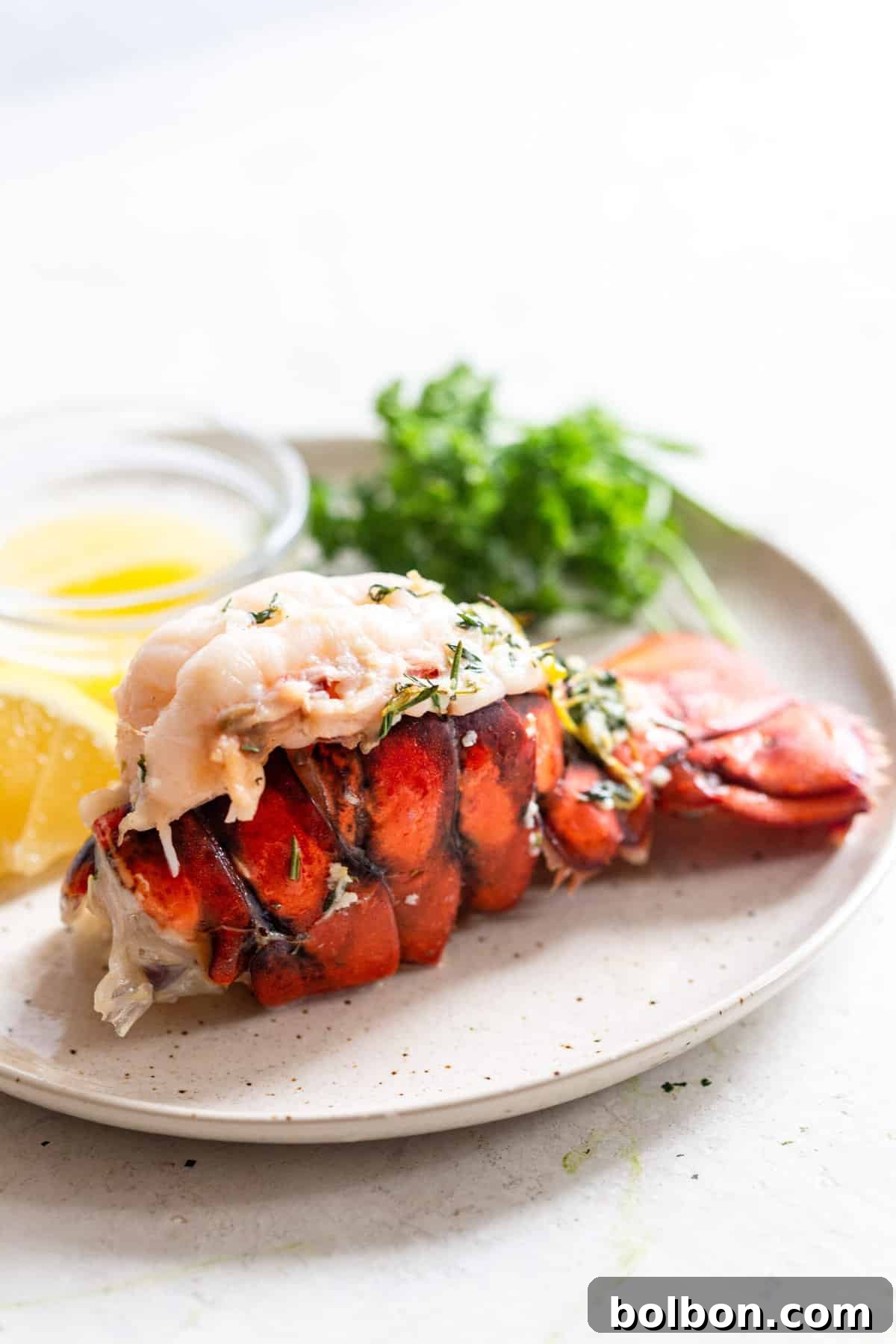
Imagine serving a luxurious, restaurant-quality meal right in your own home, without the hefty price tag or the stress of complicated cooking. With these easy broiled lobster tails, that dream becomes a delicious reality. In just about 20 minutes, you can transform simple lobster tails into an impressive dish perfect for a romantic date night, a special celebration, or simply when you’re craving something extraordinary. Forget the intimidation; preparing exquisite lobster at home is far simpler than you might think, and we’re here to guide you every step of the way to achieve perfectly cooked, tender, and flavorful lobster every single time.
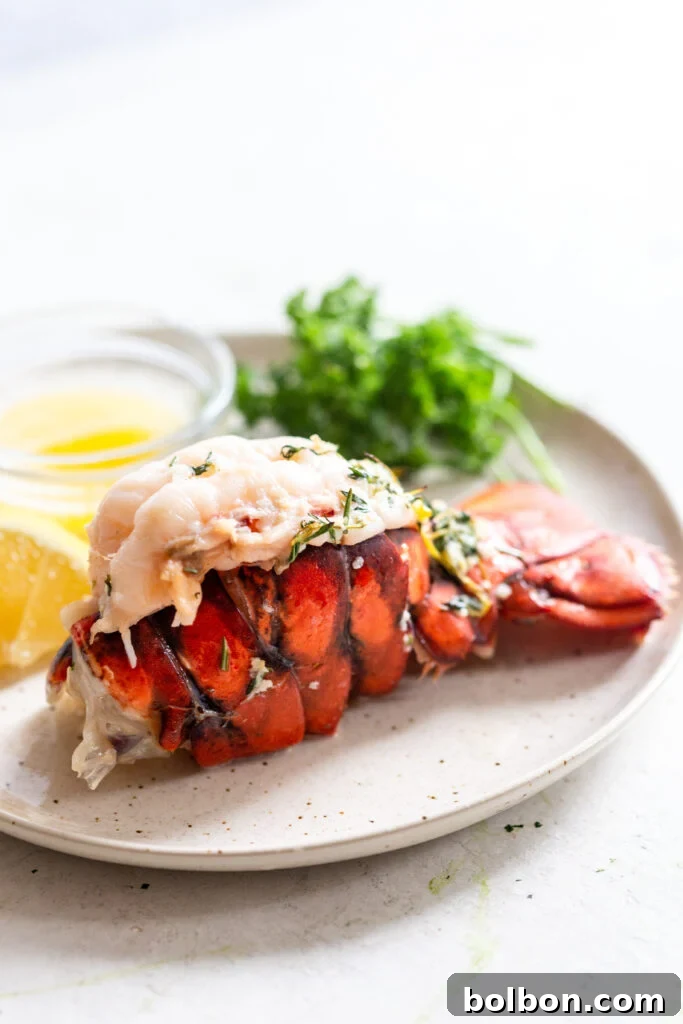
Many people find the idea of cooking lobster at home daunting, associating it with complex culinary skills or high-end restaurants. However, I’m thrilled to share the most straightforward and effective method for preparing lobster tails that will yield stunning, delicious results. My own journey with lobster began with apprehension, but I was genuinely surprised by how accessible and forgiving it is once you know the right techniques. This guide will walk you through the essential steps, starting with how to properly butterfly lobster tails – a technique that not only ensures even cooking but also enhances presentation and makes eating a breeze.
Why Choose Broiling for Your Lobster Tails?
Broiling is an ideal cooking method for lobster tails for several compelling reasons. It involves exposing the food to direct, intense heat from above, similar to grilling but performed inside your oven. This high-heat environment cooks the lobster quickly, sealing in moisture and creating a tender, succulent texture. Unlike boiling, which can sometimes dilute the delicate flavor of the lobster, or baking, which might not achieve the same caramelized crust, broiling offers a perfect balance. It delivers that signature slightly browned, flavorful exterior while keeping the interior juicy and sweet, reminiscent of what you’d find in a fine dining establishment. Plus, the speed of broiling means less time in the kitchen and more time enjoying your gourmet meal!
Understanding Lobster Tails: Choosing the Best for Broiling
Before you even begin cooking, selecting high-quality lobster tails is crucial. Lobster tails are generally available fresh or frozen, with frozen being more common and often just as good, especially if flash-frozen shortly after catch. Look for tails that are firm and free from discoloration. Cold-water lobster tails (from regions like Maine, Canada, or South Africa) are generally preferred for their firmer texture and sweeter flavor compared to warm-water varieties. When purchasing, consider the size; smaller tails (4-6 ounces) cook more evenly and quickly, making them ideal for broiling. While larger tails can be impressive, they may require longer cooking times or a slightly different approach to ensure consistent doneness without drying out.
The Art of Butterflying Lobster Tails: A Step-by-Step Guide
Butterflying a lobster tail is a technique that involves cutting through the top of the shell and partially slicing the meat, then lifting the meat to rest on top of the shell. This method is key to achieving uniformly cooked lobster, as it exposes more surface area to the heat, allowing the garlic butter to penetrate deeply and ensuring even cooking from all sides. It also makes for an incredibly elegant presentation, transforming a simple tail into a showstopper dish, and significantly simplifies the eating process by making the meat easily accessible. Don’t be intimidated; it’s quite simple!
What You’ll Need for Butterflying:
- Sharp kitchen shears (heavy-duty scissors are best)
- Your lobster tails
How to Butterfly a Lobster Tail:
- **Prepare Your Workspace:** Place the lobster tail on a clean cutting board, shell-side up. Ensure it’s stable and won’t slip during the cutting process.
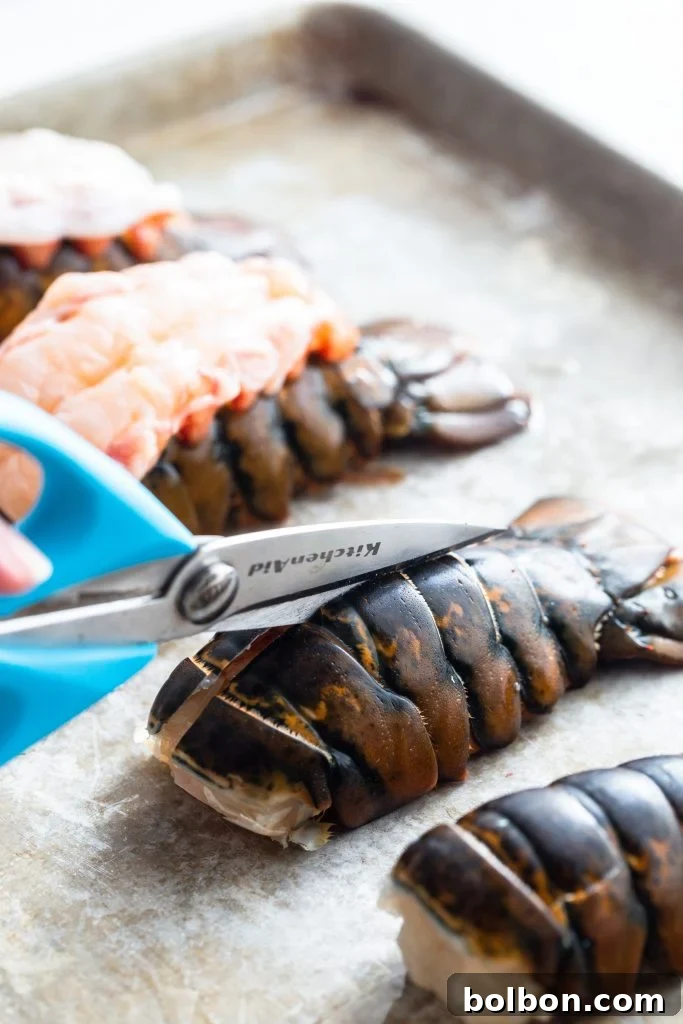
- **Cut the Shell:** Using sturdy kitchen shears, carefully cut down the center of the hard top shell. Start from the end closest to the body (the thickest part) and cut all the way down, stopping just before the tail fin. Be careful not to cut through the bottom shell or the delicate meat completely. The goal is to only slice through the top, tough shell.
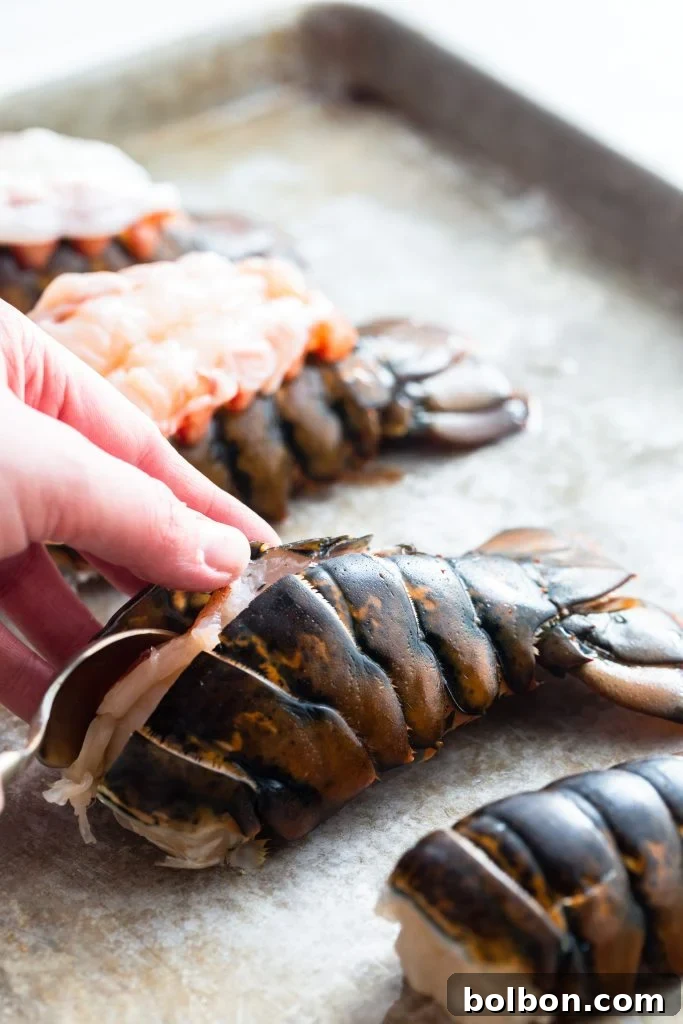
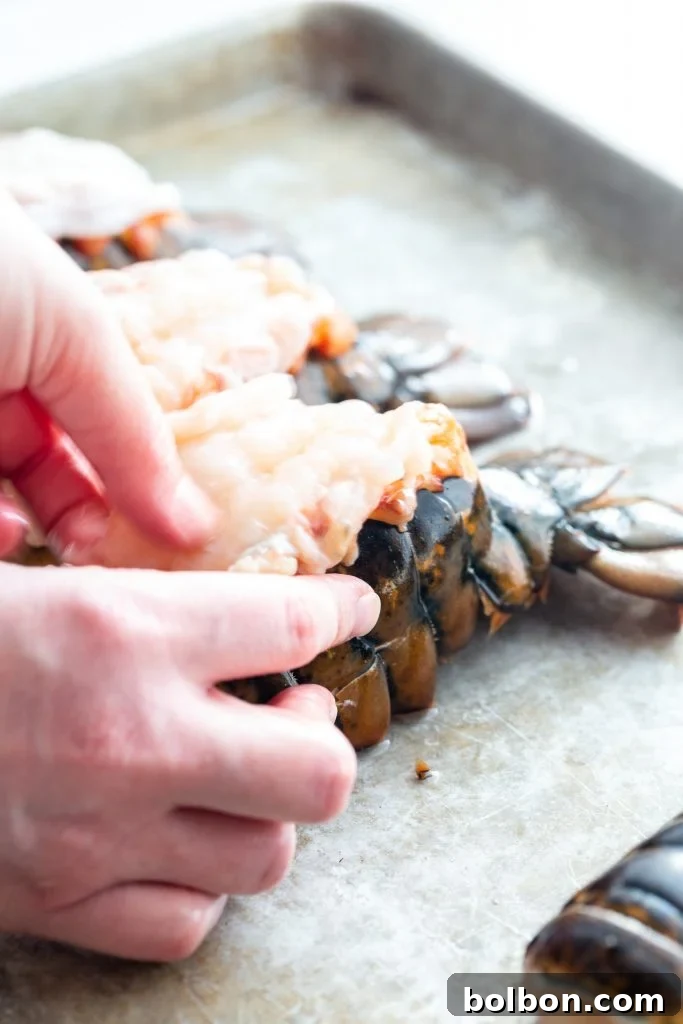
- **Open and Loosen the Meat:** Gently spread the cut shell apart with your fingers. Carefully slide your fingers or the back of a spoon underneath the lobster meat to loosen it from the bottom shell. It’s important to keep the very end of the meat attached to the tail fin; this creates the signature butterflied look.
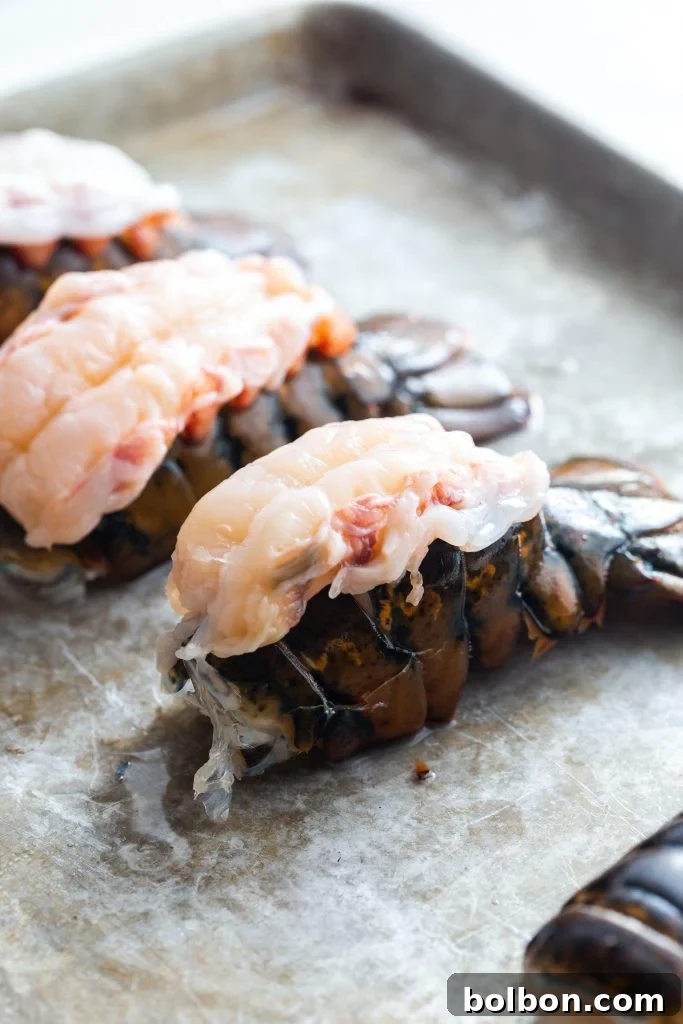
- **Lift the Meat:** Gently pull the freed lobster meat upwards, out of the shell, so that it sits proudly on top of the cut shell. The meat should form a beautiful “piggyback” presentation.
- **Troubleshooting:** If you’re struggling to separate the meat from the bottom shell, flip the tail over and gently press on the underside ribs of the shell with your thumbs. This can help release the meat more easily. Then, flip it back and try lifting the meat again.
- **Remove the Digestive Tract (if present):** Sometimes, a dark, thin digestive tract (similar to a shrimp vein) may be visible along the top of the lobster meat. Gently remove it with your fingers or rinse it away under cold running water. While not harmful, removing it improves appearance and texture.
- **Final Positioning:** Once the meat is lifted, you can gently press the empty bottom shell halves together slightly. This creates a more stable, attractive base for the lobster meat to rest on. Arrange the butterflied lobster meat neatly on top of the shell. Your tails are now perfectly prepared for seasoning and cooking!
-

Making the initial cut down the center of the lobster tail shell with kitchen shears. -
Carefully separating the meat from the shell, ensuring the tail fin remains attached. -
The butterflied lobster tail, meat pulled up and elegantly arranged on its shell. -
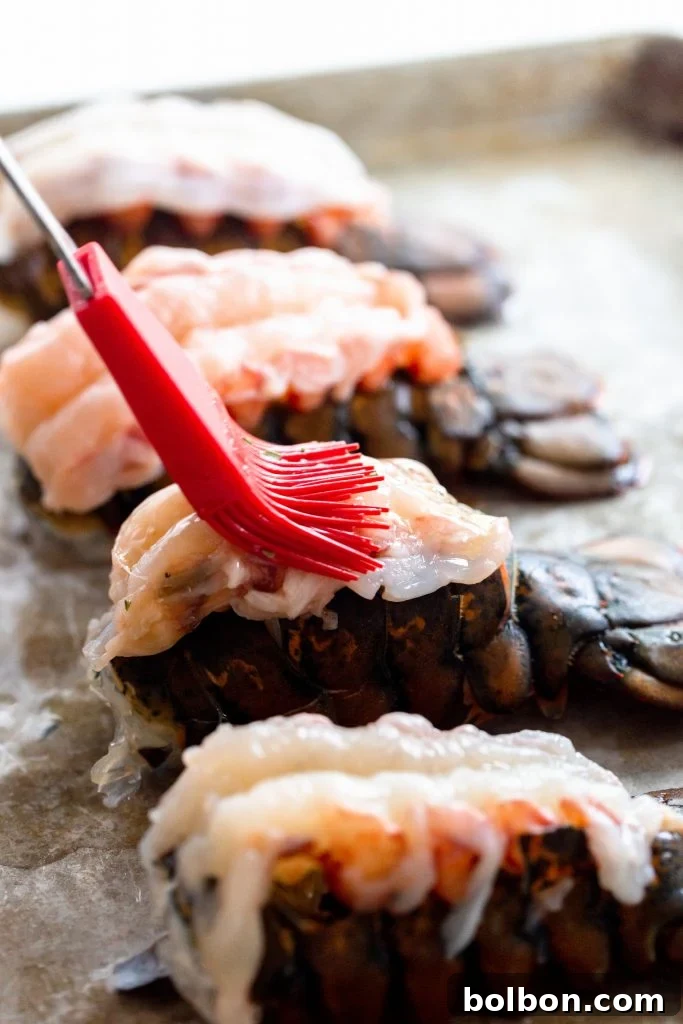
Multiple butterflied lobster tails neatly placed on a baking sheet, ready for the broiler.
Thawing Frozen Lobster Tails Safely and Effectively
Most lobster tails available are sold frozen, which is perfectly fine for achieving excellent results at home. Proper thawing is absolutely essential to maintain the tender texture and delicate flavor of the lobster. Improper thawing can lead to tough, unevenly cooked meat. Remember, never rush the thawing process with hot water, as this can prematurely cook the delicate meat, leading to a rubbery consistency and compromised quality.
Best Method: Overnight in the Refrigerator
The safest, most recommended, and least labor-intensive way to thaw frozen lobster tails is to transfer them from the freezer to the refrigerator 12 to 24 hours before you plan to cook them. Place the tails in a bowl or on a plate to catch any condensation or drips as they thaw. This slow, gradual thawing ensures the meat remains tender and flavorful. It’s crucial that they are fully thawed and flexible before you proceed with butterflying and cooking, so plan your meal well in advance.
Quick Method: Cold Water Bath
If you’re short on time and need to thaw lobster tails more quickly, a cold water bath is your best option. Place the frozen lobster tails in a sealed, airtight plastic bag (like a heavy-duty zip-top freezer bag). It is critical that no water can leak into the bag, as direct contact with water can make the lobster meat waterlogged and diminish its flavor. Place the sealed bag in a large bowl or sink and fill it with cold tap water. You must change the water every 15-30 minutes to keep it consistently cold, preventing the outer layers of the lobster from warming up too much. Depending on the size of the tails, this process typically takes 1 to 1.5 hours until they are completely thawed and flexible. Once thawed, immediately remove them from the bag and pat them thoroughly dry with paper towels before proceeding with the recipe.
Crafting the Perfect Garlic Herb Butter for Broiled Lobster
The irresistible flavor of broiled lobster is undeniably elevated by a luscious garlic herb butter. This simple yet profound addition infuses the sweet lobster meat with savory, aromatic notes that are truly divine. The butter melts into the exposed meat during broiling, basting it with flavor and ensuring a moist, tender result. A basic garlic butter sauce consists of melted butter, fresh garlic, and lemon juice. For an extra layer of complexity and freshness, incorporating finely chopped fresh herbs like thyme and rosemary, as in this recipe, is a game-changer. These herbs complement seafood beautifully, adding an earthy warmth and bright aromatic quality that enhances the lobster’s natural sweetness without overpowering its delicate taste.
- **Butter:** Always opt for unsalted butter when making a flavored sauce. This allows you to control the overall saltiness of the dish and avoid an overly salty outcome.
- **Garlic:** Freshly minced garlic yields the best and most pungent flavor. Avoid garlic powder for this recipe if possible, as it won’t provide the same fresh aromatic kick.
- **Lemon Juice:** A generous squeeze of fresh lemon juice is non-negotiable. It brightens the flavors, adds a touch of acidity that beautifully cuts through the richness of the butter, and enhances the seafood’s natural taste.
- **Herbs:** Fresh thyme and rosemary are classic choices that pair wonderfully with lobster. You could also experiment with other fresh herbs like finely chopped parsley, dill, chives, or a combination for different flavor profiles.
- **Salt:** Kosher salt is recommended as its larger flakes are easier to control and provide a clean salty taste.
To prepare, simply melt the butter gently, then stir in the minced garlic, fresh lemon juice, kosher salt, and your chosen finely chopped fresh herbs. This fragrant mixture will then be generously brushed over the exposed lobster meat just before broiling, creating a beautiful golden-brown crust and imparting an incredible depth of flavor that will make your homemade lobster feel truly gourmet.
Mastering the Broiler: How Long to Broil Lobster Tails for Perfection
Broiling is a rapid cooking method, meaning lobster tails cook very quickly under the intense, direct heat. Precision and vigilance are key to avoid overcooking, which can result in tough, rubbery, and unpleasant meat. The general rule of thumb for broiling lobster tails is to allow approximately 1 minute of broiling time per ounce of lobster tail meat. This guideline provides a great starting point for achieving perfectly cooked results.
- **For 4-ounce tails:** Expect to broil for about 4 minutes.
- **For 5-ounce tails:** Plan for about 5 minutes of broiling.
- **For 6-ounce tails:** Allocate around 6 minutes of broiling time.
This guideline assumes a standard broiler setting (usually “high”) and an average tail thickness. Always keep a close eye on your lobster tails, as oven broilers can vary significantly in intensity and distance from the heating element. The goal is a beautifully cooked, tender interior with a slightly caramelized, golden-brown exterior. Do not walk away from the oven while broiling!
Step-by-Step Broiling Instructions for Perfectly Cooked Lobster Tails
Once your lobster tails are expertly butterflied and your aromatic garlic herb butter is ready, the actual cooking process is incredibly fast and simple. Following these precise steps will ensure succulent, flavorful results every time:
- **Preheat Broiler:** Position an oven rack in the top third of your oven, ensuring there’s enough clearance for the lobster tails. Turn on your oven’s broiler to its highest setting (this is typically labeled “high” on most ovens). Allow it to preheat for at least 5-10 minutes. A thoroughly hot broiler is essential for achieving a quick sear and even cooking.
- **Prepare Baking Sheet:** Arrange your butterflied lobster tails, meat-side up, on a sturdy baking sheet. For easier cleanup, you can line the baking sheet with aluminum foil. Ensure the tails are not overcrowded on the baking sheet; leave some space between each one to allow the hot air to circulate and promote even broiling.
- **Brush with Butter Mixture:** Generously brush the prepared garlic herb butter over all the exposed lobster meat. Make sure to get into any crevices created by the butterflying process for maximum flavor infusion and a beautiful golden crust.
- **Broil:** Carefully place the baking sheet with the lobster tails under the preheated broiler. Keep the oven door slightly ajar if your oven recommends it for broiling (check your oven’s manual). Broil for approximately 1 minute per ounce of lobster tail. For instance, if your tails are 5 ounces each, broil them for 5 minutes.
- **Monitor Closely:** It cannot be stressed enough: stay near the oven and watch the lobster carefully. Broilers are powerful, and food can go from perfectly cooked to beautifully charred to burnt very quickly. Look for the meat to turn opaque white and the edges to get slightly golden.
Ensuring Perfect Doneness: How to Tell When Lobster Tails are Cooked
Knowing exactly when your lobster tails are done is absolutely crucial for achieving tender, delicious results. Overcooked lobster quickly becomes tough, chewy, and rubbery, losing its delicate texture and sweet flavor. To guarantee perfection, rely on both reliable visual cues and, ideally, an internal temperature check.
- **Internal Temperature: The Most Reliable Method**
The best way to be sure your lobster is perfectly cooked is to use an instant-read thermometer. Carefully insert the thermometer into the thickest part of the lobster meat, making sure to avoid touching the shell, as this can give a false reading. Cooked lobster should register an internal temperature between 135-140 degrees Fahrenheit (57-60 degrees Celsius). Pulling it out at the lower end of this range will result in the most tender meat, as there will be a slight amount of carryover cooking.
- **Visual Cues: What to Look For**
- **Color Change:** Raw lobster meat is typically translucent and grayish or bluish. As it cooks, it will transform into an opaque, pearly white color throughout. There should be no translucent, gelatinous, or grayish areas remaining in the center of the thickest part of the meat.
- **Firmness:** The cooked meat will become firm to the touch when gently pressed, rather than soft and squishy like raw meat.
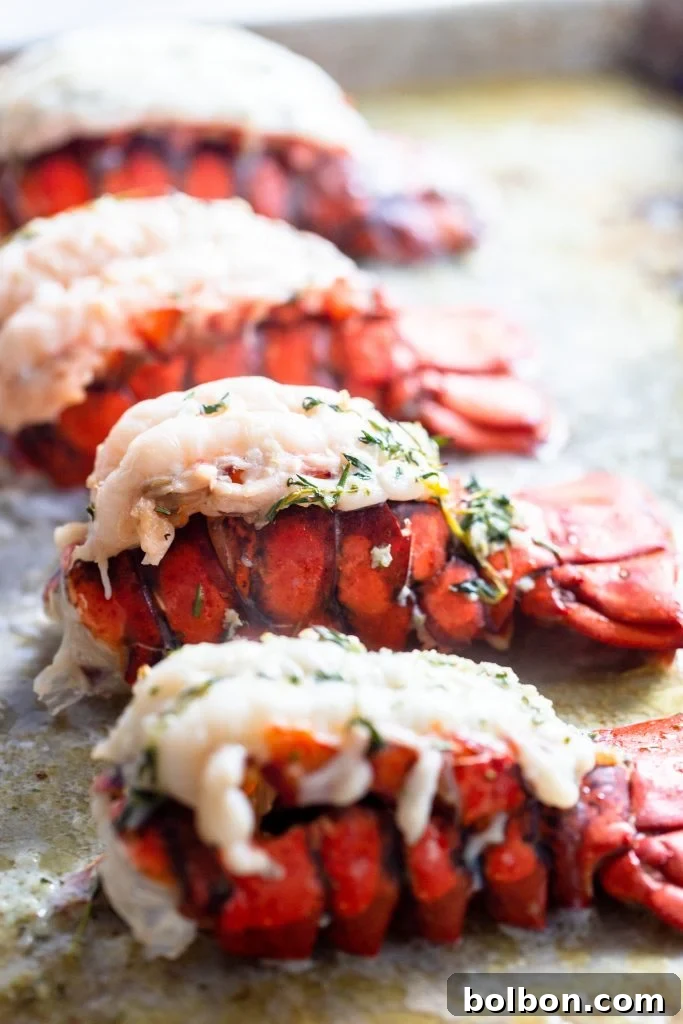
- **Shell Color:** The shell, especially around the cut edges and the underside, will turn a vibrant, bright red-orange color. This is a good indicator of doneness, though not as precise as the internal temperature.
Once your lobster reaches the desired doneness, remove it immediately from the oven to prevent carryover cooking, which can quickly lead to overcooked, dry lobster. Serve promptly to enjoy its peak flavor and wonderfully tender texture.
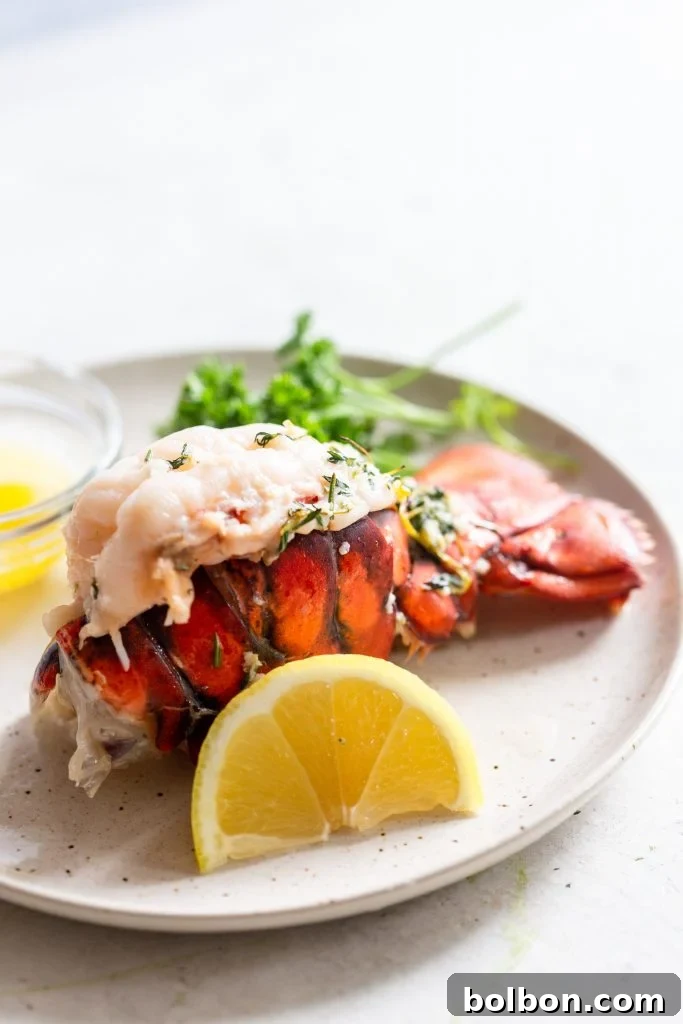
What to Serve with Broiled Lobster Tails: Elevate Your Meal
Broiled lobster tails are a show-stopping main course on their own, but pairing them with the right side dishes can truly complete and elevate the dining experience. Whether you’re aiming for a classic pairing or something new and exciting, here are some delicious ideas to complement your gourmet lobster:
- **Classic Surf and Turf:** The ultimate indulgence! Serve your succulent broiled lobster tails alongside a perfectly grilled or seared steak. Cuts like filet mignon, ribeye, or sirloin are traditional and create a truly luxurious meal.
- **Roasted Vegetables:** Light yet incredibly flavorful, roasted vegetables are an excellent choice that won’t compete with the lobster’s delicate taste. Try my Lemon Parmesan Roasted Broccoli, which adds a bright and cheesy note, or classic Roasted Asparagus, which offers a fresh, earthy flavor. Other great options include green beans with toasted almonds, balsamic-glazed Brussels sprouts, or honey-glazed carrots for a touch of sweetness.
- **Potatoes:** Potatoes are a comforting and satisfying starch that pairs beautifully with rich lobster. Creamy mashed potatoes, garlicky roasted new potatoes, or my Crispy Smashed Potatoes provide a delightful textural contrast. A simple baked potato with chives and sour cream or butter is also a timeless and elegant choice.
- **Fresh Salads:** A light, crisp green salad with a bright vinaigrette dressing can offer a refreshing contrast to the richness of the lobster and butter sauce. Consider a caprese salad for fresh flavors or a simple mixed green salad with cherry tomatoes and cucumber.
- **Rice Dishes:** A delicate rice pilaf, a lemon-herb infused risotto, or even a simple side of steamed jasmine rice can complement the flavors beautifully, soaking up the delicious butter.
- **Wine Pairings:** To truly enhance your meal, consider a wine pairing. For white wines, a crisp Sauvignon Blanc, an unoaked Chardonnay, or a dry Pinot Grigio are excellent choices that complement seafood. If you prefer red wine, a light-bodied Pinot Noir can also work well, especially with a surf and turf meal.
And don’t forget the essentials: always have extra melted butter (perhaps clarified butter, also known as drawn butter, for a purer taste) and fresh lemon wedges readily available for dipping and squeezing! A final sprinkle of fresh chopped parsley or chives at the end can also add a vibrant pop of color and freshness.
Tips for Success: Achieving Gourmet Lobster Tails Every Time
Even though broiling lobster tails is straightforward, a few key tips can elevate your dish from good to truly unforgettable:
- **Don’t Overcook:** This is the golden rule for any seafood, especially lobster. Overcooked lobster quickly becomes rubbery and tough. Invest in an instant-read thermometer and trust it!
- **Preheat Thoroughly:** A hot broiler is crucial. Give your oven ample time (at least 5-10 minutes) to reach its maximum temperature and ensure the broiler element is glowing red. This ensures quick, even cooking and a beautiful sear on the meat.
- **Use Fresh Ingredients:** For your garlic herb butter, fresh lemon juice, freshly minced garlic, and fresh herbs will make a significant difference in flavor compared to their dried or pre-packaged counterparts.
- **Avoid Waterlogging:** If you’re using the cold water thawing method, ensure your lobster tails are completely sealed in an airtight bag. Any direct contact with water can dilute their natural flavor and make the meat watery.
- **Pat Dry:** Always pat the thawed lobster tails thoroughly dry with paper towels before applying the butter and broiling. Excess moisture can steam the lobster instead of broiling it, preventing a nice golden crust.
- **Don’t Overcrowd:** Arrange the lobster tails in a single layer on the baking sheet, ensuring there’s space between each tail. Overcrowding can lower the temperature and lead to steaming rather than broiling.
- **Serve Immediately:** Lobster is best enjoyed straight from the oven, when it’s at its most tender and flavorful. Have your side dishes ready to go!
- **Adjust Broiler Rack:** If you notice your lobster is browning too quickly on top but appears undercooked inside, try lowering the oven rack slightly. Conversely, if it’s cooking too slowly, you can raise the rack, but monitor it even more closely.
Frequently Asked Questions About Broiled Lobster Tails
Can I grill lobster tails instead of broiling?
Absolutely! Grilling lobster tails is another fantastic high-heat method that imparts a delicious smoky flavor. Prepare them by butterflying as described in this guide, then brush generously with garlic butter. Grill them meat-side down over direct medium-high heat for 3-5 minutes, until slightly charred. Then, flip them over to the shell-side down and continue grilling for another 3-7 minutes, or until the internal temperature of the thickest part of the meat reaches 135-140°F.
Can I bake lobster tails if I don’t have a broiler?
Yes, you can certainly bake lobster tails, though it won’t give you the same charred edges and quick cooking time as broiling. To bake, preheat your oven to 400°F (200°C). Prepare the tails by butterflying and brushing with the garlic herb butter as instructed. Bake for 8-12 minutes, depending on the size of the tails, until the internal temperature reaches 135-140°F. If you happen to have a toaster oven with a broiler function, you could even finish them under there for a minute or two to get some color.
How do I store leftover cooked lobster?
Cooked lobster meat is delicious as leftovers! Store any leftover cooked lobster meat in an airtight container in the refrigerator for up to 2-3 days. Avoid reheating it to a high temperature, as this can make it tough. It’s fantastic served cold in salads (like a classic lobster roll), added to sandwiches, or gently warmed (e.g., in a warm butter sauce) for pasta dishes, risottos, or omelets.
What’s the best size lobster tail to buy for broiling?
For broiling, tails between 4-6 ounces are generally considered ideal. They cook quickly and evenly under the intense heat of the broiler, making them easier to manage and less prone to overcooking. Larger tails can also be broiled but might require an extra minute or two of cooking time and closer monitoring to ensure they cook through without drying out.
Can I prepare the garlic butter in advance?
Yes, you can prepare the garlic herb butter mixture a day or two in advance. Simply melt the butter with the garlic, lemon juice, salt, and herbs, then store it in an airtight container in the refrigerator. When ready to use, gently warm it until melted again before brushing over the lobster tails.
Broiled Lobster Tail Recipe
Meghan McMorrow | Fox and Briar
15 mins
5 mins
4 Servings
Print Recipe
Ingredients
- 4 Lobster tails
- 1/4 cup unsalted butter, plus more butter for serving
- 1/2 tsp kosher salt
- 2 tsps lemon juice, plus lemon wedges for serving
- 3 garlic cloves, minced
- 1 tsp fresh thyme, chopped
- 1 tsp fresh rosemary, chopped
Instructions
- Move oven rack to the top 1/3 of the oven and turn on the broiler.
- To prepare lobster tails, use kitchen shears to cut through the top of the shell, stopping at the tail. Gently lift the lobster meat out of the shell, keeping the tail attached at the end. You can use your fingers or a spoon to gently separate the meat from the shell. If you are having trouble separating the meat from the shell, flip the lobster tail over and gently press on the ribs. Then flip back and try again.
- Lift the meat above the shell, then pinch the shell together and lie the meat on top of the shell. Arrange prepared tails on a baking sheet.
- Melt butter and stir in salt, lemon juice, garlic, thyme and rosemary. Brush all of the butter mixture over the lobster meat.
- Place lobster tails under the broiler, broil for about 1 minute per ounce. So for a 5 ounce lobster tail, broil for 5 minutes. Lobster is done when meat measures 135-140 degrees Fahrenheit with an internal thermometer. Meat will turn from translucent to white.
- Serve immediately with extra lemon wedges and more melted butter on the side for dipping.
Nutrition
Serving: 1tail
|
Calories: 155kcal
|
Carbohydrates: 1g
|
Protein: 11g
|
Fat: 12g
|
Saturated Fat: 7g
|
Trans Fat: 1g
|
Cholesterol: 111mg
|
Sodium: 560mg
|
Potassium: 145mg
|
Fiber: 1g
|
Sugar: 1g
|
Vitamin A: 382IU
|
Vitamin C: 2mg
|
Calcium: 63mg
|
Iron: 1mg
Nutrition information is automatically calculated, so should only be used as an approximation.
Additional Info
Enjoy this exquisite Broiled Lobster Tail recipe, perfect for any special occasion or a luxurious weeknight treat. Its simplicity ensures a stress-free cooking experience with restaurant-quality results.
Did you like this recipe?
Please comment, rate and share! And don’t forget to tag me on Instagram @foxandbriar AND #foxandbriar so I can see what you made!
Disclosure: This post contains affiliate links, which means that if you purchase the items I recommend through the links I provide, I get a small commission. For more info, please see my disclosure policy. Thanks for supporting Fox and Briar!