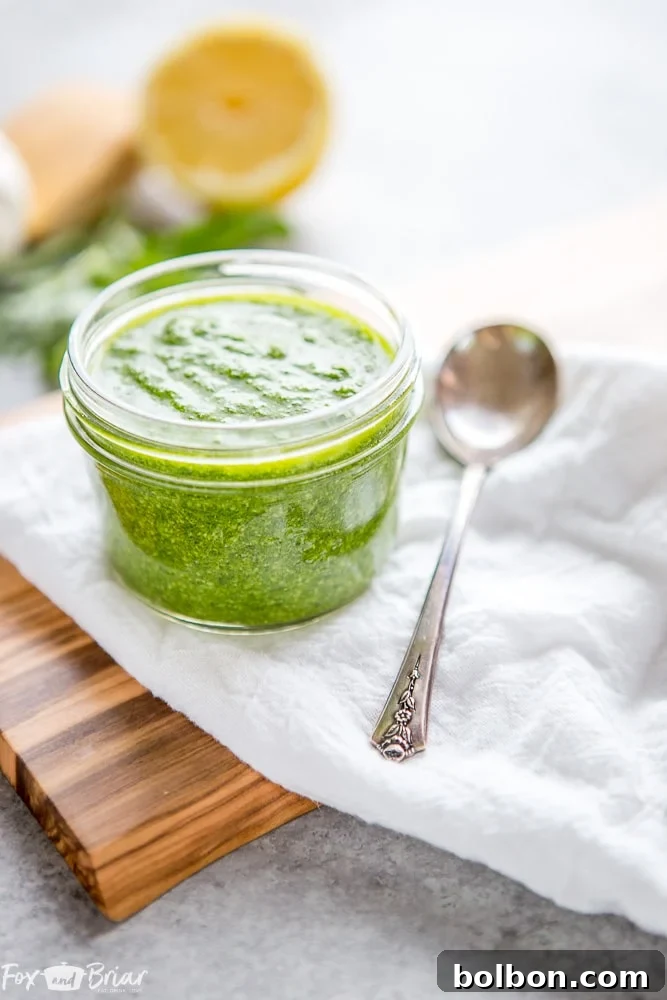
Easy 5-Minute Nut-Free Homemade Pesto: A Taste of Summer
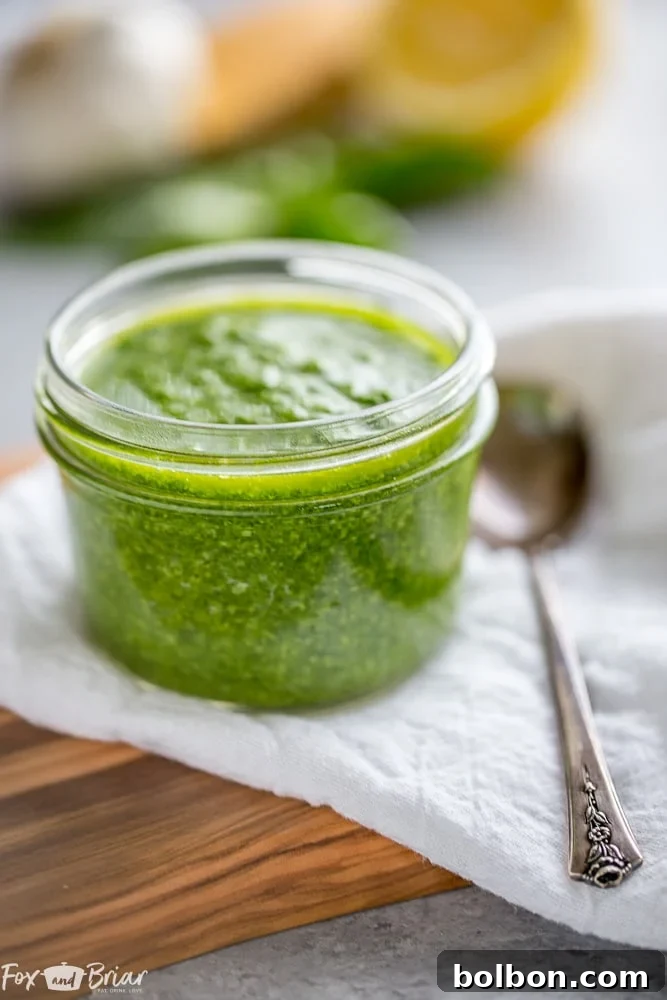
Imagine a burst of fresh, vibrant flavor that instantly transports you to sunny days and warm breezes. That’s precisely what you get with homemade pesto, and our easy, 5-minute nut-free version is no exception! It’s an incredibly simple recipe that delivers an astonishingly rich taste, capturing the very essence of summer in every spoonful. Forget expensive store-bought jars; crafting your own fresh pesto is not only faster than a trip to the grocery store but also guarantees unparalleled flavor and quality.
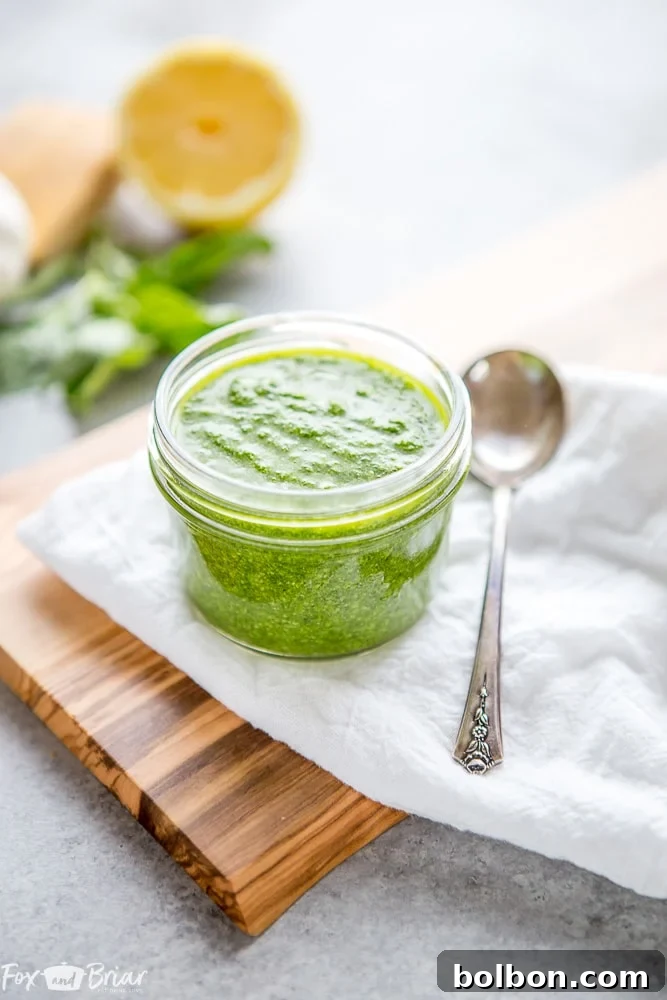
Does anything truly encapsulate the spirit of summer more than the aroma and taste of fresh, homemade pesto? The moment you open a jar, the fragrant basil hits you, conjuring images of hot, lazy afternoons, icy drinks, and effortless, delicious dinners. While commercially prepared pesto can be quite good, it rarely compares to the vibrant, nuanced flavors of a batch made from scratch. Our recipe elevates this classic by making it incredibly quick, accessible to those with nut allergies, and unbelievably delicious.
Jump to Recipe
Why Homemade Pesto Reigns Supreme
The allure of homemade pesto lies in its unparalleled freshness. When you make pesto at home, you control every ingredient, ensuring only the finest, most vibrant basil, premium olive oil, and perfectly aged Parmesan make it into your blend. Store-bought versions, while convenient, often contain preservatives, less potent olive oils, and sometimes even artificial flavors that dull the bright, herbaceous notes that define true pesto.
Furthermore, the tactile experience of transforming fresh basil leaves into a fragrant, emerald-green sauce is incredibly rewarding. It’s a culinary ritual that connects you directly to the ingredients and the season. The intense aroma that fills your kitchen as the food processor whirs is a testament to the power of fresh herbs and a promise of the delightful meal to come. Opting for homemade means experiencing pesto at its peak, with a texture and flavor profile that pre-packaged alternatives simply cannot match.
The Genius Behind Nut-Free Pesto
Traditional pesto typically calls for pine nuts, and sometimes walnuts, which contribute a distinct richness and texture. However, our nut-free version offers several compelling advantages that make it a superior choice for many. The inspiration for this adaptation dates back to my college days. Back then, I wasn’t particularly fond of nuts (a quirky preference, I admit!), and as a budget-conscious student, the high cost of pine nuts was a significant deterrent. Little did I know, this simple omission would lead to a pesto recipe I’d come to prefer and one that solves several common culinary challenges.
Firstly, removing nuts makes this pesto significantly lower in fat, offering a lighter alternative without sacrificing flavor. Secondly, it drastically reduces the cost, making fresh, homemade pesto an accessible luxury for everyone. Most importantly, it makes this delicious sauce completely safe for individuals with nut allergies, opening up a world of flavor for those who typically have to avoid pesto altogether. You might even find, as I did, that the absence of nuts allows the pure, bright flavor of the basil to shine through even more intensely, creating a uniquely fresh and vibrant sauce.
Disclosure: This post contains affiliate links. If you purchase items through the links I provide, I may earn a small commission at no additional cost to you. For more information, please see my disclosure policy. Your support helps Fox and Briar continue to create delicious content!
Essential Tools for Perfect Pesto
While this homemade pesto recipe is remarkably simple, one kitchen appliance is truly indispensable: a food processor. This powerful tool is key to achieving that perfectly smooth, emulsified texture that defines great pesto.
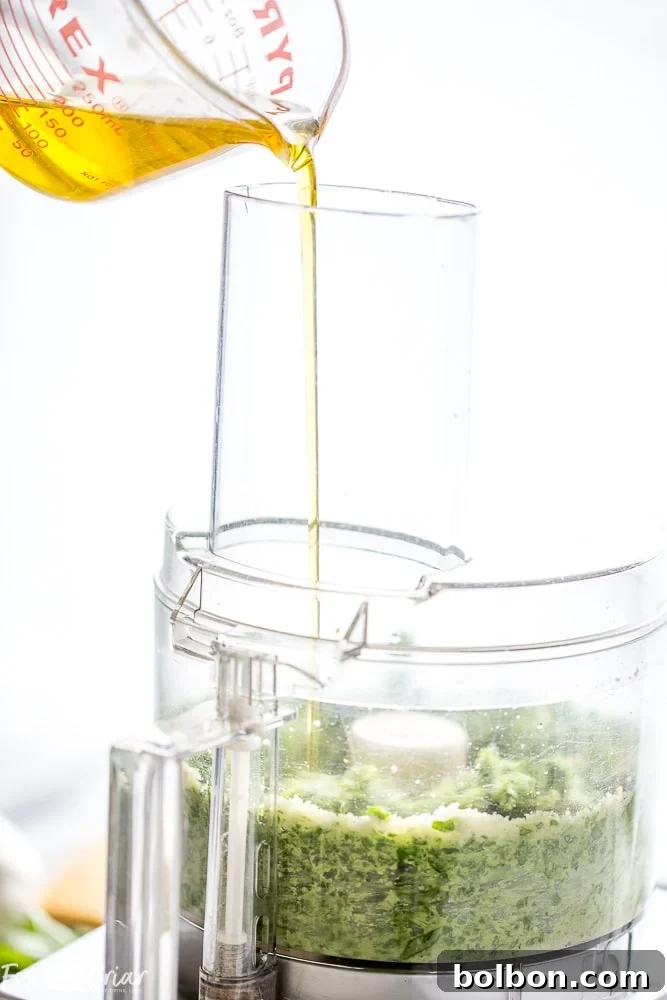
A food processor’s sharp blades and rapid pulsing action efficiently break down the basil and garlic into a fine paste. More crucially, it allows for the slow, steady streaming of olive oil into the mixture while the blades are running. This continuous blending as the oil is added is what creates a beautiful emulsion, resulting in a creamy, stable pesto that doesn’t separate. Without proper emulsification, your pesto might turn out oily and less cohesive.
Some might wonder if a high-powered blender can do the trick. While some top-tier blenders might manage, a regular blender often struggles. The narrower base and stronger vortex of a standard blender can lead to ingredients getting stuck or over-processed in an inconsistent manner, producing a less desirable texture. In my experience, a food processor provides the ideal environment for transforming simple ingredients into a gourmet pesto. If you’re in the market for one, THIS model is similar to the one I use and has proven to be one of the most versatile and frequently used tools in my kitchen. It’s a worthwhile investment for any home cook.
The Magic of Lemon Juice: More Than Just Flavor
You might notice lemon juice listed as a key ingredient, and it’s here for more than just a tangy kick. Lemon juice plays a dual role in this pesto, contributing significantly to both its flavor and its visual appeal.
From a flavor perspective, the fresh lemon juice adds a bright, zesty note that perfectly complements the rich basil and savory Parmesan. It lifts the entire profile of the pesto, preventing it from becoming too heavy and adding a subtle tang that makes it even more addictive. This touch of acidity balances the richness of the olive oil and cheese, creating a more complex and harmonious taste.
Beyond taste, lemon juice is a secret weapon for maintaining the pesto’s vibrant green color. Basil, when exposed to air and processed, has a tendency to oxidize and turn a brownish hue. The citric acid in lemon juice acts as a natural antioxidant, helping to preserve the chlorophyll in the basil leaves and ensuring your homemade pesto retains its beautiful, fresh green appearance. This means your pesto will look as appetizing as it tastes, even after storage.
Versatile Ways to Enjoy Your Nut-Free Pesto
One of the greatest joys of homemade pesto is its incredible versatility. Once you’ve whipped up a batch of this easy nut-free version, you’ll find countless ways to incorporate its vibrant flavor into your daily meals.
- Classic Pasta Pairing: The most obvious and beloved use is, of course, with pasta. Toss it with your favorite spaghetti, penne, or fusilli for a quick and satisfying weeknight dinner. For a lighter, gluten-free option, use it with spiralized zucchini (zoodles) or cucumber noodles.
- Pizza Perfection: Ditch the traditional red sauce and spread pesto on your pizza dough for a fresh, herbaceous base. Top with fresh mozzarella, cherry tomatoes, and a sprinkle of red pepper flakes for an instant gourmet pizza.
- Sandwich and Wrap Enhancer: Spread a thin layer of pesto on bread, wraps, or bagels to elevate your sandwiches. It pairs beautifully with turkey, chicken, fresh vegetables, and various cheeses.
- Salad Dressing with a Twist: Whisk a tablespoon or two of pesto into your favorite vinaigrette, or thin it slightly with a little extra olive oil and lemon juice, for a unique and flavorful salad dressing. It’s particularly good with Caprese salads or mixed greens.
- Elevated Eggs: Stir a spoonful of pesto into scrambled eggs or an omelet for a delightful breakfast or brunch. It adds a sophisticated twist to simple egg dishes.
- Roasted Vegetable Boost: Toss roasted vegetables like potatoes, carrots, broccoli, or asparagus with pesto after they come out of the oven for an extra layer of flavor.
- Marinade Marvel: Use pesto as a marinade for chicken, fish, or shrimp before grilling or baking. The olive oil helps tenderize, and the herbs infuse fantastic flavor.
- Soup and Stew Swirl: Stir a dollop of pesto into a bowl of vegetable soup, minestrone, or even a simple tomato soup just before serving for an added depth of flavor and freshness.
- Bread Dip: Serve it simply as a dip with crusty bread or focaccia for an appetizer.
The possibilities are truly endless, making this easy homemade pesto a staple you’ll want to keep on hand.
What is your favorite way to enjoy pesto in the summer?
Nut-Free Homemade Pesto Recipe
By Meghan McMorrow | Fox and Briar
Prep Time: 5 mins
Total Time: 5 mins
Yields: 1 Cup
Print Recipe
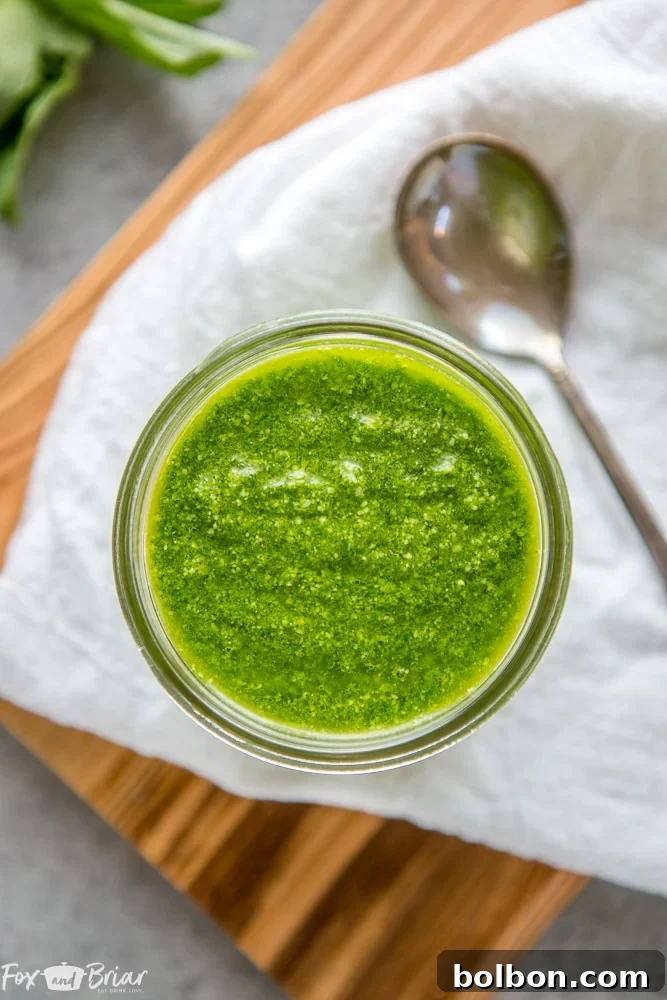
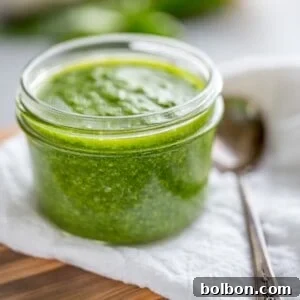
This easy Homemade Pesto is also nut free! It only takes 5 minutes and tastes amazing. Freshly made pesto is like summer in a jar!
Ingredients
- 3 cups packed fresh basil
- 1/2 cup olive oil
- 1/2 cup (2 ounces) fresh grated Parmesan cheese
- 1-2 cloves garlic, minced or pressed
- 1 tablespoon fresh lemon juice
- 1/4 teaspoon kosher salt, or to taste
- Pepper, to taste
Instructions
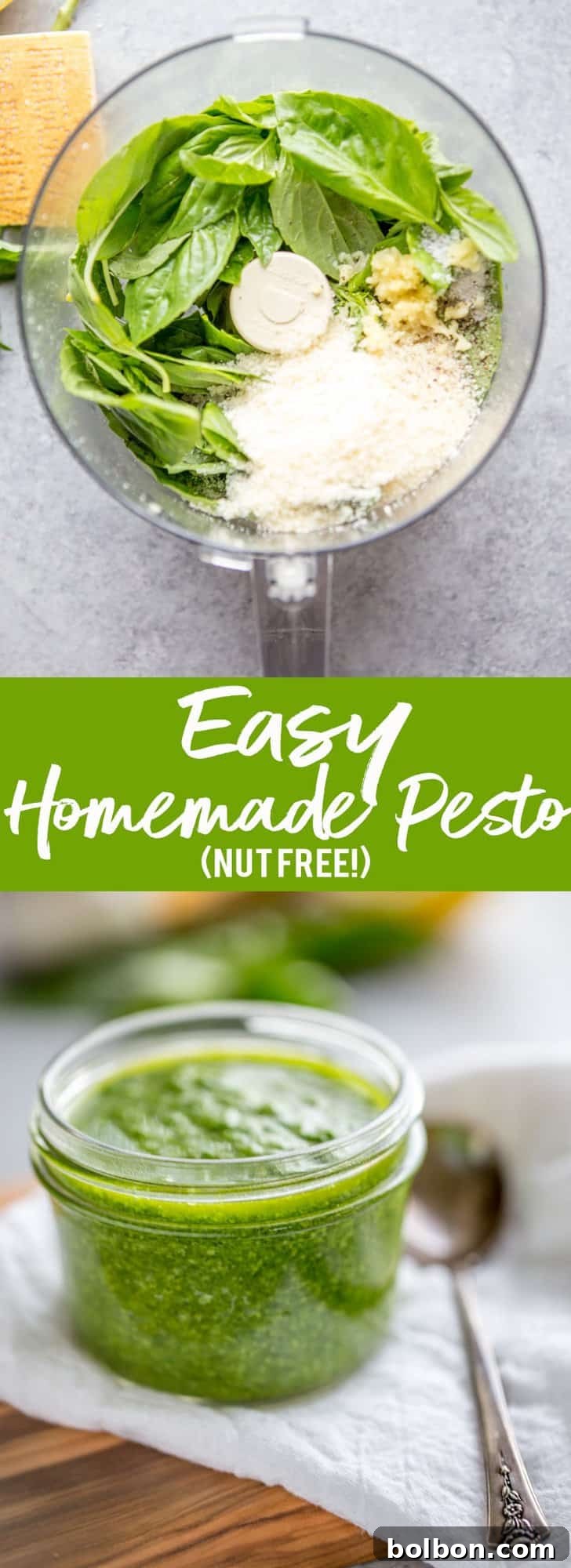
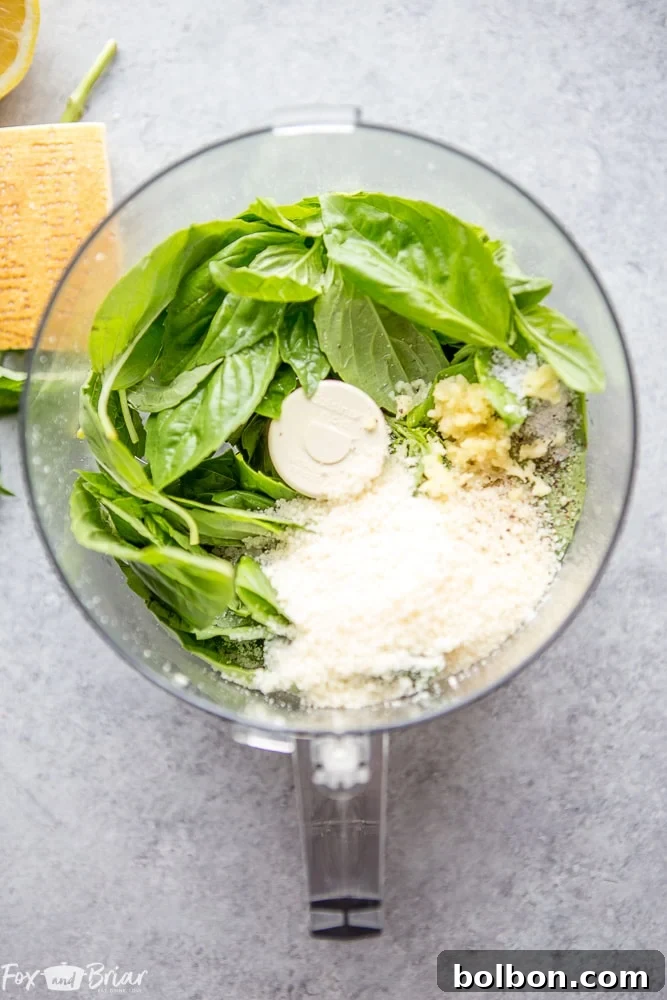
- Add everything except the olive oil to a food processor.
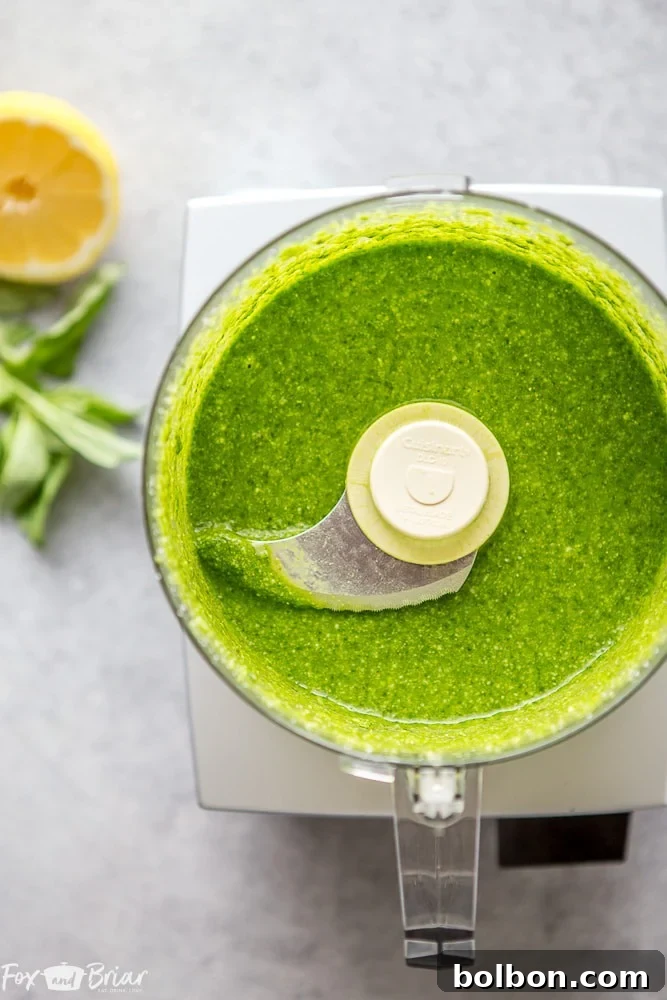
- While the processor is running, slowly pour the olive oil through the feed tube in a steady stream. Process until smooth.
- If needed, scrape down the sides with a rubber spatula and pulse a few times until everything is fully incorporated.
- Store in the refrigerator.
Notes
For reference, I typically use a 4-ounce package of fresh basil from the grocery store. After removing the stems, this usually yields about 3 packed cups of basil, which is the perfect amount for this recipe. Adjust garlic and salt to your personal preference.
Nutrition information is automatically calculated, so should only be used as an approximation.
Additional Info
Course: Dips/Salsas/Spreads
Cuisine: Italian
Pesto Storage Tips: Keeping Freshness Alive
Once you’ve made a batch of this delicious nut-free pesto, proper storage is key to preserving its vibrant color and fresh flavor.
- Refrigeration: For short-term storage (up to 5-7 days), transfer your pesto to an airtight container. To prevent oxidation and keep that beautiful green color, pour a thin layer of olive oil over the surface of the pesto before sealing the container. This creates a barrier against air.
-
Freezing for Longer Storage: Pesto freezes beautifully, allowing you to enjoy summer’s flavor all year long.
- Ice Cube Trays: The easiest method is to spoon the pesto into ice cube trays. Once frozen solid (usually a few hours), pop out the pesto cubes and transfer them to a freezer-safe bag or container. This allows you to thaw just the right amount for a single serving.
- Small Containers: Alternatively, you can freeze pesto in small, airtight containers. Again, pour a thin layer of olive oil on top before freezing to help maintain color and prevent freezer burn.
Frozen pesto can last for up to 6 months. Thaw in the refrigerator or add directly to warm dishes like pasta.
Frequently Asked Questions About Nut-Free Pesto
Here are some common questions you might have about making and enjoying your nut-free pesto:
-
Q: Can I make this pesto vegan?
A: Absolutely! To make this recipe completely vegan, simply substitute the Parmesan cheese with nutritional yeast. Nutritional yeast provides a cheesy, savory flavor that works wonderfully in pesto. Start with a quarter cup and add more to taste.
-
Q: What if I don’t have a food processor?
A: While a food processor is highly recommended for its efficiency and ability to create a smooth emulsion, you can technically make pesto with a mortar and pestle. This traditional method requires more effort and time but produces a unique, slightly coarser texture. It’s best for smaller batches and for those who enjoy the hands-on process.
-
Q: Can I use different herbs for variations?
A: Yes! While basil is classic, you can experiment with other fresh herbs. Try a mix of basil and spinach for a milder flavor, or incorporate parsley, cilantro, or even arugula for different taste profiles. Just ensure your main herb component is fresh and packed.
-
Q: How long does homemade pesto last?
A: When stored properly in an airtight container in the refrigerator with a layer of olive oil on top, homemade pesto typically lasts for about 5-7 days. If frozen, it can maintain its quality for up to 6 months.
-
Q: Can I use pre-minced garlic?
A: While fresh garlic cloves are always recommended for the best flavor, you can use pre-minced garlic in a pinch. However, be aware that the flavor might not be as potent or fresh, so you might need to adjust the amount.
Conclusion: Embrace the Simplicity of Homemade Flavor
This easy 5-minute nut-free homemade pesto is more than just a recipe; it’s an invitation to savor the simple pleasures of fresh, seasonal ingredients. It’s a testament to how quickly and effortlessly you can create something truly extraordinary in your own kitchen. Whether you’re navigating food allergies, looking for a healthier alternative, or simply craving the pure, unadulterated taste of summer, this pesto delivers.
So, gather your fresh basil, fire up your food processor, and in mere minutes, you’ll have a jar of vibrant, flavorful pesto ready to transform countless meals. Share it with loved ones, enjoy it solo, and relish in the knowledge that you’ve created something delicious, healthy, and perfectly tailored to your tastes.
Did you like this recipe?
Please comment, rate, and share! And don’t forget to tag me on Instagram
@foxandbriar
AND
#foxandbriar
so I can see what you made!