
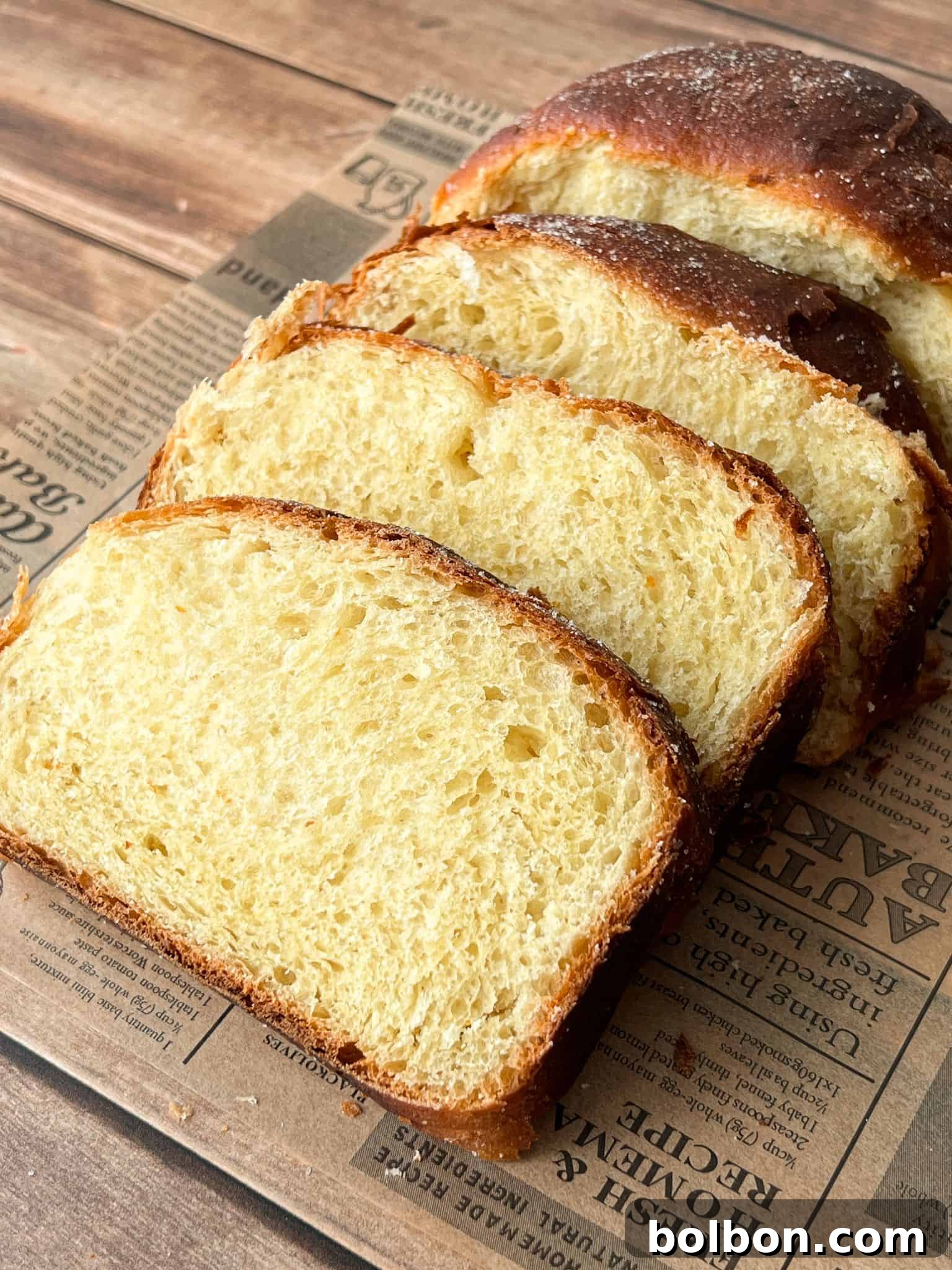
Embark on a culinary journey this Easter with a recipe that redefines ease and flavor: our No-Knead Easter Bread. This golden, pillowy sweet bread, known in Bulgaria as Kozunak, offers all the traditional aroma and comforting taste without any of the strenuous kneading. It requires only a few pantry staples, a dash of passion, and a healthy dose of patience, culminating in a magnificent loaf that seems to magically bake itself.
Growing up in Bulgaria, the arrival of Easter was synonymous with the intoxicating scent of freshly baked Kozunak wafting from my grandmother’s kitchen. She would lovingly prepare her sweet bread from scratch, her practiced hands meticulously kneading the dough until it reached perfection. As the ‘Modern Nonna,’ I wanted to bridge tradition with contemporary convenience, offering a method that is not only foolproof but also wonderfully beginner-friendly. This recipe brings the soul of Bulgarian Easter straight to your table, simplifying the process without compromising on that cherished, authentic taste.
The true marvel of this recipe lies in its simplicity: there’s absolutely NO kneading required! Instead of muscle work, we harness the power of time. The dough undergoes a slow, overnight rise, making it mostly hands-off. While it does demand a degree of patience, this extended resting period is precisely what develops its complex flavors and signature airy texture. Think of it as a culinary slow-cooker – active prep is minimal, but the waiting pays off exponentially. This makes it an ideal candidate for prepping ahead, freeing you up to tackle other holiday tasks on your to-do list. Whether for a festive Easter morning breakfast or a delightful sweet treat any time of year, this bread is truly worth the wait, promising a rewarding and delicious experience.
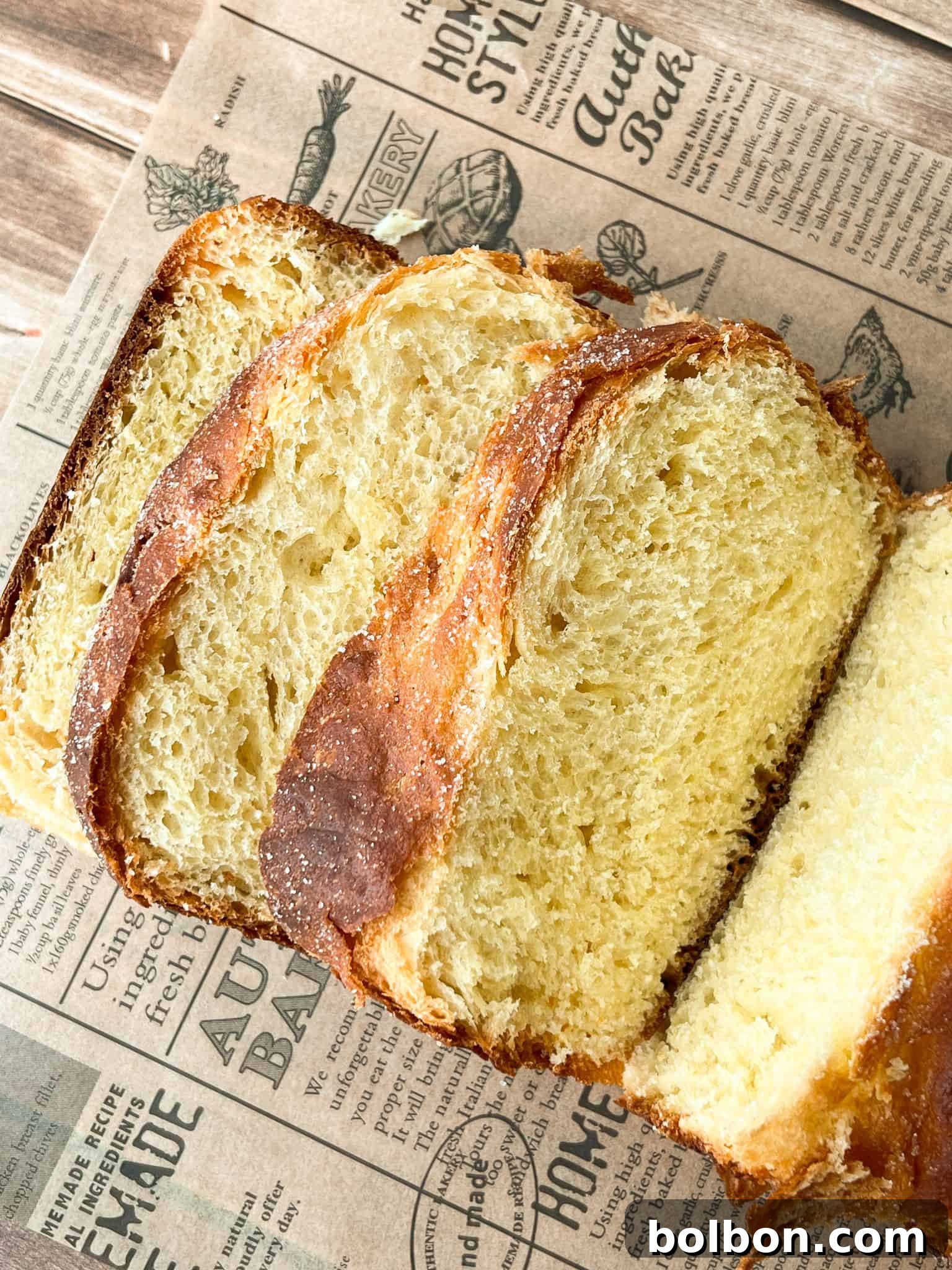
Why This No-Knead Easter Bread Will Become Your New Favorite
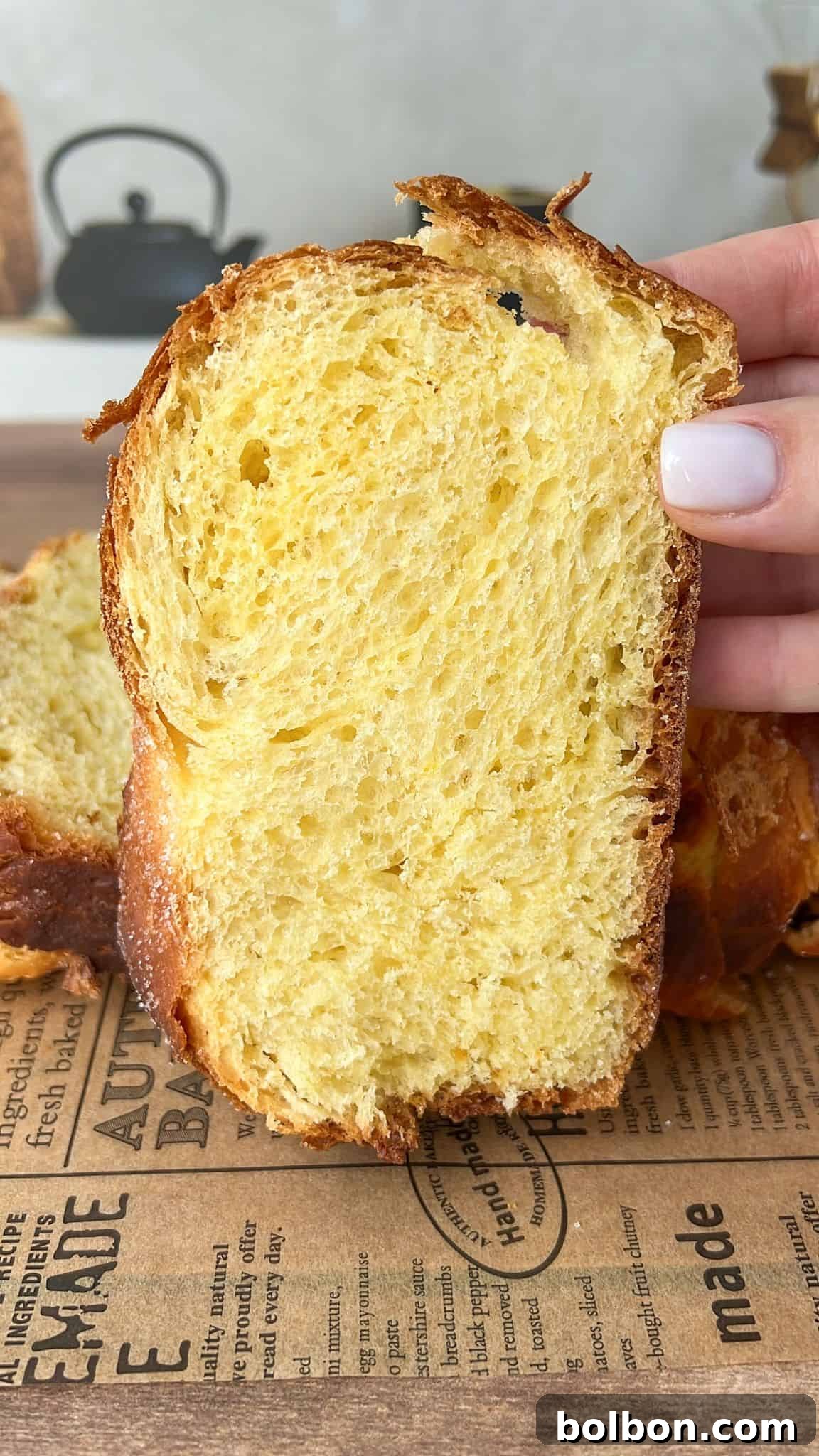
This No-Knead Easter Bread is more than just a recipe; it’s an invitation to effortlessly create a centerpiece that’s as beautiful as it is delicious. It’s easy enough for even the most novice bakers to master, yet stunning enough to command attention at your holiday table. As it bakes, the harmonious blend of bright orange zest and sweet honey fills your home with a comforting aroma, instantly conjuring up cherished holiday memories and the promise of a warm, sun-drenched Spring day. Each slice reveals a soft, profoundly pillowy crumb encased in a glistening, golden crust – truly the stuff of carb-fueled dreams. The best part, unequivocally, is the complete absence of kneading! The dough’s overnight rise not only simplifies the process but also allows for incredible flavor development, making it perfect for making ahead of time. The only real challenge? Exercising the virtue of patience as you wait for it to cool before indulging in a warm, fragrant slice!
The Magic Behind No-Knead Sweet Bread
The “no-knead” method isn’t just about saving effort; it’s a clever technique that allows time to do the work of building gluten structure, which is typically achieved through vigorous kneading. By using a wetter dough and a longer fermentation period, the gluten strands naturally develop and align themselves. This results in an incredibly tender, airy crumb with a beautiful network of open pockets, characteristic of well-developed bread. For sweet breads like our Easter Kozunak, this method prevents overworking the dough, which can lead to a tough texture. Instead, it ensures a soft, delicate crumb that simply melts in your mouth, making it an accessible and rewarding baking experience for everyone, regardless of skill level.
Essential Ingredients for Your Sweet Easter Loaf
Crafting this delightful No-Knead Easter Bread requires simple, wholesome ingredients you likely already have in your pantry. Each component plays a crucial role in achieving that perfect golden crust and incredibly soft, aromatic interior:
- Milk: Warm milk is essential for activating the yeast, providing the ideal environment for it to thrive and help your dough rise beautifully. Precision is key here; ensure it’s comfortably warm, not too hot (which kills yeast) nor too cold (which hinders activation).
- Yeast: This microscopic marvel is what gives our bread its signature light and fluffy texture. When mixed with the warm milk and a touch of sugar, it begins to ferment, producing carbon dioxide gas that inflates the dough.
- All-Purpose Flour: The foundational ingredient for any bread, all-purpose flour provides a soft, tender crumb ideal for sweet breads. For those who prefer a slightly chewier texture, bread flour can be used, thanks to its higher protein content.
- Honey: Beyond just adding sweetness, honey is a glorious nectar that contributes moisture, a subtle depth of flavor, and helps achieve that beautiful golden-brown crust. It’s truly the unsung hero that elevates this bread from good to extraordinary.
- Eggs: Eggs serve multiple purposes in this recipe. They act as a crucial binder, holding all the ingredients together, and add richness and a beautiful yellow hue to the crumb. An egg wash applied before baking also gives the bread that desirable shiny, golden finish.
- Sugar: Granulated sugar sweetens the dough, perfectly balancing the richness of the other ingredients, and acts as a vital food source for the yeast, encouraging robust activity and a strong rise.
- Orange Zest: The finely grated zest of an orange infuses the bread with a clean, vibrant aroma and its signature citrusy flavor, a delightful hallmark of traditional Easter breads like Kozunak.
- Butter: This wholesome fat is responsible for imparting a rich, luxurious flavor and tenderizing the crumb, resulting in an irresistibly soft texture. For a dairy-free alternative, a neutral-flavored oil can be used.
- Salt: A small but mighty ingredient, salt is vital for balancing the sweetness in the dough and, importantly, helps regulate yeast activity, preventing it from rising too quickly and ensuring a well-structured final product.
The Modern Nonna’s Golden Tip 🥛
Always double-check your yeast’s expiration date. Then, ensure your milk is perfectly warm – not scalding hot, which can kill the yeast, nor cold, which won’t activate it. If your yeast mixture doesn’t foam up after a few minutes, do NOT proceed. You’ll need to discard it and start this crucial step again with fresh yeast and properly warmed milk for a successful rise.
Creative Variations & Smart Substitutions for Your Sweet Bread
While this No-Knead Easter Bread recipe is a delight on its own, it also serves as a fantastic canvas for your culinary creativity. Feel free to personalize it with your favorite flavors and accommodate various dietary needs:
- **Delectable Add-Ins:** Elevate the flavor profile by incorporating your favorite mix-ins. Consider adding chocolate chips or chunks for a rich indulgence, or a classic combination of ground cinnamon and plump raisins for a warm, spiced twist. Chopped nuts or dried cranberries also make wonderful additions.
- **Flour Power:** Our recipe calls for all-purpose flour, which yields a wonderfully soft and tender crumb. However, if you prefer a bread with a slightly chewier bite and more robust texture, substitute it with an equal amount of bread flour. For those with dietary restrictions, a 1:1 gluten-free flour blend works beautifully, ensuring everyone can enjoy this sweet treat.
- **Dairy-Free Delight:** Easily adapt this recipe for dairy-free diets by swapping traditional dairy milk with your preferred plant-based alternative. Almond milk, soy milk, or oat milk all perform exceptionally well and contribute a subtle, unique flavor.
- **Shape Your Creativity:** While we adore the classic look of a loaf pan, this versatile dough can be transformed into various festive shapes. Try braiding it into a magnificent challah-style loaf and baking it free-form on a parchment-lined cookie sheet. For individual servings, form mini rolls or charming buns. For a show-stopping holiday centerpiece, shape the dough into an elegant Easter wreath, perfect for adorning your festive table.
- **Glaze It Up:** Enhance the sweetness and visual appeal of your baked bread with a delicious topping. A vibrant, citrusy lemon or orange glaze adds a zesty tang and beautiful sheen. Alternatively, a simple dusting of powdered sugar provides an elegant, classic finish.
Perfect Pairings: Elevate Your Easter Bread Experience
Our No-Knead Easter Bread is incredibly versatile and pairs wonderfully with a variety of accompaniments, making it perfect for any meal or snack. Here are some delightful suggestions to enhance your enjoyment:
- **Classic with Jam:** A warm slice of this sweet bread and a spoonful of your favorite jam are a match made in heaven! For an extra special touch, ditch the store-bought varieties and try my recipe for The Healthiest Jam – a homemade delight that perfectly complements the bread’s sweetness.
- **Traditional Holiday Meal:** For a truly traditional holiday spread, serve slices of this Easter bread alongside my foolproof Roasted Leg of Lamb and a refreshing Simple Green Salad. The bread’s subtle sweetness and tender crumb provide a beautiful contrast to savory main dishes.
- **Morning or Afternoon Treat:** Indulge in a comforting moment by enjoying a thick slice with a warm cup of freshly brewed coffee, or elevate your afternoon tea ritual with its delightful flavor and aroma. It’s the perfect companion for a quiet moment of reflection.
- **Fresh Fruit Medley:** For a light and wholesome snack, pair this bread with a vibrant bowl of fresh berries – think blueberries, strawberries, or raspberries. The natural sweetness and slight tartness of the fruit beautifully complement the bread.
- **Sweet Spreads:** Beyond jam, consider slathering your Easter bread with a dollop of Nutella, a creamy fruit butter, or even a light cream cheese spread for an extra layer of indulgence.
Explore More Sweet & Savory Baking
Traditional Sweet Easter Bread
Total Time: 2 hrs 45 mins
Classic No-Knead Bread
Total Time: 6 hrs 5 mins
Effortless No-Knead Focaccia
Total Time: 12 hrs 50 mins
Authentic Portuguese Sweet Bread
Total Time: 3 hrs
No-Knead Easter Bread: A Modern Kozunak
This effortless No-Knead Easter Bread offers the rich, traditional taste of Bulgarian Kozunak with minimal effort. Requiring only a few basic pantry ingredients and a generous overnight rise, it promises a beautifully golden, incredibly pillowy sweet bread without any need for strenuous kneading. Prepare to be enchanted by its delightful aroma and tender texture.
Average Rating: 5 out of 5 stars (based on 1 vote)
Facebook Share
Rate Recipe
Print Recipe
Bread
Balkan, Bulgarian, European
8
pieces
The Modern Nonna
20 minutes
30 minutes
10 hours
10 hours 50 minutes
Equipment
- Measuring Cups + Spoons
- Liquid Measuring Cup
- Mixing Bowls
- Rolling Pin
- Loaf Pan
- Food Scale (Recommended)
Ingredients
For The Dough:
- 100 grams warm milk
- 5 grams active dry yeast
- ½ tsp honey (recommended raw honey)
- 2 eggs, at room temperature
- 100 grams granulated sugar
- Zest of ½ an orange
- 25 grams melted butter
- 275 grams all-purpose flour, or as needed until a tacky dough forms
- 3 grams salt (recommended Redmond Real Salt)
For Shaping & Finishing:
- 20 grams all-purpose flour, for dusting and rolling
- 25 grams softened butter
- Granulated sugar, for sprinkling on top
Step-by-Step Instructions
-
Precision is Key: For the most consistent and best results, it’s highly recommended that you use a food scale to weigh all your ingredients in grams. This ensures accuracy and baking success.
-
Prepare Liquids: Gently warm the milk on the stove until it’s lukewarm (about 105-115°F or 40-46°C). In a separate small pot or microwave-safe bowl, melt the butter and set aside to cool slightly.
-
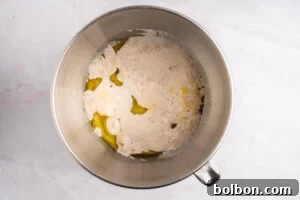
Activate the Yeast: In a mixing bowl, combine the active dry yeast, warm milk, and honey. Stir gently and allow this mixture to sit for 5-10 minutes until it becomes foamy and visibly active. This step is crucial; if the yeast does not foam up, it means it’s not active, and you must discard the mixture and start over with fresh yeast and properly warmed milk.

-
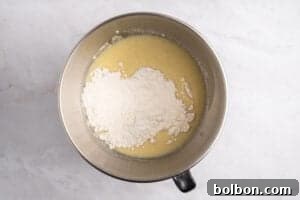
Combine Wet & Dry: In a separate large bowl, whisk together the room temperature eggs, granulated sugar, and orange zest until the mixture is pale and slightly foamy. Gradually sift in the all-purpose flour and salt into the egg mixture.
-
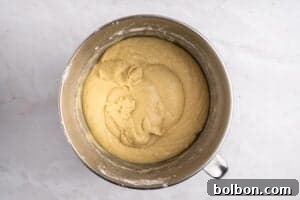
Form the Dough: Pour the activated yeast mixture into the bowl with the flour and egg mixture. Mix thoroughly, using a wooden spoon or spatula, until all ingredients are well combined and a tacky (slightly sticky, but not wet) dough forms. It’s important not to overmix at this stage.
-
First Rise & Rest: The dough should be noticeably tacky – not dry and firm, nor excessively wet and runny. Cover the bowl tightly with plastic wrap and let it rest in a warm, draft-free spot for 45 minutes.
-
Stretch and Fold (Round 1): After 45 minutes, with a wet hand (to prevent sticking), gently grab the bottom edge of the dough, stretch it upwards, and fold it over to the center. Rotate the bowl approximately 45 degrees and repeat this stretch-and-fold process. Continue rotating and folding all four sides, ensuring you always grab from the bottom and fold towards the top. This technique helps build gluten structure without kneading.
-
Repeat & Develop: Re-cover the bowl with plastic wrap. Repeat this stretch-and-fold process two more times, allowing a 45-minute resting period between each fold. In total, you will perform three rounds of stretching and folding, each separated by 45 minutes (a total of 2.25 hours of resting and folding). This slow, gentle action is what develops the dough’s strength and elasticity.
Example Schedule: Rest 45 min, Stretch & Fold. Cover and Rest 45 min, Stretch & Fold. Cover and Rest 45 min, Stretch & Fold. Then proceed to the next shaping step.
-
Prepare for Shaping: Lightly flour a clean counter surface. Gently pour the risen dough out onto the floured surface. You can also dust the top of the dough with a little flour – just a light coating is needed to prevent sticking, not so much that it dries out the dough.
-
Roll It Out: Using a rolling pin, carefully roll the dough into a large, thin circle. Aim for a relatively even thickness to ensure uniform baking.
-
Spread Butter & Add Fillings: Once rolled out, generously spread the softened butter evenly over the surface of the dough. This adds richness and helps create distinct layers. Feel free to scatter your favorite add-ins at this stage, such as raisins, chocolate chips, or chopped nuts, for an extra burst of flavor and texture.
-
Form a Rope: Starting from the bottom edge of the buttered dough, begin to tightly roll it away from you, forming a long, cylindrical rope shape.
-
Braid the Dough: Take the dough rope and gently grab it in the middle with one hand. With the other hand, carefully make a two-piece braid by intertwining each half of the rope. This creates a beautiful, rustic texture for your bread.
-
Final Rise (Overnight): Carefully transfer the braided dough into a large loaf pan. Cover the pan loosely with plastic wrap or a clean kitchen towel and let it rise in a warm, draft-free location until it has significantly expanded and risen almost to the top of the pan. This crucial final rise can take anywhere from 5 to 8 hours, or even longer depending on your kitchen’s temperature. For ultimate convenience, I prefer to let mine rise overnight, so it’s ready to bake first thing in the morning.
-
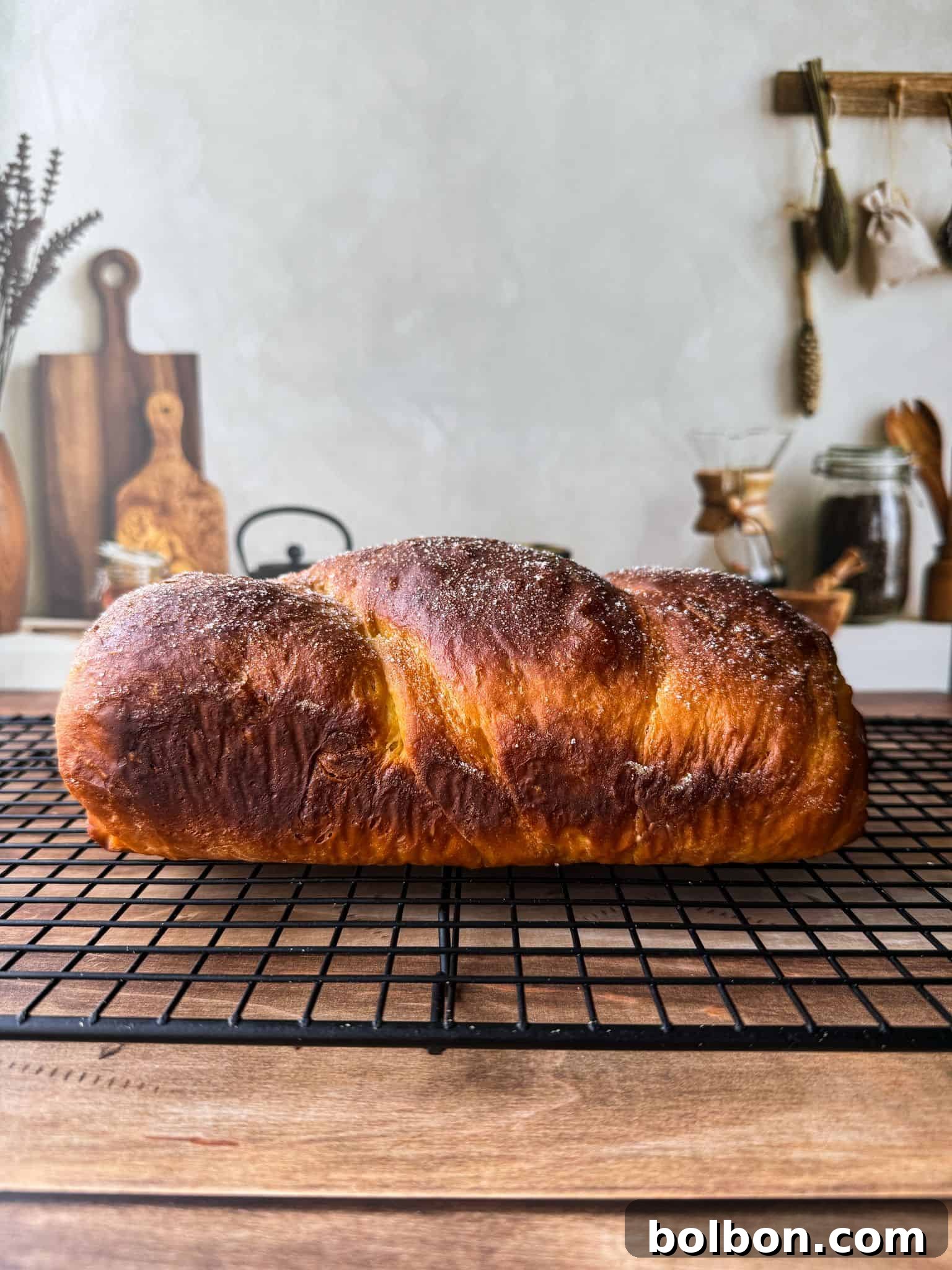
Bake to Golden Perfection: Once the bread has beautifully filled the loaf pan and risen, uncover it. Sprinkle the top generously with granulated sugar for a sparkling, sweet crust. Preheat your oven to 350°F (180°C) and bake for 30-40 minutes, or until the top is a deep golden brown and the internal temperature reaches 200-210°F (93-99°C).
-
Cool and Enjoy: Once baked, remove the loaf from the oven. Allow it to cool in the pan for a few minutes before transferring it to a wire rack to cool completely. Slicing too early can result in a gummy texture. Once cooled, slice and savor your homemade, pillowy No-Knead Easter Bread!
Recipe Notes & Expert Tips
- Creative Add-ins: Don’t hesitate to experiment with different flavor combinations! Consider adding mini chocolate chips, a swirl of cinnamon sugar, dried cranberries, chopped walnuts, or even a hint of cardamom to the dough before its final rise.
- Flour Alternatives: While all-purpose flour delivers a tender crumb, bread flour will give you a chewier texture. If you’re baking for dietary needs, a reliable 1:1 gluten-free flour blend can be used, though results may vary slightly.
- Plant-Based Milk Options: This recipe is incredibly adaptable to dairy-free diets. Almond, soy, or oat milk can be used interchangeably with regular milk without compromising the bread’s rise or texture.
- Shaping Ideas: Beyond the classic loaf, this versatile dough can be braided into a beautiful free-form loaf baked on a cookie sheet, twisted into individual buns, or even shaped into a festive Easter wreath for a stunning holiday presentation.
- Delightful Glazes: For an extra touch of sweetness and visual appeal, drizzle a simple lemon or orange glaze over the cooled bread. A mixture of powdered sugar and a little citrus juice creates a lovely, bright finish. Alternatively, a simple dusting of powdered sugar is always elegant.
- Optimal Cooling: Allow the bread to cool completely on a wire rack before slicing. This helps the internal structure set and prevents a gummy texture.
Nutritional Information
Calories: 254kcal,
Carbohydrates: 42g,
Protein: 6g,
Fat: 7g,
Saturated Fat: 4g,
Polyunsaturated Fat: 1g,
Monounsaturated Fat: 2g,
Trans Fat: 0.2g,
Cholesterol: 56mg,
Sodium: 207mg,
Potassium: 81mg,
Fiber: 1g,
Sugar: 14g,
Vitamin A: 236IU,
Vitamin C: 0.004mg,
Calcium: 29mg,
Iron: 2mg
Nutrition information is automatically calculated and should be used as an approximation.
Additional Info
Bread, Dessert, Breakfast
Balkan, Bulgarian, Eastern European
Frequently Asked Questions About No-Knead Easter Bread
Several factors can prevent your dough from rising properly. First, always check the expiration date of your yeast; old yeast loses its potency. Second, ensure your milk is perfectly warm – between 105-115°F (40-46°C). If the milk is too hot, it will kill the yeast, and if it’s too cold, the yeast won’t activate. If your yeast mixture doesn’t foam up after being mixed with warm milk and honey, it’s best to discard it and begin again with fresh yeast to ensure success.
Yes, absolutely! This recipe can be adapted to be gluten-free. Simply substitute the all-purpose flour with a high-quality 1:1 gluten-free flour blend. Be aware that the texture might be slightly different, but you can still achieve a delicious and tender sweet bread.
This recipe involves a unique four-stage rising process. The first three rises are each 45 minutes long, interspersed with gentle stretch-and-fold techniques. The crucial final rise, which significantly contributes to the bread’s airy texture and flavor development, will take anywhere from 5 to 8 hours. Many bakers find it most convenient to let this final rise occur overnight in a cool spot.
No, you do not need to punch down the dough in the traditional sense for this recipe. Instead of punching down, we employ a gentle stretch-and-fold method after the initial short rises. This technique helps to build gluten structure and redistribute the yeast and nutrients without deflating the dough too much, leading to a lighter, more open crumb.
You’ll know your No-Knead Easter Bread is perfectly baked when it achieves a beautiful deep golden-brown crust. Another reliable indicator is to gently tap the bottom of the loaf; if it sounds hollow, it’s typically done. For absolute certainty, you can use an instant-read thermometer to check the internal temperature, which should register between 200-210°F (93-99°C).
Absolutely! Feel completely free to use your favorite plant-based milk as a substitute for dairy milk in this recipe. Almond milk, soy milk, oat milk, or even rice milk will all work wonderfully and contribute to a delicious loaf while accommodating dietary preferences.
While a loaf pan provides a classic shape, you certainly don’t have to use one. This versatile dough can be braided and baked free-form on a parchment-lined cookie sheet for a more rustic presentation. You could also shape it into individual rolls, buns, or even a beautiful Easter wreath to serve as a centerpiece.