
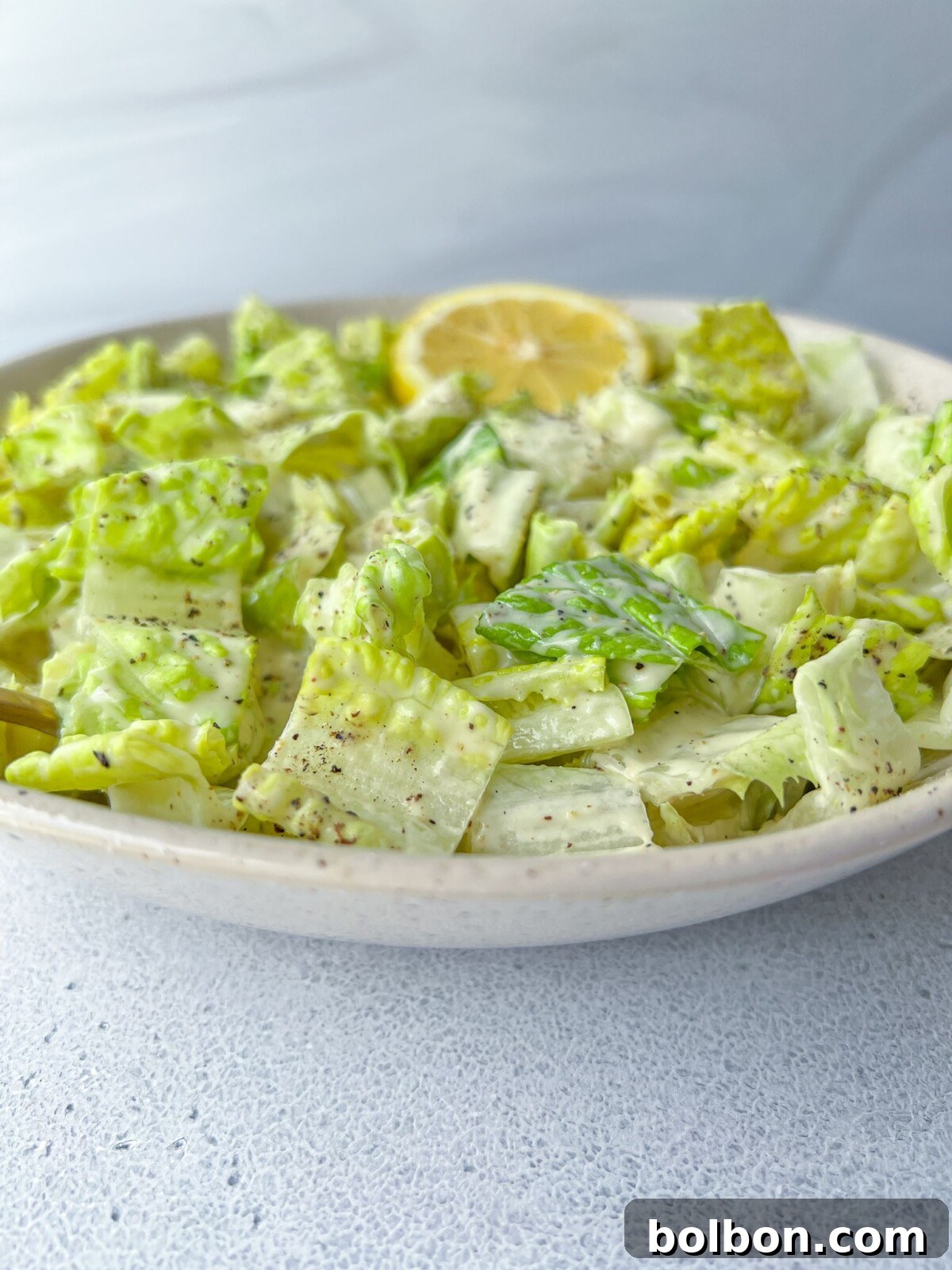
Are you ready to transform your dining experience with a truly exceptional Caesar Salad? Often perceived as a complex restaurant exclusive, this iconic dish is surprisingly simple and incredibly rewarding to prepare right in your own kitchen. Forget bland, store-bought dressings and wilting lettuce – our recipe will guide you to create a vibrant, creamy, and utterly delicious homemade Caesar Salad that rivals any gourmet establishment. Best of all, this recipe is designed for speed and convenience, taking minimal effort to assemble while delivering maximum flavor. Get ready to impress your taste buds and your guests with this timeless classic, perfect for any occasion.
Why You’ll Fall in Love with This Homemade Creamy Caesar Salad
Beyond its reputation as a global culinary staple, the Caesar Salad holds a special place in the hearts of food lovers for countless reasons. This isn’t just a side dish; it’s a versatile culinary chameleon that can effortlessly adapt to your needs and preferences. Imagine crisp, fresh romaine lettuce providing the perfect textual crunch, while a rich, velvety homemade Caesar dressing coats every leaf, delivering a burst of tangy, savory, and subtly garlicky notes. It’s a symphony of flavors and textures that tantalizes the palate, making it an irresistible choice for any meal.
What truly sets a homemade Caesar Salad apart is its incredible versatility. While it serves as the ultimate refreshing accompaniment to a hearty main course, it also has the power to stand alone as a satisfying and complete meal. By simply incorporating your preferred protein – think succulent grilled chicken, flaky baked salmon, or tender seared shrimp – you can elevate this salad from a starter to a robust entrée. For those who crave an extra layer of crunch and flavor, a generous sprinkling of golden, savory croutons transforms the dish into a textural masterpiece. Regardless of how you choose to customize it, the combination of fresh, vibrant ingredients and that inimitable creamy dressing ensures a truly crave-worthy experience every single time.
Furthermore, making Caesar Salad at home means you control the quality and freshness of every ingredient. You can choose organic produce, use high-quality olive oil, and adjust the seasoning precisely to your liking, resulting in a healthier and more flavorful dish than many restaurant versions. It’s also incredibly cost-effective, allowing you to enjoy this gourmet experience without the hefty price tag.
The Secret to a Perfect Creamy Caesar Dressing
The heart and soul of any outstanding Caesar Salad lies undoubtedly in its dressing. Our homemade creamy Caesar dressing is not only incredibly flavorful but also remarkably quick to prepare, taking only minutes to whisk together. Each ingredient plays a crucial role in building a complex flavor profile that is both robust and perfectly balanced. Here’s a breakdown of the key components and their contributions, ensuring you achieve that authentic, rich taste:
- Fresh Garlic: Minced garlic provides the foundational pungent and aromatic kick that is characteristic of classic Caesar dressing. Using fresh garlic is essential for a vibrant flavor that cannot be replicated by garlic powder, which often tastes muted or artificial.
- Bright Lemon Juice: The freshly squeezed juice of a whole lemon adds a much-needed acidity that cuts through the richness of the dressing, brightens the overall flavor, and creates a refreshing tang. This acidity is key to balancing the other strong flavors.
- Dijon Mustard: More than just for flavor, Dijon mustard acts as a fantastic emulsifier, helping to bind the oil and mayonnaise together into a smooth, creamy consistency. Its sharp, slightly spicy notes also add a subtle layer of complexity that enhances the dressing’s overall character.
- Worcestershire Sauce: A tiny splash of Worcestershire sauce introduces a layer of umami complexity, adding a savory depth and a hint of fermented flavor that is integral to the authentic Caesar taste. It’s a flavor enhancer that ties everything together.
- Vegenaise (or Mayonnaise): This forms the creamy base of the dressing. Whether you choose a classic mayonnaise or a plant-based alternative like Vegenaise, its rich, smooth texture is what gives the dressing its luxurious body and helps it cling beautifully to the lettuce leaves.
- High-Quality Olive Oil: A good extra virgin olive oil contributes to the dressing’s silky texture and adds a delicate, fruity undertone. It’s crucial for achieving that desirable mouthfeel and a truly gourmet flavor, so opt for a cold-pressed, quality oil.
- Parmigiano Reggiano: Freshly grated Parmigiano Reggiano cheese infuses the dressing with its distinct nutty, salty, and savory notes, enhancing the overall richness and classic Italian flavor. Always use freshly grated cheese for the best results; pre-grated varieties often lack the same depth.
- Anchovy Paste: Often the most debated ingredient, anchovy paste is a secret weapon that adds a profound depth of savory, briny, and umami flavor without making the dressing taste overtly “fishy.” It’s an indispensable component for an authentic Caesar dressing, balancing out the other ingredients beautifully and adding a layer of complexity you’ll miss if omitted.
- Freshly Ground Black Pepper: A generous amount of black pepper adds a subtle spice and aromatic finish, rounding out the flavor profile and adding a delightful freshness. It’s best to grind it fresh for maximum impact.
By understanding the role of each ingredient, you can appreciate the carefully crafted balance that makes this homemade Caesar dressing truly exceptional. It’s a game-changer that will elevate your salad from good to extraordinary, giving you complete control over its exquisite taste.
Mastering Your Homemade Creamy Caesar Salad: A Step-by-Step Guide
Crafting the perfect Caesar Salad at home is a straightforward process that yields incredibly delicious results. With our easy-to-follow instructions, you can prepare your own restaurant-quality salad in a mere 10 minutes. Pay attention to each step for optimal flavor and texture:
- Prepare the Dressing Base: Begin by combining your aromatic and tangy ingredients in a spacious mixing bowl. Add one finely minced garlic clove, the freshly squeezed juice of a whole lemon, one tablespoon of high-quality Dijon mustard, and a tiny splash of Worcestershire sauce. Using a whisk, vigorously combine these ingredients until they are thoroughly mixed and show early signs of emulsification. This initial blend creates a potent and flavorful foundation for your dressing, awakening the senses.
- Incorporate Creaminess and Oil: Next, introduce the creamy elements. Add half a cup of Vegenaise (or your preferred brand of mayonnaise) and two tablespoons of good quality olive oil to the bowl. Continue whisking diligently. The mayonnaise provides the rich, smooth texture that defines a creamy Caesar, while the olive oil enriches the dressing with its distinct flavor and helps achieve a perfectly smooth, cohesive consistency. Whisk until the mixture is thick, glossy, and fully emulsified, ensuring no separation of ingredients.
- Add Umami and Seasoning: Now for the depth of flavor. Whisk in a quarter cup of freshly grated Parmigiano Reggiano cheese and half a teaspoon of anchovy paste. The Parmigiano Reggiano contributes a deep, salty, and nutty taste, while the anchovy paste introduces that quintessential umami depth crucial for an authentic Caesar profile, rounding out the savory notes. Season the dressing generously with freshly ground black pepper to your taste, ensuring a perfectly balanced flavor. Take a small taste and adjust any seasonings as needed – perhaps a little more lemon for brightness or pepper for a subtle kick.
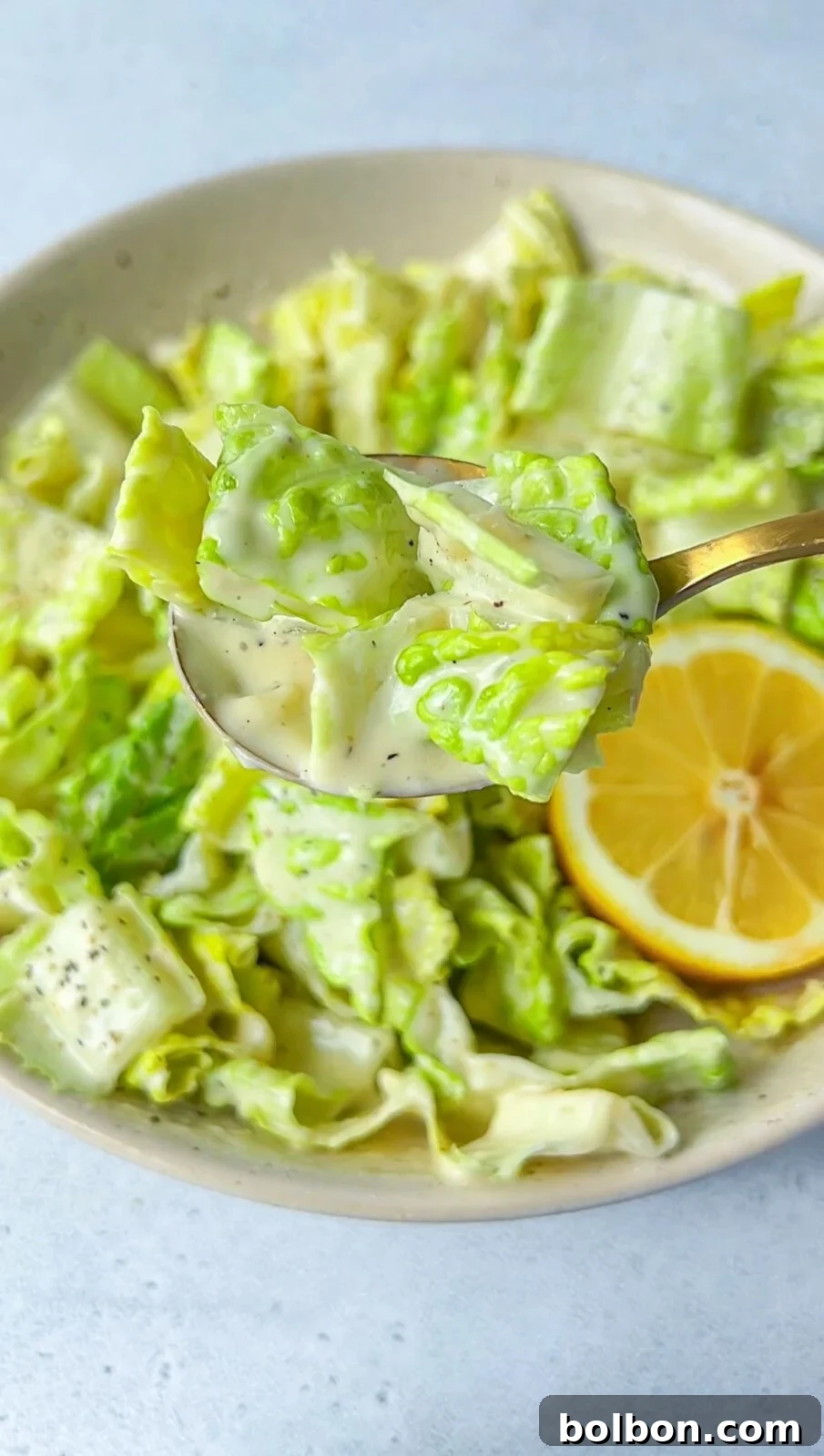
- Dress the Romaine Lettuce: Take half a head of crisp romaine lettuce, which should be thoroughly washed, dried, and chopped into bite-sized pieces. Add the prepared lettuce to the bowl containing your freshly made dressing. Using a pair of kitchen tongs or your clean hands, gently toss the lettuce until every single leaf is evenly coated with the creamy dressing. It’s important to toss gently to avoid bruising the delicate lettuce leaves and to ensure an even distribution of flavor.
- Garnish and Serve Immediately: To finish your masterpiece, sprinkle a generous amount of additional freshly grated Parmigiano Reggiano over the dressed salad. A final grind of fresh black pepper adds an aromatic flourish and visual appeal. For the ultimate experience, serve your creamy Caesar Salad immediately to enjoy the peak freshness and crunch of the romaine and the vibrant, complex flavors of the dressing. Consider adding optional homemade croutons or your chosen protein for an even more satisfying and complete meal.
This meticulous method ensures that your dressing is perfectly blended, your lettuce is beautifully coated, and every bite offers the incredible texture and flavor that makes Caesar Salad a beloved classic.
Nonna’s Insider Tips & Smart Substitutions for Your Caesar Salad
Making Caesar Salad truly your own is part of the joy of home cooking. Here are some smart tips and practical substitutions to cater to different preferences, dietary needs, or simply the ingredients you have on hand, ensuring everyone can enjoy this delicious classic:
- Creamy Base Alternatives: If you’re looking for a lighter dressing option or prefer an alternative to mayonnaise, plain Greek yogurt can be an excellent substitute. It provides a similar creamy texture with a tangy twist and reduced fat content. Just ensure it’s plain and unsweetened to maintain the savory profile of the dressing. For a completely plant-based dressing, high-quality vegan mayonnaise works wonderfully.
- Anchovy-Free Options for Allergies or Preferences: For those with an anchovy allergy or simply not fond of the ingredient, there are great alternatives. A few mashed capers can provide a similar briny, salty depth that mimics the umami kick of anchovy paste. Another option for a savory boost is a small amount of miso paste or a dash of soy sauce (or tamari for gluten-free) to add a fermented, umami note. Additionally, if you’re avoiding anchovies, be mindful that many Worcestershire sauces contain them. In such cases, opt for an anchovy-free Worcestershire sauce or omit it entirely.
- Adjusting Garlic Intensity: The amount of garlic is purely a matter of personal preference. If you love a strong, pungent garlic flavor, feel free to add an extra minced clove. For a milder approach, start with half a clove and increase as desired after tasting the dressing. Always use fresh garlic for the best flavor.
- Lemon Zest for Extra Zing: For an even brighter, more aromatic dressing, consider grating a small amount of lemon zest into the mixture along with the juice. The zest contains essential oils that will significantly enhance the citrus notes and add a fragrant dimension.
- Make-Ahead Tips for Convenience: While Caesar Salad is best enjoyed fresh, you can definitely prepare components in advance to save time. The dressing can be made up to 3-4 days beforehand and stored in an airtight container in the refrigerator. The romaine lettuce can be washed, thoroughly dried, and chopped a day in advance, stored in an airtight bag or container with a paper towel to absorb moisture. Remember, only toss the lettuce with the dressing right before serving to prevent sogginess and maintain crispness.
- Ensuring Crisp Lettuce: A critical step for a perfect Caesar Salad is ensuring your romaine lettuce is completely dry after washing. Excess water will dilute the dressing and prevent it from coating the leaves properly. Use a salad spinner or pat the leaves dry with paper towels.
Remember, cooking is an art form that encourages personal expression. Don’t be afraid to experiment with these suggestions to tailor your Caesar Salad to perfection, aligning with your individual taste and dietary requirements. Your kitchen, your rules!
Unleashing Your Creativity: Endless Caesar Salad Variations and Customizations
One of the most appealing aspects of Caesar Salad is its remarkable adaptability. It serves as a fantastic canvas for culinary creativity, allowing you to tailor it to your exact preferences, dietary needs, or the ingredients you have on hand. Don’t be afraid to experiment and make this classic truly your own. Here are some inspiring ideas to get you started, transforming a simple salad into a culinary adventure:
- Elevate Your Crunch with Homemade or Gourmet Croutons:
Croutons are a quintessential component of Caesar Salad, providing a delightful textural contrast and absorbing some of that exquisite dressing. You can easily make your own by cubing stale bread (sourdough or baguette works wonders), tossing it with olive oil, minced garlic, garlic powder, salt, and pepper, then toasting it in the oven until golden and crisp. This homemade version offers unparalleled flavor and freshness. Alternatively, a variety of gourmet store-bought croutons offer convenience and different flavor profiles, from classic garlic and herb to savory Parmesan or even sourdough. Consider adding a sprinkle of chili flakes to your croutons for a subtle heat.
- Transform it into a Complete Meal with Protein Power-Ups:
To elevate your Caesar Salad from a refreshing side dish to a hearty and satisfying main course, simply add your favorite protein source. The options are abundant and delicious, catering to various tastes and dietary requirements:
- Grilled Chicken: Marinated chicken breast, grilled to perfection and thinly sliced, is a classic and healthy pairing that adds lean protein and a smoky, charred flavor.
- Baked Salmon: Flaky, omega-rich salmon, seasoned and baked or pan-seared, offers a sophisticated and healthy addition, complementing the dressing beautifully.
- Seared Shrimp: Quick-cooking shrimp, sautéed with garlic and a touch of lemon, brings a delicate seafood flavor and an elegant touch, perfect for a lighter protein option.
- Hard-Boiled Eggs: For a simple, budget-friendly, and vegetarian protein boost, sliced or chopped hard-boiled eggs are a great option that adds creaminess and substance.
- Crispy Tofu or Chickpeas: For a plant-based option, crispy baked or air-fried tofu cubes or roasted chickpeas (seasoned with paprika and garlic powder) can provide excellent texture and a substantial protein boost.
- Steak: Thinly sliced grilled or pan-seared steak offers a robust and luxurious addition, turning your salad into a gourmet meal.
- Explore Different Cheeses for Unique Flavors:
While Parmigiano Reggiano is the traditional and revered choice, don’t hesitate to explore other hard, aged cheeses for a slightly different flavor profile. Pecorino Romano, with its sharper, saltier, and tangier notes, can add an exciting dimension to your salad, especially if you prefer a bolder cheese flavor. Asiago or even a finely grated aged white cheddar could also be interesting choices, offering varying degrees of nuttiness and sharpness.
- Mix Up Your Greens for Texture and Nutrition:
Romaine lettuce is the customary base, celebrated for its crisp texture and mild flavor. However, integrating other leafy greens can introduce new textures, flavors, and nutritional benefits. Consider mixing chopped kale for a heartier bite and earthy flavor, fresh baby spinach for tenderness and a boost of iron, or peppery arugula to add a zesty, slightly bitter kick. A blend of greens can create a more complex, visually appealing, and nutrient-dense salad.
- Personalize Your Dressing with Herbs and Spices:
The beauty of homemade dressing is the ability to adjust it to your exact taste. Think of the recipe as a guide, not a strict rule. For example, if you’re a garlic enthusiast, feel free to add an extra clove or two. If you prefer a milder anchovy flavor, start with a smaller amount and gradually increase it until it hits your sweet spot. You can also experiment with a pinch of dried oregano or basil for an herbal touch, a dash of smoked paprika for subtle smokiness, or a sprinkle of red pepper flakes for a subtle heat that awakens the palate.
- Make it Gluten-Free or Dairy-Free:
For those with dietary restrictions, Caesar Salad can still be enjoyed! Use certified gluten-free croutons or omit them entirely, opting for toasted nuts for crunch instead. For a dairy-free dressing, ensure you use a dairy-free mayonnaise (like Vegenaise) and substitute Parmigiano Reggiano with a nutritional yeast-based “parmesan” alternative, which offers a cheesy flavor, or simply omit the cheese from the dressing, adding it only to individual servings if desired by others.
By embracing these variations and customizations, your homemade Caesar Salad can become a regularly featured, adaptable, and endlessly exciting dish in your culinary repertoire, always tailored to perfection and a reflection of your unique taste.
Discover More Delicious Salad Recipes
If you loved this creamy Caesar Salad, explore these other fantastic salad recipes from our kitchen that are perfect for any meal or occasion.
Green Goddess Salad
18 mins
Strawberry Spinach Salad
15 mins
Cobb Salad Recipe
30 mins
Simple Green Salad
15 mins
Perfect Pairings: What to Serve with Your Homemade Caesar Salad
A beautifully crafted creamy Caesar Salad is a versatile dish that can complement a wide array of meals, enhancing the overall dining experience with its crispness and robust flavor. Whether you’re looking for a refreshing starter, a hearty side, or even a light main course, here are some ideal pairings to elevate your meal:
- Crusty Breads and Garlic Knots: The rich, creamy dressing of a Caesar Salad pairs wonderfully with something to soak it up. Serve it alongside some crunchy bread, such as a rustic baguette, artisan focaccia, warm garlic bread, or even homemade No-Knead Peasant Bread. The contrast in textures and the ability of the bread to mop up any extra dressing is simply divine.
- Hearty and Creamy Pasta Dishes: For a truly indulgent and satisfying meal, pair your Caesar Salad with a comforting pasta dish. The fresh, tangy notes of the salad provide a perfect counterpoint to the richness of creamy or tomato-based pasta. Consider serving it with a classic Carbonara, a decadent Fettuccine Alfredo, a robust Bolognese, or a hearty lasagna for a balanced and satisfying feast.
- Grilled and Roasted Meats & Poultry: Caesar Salad is an excellent accompaniment to various grilled, roasted, or pan-seared proteins. The crisp, cool salad offers a refreshing contrast to warm, savory meats. It pairs exceptionally well with a perfectly cooked steak (like ribeye or sirloin), juicy grilled chicken breasts or thighs, tender pork chops, or even grilled fish like swordfish or tuna. The lightness of the salad helps to cut through the richness of the meat, creating a well-rounded and harmonious meal.
- Comforting Soups and Stews: During colder months or for a cozy meal, a Caesar Salad can be the perfect fresh and vibrant element alongside a comforting, hearty soup or stew. Think classic minestrone, a rich creamy tomato soup, a robust lentil soup, or a flavorful beef stew. The salad adds a crisp texture and bright flavor that prevents the meal from feeling too heavy and adds a welcome freshness.
- Pizza and Gourmet Sandwiches: For a casual yet delicious meal, a side of Caesar Salad instantly elevates any pizza night or gourmet sandwich lunch. Its fresh ingredients and tangy dressing are a fantastic complement to the richness of a pepperoni pizza or the complex flavors of a gourmet deli sandwich, adding a touch of sophisticated flair to everyday favorites.
- Seafood Mains: Beyond just shrimp or salmon within the salad, Caesar pairs beautifully with other seafood dishes. Think alongside baked cod, pan-seared scallops, or even crab cakes. The lemon in the dressing naturally complements most seafood.
The key is to consider the balance of flavors and textures. The crispness, tang, and savory depth of a homemade Caesar Salad make it a perfect companion for many dishes, ensuring a delightful and memorable culinary experience.
Frequently Asked Questions About Homemade Caesar Salad
The ideal amount of romaine lettuce is entirely dependent on your personal preference and how generously you like your salad dressed. For the recipe provided, which serves two, we recommend starting with half a head of romaine lettuce, thoroughly washed and chopped. It’s best to add the lettuce gradually to the dressing, tossing gently after each addition. This allows you to achieve your desired ratio of lettuce to dressing, ensuring every leaf is perfectly coated without being oversauced or watery. Remember, it’s always easier to add more lettuce if you find the dressing too abundant than to remove it once tossed, so trust your judgment and adjust as you go.
While anchovy paste is a traditional and highly recommended ingredient for an authentic Caesar dressing, you can certainly leave it out if you prefer, especially if you have an aversion to anchovies. We understand it can be a polarizing ingredient! However, we encourage you to try it if you haven’t, as it adds a remarkable depth of umami and savory saltiness that beautifully balances the other flavors. Rest assured, when properly incorporated, it rarely makes the dressing taste “fishy” but rather contributes a profound, hard-to-pinpoint richness that elevates the entire dish. If you choose to omit it, the dressing will still be delicious, but it will have a slightly different character, lacking that signature umami punch.
If you have an anchovy allergy, it’s crucial to be vigilant about all ingredients, not just the anchovy paste. Beyond anchovy paste itself, many commercially available brands of Worcestershire sauce contain anchovies as a key ingredient. Therefore, if you are allergic, it is imperative to either omit Worcestershire sauce entirely from the recipe or seek out a certified anchovy-free version. Always make it a practice to meticulously check ingredient labels carefully for hidden sources of anchovies or any other allergens to ensure your salad is entirely safe for consumption.
For those who need an alternative to anchovy paste due to allergies, dietary choices, or taste preferences, a few smashed capers can serve as an excellent substitute. Capers offer a similar briny, salty, and slightly pungent flavor that can replicate the umami depth anchovies provide, adding that desired complexity. Another effective option for a savory boost is a small amount of white miso paste, or a dash of soy sauce (or tamari for a gluten-free option) to introduce a fermented, umami note. Experiment with these alternatives to find the perfect balance that suits your palate and dietary needs.
If you’re looking for an alternative to mayonnaise for your Caesar dressing, plain Greek yogurt is a fantastic option. It provides a creamy texture and a pleasant tang that can lighten the dressing while still maintaining its luscious consistency. Ensure you use unsweetened, plain Greek yogurt to avoid altering the savory and traditional profile of the Caesar dressing. For a completely plant-based or egg-free alternative, a high-quality vegan mayonnaise (like Vegenaise) works perfectly and is often indistinguishable from traditional mayo in this context, providing the desired richness without dairy or eggs.
While Caesar Salad is best served immediately for optimal freshness and crispness, you can certainly prepare individual components ahead of time, which makes assembly quick and easy. The dressing can be made up to 3-4 days in advance and stored in an airtight container in the refrigerator; its flavors often meld and improve over time. The romaine lettuce can be washed, thoroughly dried, and chopped a day in advance, stored in an airtight bag or container with a paper towel to absorb any residual moisture. The golden rule for Caesar Salad is: only toss the lettuce with the dressing right before you plan to serve to prevent the greens from wilting and becoming soggy, ensuring a delightful crunch with every bite.
Leftover Caesar Salad that has already been dressed is best consumed within a few hours of preparation. Once the dressing coats the lettuce, the acidity and moisture will cause the greens to wilt and lose their crispness over time, making for a less appealing texture. If you anticipate having leftovers, it’s always best practice to dress only the portion you plan to eat immediately. Store the remaining dressing and chopped lettuce separately in airtight containers in the refrigerator. The undressed lettuce can last for 1-2 days, while the dressing can last for 3-4 days. This way, you can enjoy fresh, crisp salad for longer whenever you’re ready for another serving.
Creamy Caesar Salad
Pin Recipe
Facebook Share
Rate Recipe
Print Recipe
Salad
American
2 servings
The Modern Nonna
10 minutes
10 minutes
Video
Essential Equipment Needed
Ingredients
- 1 minced garlic clove
- Juice of a whole lemon
- 1 tablespoon Dijon mustard
- Tiny splash of Worcestershire sauce
- ½ cup Vegenaise, or any preferred mayonnaise
- 2 tablespoons olive oil
- ¼ cup grated Parmigiano Reggiano, or other good quality Parmesan cheese
- ½ teaspoon anchovy paste (optional, see notes for substitutes)
- Freshly ground black pepper, to taste
- ½ head romaine lettuce, thoroughly washed and chopped into bite-sized pieces
Instructions
- In a medium-sized bowl, whisk together the minced garlic, fresh lemon juice, Dijon mustard, and a small splash of Worcestershire sauce until well combined.
- Add the Vegenaise (or mayonnaise) and olive oil to the bowl. Whisk vigorously again until the mixture is smooth and fully emulsified, creating a creamy base.
- Now, whisk in the grated Parmigiano Reggiano cheese and anchovy paste (if using). Season generously with freshly ground black pepper to taste. Adjust seasonings as desired.
- Add the chopped romaine lettuce to the dressing. Using tongs or clean hands, gently toss the lettuce until every leaf is evenly coated with the creamy dressing. Be careful not to over-toss.
- Serve immediately, garnishing with more grated Parmigiano Reggiano and an additional grind of black pepper on top. Enjoy your freshly made, restaurant-worthy Caesar Salad!
Nutrition Information (Approximate)
Carbohydrates: 6g,
Protein: 5g,
Fat: 54g,
Saturated Fat: 8g,
Polyunsaturated Fat: 2g,
Monounsaturated Fat: 11g,
Cholesterol: 10mg,
Sodium: 659mg,
Potassium: 54mg,
Fiber: 0.5g,
Sugar: 0.3g,
Vitamin A: 713IU,
Vitamin C: 1mg,
Calcium: 161mg,
Iron: 0.5mg
Nutrition information is automatically calculated and should only be used as an approximation. Values may vary based on specific ingredients, portion sizes, and preparation methods.
Additional Recipe Information
Salad
American