
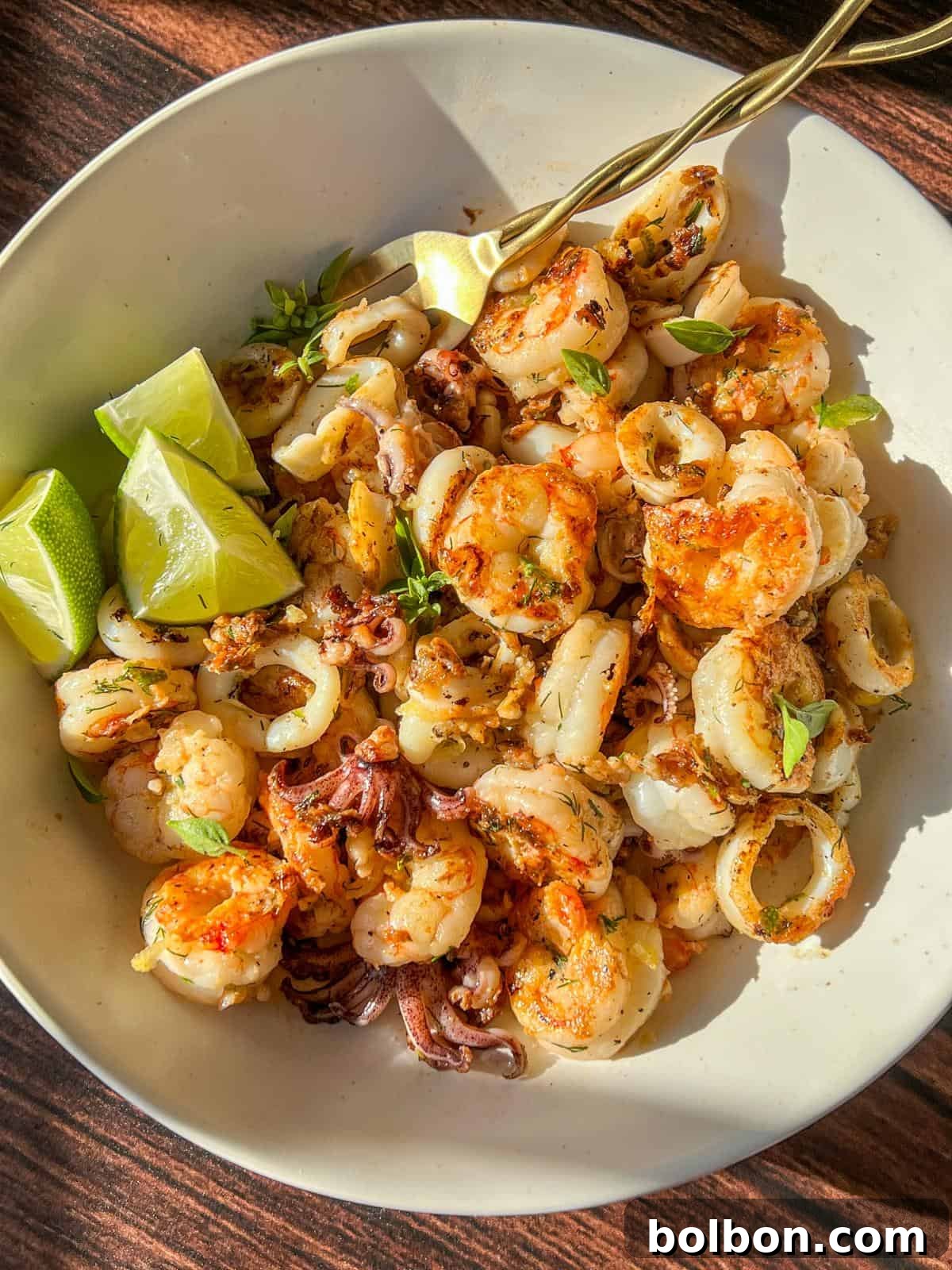
Welcome to the ultimate guide for perfectly grilled seafood! When summer breezes call for outdoor cooking, few things satisfy quite like the tantalizing aroma and exquisite taste of seafood sizzling on the grill. Forget complicated recipes or endless hours in the kitchen – this is your ticket to a vibrant, healthy, and incredibly quick meal that truly shines. We’re talking about a dish that is **light, fresh, and bursting with flavor**, while also being **packed with protein** and naturally **low in saturated fats**. It’s the quintessential low-effort culinary masterpiece that effortlessly hits all the right notes without compromising your health or your waistline. If you’ve ever felt intimidated by cooking seafood, or perhaps you’re simply looking for a foolproof, delicious recipe, you’ve come to the right place. This guide is designed to transform hesitant cooks into confident grill masters, proving that gourmet grilled seafood is not only achievable but also incredibly straightforward. Get ready to embark on a culinary journey that will undoubtedly **reel you in**!
View this post on Instagram
A post shared by Snejana Andreeva (@themodernnonna)
Why You’ll Love Grilled Seafood: A Summer Culinary Delight
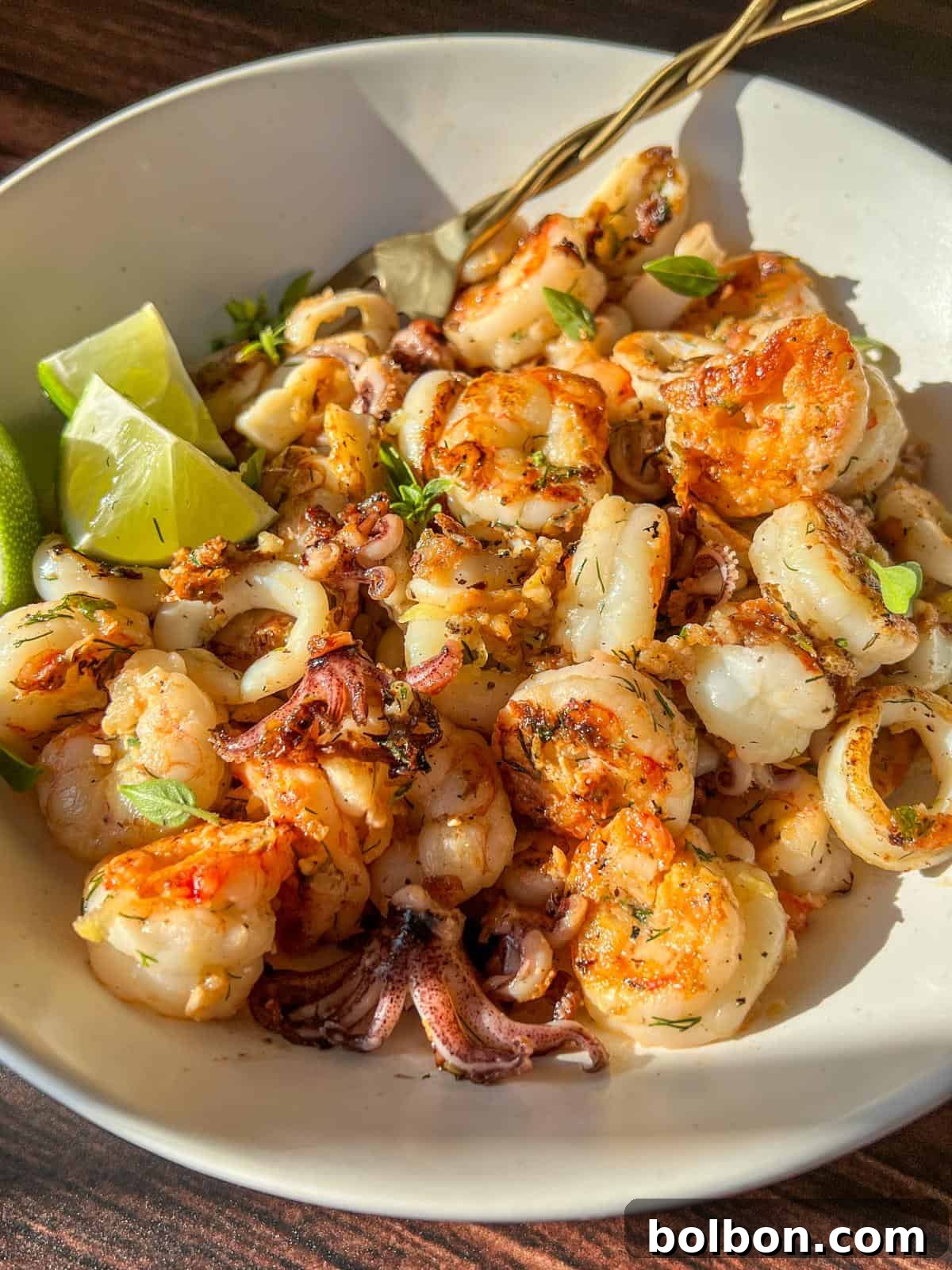
There’s an undeniable magic that happens when fire meets fresh seafood. The grill imparts a distinctive **smoky char** and a beautifully caramelized exterior that elevates the natural sweetness and tender texture of shrimp and calamari to an extraordinary level. Summer and grilling are an iconic duo, and seafood truly shines in this setting. This recipe specifically champions the fantastic combination of calamari and shrimp – two types of seafood renowned for their **quick-cooking** nature and relatively straightforward preparation. Whether you prefer to buy them pre-cleaned and prepped or take on the task yourself, their minimal cooking time makes them ideal for fast meals. This high-protein, low-calorie dish is not just a meal; it’s an experience. It’s easily transformed into a complete and satisfying dinner. Simply toss some vibrant vegetables or hearty potatoes 🥔 onto the grill alongside your seafood, or complement it with a fresh, crisp salad, and dinner is effortlessly served in a matter of minutes. This method ensures maximum flavor with minimal fuss, making it perfect for weeknight dinners, impromptu backyard barbecues, or any occasion where you crave something deliciously light and satisfying.
Beyond its incredible speed and ease, grilled seafood offers a wealth of health benefits. Seafood is a powerhouse of essential nutrients, including lean protein that aids in muscle repair and satiety, and it’s naturally low in saturated fats. Many varieties, including shrimp, provide beneficial omega-3 fatty acids, which are crucial for heart health and brain function. It’s also remarkably easy to digest and considerably low-calorie when compared to many other protein sources, making it an excellent choice for those managing their weight or simply aiming for a healthier lifestyle. The grilling process itself locks in moisture and flavor, resulting in succulent bites every time. This recipe is designed to demystify seafood cooking, offering a reliable path to restaurant-quality results in your own home. It’s not just a meal; it’s a commitment to delicious, healthy eating that’s accessible to everyone.
Essential Ingredients for Your Grilled Seafood Medley
Crafting the perfect grilled seafood begins with selecting the freshest, highest-quality ingredients. Each component in this recipe plays a crucial role in building the vibrant and irresistible flavor profile that makes this dish truly special. Here’s a closer look at what you’ll need and why each element is so important:
- Calamari (Squid): This delicate seafood is a fantastic choice for grilling. When cooked briefly and at high heat, calamari becomes incredibly tender with a slight chew, offering a delightful texture. Overcooked calamari, however, can quickly become rubbery, so precise cooking time is key. You can find it either pre-sliced into rings, which are ideal for grilling, or sold whole. If opting for whole calamari, don’t worry – we’ll guide you through the simple cleaning and preparation steps below.
- Shrimp: A beloved grilled seafood staple, shrimp cooks quickly and turns beautifully pink and succulent on the grill. For the best flavor and texture, aim for larger shrimp (jumbo or colossal) if available. Whenever possible, prioritize local shrimp for freshness and to support sustainable fishing practices. It’s always a good idea to ask your fishmonger if “fresh” shrimp has been previously frozen. If it has, purchasing frozen shrimp (which is often more economical) and defrosting it yourself can be a smart choice. Ensure your shrimp are peeled and deveined for ease of eating.
- Garlic: A cornerstone in countless savory recipes, fresh garlic is non-negotiable here. It infuses the seafood with a pungent, aromatic depth that truly makes this Grilled Seafood recipe sing. While fresh is always best, minced garlic from a jar or garlic powder can be used in a pinch, though they won’t quite replicate the vibrant flavor of freshly minced cloves.
- Lemon & Lime Zest: This dynamic duo of citrus zests is the secret to unlocking an incredible bright, tangy, and fruity flavor without adding excess moisture. Unlike citrus juice, which can begin to “cook” or denature the delicate proteins in seafood during marination, zest provides pure aromatic oils that enhance the dish without compromising the seafood’s tender texture. Use a quality zester to finely grate only the colored part of the peel, avoiding the bitter white pith.
- Olive Oil: A high-quality extra virgin olive oil not only adds a lovely Mediterranean flavor but also serves as a crucial binder for the marinade. Just a tablespoon or so is enough to lightly coat the seafood, helping the other flavors adhere and promoting even cooking on the grill. It also contributes to that desirable golden-brown sear.
- Salt & Pepper: Simple yet essential seasonings. Since seafood can be naturally briny, you only need a small pinch of good quality sea salt or kosher salt. Freshly ground black pepper adds a subtle warmth and aromatic kick. Seasoning properly enhances all the other flavors without overpowering the delicate taste of the seafood itself.
- Fresh Dill: One of my absolute favorite herbs, fresh dill introduces a beautiful pop of color and a distinct, refreshing, slightly anise-like flavor that pairs exquisitely with seafood. It’s a wonderful addition to this recipe. However, if dill isn’t to your taste or isn’t available, feel free to substitute with other fresh herbs like chopped parsley, chives, or even a hint of fresh mint for a different twist.
Nonna’s Tip 🦐: The Secret to Perfect Sear
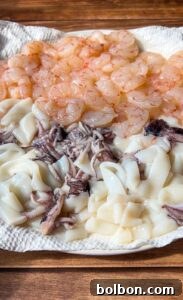
Achieving that beautiful, restaurant-quality browning on your grilled seafood is simpler than you think. Before seasoning or marinating, always **pat your shrimp and calamari completely dry with paper towels**. Excess moisture on the surface of the seafood will cause it to steam on the hot grill instead of searing, preventing the delicious Maillard reaction responsible for that irresistible golden-brown crust and deep savory flavor. Dry seafood + hot griddle = magnificent browning and truly exceptional results every single time!
How to Prep & Clean Whole Calamari: A Simple Guide
Don’t be intimidated by whole calamari! While “squid” and “calamari” are often used interchangeably, the latter usually refers to the prepared dish. You can frequently find pre-cleaned and cut calamari rings in the frozen section of most grocery stores, which are perfectly suitable for this Grilled Seafood recipe. However, if you’ve purchased whole squid or calamari, here’s a straightforward guide to prepare it for cooking, ensuring tender and delicious results:
- Separate the Body and Head: Begin by firmly holding the main body (the tube) of the calamari with one hand. With your other hand, gently but firmly grasp the head and tentacles, then pull them apart from the body. You might need to use paper towels or a clean kitchen towel to get a better grip, as fresh calamari can be quite slippery.
- Remove the Innards and Quill: Once the head is separated, the tube should be hollow. Reach inside the tube with your fingers and remove the clear, plastic-like “quill” (also known as the cuttlebone or pen) and any remaining innards. Discard these. Rinse the inside of the tube thoroughly under cold running water to ensure it’s completely clean.
- Slice into Rings: Lay the cleaned calamari tube(s) flat on a cutting board. Using a sharp knife, carefully cut the tube into ½-inch thick rings. For the tentacles, you can keep them whole or chop them into smaller, grillable pieces.
If the thought of cleaning whole calamari makes you feel a bit squeamish, remember that convenience is key! Don’t hesitate to ask your local fishmonger to clean and prepare it for you. Most seafood counters offer this service, ensuring you get perfectly prepped calamari without the fuss, allowing you to jump straight into the delicious grilling part.
Similar Recipes to Explore
Seafood Salad
Time: 55 mins
Branzino Recipe
Time: 40 mins
Mac Sauce Salmon
Time: 40 mins
Cioppino Recipe
Time: 50 mins
Grilled Seafood Variations and Substitutions: Get Creative!
This grilled seafood recipe is incredibly versatile, allowing you to customize it based on your preferences or what you have on hand. Feel free to experiment with these delicious variations and substitutions:
- Explore Different Seafood: While shrimp and calamari are a winning combination, the same grilling method can be applied to a variety of other delicious seafood. Try grilling thick salmon fillets, succulent scallops, firm chunks of white fish like cod, halibut, or sea bass, or even tender octopus 🐙. Remember that cooking times will vary depending on the type and thickness of the seafood, so keep a close eye to prevent overcooking.
- Herb Alternatives: If fresh dill isn’t available or you’d like a different flavor profile, feel free to use other fresh herbs 🌿. Fresh parsley offers a bright, peppery note, cilantro adds a zesty, almost citrusy touch, and basil provides a sweet, aromatic warmth. Dried oregano can also be used for a more classic Mediterranean flavor, but remember that dried herbs are more concentrated, so use about a third of the amount.
- Alternative Grilling Surfaces: No Blackstone? No problem! You can achieve a similar outcome by placing a **heavy-bottomed cast-iron skillet or a fully stainless steel pan** directly on your outdoor grill. Alternatively, a grill pan on your stovetop or even using your oven broiler can mimic the high-heat searing effect needed for quick-cooking seafood. Adjust heat settings accordingly to ensure a hot cooking surface.
- Citrus Twists: For a unique citrusy twist, try experimenting with other fruit zests. Using only lemon zest will emphasize a brighter, sharper tang, while orange zest can introduce a subtle sweetness and a distinct aromatic complexity to the marinade.
- Add a Touch of Heat 🌶️: If you enjoy a bit of spice, incorporate a pinch of cayenne pepper, red chili flakes, or a drizzle of chili oil into your marinade. For a milder warmth and smoky undertone, a dash of smoked paprika works wonders.
- Boost the Flavor with Wine: For an extra layer of gourmet flavor, consider adding a splash of dry white wine (like Sauvignon Blanc or Pinot Grigio) to your marinade. This will tenderize the seafood slightly and infuse it with a sophisticated, subtle acidity that complements the other ingredients beautifully.
Grilled Seafood Is Best Served With: Perfect Pairings
Grilled seafood is incredibly versatile and pairs beautifully with a wide array of side dishes. Here are some of my favorite accompaniments to make your meal truly unforgettable:
- Grilled Vegetables: Keep the grill hot and toss on some complementary veggies. My Grilled Zucchini, Roasted Eggplants, bell peppers, asparagus, or even corn on the cob are fantastic choices that can be cooked alongside the seafood on your Blackstone or grill.
- Flavorful Rice Dishes: A light and fluffy rice dish makes for a satisfying base. Serve your grilled seafood with my aromatic Vegetable Fried Rice or the wholesome Zucchini Rice. Quinoa or couscous are also excellent alternatives for a lighter grain option.
- Fresh Mediterranean Salads: A crisp, refreshing salad provides a wonderful contrast to the smoky seafood. Opt for classic choices like my crunchy Maroulosalata (Greek Lettuce Salad), the hearty Bulgarian Salad, an Authentic Greek Salad, or even my tangy Healthy Coleslaw for a creamy, fresh crunch.
- Creamy Dips and Sauces: Elevate your grilled seafood with a simple yet flavorful dip. My Easy Tzatziki Recipe, with its cooling cucumber and yogurt base, is a match made in heaven. A lemon-butter sauce, a zesty aioli, or a vibrant chimichurri would also be fantastic additions.
- Crusty Bread: Don’t forget a side of warm, crusty bread to soak up any delicious juices and marinade.
- Beverage Pairings: Complement your meal with a crisp, dry white wine like Sauvignon Blanc or Pinot Grigio. For a non-alcoholic option, sparkling water with fresh lemon and mint is incredibly refreshing.
Grilled Seafood
Facebook Share
Rate Recipe
Print Recipe
Video
Equipment
Ingredients
- ⅔ pound calamari, cleaned and cut into rings (thawed if frozen)
- 1 pound shrimp, peeled and deveined (thawed if frozen)
- 6 cloves garlic, minced
- zest of 1 lemon
- zest of 1 lime
- 1 tablespoon olive oil, to taste
- 1 pinch salt, to taste
- 1 pinch pepper, to taste
- 1 tablespoon fresh dill, chopped
- avocado oil, (or any oil with a high smoke point), as needed
Instructions
-
Note: Add more oil to your Blackstone (or pan) as needed throughout cooking. It’s crucial not to overcook the seafood; aim for no more than 1-2 minutes per side, as prolonged heat can cause it to become rubbery.
-
Using paper towels, thoroughly pat dry the calamari and shrimp. This step is essential for achieving a good sear.

-
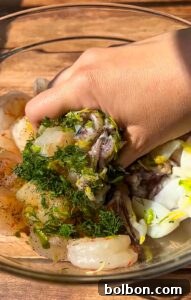
Combine the dried calamari and shrimp in a mixing bowl. Add the minced garlic, fresh lemon zest, lime zest, and olive oil. Season generously with salt and pepper, then sprinkle in the fresh dill. Mix everything thoroughly to ensure the seafood is evenly coated. For enhanced flavor, cover the bowl and refrigerate for about 1 hour to marinate (this step is optional but recommended).
-
Preheat your Blackstone (or griddle/pan) to medium-high heat until hot. Add a touch of high smoke point oil like avocado oil. Once the oil is shimmering, add the shrimp to the hot surface, making sure to space them apart. Cook for 1-2 minutes on each side until they turn pink and opaque.
-
Important: Avoid overcrowding the cooking surface. If you add too much seafood at once, the temperature of the griddle will drop, causing the seafood to steam instead of getting a beautiful sear. Cook in batches if necessary, ensuring ample space between pieces for proper browning.
-
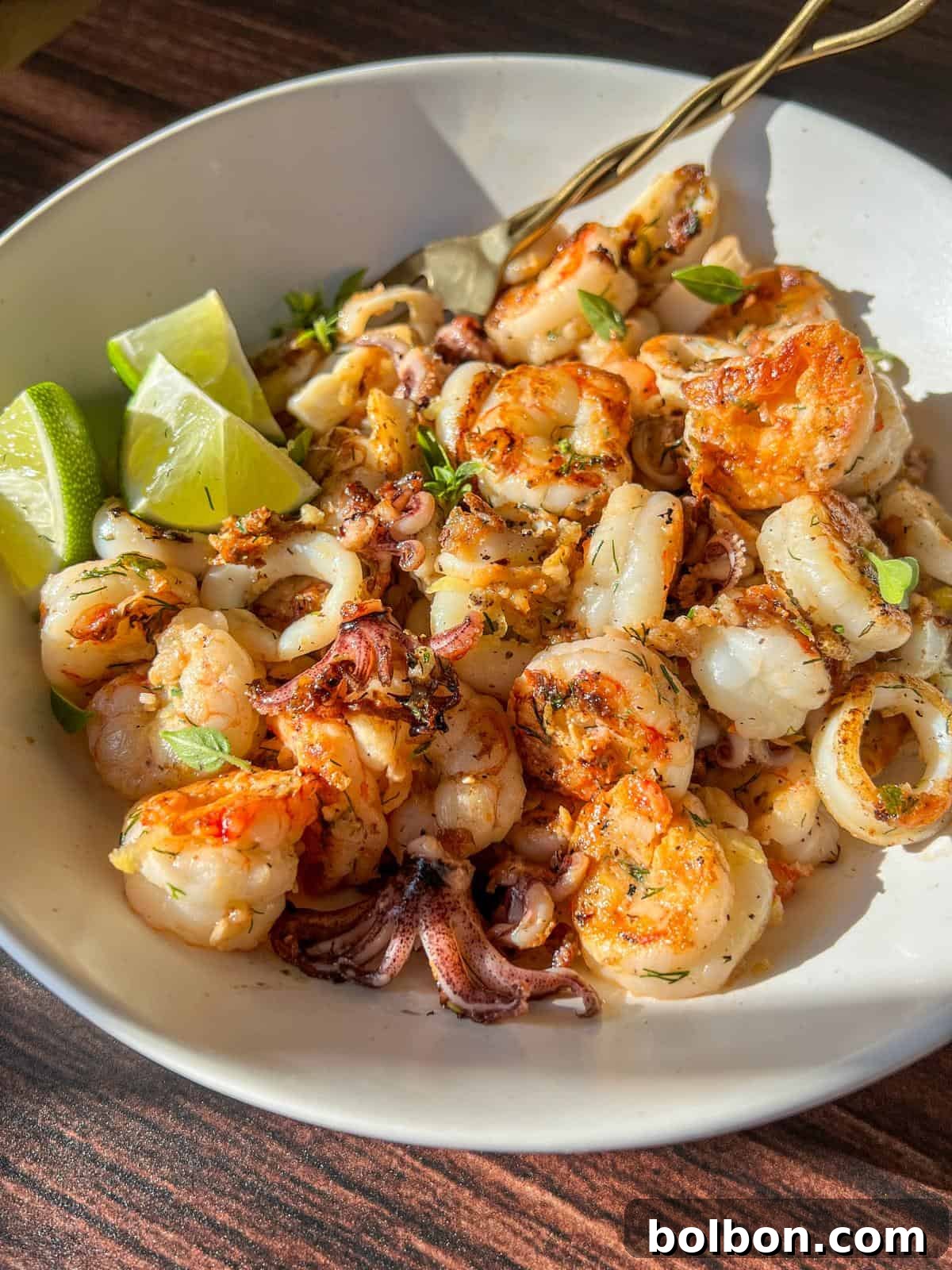
Once cooked, remove the shrimp from the heat and set aside. Immediately add the marinated calamari rings to the hot griddle. Calamari cooks incredibly fast and will curl up quickly. Cook for only about 30 seconds to 1 minute on each side, just until opaque. Overcooking will make it rubbery. Serve your perfectly grilled seafood immediately and enjoy!

Notes
- Frozen vs. Fresh Seafood: Both frozen and fresh seafood work wonderfully for this recipe. If using frozen, it is imperative to fully defrost the seafood in the refrigerator overnight before you begin cooking. Regardless of whether it’s fresh or frozen, always pat the seafood thoroughly dry with paper towels to absorb any excess moisture. This critical step ensures that you achieve a beautiful sear and prevents the seafood from steaming.
- Optional Marinating Time for Enhanced Flavor: You can certainly combine all the ingredients and grill your seafood immediately for a delicious result. However, if you have the foresight and patience, allowing the seafood to marinate for at least 1 hour in the refrigerator will allow the flavors to meld beautifully, resulting in an even more deeply flavored and aromatic dish. For optimal texture and flavor, avoid marinating much longer than 12 hours, as the citrus zest could begin to subtly affect the delicate texture of the seafood.
- Choosing Your Cooking Surface (Blackstone, Griddle, or Pan): I personally adore cooking on a Blackstone grill due to its naturally non-stick properties and its ability to retain high, even heat across a large surface area. This ample space is perfect for cooking seafood without overcrowding, allowing for ideal browning. A griddle, whether a flat metal surface placed on a grill or stovetop, offers a similar flat-top cooking experience. Flat-bottomed cast-iron griddles are especially versatile, safe for both electric and gas stovetops. Alternatively, a good quality cast-iron pan is also an excellent choice; it excels at retaining even, high heat and can be used on your grill or any stovetop. The key is to ensure your chosen surface is very hot before adding the seafood.
Nutrition
Nutrition information is automatically calculated, so should only be used as an approximation.
Additional Info
Common Questions About Grilled Seafood
Absolutely! Using frozen seafood is a convenient and often economical option. The key to success is to ensure it is completely thawed before you begin marinating and cooking. Ideally, thaw frozen seafood in the refrigerator overnight. Once thawed, pat it thoroughly dry with paper towels to remove any excess moisture. This crucial step prevents the seafood from steaming on the grill and instead promotes a beautiful, flavorful browning and sear.
Yes, you can certainly prepare the grilled seafood in advance! You can combine all the ingredients and marinate the seafood for up to 12 hours in the refrigerator. This extended marinating time allows the flavors to deepen and meld beautifully. However, I recommend not exceeding 12 hours, as the acidity from the citrus zest could start to break down the delicate texture of the seafood, making it mushy rather than tender.
The most common culprit for rubbery shrimp or calamari is overcooking. Both types of seafood cook incredibly quickly and are very delicate. Shrimp typically only needs about 1–2 minutes per side on a hot grill, and calamari even less, often just 30 seconds to 1 minute per side. Cook them fast and pull them off the heat as soon as they turn opaque and are slightly curled. Their natural tenderness is preserved by quick cooking.
For the best possible results and texture, it is highly recommended to cook the shrimp and calamari separately. They have slightly different ideal cooking times – shrimp usually takes a bit longer than calamari. Cooking them in separate batches ensures that each type of seafood is cooked to perfection without overcooking one while waiting for the other, preventing rubbery textures. Also, cooking in batches helps prevent overcrowding the grill, which would otherwise lead to steaming instead of searing.
Certainly! If you don’t have access to a Blackstone or a dedicated griddle, a heavy-bottomed cast-iron skillet or a stainless steel pan will work wonderfully. Place it over medium-high heat on your stovetop or even directly on your outdoor grill. The key is to ensure the pan is very hot before you add the seafood, allowing for a quick, flavorful sear. This method will still deliver fantastic results and a delicious grilled flavor.
Knowing when your seafood is perfectly cooked is crucial to avoid a rubbery texture. Shrimp will visibly change color, turning opaque and pink, and will curl into a loose “C” shape. Calamari, on the other hand, will quickly curl up and turn from translucent to opaque white. The most important tip is to pull them off the heat as soon as they reach this stage – not a second later! They will continue to cook slightly from residual heat, ensuring they remain tender and succulent.
For grilling, larger shrimp tend to work best as they are less likely to fall through grates and are easier to handle. Look for large, jumbo, or colossal shrimp (typically labeled as 16/20 or U/15 count per pound). While wild-caught shrimp often have superior flavor and texture, sustainably farmed options are also excellent. Always ensure they are peeled and deveined for convenience, or be prepared to do it yourself.
Grilled seafood is best enjoyed fresh, immediately after cooking. If you do have leftovers, store them in an airtight container in the refrigerator for up to 1-2 days. Reheating seafood can be tricky as it easily becomes rubbery. To reheat, gently warm it in a pan over low heat with a touch of olive oil, or briefly in a microwave at low power, just until warm. Avoid high heat and long reheating times to preserve its texture.