
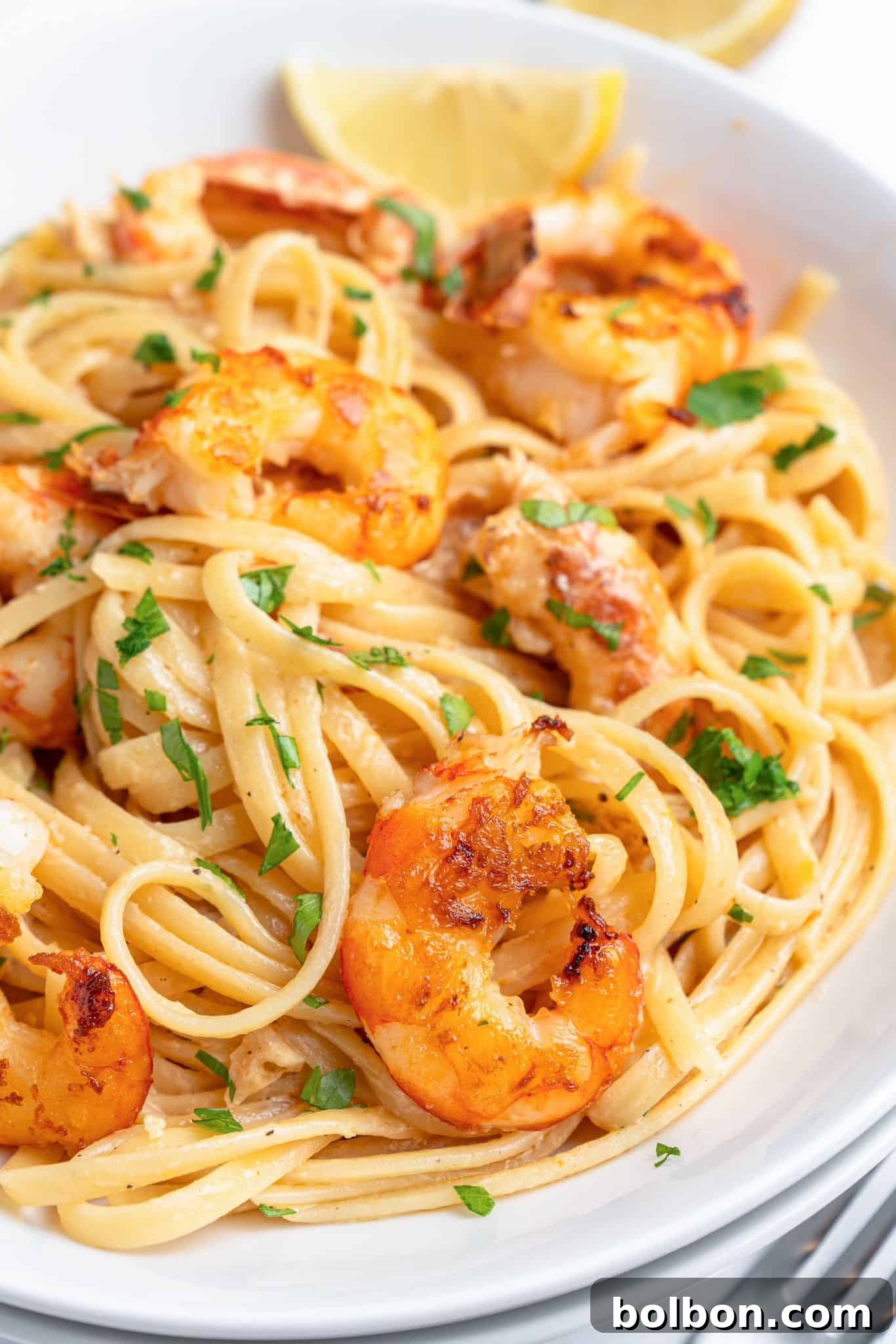
Indulge in Creamy Lemon Shrimp Pasta: A Quick & Elegant Dinner Recipe
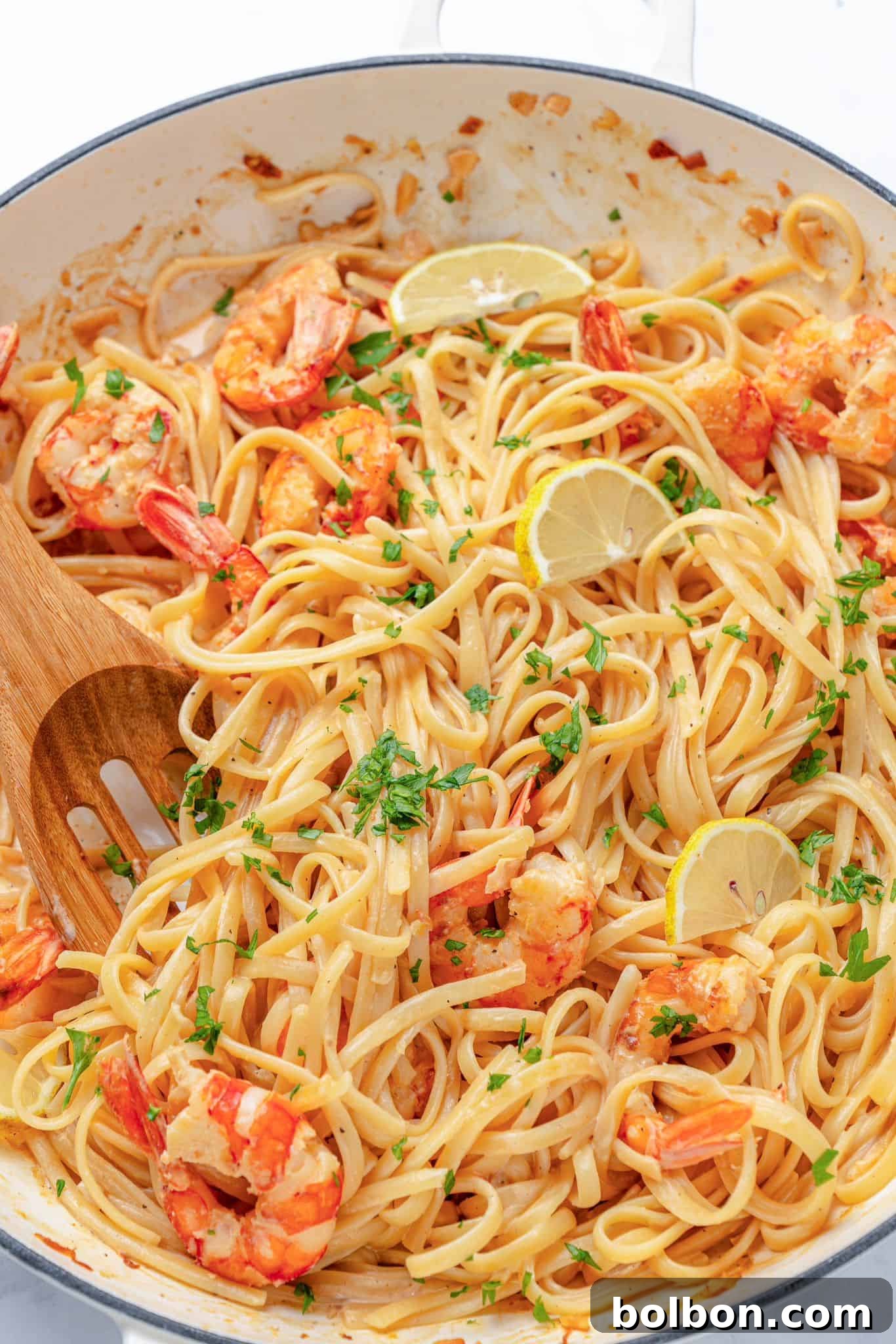
Craving a dish that’s both deeply satisfying and incredibly quick to prepare? Look no further than this exquisite Creamy Lemon Shrimp Pasta. Forget crowded restaurants and long waiting times; you can create a culinary masterpiece in your own kitchen in **just 15 minutes**. This recipe features succulent shrimp enveloped in a luscious white wine and butter sauce, brightened with the vibrant zest and juice of fresh lemons. It’s a truly heavenly pasta dish that will elevate your weeknight dinner or impress guests without hours of effort. Get ready to transform simple ingredients into an unforgettable meal that tastes like it came straight from a gourmet Italian trattoria.
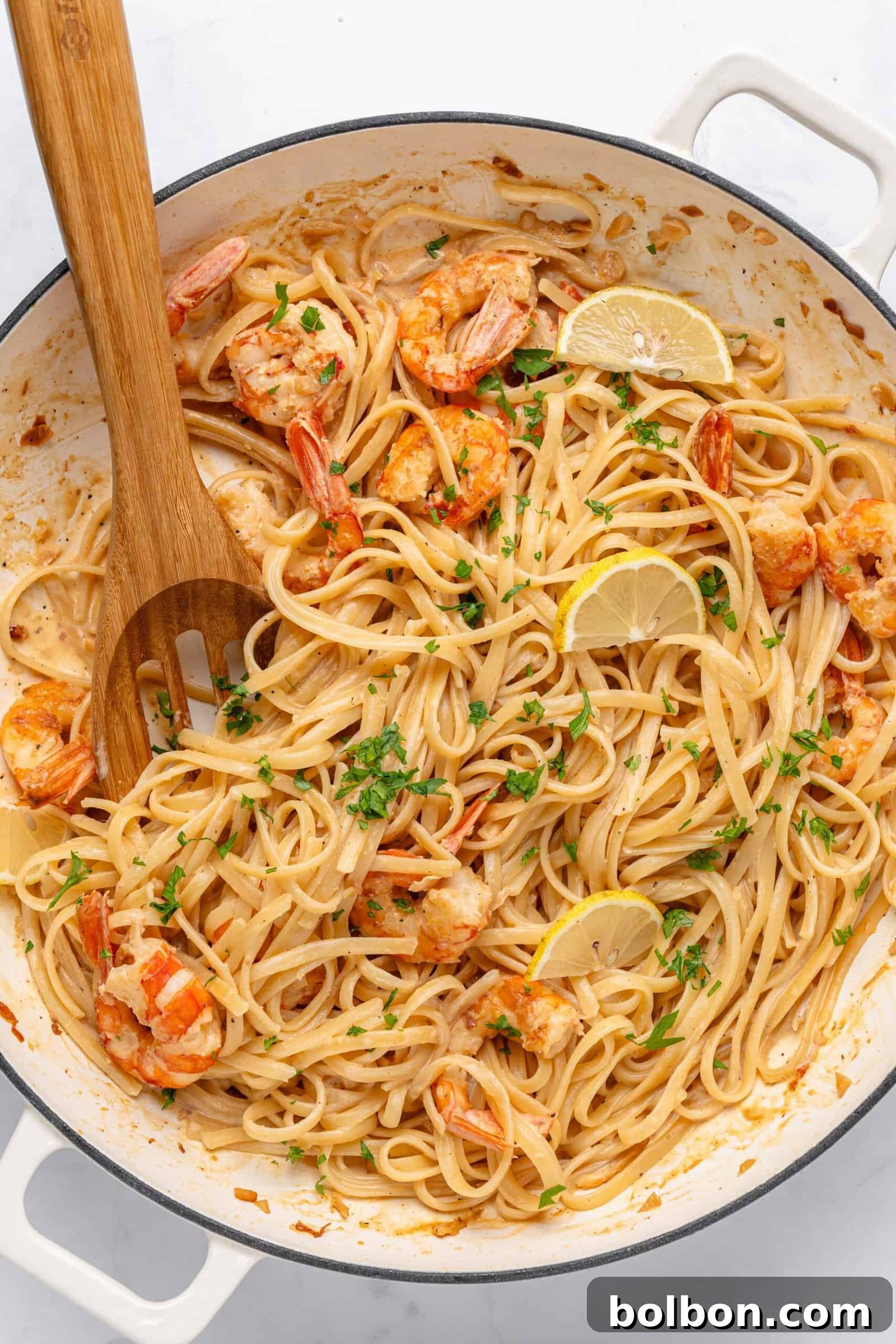
Why This Lemon Shrimp Pasta Will Become Your New Favorite
There are countless reasons to fall head over heels for this incredible lemon shrimp pasta recipe. It’s not just a meal; it’s an experience that tantalizes your taste buds and simplifies your cooking routine. Here’s why this dish stands out:
- Unbeatable Speed: In today’s fast-paced world, finding time for elaborate cooking can be a challenge. This recipe clocks in at just 15 minutes from start to finish, making it perfect for busy weeknights when you still want a homemade, wholesome meal.
- Gourmet Flavor Profile: Despite its quick preparation, this pasta tastes incredibly sophisticated. The combination of rich butter, aromatic white wine, fresh garlic, and zesty lemon creates a sauce that is both decadent and bright. The tender, perfectly cooked shrimp adds a delicate sweetness that complements the sauce beautifully.
- Versatility for Any Occasion: Whether you’re planning a romantic dinner for two, hosting a casual gathering, or looking for a special dish for holidays like Christmas Eve (it’s a fantastic option for the Feast of the Seven Fishes!), this lemon shrimp pasta fits the bill perfectly. Its elegant presentation and comforting flavors make it suitable for both special occasions and everyday indulgence.
- Simple Ingredients, Stunning Results: You don’t need a pantry full of exotic items to create this masterpiece. The ingredients are readily available at any grocery store, proving that extraordinary meals can be made from ordinary components with the right technique.
- Customizable to Your Liking: As you’ll discover in our variations section, this recipe is highly adaptable. You can easily adjust it to suit dietary preferences, add different vegetables, or swap out proteins, making it a truly versatile addition to your culinary repertoire.
- A Delight for All Senses: Picture the golden shrimp shimmering in a creamy, bright yellow sauce, infused with the aroma of garlic and lemon, and tossed with al dente pasta. Every forkful delivers a symphony of textures and flavors – the chewiness of the pasta, the tender bite of shrimp, and the silky, tangy sauce. It’s a dish that truly sings!
One taste, and you’ll understand why this creamy lemon shrimp pasta is destined to become a staple in your home.
Mastering the Art of Lemon Shrimp Pasta: Step-by-Step Guide
Creating this delightful pasta dish is surprisingly simple, yet the results are incredibly impressive. Follow these detailed steps to ensure a perfect meal every time:
Step 1: Prepare Your Pan and Shrimp
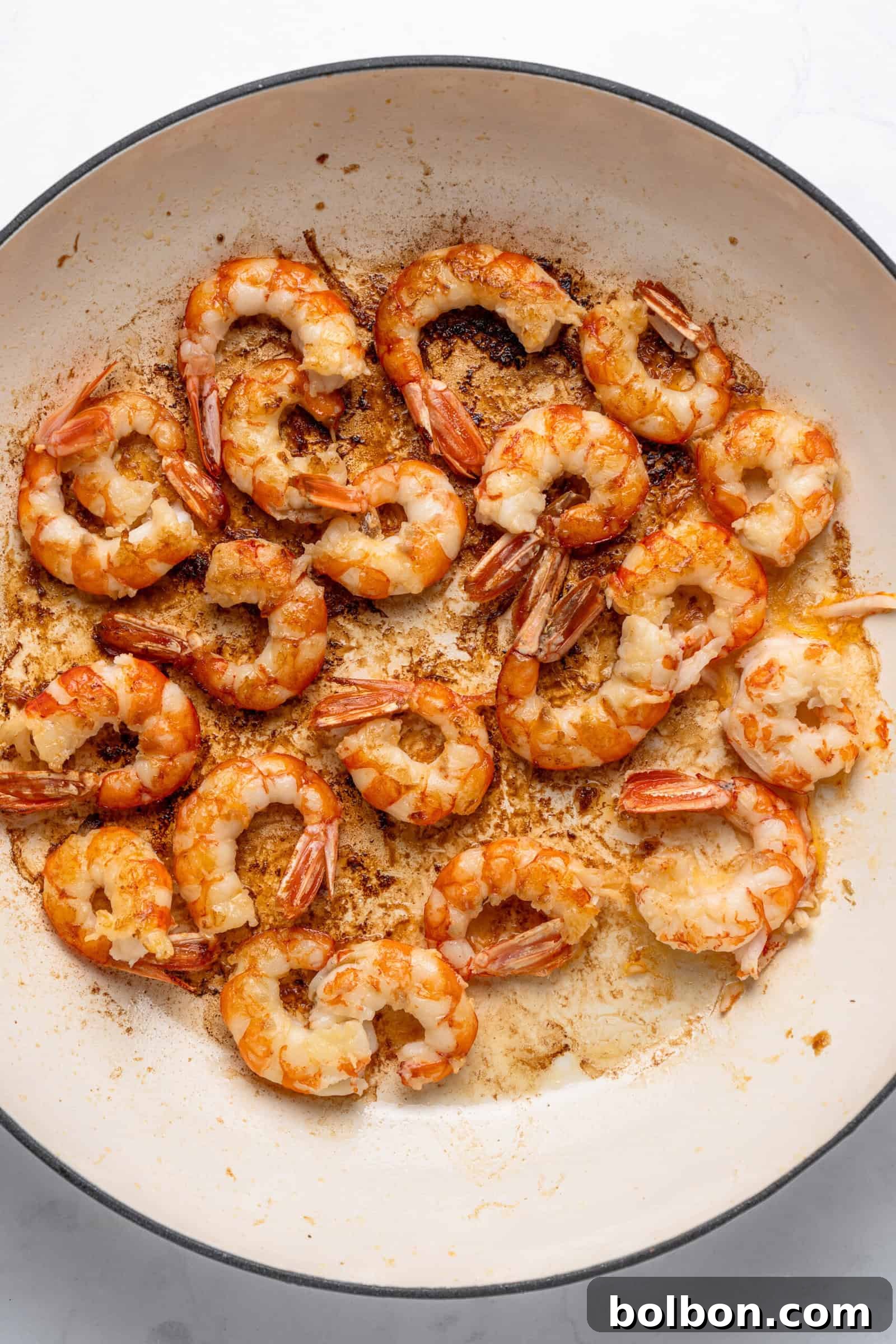
Begin by melting butter and olive oil in a large skillet or pan over medium heat. The combination of butter and olive oil not only adds a rich flavor but also helps prevent the butter from burning. Wait until the mixture is hot and shimmering, indicating it’s ready for the shrimp. Add your raw shrimp, ensuring they are peeled and deveined. Cook them for just 1 to 2 minutes on each side until they turn pink and opaque. Overcooking shrimp can make them rubbery, so keep a close eye on them. Once cooked, remove the shrimp from the pan and set them aside; they will be added back later to finish cooking in the sauce.
Step 2: Build the Flavor Base
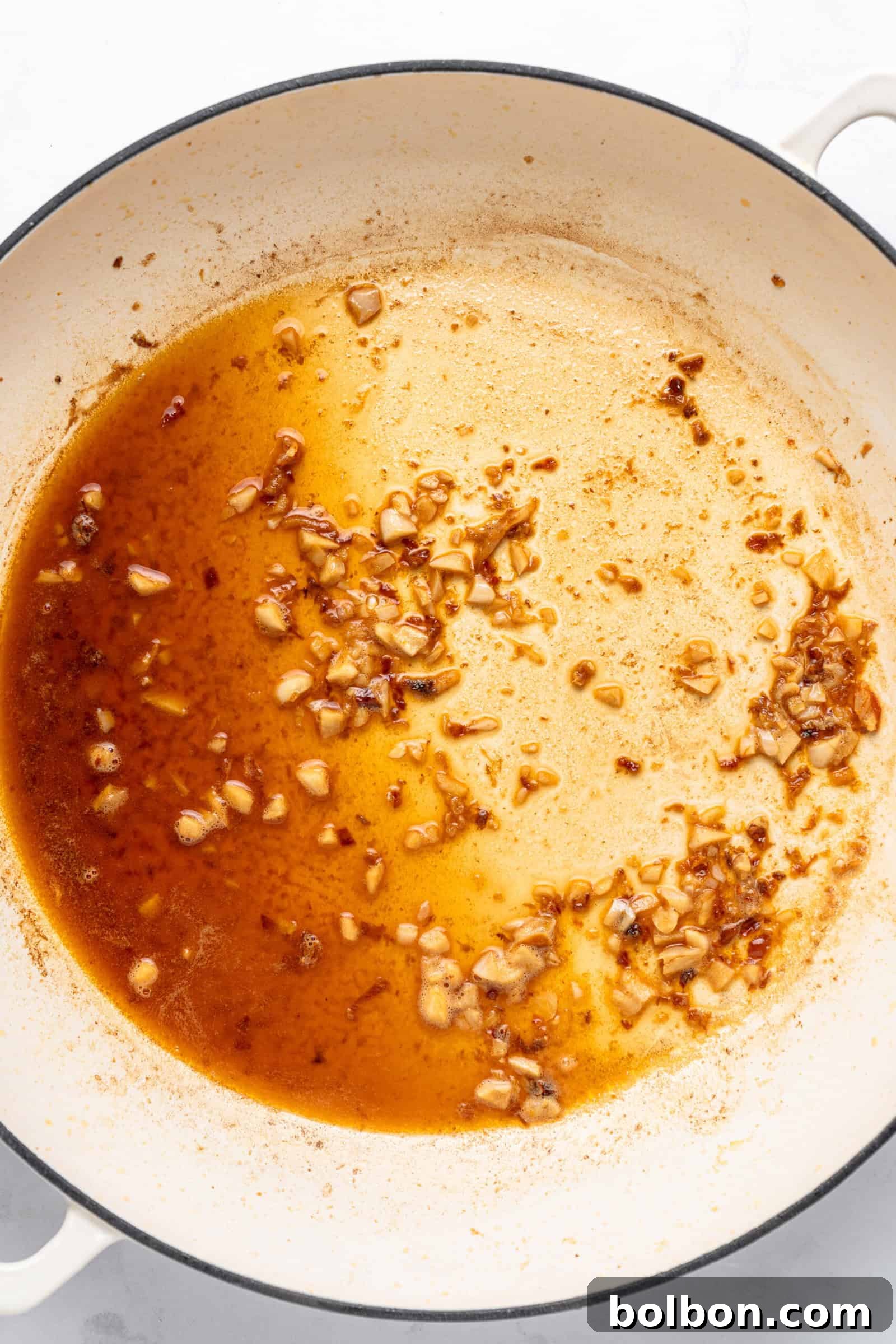
Using the same pan, which now holds delicious residues from the shrimp, add the minced garlic and a pinch of chili flakes (if using for a hint of heat). Sauté the garlic for about 30 seconds to 1 minute, stirring constantly, until it becomes fragrant. Be careful not to burn the garlic, as it can turn bitter very quickly. This step is crucial for building a foundational layer of flavor for your sauce.
Step 3: Deglaze with White Wine
Pour in the white wine. The wine will deglaze the pan, lifting all those flavorful browned bits from the bottom and incorporating them into the sauce. Let the wine simmer and cook off for a few minutes, allowing the alcohol to evaporate and the liquid to reduce and thicken slightly. This concentration of flavor is key to the sauce’s depth. If you prefer a non-alcoholic option, chicken or vegetable broth can be used instead.
Step 4: Create the Creamy Lemon Sauce
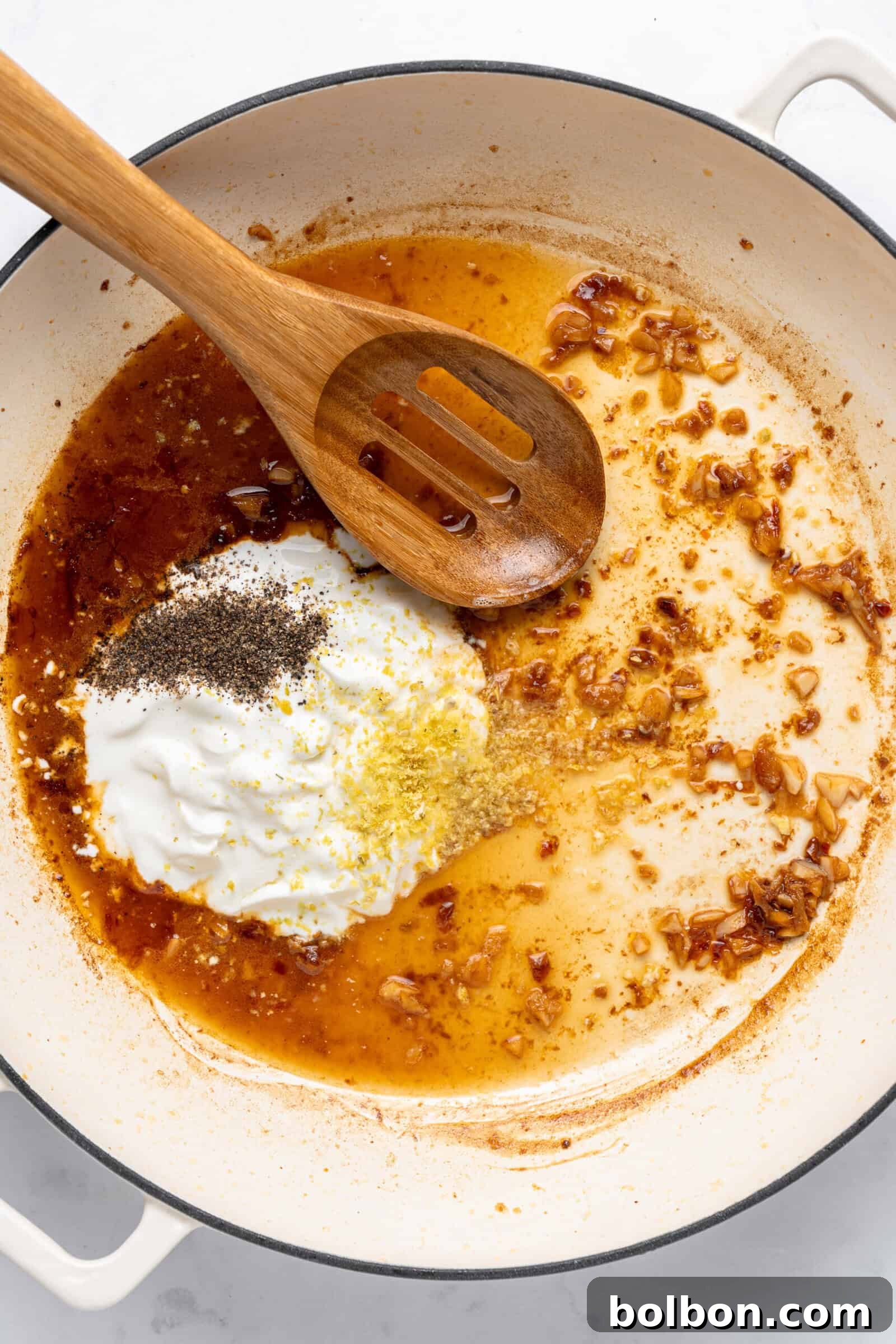
Once the wine has reduced, stir in the heavy cream. Add a generous pinch of salt and freshly ground black pepper to taste. Incorporate the vibrant lemon zest and a squeeze of fresh lemon juice. Stir everything together until the sauce is smooth and gently heated through. The lemon zest provides an aromatic brightness, while the juice adds a tangy kick, perfectly balancing the richness of the cream and butter.
Step 5: Combine and Finish
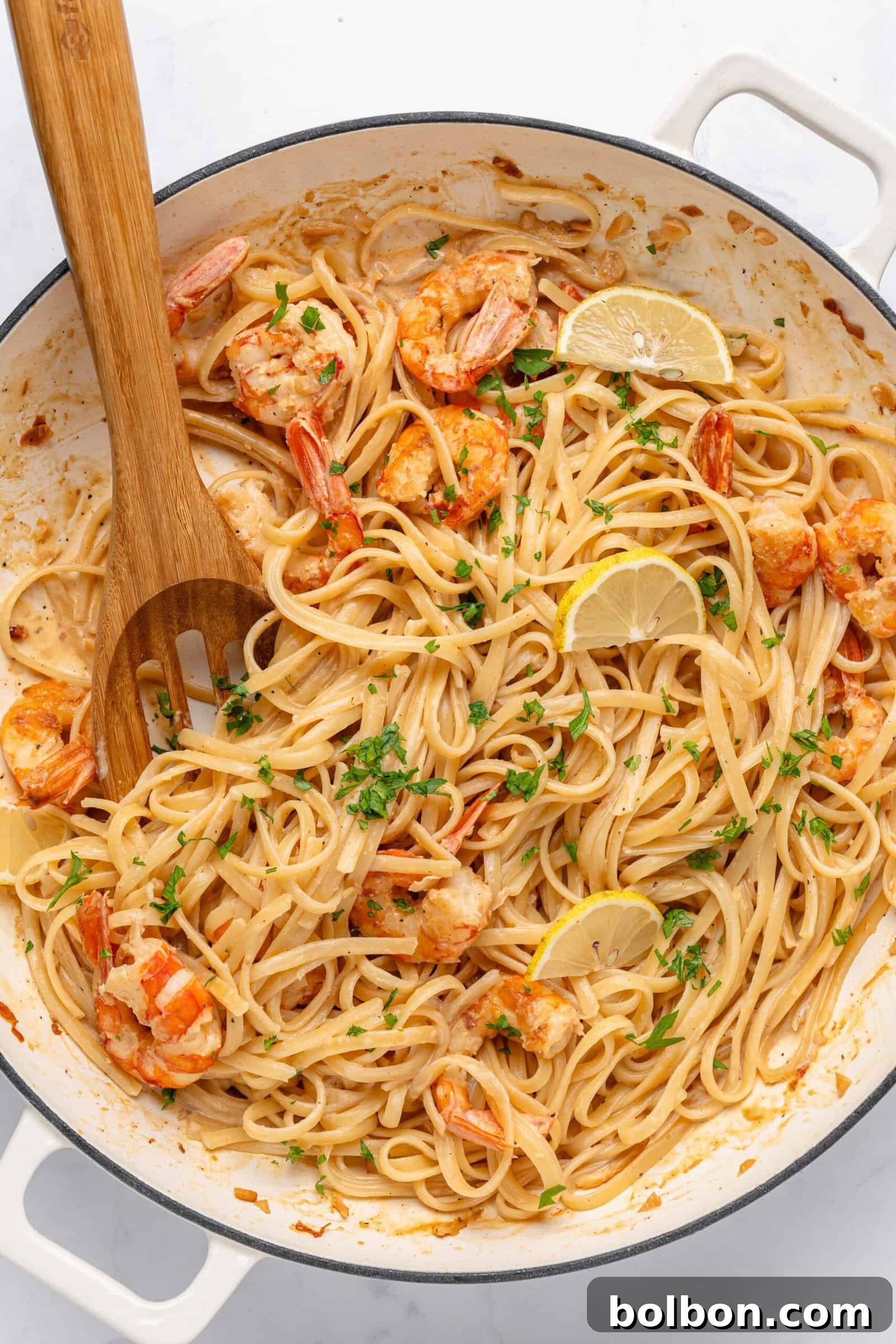
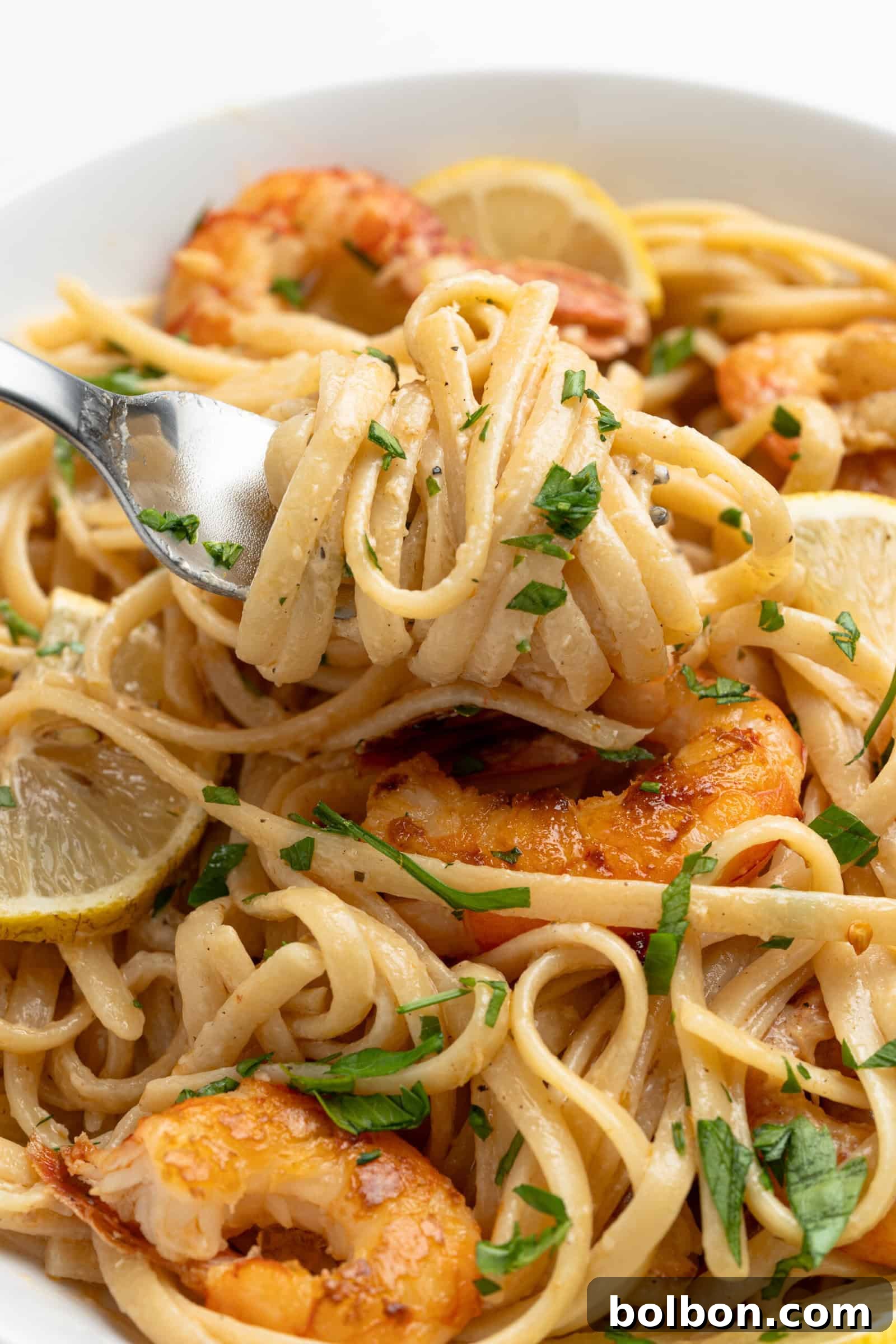
Return the cooked shrimp to the pan with the creamy sauce. Add your freshly cooked pasta of choice – linguine or spaghetti works wonderfully here. Crucially, add a splash of starchy pasta water. This magical liquid, reserved from cooking your pasta, helps emulsify the sauce, making it cling beautifully to the pasta and creating an even silkier texture. Stir everything together gently until the pasta is thoroughly coated and the shrimp are warmed through. The heat from the pasta and the sauce will bring all the flavors together harmoniously.
Step 6: Garnish and Serve
Once combined, garnish generously with fresh chopped parsley. The parsley adds a touch of color and a fresh, herbaceous note that complements the lemon and shrimp. Serve immediately and enjoy your homemade, restaurant-quality Lemon Shrimp Pasta!
Nonna’s Essential Tip: The Secret to Perfectly Seasoned Pasta
One of the oldest and most fundamental secrets to truly delicious pasta, passed down through generations, is simple yet often overlooked: **salt your pasta water generously.** The water should be as salty as the sea. This isn’t just a suggestion; it’s your one and only chance to season the pasta itself from the inside out. As the pasta cooks, it absorbs the salty water, infusing every strand with flavor. If the pasta water isn’t seasoned, your pasta will taste bland, no matter how flavorful your sauce is. So, before you drop your pasta, make sure your boiling water has that distinct briny taste.
Creative Variations and Smart Substitutions for Your Lemon Shrimp Pasta
This delightful lemon shrimp pasta recipe is wonderfully flexible, allowing you to easily customize it to your preferences, dietary needs, or whatever ingredients you happen to have on hand. Remember to adjust quantities and cooking times accordingly based on the substitutions you choose to ensure the best results. Don’t forget to tell me in the comments how you make this dish your own!
- Non-Alcoholic Option: For those who prefer to avoid alcohol, feel free to substitute the white wine with an equal amount of chicken or vegetable broth. This will still provide a savory base for the sauce without the wine.
- Cream Alternatives: If heavy cream isn’t available or if you’re looking for a dairy-free or lighter option, there are several fantastic alternatives:
- Cream Cheese: A dollop of cream cheese can add richness and thickness to the sauce.
- Canned Coconut Milk: For a dairy-free version, use the thick cream that settles at the top of a can of full-fat coconut milk. It provides a lovely creaminess with a subtle, delightful flavor.
- Milk and Greek Yogurt: For a lighter sauce, combine regular milk with a spoonful of Greek yogurt. Stir it in gently to prevent curdling.
- Cashew Cream: For a completely plant-based and dairy-free option, homemade cashew cream (blended soaked cashews with water) works beautifully.
- Pasta Choices: The world of pasta is your oyster!
- Whole Wheat Pasta: A healthier alternative that adds a nutty flavor and more fiber.
- Gluten-Free Pasta: Ensures everyone can enjoy this dish. Choose from rice, corn, or legume-based options.
- Low-Carb Options: For a lighter, lower-carb meal, swap traditional pasta with spiralized vegetables like zucchini noodles (zoodles), sweet potato noodles, or even spaghetti squash.
- Herb Experimentation: While parsley offers a classic finish, don’t hesitate to experiment with different fresh herbs. Thyme, oregano, chives, or fresh basil can all add unique aromatic dimensions to the dish. You can use them in addition to or instead of parsley.
- Protein Swaps: Not a fan of shrimp, or simply want to try something different?
- Diced Chicken: Sauté chicken breast or thigh pieces until cooked through before adding the sauce.
- Scallops: Quick-searing scallops can add a sweet and tender seafood alternative.
- Mixed Seafood: Elevate the dish by adding a combination of seafood like mussels, clams, or calamari rings for a true seafood pasta experience.
- Vegetarian Enrichment: To make this recipe vegetarian (and easily vegan by omitting dairy and using plant-based butter), consider adding a variety of roasted vegetables. Cherry tomatoes, asparagus spears, spinach, or sliced mushrooms can be sautéed with the garlic or roasted separately and folded into the finished pasta for extra flavor, texture, and nutrition.
Feel free to get creative and make this recipe truly your own. The beauty of cooking lies in personalization!
Explore More Delicious Seafood Recipes
Salmon Skewers
14 mins
Branzino Recipe
40 mins
Creamy Tuna Pasta
15 mins
Coconut Shrimp Recipe
14 mins
Perfect Pairings: What to Serve with Lemon Shrimp Pasta
While Lemon Shrimp Pasta is a complete and satisfying meal on its own, pairing it with the right side dishes can elevate your dining experience and create a well-rounded feast. Here are some of the best accompaniments that beautifully complement the rich, creamy, and zesty flavors of this pasta:
- Classic Caesar Salad: A crisp and refreshing Caesar salad offers a delightful contrast to the warm pasta. The crunchy romaine lettuce, savory Parmesan cheese, and tangy Caesar dressing provide a light, fresh bite that cleanses the palate.
- Roasted Seasonal Vegetables: Enhance your meal with a healthy and colorful side of roasted vegetables. Asparagus, broccoli florets, or bell peppers (red, yellow, or orange) tossed with a drizzle of olive oil, salt, and pepper, then roasted until tender-crisp, add a wonderful earthy sweetness and texture.
- Garlic Bread or Bruschetta: No pasta dish is complete without something to soak up every last drop of that amazing sauce. Slices of warm, crusty baguette are always a good choice, but for an extra special touch, try cheesy roasted garlic bread or my homemade Italian Bruschetta as an appetizer. The toasted bread with fresh toppings would be a wonderful precursor to this main course.
- Caprese Salad: For a vibrant and fresh side, a Caprese salad with slices of fresh mozzarella, ripe tomatoes, and fragrant basil leaves, all drizzled with a sweet and tangy balsamic glaze, is an excellent choice. Its simple elegance and refreshing flavors perfectly balance the richness of the pasta.
- A Light White Wine: To complement the white wine sauce in the pasta, consider serving a crisp, dry white wine like Sauvignon Blanc, Pinot Grigio, or a light-bodied Chardonnay. These wines will enhance the dish’s delicate flavors without overpowering them.
- Simple Green Salad with Vinaigrette: A basic mixed greens salad with a light lemon vinaigrette can offer a refreshing element, adding a touch of bitterness and acidity that cuts through the creaminess of the pasta.
Choose one or a combination of these sides to create a memorable and perfectly balanced meal.
Frequently Asked Questions About Lemon Shrimp Pasta
When boiling your pasta, the water should be generously salted – truly, as salty as the sea. This is paramount because the pasta absorbs this seasoned water as it cooks, infusing every strand with flavor. If the pasta water lacks sufficient salt, your pasta will taste bland, regardless of how delicious your sauce is. Don’t be shy; it’s the only opportunity you have to season the pasta itself.
I typically use Redmond Real Salt, which is a natural, unrefined mineral salt. However, the exact amount of salt needed can vary depending on the brand and type of salt you use, as some salts are saltier by volume than others. Therefore, salt is always to taste. My best advice is to consistently taste and adjust your seasoning as you cook, ensuring your dish reaches its peak flavor balance.
If heavy cream isn’t available or if you prefer an alternative, you have several excellent options. Cream cheese can be used to add a similar richness and thickness to the sauce. For a dairy-free option, the thick cream that separates and sits on top of a can of full-fat coconut milk works wonderfully, providing a velvety texture and a subtle, pleasant flavor. Another fantastic plant-based choice is cashew cream, made by blending soaked cashews with water until smooth.
Transforming this recipe into a delicious vegan meal is quite straightforward. Simply substitute the butter with plant-based butter, use a dairy-free milk or cashew cream instead of heavy cream, and, of course, omit the shrimp. You can replace the shrimp with roasted vegetables like cherry tomatoes, mushrooms, or asparagus for added texture and flavor, creating a delightful plant-based pasta dish.
Leftover Lemon Shrimp Pasta can be stored in an airtight container in the refrigerator for up to 2-3 days. When reheating, it’s best to do so gently on the stovetop over low heat, adding a splash of chicken or vegetable broth, or even a little water, to help loosen the sauce and prevent it from drying out. You can also microwave it, but be careful not to overcook the shrimp, which can become rubbery if reheated too aggressively.
Absolutely! Frozen shrimp work perfectly for this recipe. Ensure you thaw them properly before cooking. The best way to thaw frozen shrimp is to place them in a colander under cold running water for a few minutes, or transfer them to the refrigerator overnight. Pat them dry thoroughly before adding them to the pan, as excess moisture can prevent them from searing nicely.
For the white wine sauce, a dry white wine is ideal. Varieties like Pinot Grigio, Sauvignon Blanc, or an unoaked Chardonnay work beautifully. Choose a wine that you would enjoy drinking, as its flavor will concentrate in the sauce. Avoid sweet wines, as they can throw off the balance of the dish. If you don’t have white wine on hand, a good quality chicken or vegetable broth is an excellent non-alcoholic substitute.
Creamy Lemon Shrimp Pasta
Facebook Share
Rate Recipe
Print Recipe
Video Tutorial
Essential Equipment for Perfect Pasta
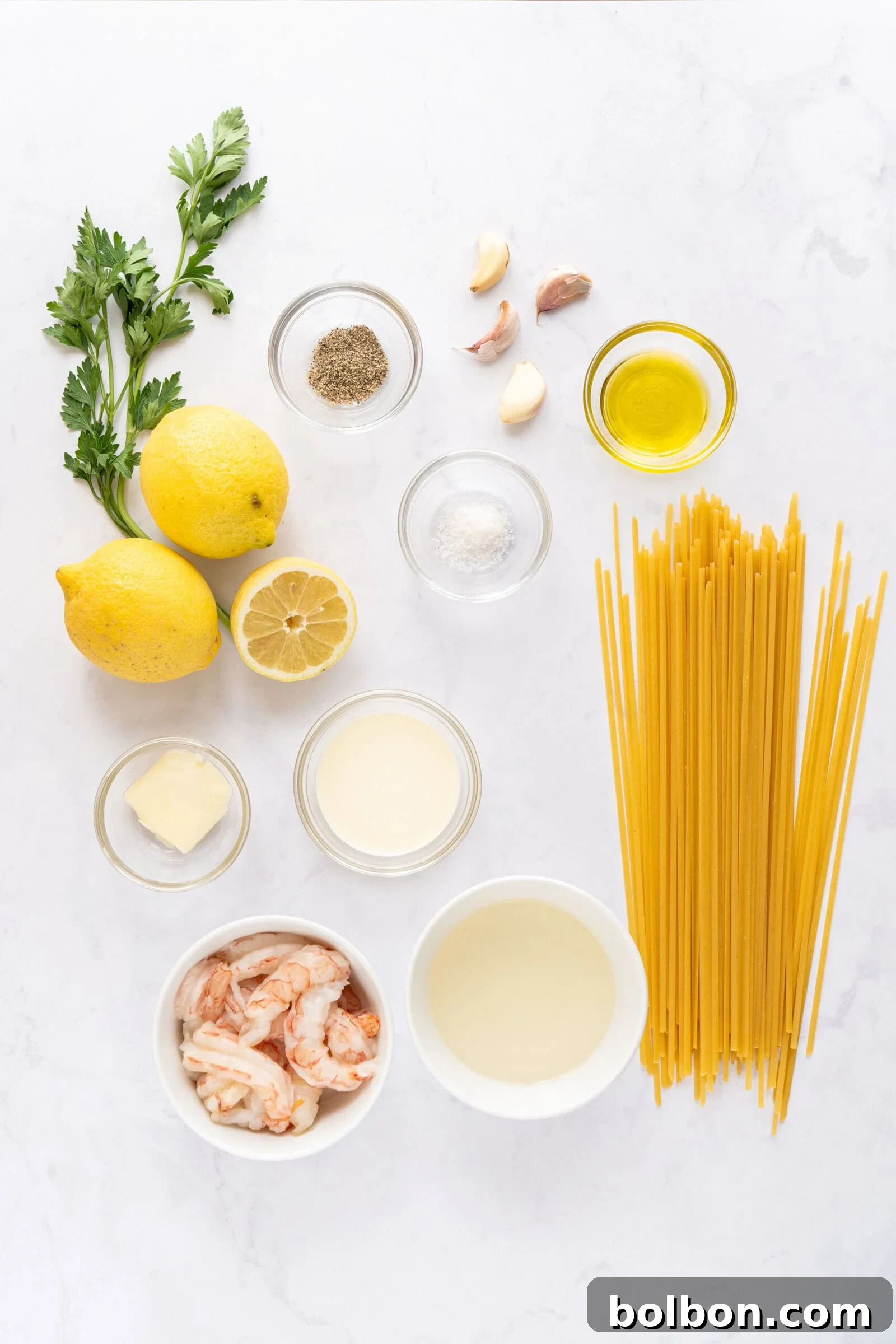
Ingredients for Your Creamy Lemon Shrimp Pasta
1x2x3x
- 1 tablespoon unsalted butter
- 1 tablespoon extra virgin olive oil
- 14 large tiger shrimp, fresh or frozen and thawed, peeled and deveined
- 4 cloves freshly minced garlic
- chili flakes, to taste (optional, for a little heat)
- ⅓ cup dry white wine, such as Pinot Grigio or Sauvignon Blanc, or substitute with vegetable stock
- ¼ cup heavy cream, or the thick cream from a can of full-fat coconut milk for dairy-free option
- salt and freshly ground black pepper, to your personal taste
- zest of one fresh lemon, for aromatic brightness
- fresh lemon juice, to taste, for a tangy finish
- cooked pasta of choice, approximately 150 grams dry linguine or spaghetti
- splash of starchy pasta water, reserved from cooking the pasta
- fresh parsley, finely chopped, for garnish
Step-by-Step Instructions
-
In a large pan or skillet, combine the butter and olive oil over medium heat. Allow the butter to fully melt and the mixture to become hot and shimmering, which indicates it’s ready for searing. This combination helps create a rich base and prevents the butter from burning too quickly.
-
Add the raw, peeled, and deveined shrimp to the hot pan. Cook for 1 to 2 minutes on each side, or until they turn a vibrant pink and are just cooked through. Be careful not to overcook, as shrimp can become tough. Once cooked, promptly remove the shrimp from the pan and set them aside on a plate; they will be added back later to warm through in the sauce.
-
Using the same pan with any remaining butter-oil mixture and shrimp drippings, add the minced garlic and chili flakes (if desired for a hint of spice). Sauté for about 30-60 seconds, stirring constantly, until the garlic is fragrant but not browned. Pour in the white wine and let it simmer for a few minutes, allowing the alcohol to cook off and the liquid to reduce and thicken slightly. This deglazing step adds significant depth of flavor. Next, stir in the heavy cream, a pinch of salt and pepper, the lemon zest, and fresh lemon juice. Continue to stir until the sauce is smooth, creamy, and heated through.
-
Return the cooked shrimp to the pan with the prepared sauce. Add your al dente cooked pasta of choice, along with a splash of the starchy pasta water you reserved. The pasta water is crucial for helping the sauce emulsify and cling beautifully to the pasta. Toss everything together gently until the pasta is thoroughly coated with the creamy sauce and the shrimp are warmed through. Garnish generously with fresh chopped parsley before serving immediately. Enjoy your homemade, restaurant-quality Lemon Shrimp Pasta!
Nutrition Information
Nutrition information is automatically calculated and provided for general reference; it should only be used as an approximation.