
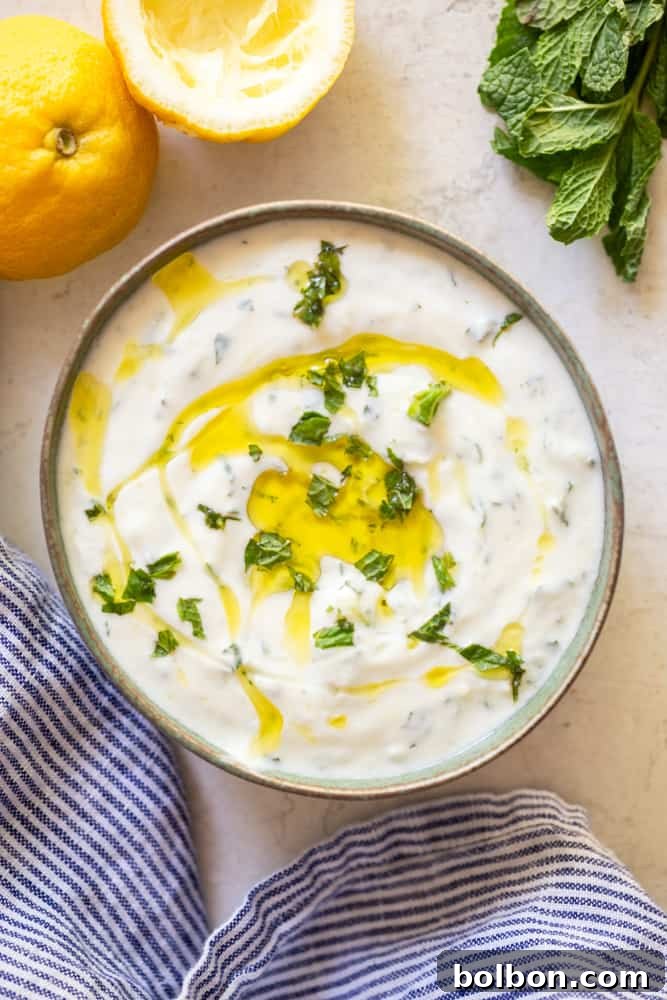
Welcome to the ultimate guide for crafting the most exquisite homemade Tzatziki sauce, a refreshing and versatile Mediterranean dip that promises to elevate any meal. Forget bland store-bought versions; this recipe unveils the secrets to a vibrant, creamy, and irresistibly fresh Tzatziki that’s surprisingly easy to make. Perfect as a dip for fresh vegetables and warm pita, or as a cooling accompaniment to grilled meats like shawarma, kofte, and Greek chicken, this cucumber and yogurt delight is a true culinary staple. Prepare to transform your kitchen into a Mediterranean haven with just a few simple, high-quality ingredients.
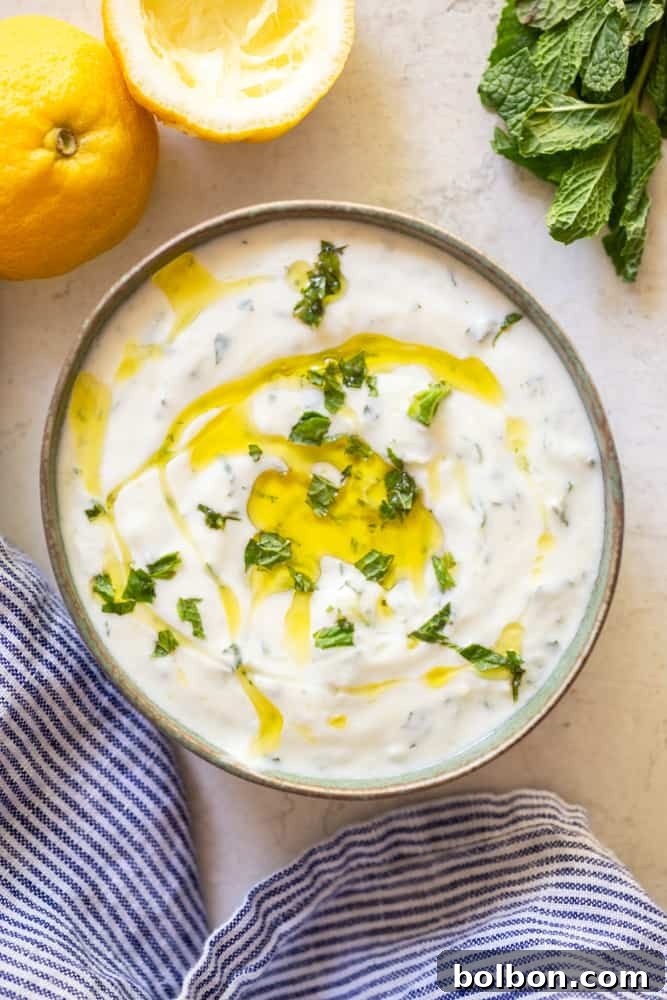
The Ultimate Guide to Easy Homemade Tzatziki Sauce: Fresh, Flavorful, and Versatile
Discover how to effortlessly create the perfect homemade Tzatziki sauce, a vibrant and refreshing Mediterranean dip that elevates any meal. This comprehensive guide will walk you through the simple steps, essential ingredients, and expert tips to master this classic Greek yogurt and cucumber delight. From grilled meats to fresh vegetables, learn why homemade Tzatziki is the ultimate accompaniment that will quickly become a staple in your culinary repertoire.
What is Tzatziki Sauce? A Journey Through Mediterranean Flavors
Tzatziki (pronounced tuh·ZEE·kee) is far more than just a dip; it’s a culinary cornerstone across Southern Europe and the Middle East, celebrated for its cool, creamy texture and invigorating flavors. Made primarily from strained yogurt, fresh cucumber, pungent garlic, fragrant olive oil, bright lemon juice, and aromatic herbs like dill and mint, Tzatziki offers a refreshing contrast to rich dishes and a delightful burst of freshness on its own. While most people in the U.S. recognize it as a Greek dish, its variations are deeply ingrained in many cultures.
This ancient condiment boasts a history as rich as its taste, with roots tracing back centuries, influencing countless regional cuisines. In Turkey, a similar dish is known as cacık (pronounced Ja-jik), and in Bulgaria, it takes the form of tarator. While Greek Tzatziki typically presents as a thick, luscious dip, perfect for scooping with pita or slathering onto a gyro, its Turkish and Bulgarian counterparts are often thinner, sometimes even served as a chilled soup, particularly enjoyed during the warm summer months. Regardless of its regional iteration, the core elements of cooling cucumber and tangy yogurt remain, providing a universally loved palate cleanser and flavor enhancer.
Why Choose Homemade Tzatziki? The Unbeatable Difference
While store-bought Tzatziki is readily available, crafting your own at home offers unparalleled benefits that truly set it apart. Homemade versions guarantee the freshest ingredients, allowing you to have complete control over the quality and sourcing of each component. This means no artificial preservatives, stabilizers, or unnecessary additives find their way into your delicious dip, only pure, wholesome goodness. The difference in taste and texture is remarkable; homemade Tzatziki boasts a vibrant freshness, a balanced tang, and a rich creaminess that simply cannot be replicated by mass-produced alternatives. Plus, the process itself is incredibly satisfying, quick, and a fantastic way to impress guests or simply treat yourself to a superior culinary experience.
Essential Ingredients for Authentic and Flavorful Tzatziki
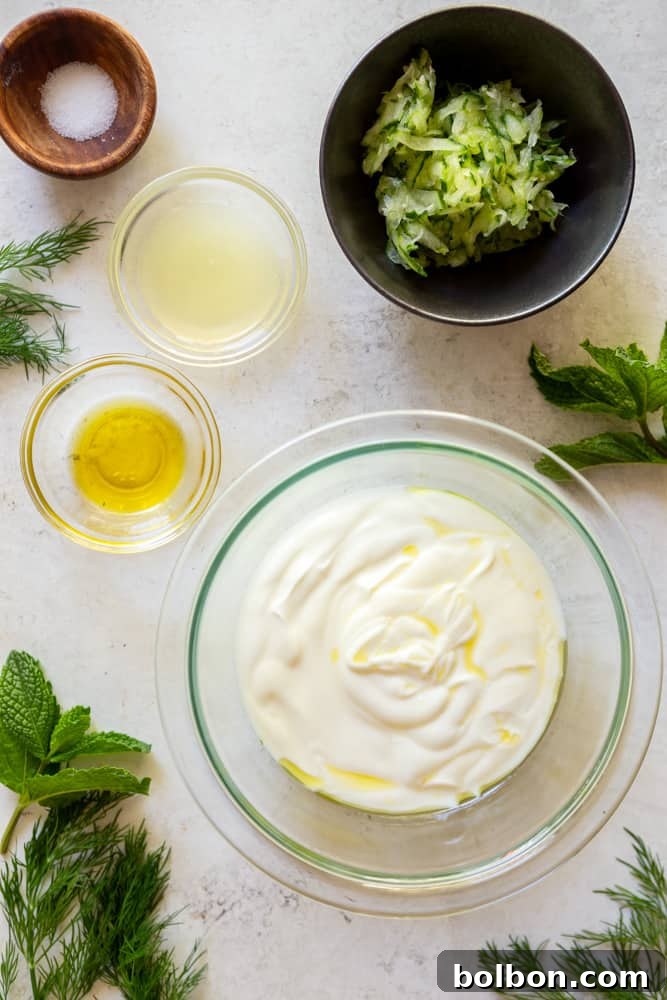
The beauty of Tzatziki lies in its simplicity and the quality of its core components. To create a truly authentic and flavorful sauce, focus on fresh, high-quality ingredients, each playing a crucial role in the final symphony of taste and texture:
- Greek Yogurt: This is the non-negotiable foundation of your Tzatziki. Opt for full-fat, plain Greek yogurt for the richest, creamiest texture. Its inherent thickness is crucial for a dip that holds its form and doesn’t become watery. If you only have access to regular plain yogurt, you can strain it through cheesecloth over a bowl for a few hours (or overnight in the refrigerator) to achieve a similar thick consistency. Avoid flavored yogurts or those with added sugars.
- Cucumber: English or Persian cucumbers are ideal due to their thinner skins and fewer seeds, making them less bitter and easier to prepare. While you don’t strictly need to peel them, if the skin is particularly thick or waxed, a quick peel is recommended for a smoother texture. The absolute key step here is grating the cucumber and thoroughly draining its excess moisture. A simple box grater works perfectly for this task, producing fine shreds that integrate beautifully into the yogurt.
- Fresh Garlic: Garlic provides the characteristic pungent kick that balances the creaminess of the yogurt and the refreshing crispness of the cucumber. Always use fresh garlic cloves, finely minced or pressed, for the most vibrant and authentic flavor. A garlic press ensures a super fine texture that blends seamlessly into the sauce, preventing large chunks. Adjust the amount to your personal taste; some prefer a milder garlic note, while others crave a bolder, more assertive punch.
- Fresh Lemon Juice: A squeeze of freshly squeezed lemon juice adds crucial brightness, a tangy zest, and acidity that truly awakens all the flavors in the dip. Always prioritize fresh lemon juice over bottled for a superior, more vibrant taste.
- Extra Virgin Olive Oil: A drizzle of high-quality extra virgin olive oil not only adds a silky texture and a subtle richness but also imparts a distinctive Mediterranean aroma. It’s often incorporated into the mix and can also be used as a beautiful, flavorful garnish just before serving.
- Fresh Herbs: Mint and dill are the traditional heroes of Tzatziki’s aromatic profile. Their fresh, herbaceous notes are indispensable, providing a cooling and fragrant counterpoint to the other ingredients. Finely chop them to ensure even distribution and maximum flavor release. You can use one or both, depending on your preference and what’s available.
- Sea Salt: Essential for seasoning and enhancing all the other flavors. Start with a quarter teaspoon and adjust to taste, remembering that flavors deepen as the Tzatziki chills.
- Optional additions: A pinch of freshly ground white pepper can add a subtle warmth without overpowering, or a tiny splash of white wine vinegar can deepen the tanginess for those who enjoy a more pronounced acidic profile.
Step-by-Step: How to Make Easy Tzatziki Sauce at Home
Creating your own delicious Tzatziki is a straightforward process that requires minimal effort but yields maximum flavor. Follow these simple steps for a consistently perfect batch every time:
- Prepare the Cucumber: Begin by grating your cucumber. You don’t have to peel it first unless the skin is particularly thick, bitter, or you simply prefer a smoother texture in your dip. For optimal results and ease, use a box grater to produce fine shreds.
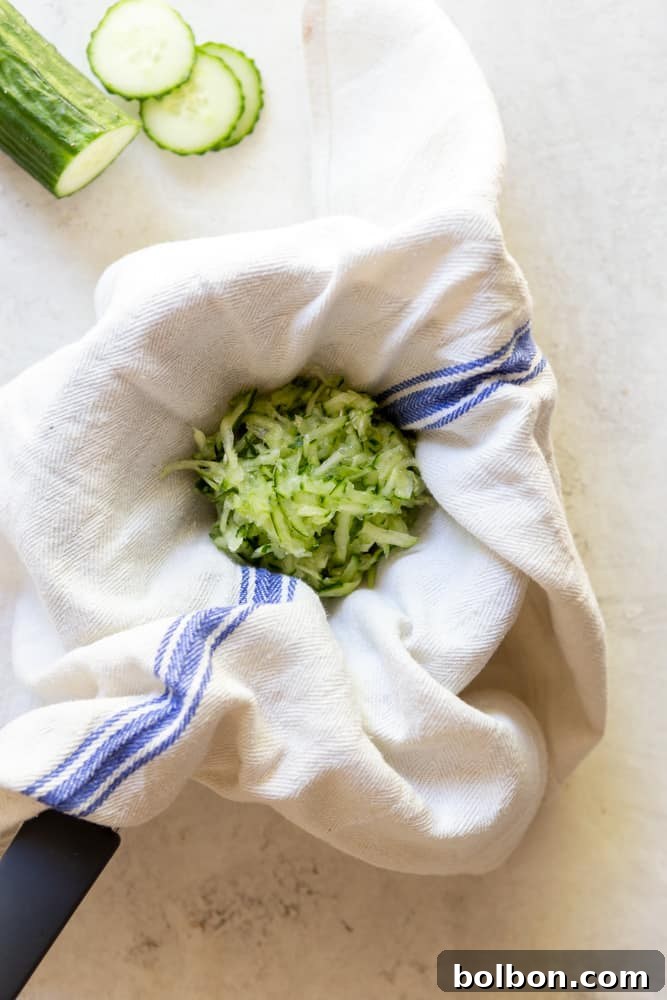
- The Crucial Draining Step: This is arguably the most important step to prevent a watery, lackluster dip. Once grated, place the cucumber in a fine-mesh strainer lined with a clean kitchen towel or several layers of cheesecloth. Allow it to drain naturally over a bowl for at least 20 minutes; longer is even better if you have the time, as it extracts more moisture. After the initial drain, gather the edges of the towel or cheesecloth and vigorously wring out as much excess liquid as possible. You’ll be surprised by the amount of water that comes out! This meticulous draining ensures your Tzatziki maintains its creamy, thick, and delightful consistency.
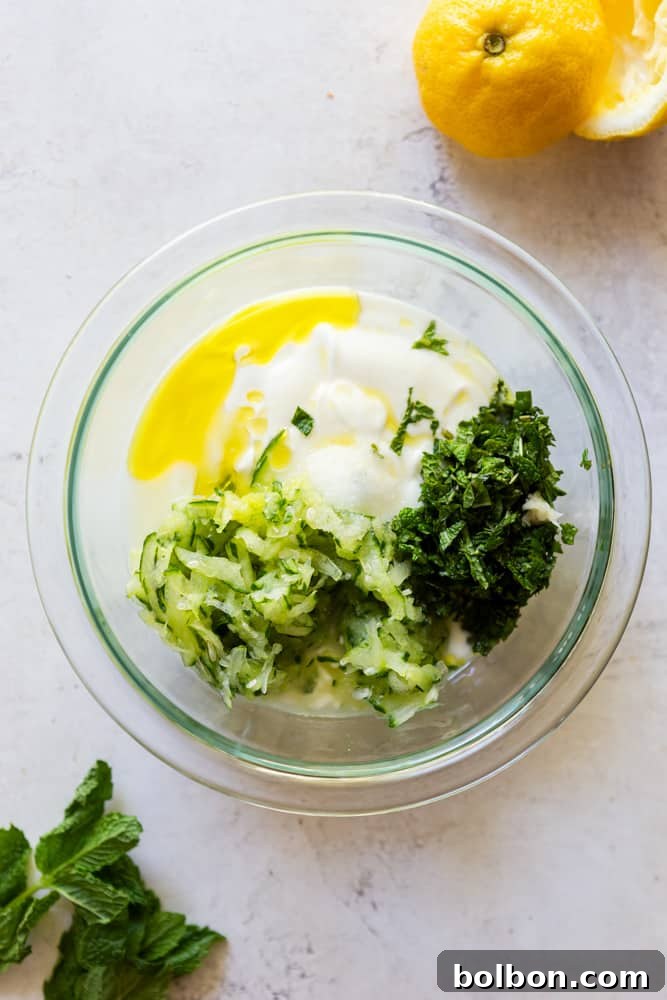
- Combine Ingredients: In a medium-sized mixing bowl, combine the thoroughly drained grated cucumber with the full-fat Greek yogurt, finely minced fresh garlic, fresh lemon juice, high-quality extra virgin olive oil, finely chopped fresh mint, and finely chopped fresh dill (if using both). Add the sea salt.
- Mix Thoroughly: Stir all the ingredients together until they are well combined and evenly distributed. Take a moment to taste the mixture. This is your chance to adjust the seasoning: you might want a little more salt to enhance the flavors, an extra squeeze of lemon for more tang, or another touch of garlic for a bolder kick. Remember, flavors can intensify slightly as it chills.
- Chill and Serve: For the absolute best flavor and to allow all the wonderful ingredients to meld and deepen, cover the bowl with plastic wrap or an airtight lid and refrigerate the Tzatziki for at least 30 minutes before serving. Chilling not only enhances the taste but also ensures a refreshing temperature. Serve chilled and enjoy!
Expert Tips for the Best Homemade Tzatziki
Achieving Tzatziki perfection is easy with these insider tips:
- Never Skip Draining the Cucumber: This cannot be stressed enough! A watery Tzatziki is a sad Tzatziki. Investing a few extra minutes in squeezing out every drop of liquid will make all the difference in texture.
- Always Use Full-Fat Greek Yogurt: It provides the ideal richness, thickness, and creamy texture, giving your dip that luxurious mouthfeel that makes Tzatziki so appealing.
- Fresh Ingredients are Key: The vibrant flavors of Tzatziki truly shine when you use fresh garlic, freshly squeezed lemon juice, and freshly chopped herbs. Bottled alternatives simply don’t compare.
- Adjust Garlic to Your Taste: Garlic potency can vary. Start with one clove, taste the mixture after it’s chilled, and then add more if you prefer a stronger garlic kick. It’s easier to add more than to take away!
- Allow Flavors to Mingle: While you can serve it immediately, chilling the Tzatziki for at least 30 minutes (or even a few hours) allows the flavors to truly develop, deepen, and marry, resulting in a more harmonious and delicious dip.
Delicious Ways to Enjoy Your Homemade Tzatziki Dip
Tzatziki’s incredible versatility is one of its greatest assets. It can transform a simple meal into a delightful Mediterranean feast, adding freshness, creaminess, and a burst of flavor. Here are just a few ideas for serving your freshly made dip:
- Classic Mediterranean Pairings: It’s an essential partner for grilled meats such as succulent lamb souvlaki, flavorful chicken gyros, juicy beef kebabs, or Lamb Kofta. Its cooling properties beautifully complement the rich, smoky flavors of grilled dishes, providing a perfect balance.
- With Pita & Fresh Veggies: Serve it as a refreshing dip with warm, fluffy homemade pita bread, toasted pita chips, or an assortment of crisp, fresh vegetables like carrot sticks, cucumber slices, vibrant bell pepper strips, cherry tomatoes, and celery.
- As a Flavorful Sauce: Drizzle a generous spoonful over oven-baked Greek Chicken, wraps like shawarma and falafel, or roasted vegetables. It adds a delicious layer of flavor and welcome moisture to any dish.
- In Bowls & Salads: Incorporate this creamy sauce into wholesome grain bowls, such as my Mediterranean Lamb Bowls, or thin it slightly with a touch of water or extra olive oil to use as a tangy and refreshing dressing for green salads.
- Seafood Accompaniment: Tzatziki pairs surprisingly well with grilled fish, pan-seared scallops, or shrimp, offering a light, tangy, and cooling contrast to the richness of seafood.
- Creative Culinary Uses: Don’t limit yourself to traditional uses! Try it as a creamy spread for sandwiches or wraps, a dollop on baked potatoes, or even alongside scrambled eggs for a unique and flavorful breakfast twist.
Storage and Make-Ahead Tips for Convenience
Homemade Tzatziki is fantastic for meal prep or entertaining. It can be prepared a day in advance, allowing the flavors to meld even further. Store it in an airtight container in the refrigerator for up to three days. While it will keep for a few days, it’s generally best enjoyed within the first 24-48 hours when the flavors are at their freshest and the texture is optimal. If you’ve stored it for a while, give it a good stir before serving to recombine any separated ingredients.
Troubleshooting Common Tzatziki Issues
Even though Tzatziki is simple to make, sometimes minor issues can arise. Here’s how to troubleshoot them:
- Too Watery: This is almost always due to insufficient draining of the cucumber. Next time, ensure you wring out every last drop of liquid. To remedy a watery batch, you can try mixing in a bit more thick Greek yogurt, but prevention is key!
- Too Bland: If your Tzatziki tastes a bit flat, it likely needs more seasoning. Increase the amount of sea salt, add another squeeze of fresh lemon juice, or grate in a little more fresh minced garlic. A tiny dash of white wine vinegar can also perk up the flavors.
- Too Garlicky: If you’ve overdone the garlic, the easiest fix is to add more plain Greek yogurt to dilute the intensity. Incorporating a little extra grated (and drained!) cucumber or a touch more olive oil can also help mellow out the strong garlic flavor.
Variations to Explore and Personalize Your Tzatziki
While classic Tzatziki is perfect as is, don’t hesitate to experiment and personalize it to your taste:
- Spicy Tzatziki: For those who love a bit of heat, add a pinch of red pepper flakes or a dash of your favorite hot sauce to the mixture.
- Herb Variations: While mint and dill are traditional, a little fresh parsley or chives can offer a slightly different aromatic profile. Feel free to combine or substitute based on what you have on hand.
- Added Tang: A teaspoon of good quality white wine vinegar or apple cider vinegar can deepen the tanginess for those who prefer a more pronounced acidic kick in their dip.
More Delicious Dips and Spreads You’ll Love
If you’ve enjoyed making this easy Tzatziki, you might also love these other flavorful Mediterranean-inspired dips:
- Easy Homemade Hummus
- Muhammara (Roasted Red Pepper & Walnut Dip)
- Creamy Beet Hummus with Yogurt
Tzatziki Sauce Recipe
Rated 5 out of 5 stars by 2 users.

Print Recipe
Ingredients
- ½ cup grated cucumber (cucumber doesn’t need to be peeled)
- 1 cup Greek yogurt (full fat preferred)
- 1 tablespoon lemon juice
- 1 tablespoon olive oil
- 1 garlic clove (grated or use a garlic press)
- ¼ teaspoon sea salt
- 1 tablespoon chopped mint
- 1 tablespoon chopped dill (optional)
Instructions
-
Use a box grater to grate the cucumber. You don’t have to peel the cucumber first.
-
Drain the cucumber. This removes excess liquid that would make your dip watery. Place grated cucumber in a strainer lined with a towel, allow to drain for about 20 minutes. Then use the towel to wring the cucumber out, removing as much liquid as possible.
-
Add cucumber to a bowl with the rest of the ingredients and mix. Serve right away, or store in the fridge until ready to use.
-
Tzatziki will keep in the fridge for up to three days.
Nutrition
Nutrition information is automatically calculated, so should only be used as an approximation.
Additional Info
Did you like this recipe?
Please comment, rate and share! And don’t forget to tag me on Instagram @foxandbriar AND #foxandbriar so I can see what you made!