
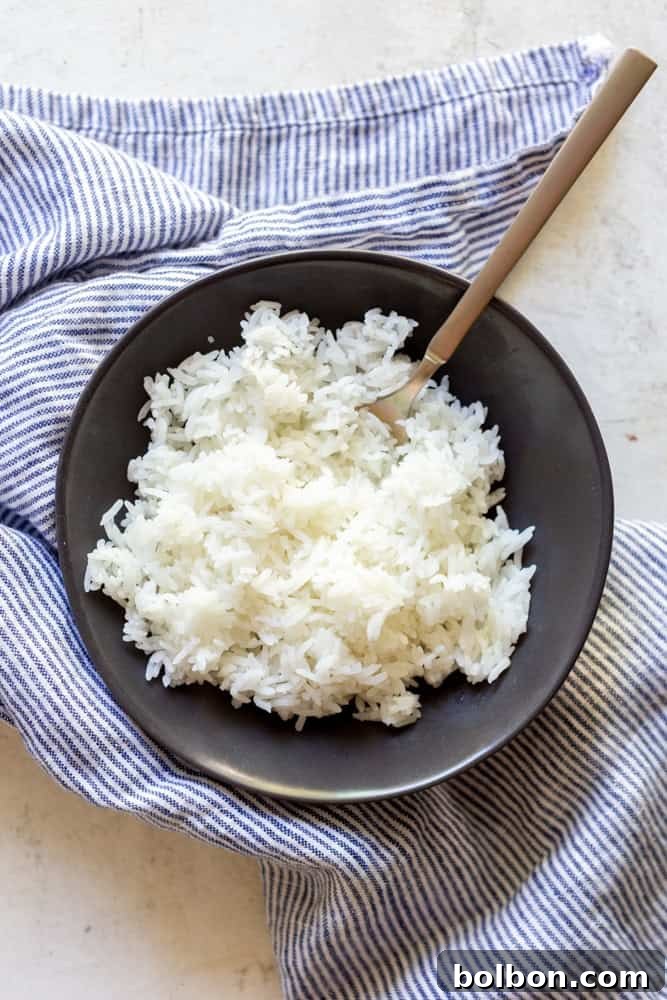
Unlock the secret to consistently perfect, fluffy white rice with this ultimate guide. Bid farewell to mushy, sticky, or undercooked grains, and master the art of stovetop rice cooking without the need for a fancy rice cooker. This comprehensive step-by-step method will transform your kitchen experience, ensuring you achieve restaurant-quality rice every single time. Whether it’s a staple for your weeknight stir-fries, a comforting base for your curries, or a simple, elegant side dish, perfectly cooked white rice is an essential skill for any home cook.
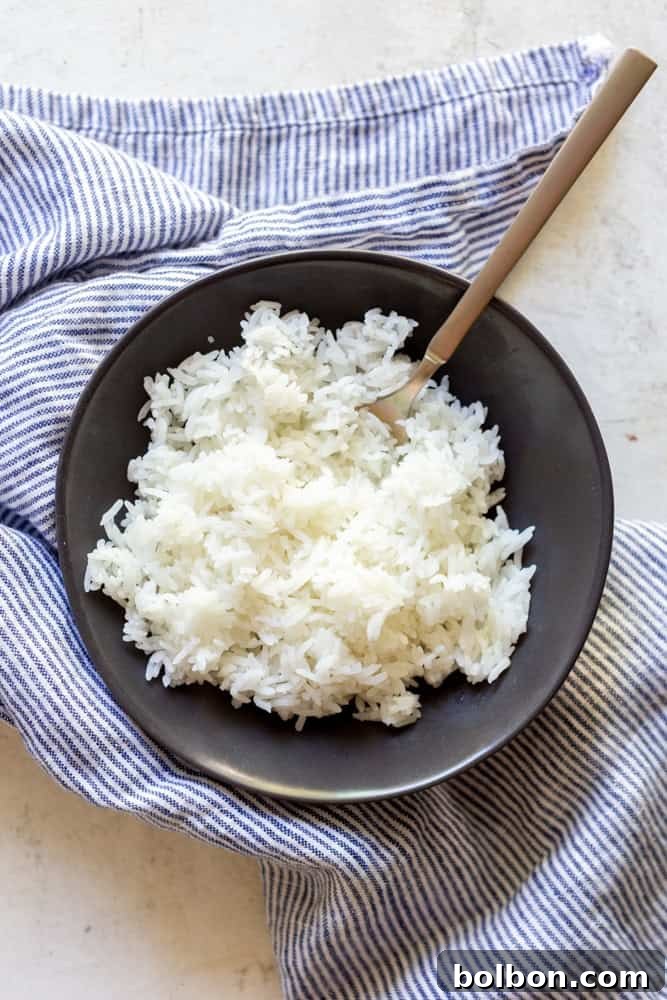
Rice holds a truly global appeal, serving as a foundational ingredient and a beloved side dish in countless cuisines across the world. In many households, including ours, it appears on the dinner table several times a week, effortlessly complementing a diverse range of main courses. From vibrant Asian stir-fries and rich Indian curries to hearty Mexican taco bowls and simple roasted proteins, the versatility of white rice is unmatched. It acts as a delightful canvas, soaking up flavors and adding a satisfying texture to almost any meal.
Despite its ubiquitous presence and seemingly straightforward preparation, many aspiring cooks find themselves grappling with the challenge of cooking white rice to perfection. The common pitfalls include rice that’s either too gummy and mushy, lacking distinct grain separation, or conversely, too crunchy and undercooked. Often, it’s also bland and under-seasoned, turning what should be a comforting and delicious staple into a disappointing culinary mishap. This guide aims to demystify the process, providing clear, actionable steps to ensure your rice is always light, fluffy, and perfectly seasoned.
Essential Tips for Cooking Fluffy White Rice on the Stovetop
A common misconception is that a specialized rice cooker is indispensable for achieving perfectly cooked rice. While rice cookers offer convenience, they are far from a necessity. Generations of home cooks have mastered the art of stovetop rice using nothing more than a simple pot. My own experience, having learned from my mother, confirms that with the right technique and a few basic tools, you can achieve results that rival or even surpass those from any appliance. To cook flawless rice on your stove, you’ll primarily need a small saucepan with a snug-fitting lid, and a fine mesh strainer will prove incredibly helpful.
- Select the Right Pot Size: The dimensions of your saucepan play a crucial role in proper rice cooking. Using a pot that is too large for the amount of rice you’re preparing can cause the water to evaporate too quickly, leading to unevenly cooked or crunchy grains. For a standard serving of one cup of dry rice, a 2.5-quart saucepan with a tight-fitting lid is ideal. This size ensures the water level remains consistent, allowing the rice to absorb moisture evenly and steam properly.
- Rinse Your Rice Thoroughly: This simple yet often overlooked step is key to preventing gummy or sticky rice. Rinsing long-grain white rice, such as Jasmine or Basmati, under cool running water helps to remove excess surface starch. This starch, if left on the grains, can cause them to clump together and become glue-like during cooking. Continue rinsing until the water runs clear, using a fine mesh strainer for ease and efficiency.
- Master the Rice to Water Ratio: Achieving the correct balance between rice and water is fundamental for perfectly cooked grains. For most long-grain white rice varieties, a ratio of 1 cup of dry rice to 1.5 cups of water is consistently effective. This ratio allows the rice to fully absorb the liquid and steam to a tender, fluffy consistency without becoming waterlogged or dry. Deviating too much from this can lead to undesirable results, so precise measurement is important.
- Season Appropriately with Salt: Never underestimate the power of proper seasoning. Adding salt to the cooking water before it comes to a boil is essential for infusing flavor directly into each grain of rice. This method ensures that the rice is seasoned from within, resulting in a perfectly balanced and flavorful side dish that enhances any meal. For one cup of rice, about ½ teaspoon of kosher salt is a good starting point, but adjust to your taste preferences.
How to Cook Perfect White Rice on the Stovetop: Step-by-Step Guide
Follow these detailed instructions to prepare beautifully fluffy and tender long-grain white rice that will impress every time. This method ensures even cooking and optimal texture.
- Prepare the Water: Begin by adding 1.5 cups of cold water to a small (2.5 quart) saucepan. Stir in 1/2 a teaspoon of kosher salt. Place the saucepan on your stovetop over medium-high heat and bring the water to a rolling boil. The salt is crucial for seasoning the rice from the inside out, making it flavorful rather than bland.
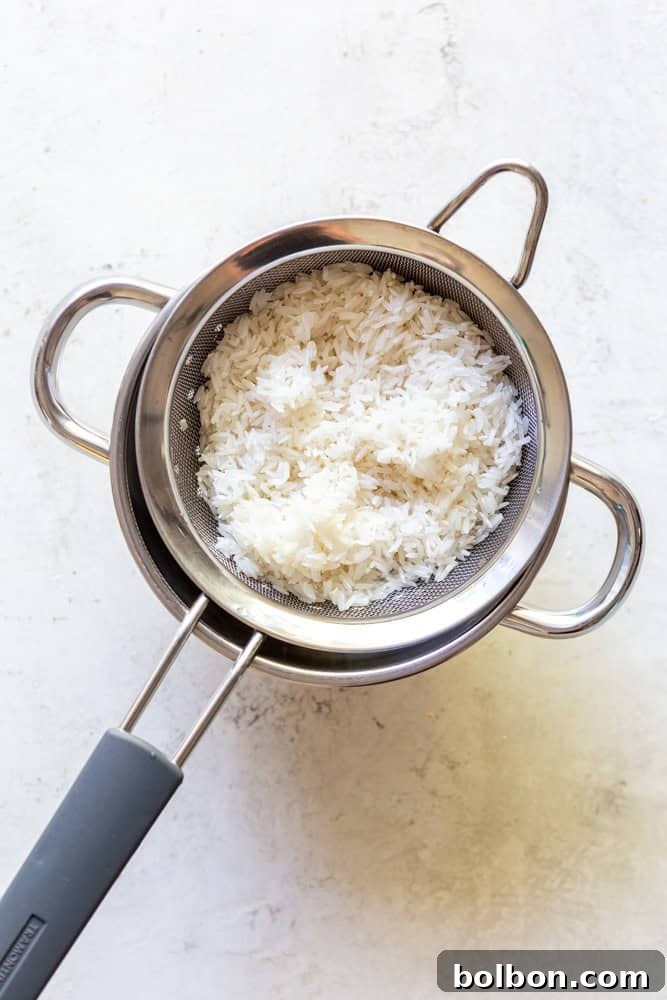
- Rinse the Rice: While the water is heating, measure out one cup of dry long-grain white rice (such as Jasmine or Basmati). Transfer the rice to a fine mesh strainer. Rinse the rice thoroughly under cool running tap water. Gently agitate the grains with your hand or a spoon. Continue rinsing until the water flowing through the strainer runs completely clear, indicating that most of the excess starch has been removed. Allow any remaining excess water to drain from the rice.
- Combine and Cover: Once the salted water in the saucepan has reached a vigorous boil, carefully add the rinsed and drained rice to the pot. Give the rice a quick, gentle stir with a spoon to ensure all the grains are submerged in the water and evenly distributed across the bottom of the pan. Immediately place the lid firmly back on the saucepan, ensuring it fits tightly to trap steam.
- Reduce Heat and Simmer: After adding the rice and replacing the lid, the water’s temperature may drop slightly. Allow the water to return to a gentle simmer, which should happen quickly. As soon as you see small bubbles breaking the surface, immediately reduce the heat to its absolute lowest setting. This step is critical; cooking at too high a heat will cause the water to evaporate too quickly and burn the rice.
- Cook and Steam: Let the rice cook undisturbed on the lowest heat setting for exactly 15 minutes. During this time, resist the temptation to lift the lid, as this releases precious steam essential for even cooking. Once the 15 minutes are up, remove the pan completely from the heat. Carefully remove the lid, then immediately place a clean kitchen towel or dishcloth directly over the top of the pot. Replace the lid firmly over the dish towel. The towel will absorb any condensation, preventing it from dripping back onto the rice and making it mushy.
- Rest and Fluff: Allow the rice to sit, undisturbed and covered with the towel and lid, for another 10 minutes off the heat. This resting period is vital, allowing the remaining steam to fully cook the grains, making them tender and fluffy, and ensuring the bottom doesn’t stick. After 10 minutes, remove the lid and the dish towel. Using a fork, gently fluff the rice to separate the grains. Serve immediately as a perfect accompaniment to your meal.
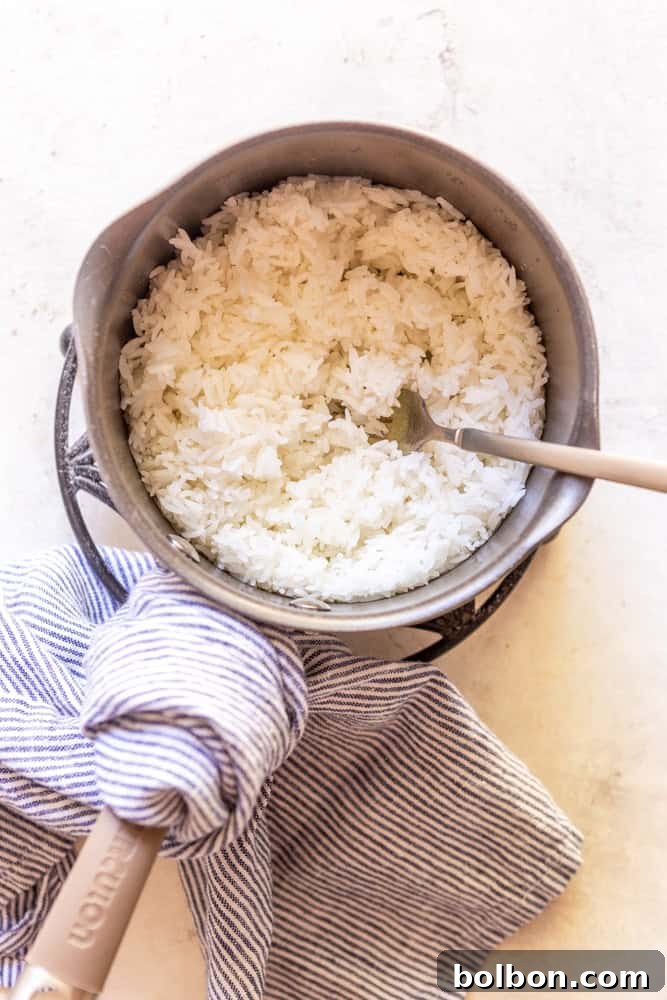
The Science Behind Fluffy Rice: Why These Steps Matter
Understanding the principles behind each step can help you consistently achieve perfect rice. When you boil water with salt, the salt dissolves evenly, seasoning every grain. Rinsing the rice removes loose starches from the surface. Without rinsing, these starches turn into a sticky, gummy layer during cooking, causing the grains to clump together. The precise water-to-rice ratio ensures that there’s just enough liquid for the rice to absorb without becoming waterlogged or left with uncooked pockets. A tight-fitting lid is paramount for trapping steam, which is the primary cooking medium once the liquid is absorbed. Reducing the heat to its lowest setting after the initial boil ensures gentle simmering and prevents rapid evaporation, allowing the rice to steam slowly and evenly. Finally, the crucial resting period, with the addition of a dish towel, allows the rice to finish cooking with residual heat and steam, while the towel absorbs excess moisture, preventing a soggy outcome. This last step is what truly sets perfectly fluffy rice apart from merely cooked rice.
Troubleshooting Common White Rice Problems
Even with the best instructions, sometimes things go awry. Here’s how to troubleshoot common issues:
- Rice is Too Mushy or Gummy: This is usually a result of too much water or not enough rinsing. Ensure you are using the exact 1:1.5 rice-to-water ratio. Also, make sure you rinse your rice thoroughly until the water runs completely clear. If it happens again, try reducing the water by a tablespoon or two next time.
- Rice is Crunchy or Undercooked: This indicates too little water, too high heat causing rapid evaporation, or not enough cooking time. Double-check your water measurement. Ensure your lid is tight-fitting and you don’t lift it during the 15-minute cooking period. Make sure the heat is on the lowest setting for the entire cook time. If your rice is slightly crunchy after resting, you can add a tablespoon or two of hot water, replace the lid and towel, and let it steam for another 5 minutes.
- Rice Sticks to the Bottom of the Pan: This can happen if the heat is too high, or if your pan is not non-stick. Ensure the heat is at its absolute lowest setting during the simmering phase. Using a good quality non-stick saucepan is also highly recommended.
- Rice is Bland: Not enough salt! Always add salt to the cooking water. You can also add a knob of butter or a splash of olive oil to the water for extra flavor and to help separate the grains.
Helpful Equipment for Perfect Rice
While you don’t need a professional kitchen setup, having these basic tools will significantly improve your rice-cooking experience:
- Small Saucepan (2.5-quart) with a tight-fitting lid: Essential for containing steam and allowing even cooking. A non-stick option makes cleanup easier.
- Fine Mesh Strainer: Crucial for rinsing rice effectively, removing excess starch that can lead to stickiness.
- Glass Measuring Cup for Water: Provides accurate liquid measurements, vital for the correct rice-to-water ratio.
- Dry Measuring Cup for Rice: Ensures precise measurement of dry ingredients.
- Clean Kitchen Towel: For absorbing condensation during the resting phase, preventing soggy rice.
- Fork: For gently fluffing the rice without crushing the grains.
Delicious Dishes to Serve with Perfect White Rice
Perfectly cooked white rice is incredibly versatile, making it an ideal accompaniment for a vast array of global dishes. Its neutral flavor and fluffy texture allow it to absorb and complement the boldest flavors, acting as a balancing element in your meal. Consider pairing your freshly made rice with some of these delicious options:
- Easy Sesame Chicken: The sweet and savory notes of sesame chicken are beautifully grounded by fluffy white rice.
- Garlic Butter Baked Salmon: The rich, buttery flavor of salmon finds a light and absorbent partner in white rice, creating a balanced and healthy meal.
- Sesame Ginger Steak Skewers: The robust flavors of grilled steak marinated in sesame and ginger are perfectly complemented by a bed of tender rice.
- Honey Garlic Pork Stir Fry: A classic pairing, the sweet and savory sauce of a pork stir-fry is excellent spooned over warm, fluffy rice.
- Ground Beef and Green Bean Stir Fry: A simple yet satisfying stir-fry that becomes a complete meal when served with perfectly cooked white rice.
- Authentic Curries: From creamy Kormas to spicy Vindaloos, rice is the essential companion to soak up rich curry sauces.
- Hearty Stews and Soups: Serve rice alongside or directly in your favorite stews for added substance and comfort.
- Mexican-Inspired Bowls: Create custom burrito or taco bowls with rice as the base, topped with beans, salsa, avocado, and protein.
- Simple Roasted Vegetables and Protein: For a clean and healthy meal, rice pairs wonderfully with roasted chicken, fish, or a medley of seasonal vegetables.
How to Cook Long Grain White Rice
Print Recipe
Ingredients
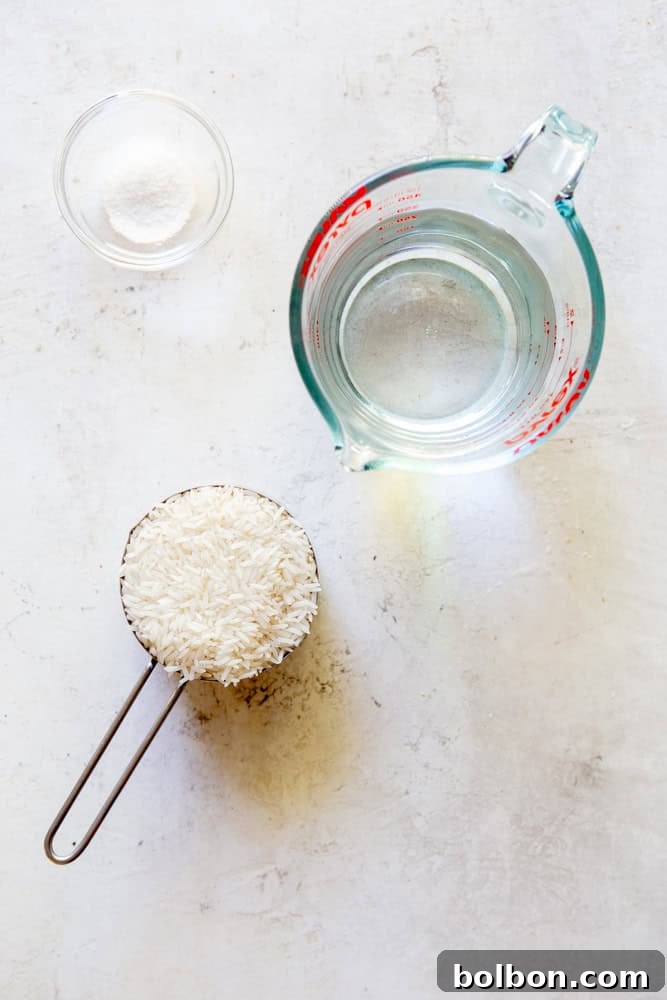
- 1 cup long grain white rice such as Jasmine or Basmati
- 1.5 cups water
- 1/2 teaspoon kosher salt I recommend Diamond Crystal Kosher Salt.
Instructions
-
Using a small (2.5 quart) saucepan, bring 1.5 cups of water and 1/2 a teaspoon kosher salt to a rolling boil over medium-high heat.
-
Meanwhile, add one cup of dry long grain white rice to a mesh strainer. Rinse rice thoroughly under cool running water until the water runs clear. Allow any excess water to drain.
-
When the salted water has reached a boil, add the rinsed rice, give a quick, gentle stir to ensure all rice is submerged, then immediately replace the lid, ensuring a tight seal.
-
Allow the water to come back to a gentle simmer (small bubbles), then immediately reduce heat to the lowest possible setting. Do not lift the lid.
-
Cook the rice on low for 15 minutes. After 15 minutes, remove the pan from the heat. Carefully remove the lid, then immediately place a clean dish towel or kitchen cloth over the pot. Replace the lid firmly over the dishtowel.
-
Allow the rice to sit undisturbed for 10 minutes (off the heat). This resting period is crucial for perfect fluffiness. Then, remove the lid and dish towel, fluff the rice gently with a fork, and serve immediately.
Notes
Reheating: To reheat, sprinkle a tablespoon or two of water over the rice, cover, and microwave or heat on the stovetop over low heat until warmed through. The added water helps to restore moisture and prevent drying out.
Nutrition
Nutrition information is automatically calculated and should only be used as an approximation. Dietary needs may vary.