

There’s an undeniable joy in baking, especially when the result is a perfectly moist, wonderfully fragrant cake that requires minimal effort. Building on the runaway success of my beloved Whole Orange Blender Cake, I’m thrilled to introduce its equally enchanting cousin: the Whole Lemon Blender Cake. This recipe was born from countless requests and a shared enthusiasm for simple yet spectacular baking, proving that sometimes, the best recipes are the easiest to make. Prepare yourself for a delightful journey into the world of citrus desserts, where convenience meets gourmet flavor.
Unlike typical lemon loaves that rely on zest and juice, this extraordinary cake incorporates the entire lemon, creating an unparalleled depth of flavor and an incredibly tender crumb. The secret lies in the star ingredient: **Meyer lemons** 🍋. These unique lemons boast a much thinner, almost sweet skin and a less acidic, more floral pulp compared to their common counterparts. This makes them the ideal choice for a whole-fruit cake, ensuring a beautifully balanced, perfectly citrusy, and never bitter result. Each slice of this fluffy, moist cake is a testament to the magic of using whole ingredients, delivering a vibrant burst of lemon goodness in every bite.

Why This Whole Lemon Blender Cake Will Become Your Go-To Recipe
This isn’t just another lemon cake; it’s a culinary revelation for anyone who loves fresh, zesty flavors without the fuss. My Whole Lemon Blender Cake is designed for both novice bakers and seasoned pros who appreciate efficiency and delicious outcomes. Here’s why this recipe deserves a permanent spot in your kitchen:
- Effortless Preparation: Forget the tedious steps of zesting, juicing, and meticulously mixing. This recipe champions simplicity, requiring only about 10 minutes of active prep time. All ingredients are simply tossed into a high-powered blender, making cleanup a breeze and getting you from craving to cake in record time.
- Unforgettable Flavor Profile: Thanks to the use of whole Meyer lemons, this cake offers a complex, aromatic lemon flavor that’s bright, sweet, and perfectly balanced, without any harsh bitterness. The thin skin of Meyer lemons blends seamlessly, infusing the entire cake with their unique citrus essence.
- Incredibly Moist & Tender Texture: The blender method ensures a perfectly emulsified batter, resulting in an exceptionally fluffy, moist, and tender loaf that practically melts in your mouth. It’s a texture that will have everyone asking for the recipe.
- Irresistible Sweet Lemon Glaze: Crowned with a simple yet decadent sweet lemon glaze, this cake achieves peak lemony goodness. The glaze adds an extra layer of sweetness and a beautiful sheen, enhancing both the flavor and presentation.
- A Healthier Indulgence: By using whole fruit and healthier oil alternatives, this cake offers a more wholesome treat without sacrificing flavor. It’s a dessert you can feel good about enjoying.
- Starbucks-Quality, Homemade Comfort: If you’ve ever dreamt of recreating that iconic Starbucks lemon loaf experience at home, this is your answer. This recipe delivers all the beloved flavors and textures, with the added satisfaction and freshness of a homemade creation.

Crafting Your Perfect Whole Lemon Blender Cake: A Step-by-Step Guide
Preparing this exquisite lemon cake is surprisingly straightforward. Follow these simple steps to achieve a perfectly baked, incredibly flavorful loaf every time. The key is in the preparation and mindful blending.
Prepping for Perfection
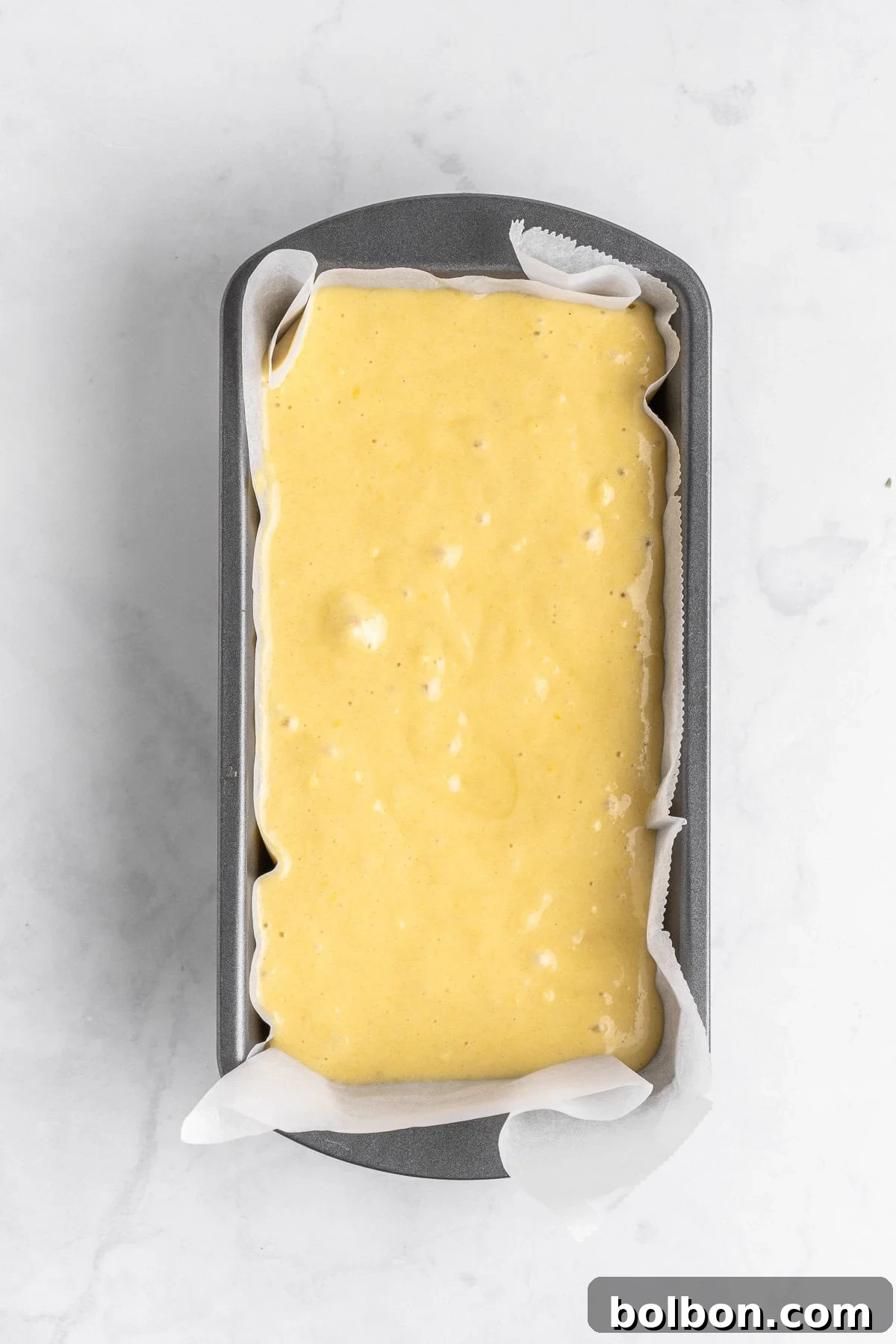
🔥 Before you begin, ensure your oven is accurately preheated. Set it to 350°F (180°C). Proper preheating is crucial for an even rise and golden crust. Next, prepare your loaf pan. I recommend lining a loaf pan with parchment paper, leaving an overhang on the longer sides. This creates “handles” that make removing the cooled cake incredibly easy and mess-free. Finish by lightly spraying the parchment paper with baking spray or a little avocado oil. This double layer of protection guarantees your cake won’t stick and will release beautifully.
The All-Important Lemon Preparation
🍋 Since we’re using the entire lemon, thorough cleaning is essential. Wash your Meyer lemon well under running water, gently scrubbing the skin. For an extra layer of cleanliness, you can soak the lemon in a solution of 1/4 cup vinegar to 2 cups water for 5-10 minutes, then rinse it thoroughly. After washing, quarter the lemon and carefully remove any visible seeds. Meyer lemons typically have fewer seeds, but it’s important to check to avoid any unpleasant bitter notes in your cake.
Blending Your Way to Bliss
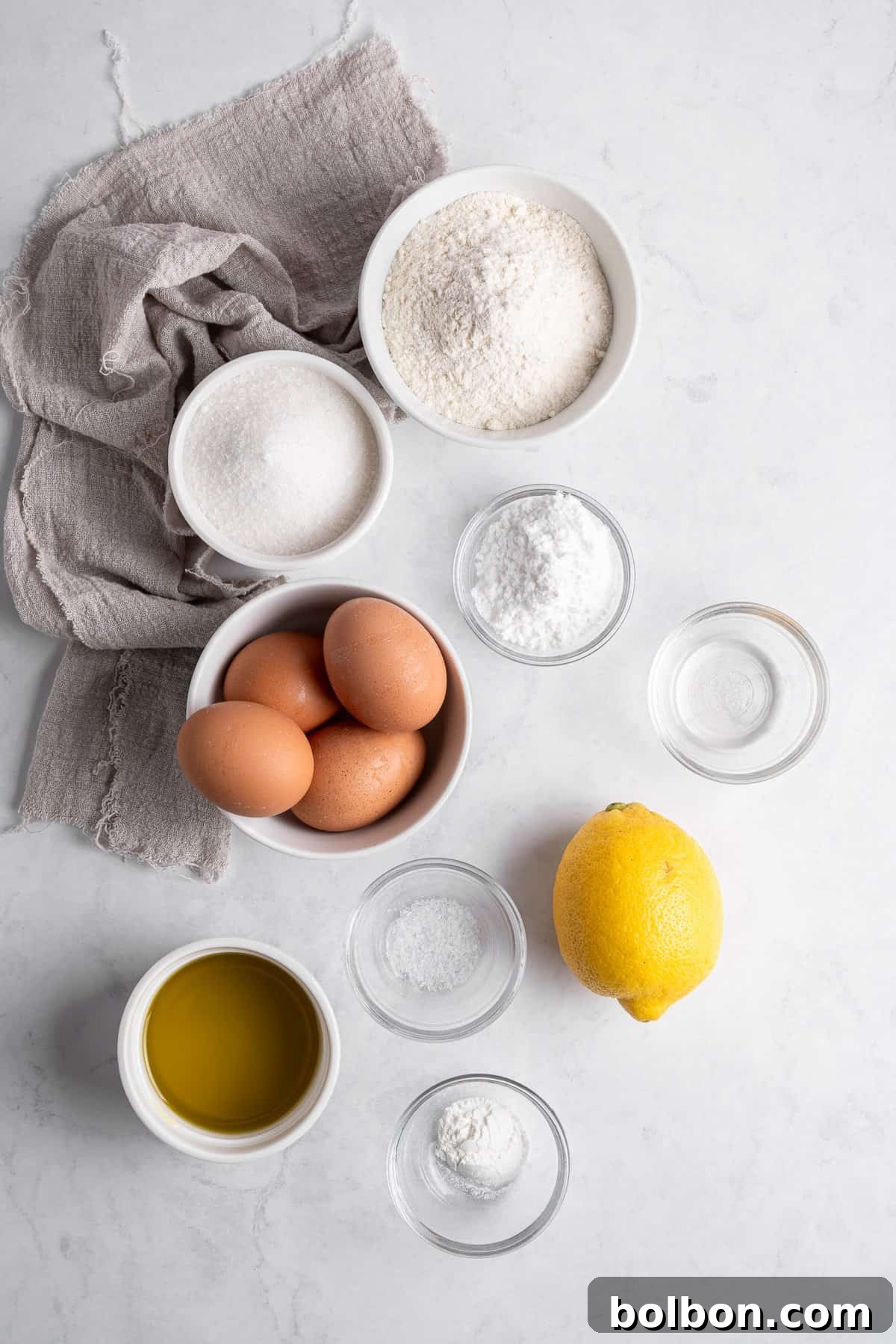
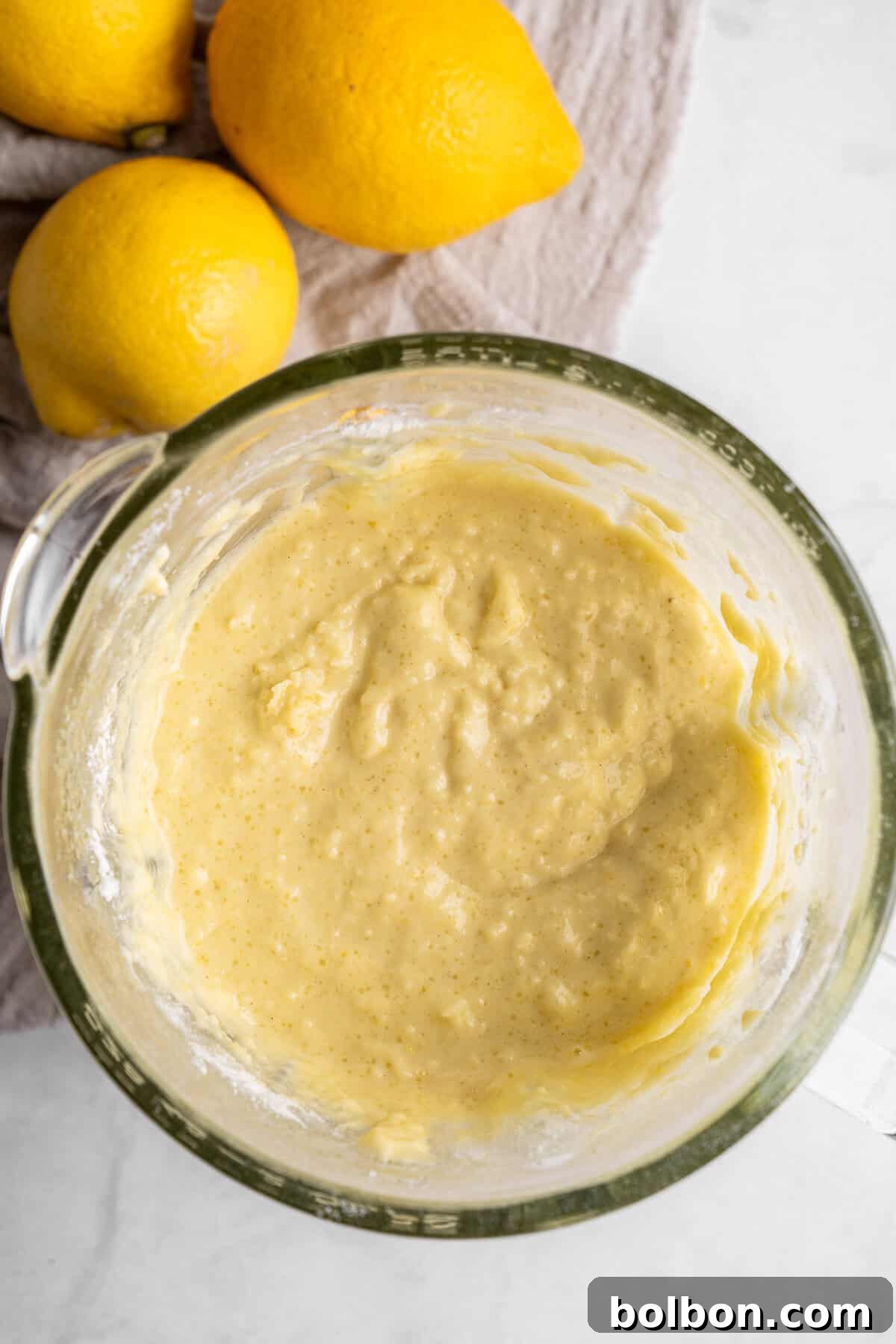
🌀 This is where the magic happens! Add all the cake ingredients to a high-powered blender. Crucially, start with the wet ingredients first (eggs, oil, sugar, lemon extract, and the quartered lemon). Layering wet ingredients at the bottom helps the blades catch and process everything smoothly, preventing the blender from getting stuck. Once all ingredients are in, blend for approximately 15-20 seconds, or until a thick, pourable batter forms. The key here is to DO NOT OVER-BLEND! Over-blending can break down the white pith of the lemon too much, which can introduce bitterness to your cake. A quick pulse until just combined is all you need to achieve a smooth, uniform batter.

Baking to Golden Perfection
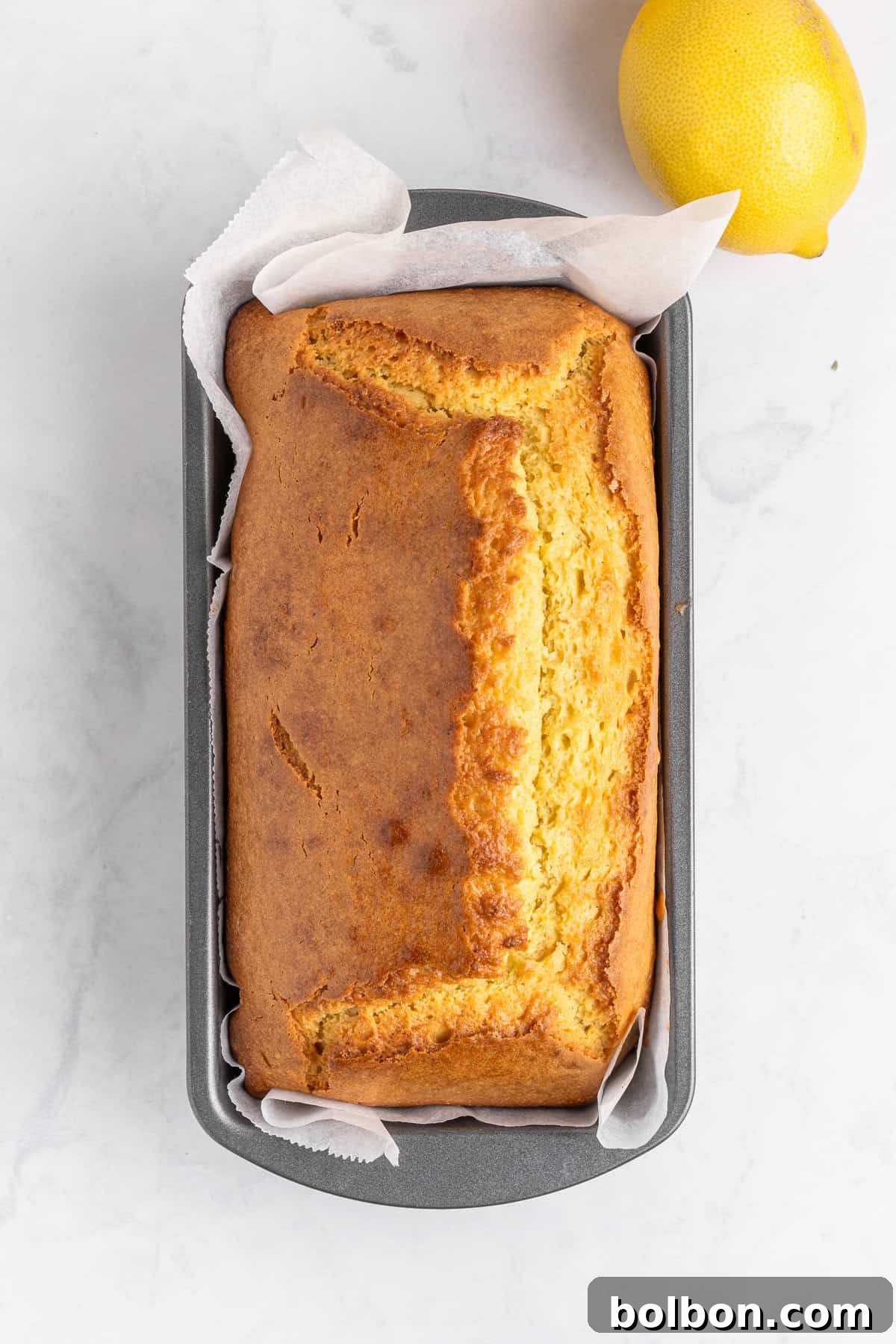
♨️ Gently pour the prepared batter into your lined loaf pan. Transfer it to the preheated oven and bake for 45-50 minutes. Baking times can vary slightly depending on your oven and the specific pan you use, so keep an eye on it. To check for doneness, insert a toothpick into the center of the cake, about 2 inches from the side. If it comes out clean or with a few moist crumbs, your cake is ready. A toothpick inserted directly into the very center might still be gooey due to residual heat, so aiming slightly off-center is a good practice.
Cooling and Glazing for an Exquisite Finish
🧊 Once baked, remove the cake from the oven and let it cool in the loaf pan for at least 10 minutes. This resting period allows the cake to firm up and prevents it from crumbling when you remove it. After 10 minutes, use the parchment paper overhangs to carefully lift the cake out of the pan and transfer it to a wire rack to cool completely. Allowing it to cool fully on a wire rack ensures air circulation, preventing the bottom from becoming soggy.
❄️ Once the cake has cooled completely, it’s ready for its crowning glory: the sweet lemon glaze. This simple glaze is made by whisking together powdered sugar and fresh lemon juice until it reaches your desired pourable consistency. Drizzle generously over the cooled cake, allowing it to cascade down the sides. The glaze will set beautifully, adding a lovely tang and sweetness. If you prefer a simpler finish, a dusting of powdered sugar or even serving it plain is also perfectly delightful. Enjoy your homemade lemon masterpiece!

Nonna’s Expert Tips for a Flawless Blender Cake 🍋
Achieving the perfect Whole Lemon Blender Cake relies on a few key insights. My top recommendation is to use a Meyer lemon whenever possible. Their naturally sweeter, less tart flavor and notably thinner skin are perfectly suited for blending whole. This results in a superior cake with a delicate, aromatic lemon profile.
The most crucial rule for any blender cake is: Do NOT over-blend! Blending for too long can over-process the lemon pith (the white part under the peel), which is naturally bitter. This bitterness will be incorporated into your cake, compromising its delicious flavor. Aim for quick pulses, around 15-20 seconds, just until the batter is smooth and pourable. If your blender isn’t powerful enough (I personally use a Vitamix for its robust performance), don’t despair! You can still make this cake by zesting the lemon, then peeling it, and adding the zest and peeled lemon segments to the blender. This ensures you still get that wonderful whole-fruit flavor without the risk of bitterness from under-processed pith.

Unleash Your Creativity: Whole Lemon Blender Cake Variations and Substitutions
This Whole Lemon Blender Cake recipe is wonderfully versatile, offering plenty of room for personalization. Feel free to experiment with these variations to create a cake that perfectly suits your dietary needs or flavor preferences. Remember to make small adjustments and observe how they affect the texture and taste!
- Flour Alternatives: While all-purpose flour provides a classic texture, you can explore other options. Consider whole wheat flour for a nuttier, more wholesome flavor, or oat flour for a softer crumb. For unique textures and flavors, almond flour or 🥥 coconut flour can be used, but these absorb liquids differently, so you will need to carefully experiment and adjust the quantities of wet ingredients to maintain the correct batter consistency.
- Gluten-Free Options: For those seeking a gluten-free treat, a 1-to-1 gluten-free all-purpose flour blend is a promising alternative. However, results can vary between brands, so a test bake is highly recommended to ensure the desired texture and rise.
- Glaze and Topping Variations: The sweet lemon glaze is a classic, but your options don’t end there. A simple dusting of powdered sugar adds an elegant touch, or you can opt to leave the cake plain, allowing the natural lemon flavor to shine. Consider a cream cheese frosting for a richer, more decadent finish.
- Natural Sweeteners: If you’re looking to reduce refined sugar, this recipe is adaptable. Experiment with natural sweeteners like 🍯 honey, maple syrup, or even monk fruit sweetener. Be mindful that these alternatives can alter the cake’s moisture and sweetness levels, so adjust to taste.
- Nutty Additions: Introduce a delightful crunch and extra flavor by folding in chopped nuts such as walnuts, pecans, or almonds into the batter just before baking. This adds a wonderful textural contrast.
- Lemon-Poppy Seed Twist: Elevate your cake with a timeless combination. Stir in some poppy seeds to create a delicious and visually appealing lemon-poppy seed version. About 1-2 tablespoons should be sufficient.
- Textural Delights: For an intriguing texture and subtle flavor enhancement, consider adding shredded coconut or finely grated 🥕 carrots to the batter. These additions also contribute extra moisture to the cake.
Explore More Blender Cake Creations & Similar Delights
If you’ve fallen in love with the ease and incredible flavor of this Whole Lemon Blender Cake, you’re in luck! The world of whole-fruit blender cakes is full of delicious possibilities. Here are some other recipes you might enjoy, perfect for expanding your repertoire of effortless yet impressive baked goods.
Whole Orange Blender Cake
55 mins
Clementine Cake
55 mins
Orange Lemon Cake
35 mins
Carrot Cake
Perfect Pairings: Best Served With
This versatile Whole Lemon Blender Cake is delightful on its own, but its bright, refreshing flavor truly shines when paired with the right accompaniments. Here are some suggestions to elevate your lemon cake experience:
- Morning Coffee or Afternoon Tea: A slice of this moist lemon cake is the ultimate companion to a warm cup of coffee, perhaps an Italian Affogato, or a soothing cup of herbal tea 🫖. It’s perfect for a leisurely breakfast or a comforting afternoon snack.
- Fresh Berries: The tartness of fresh raspberries, blueberries, or sliced strawberries beautifully complements the sweet-tart lemon flavor. A dollop of whipped cream alongside makes it an exquisite dessert.
- Vanilla Ice Cream or Greek Yogurt: For a more indulgent treat, serve a warm slice with a scoop of creamy vanilla ice cream. Alternatively, a spoonful of plain Greek yogurt can add a lovely tangy contrast.
- Brunch Centerpiece: This beautiful loaf makes an excellent addition to any brunch spread, offering a light yet satisfying option that guests are sure to adore.
- Lemon Curd: For the ultimate lemon lover, a spoonful of homemade lemon curd alongside a slice takes the citrus experience to a whole new level.
Your Questions Answered: Whole Lemon Blender Cake FAQ
Here are some of the most common questions I receive about making this Whole Lemon Blender Cake, along with detailed answers to help you achieve perfect results every time.
What type of Lemon should I use for this recipe?
I highly recommend using Meyer lemons for this recipe. They are distinctly sweeter and less tart than regular lemons, with a thinner skin that blends incredibly well. This results in a cake with a wonderfully balanced, floral lemon flavor without any harshness. While you can use a regular lemon, be extra cautious not to over-blend, as their thicker pith can introduce bitterness if processed too much.
What happens if I over-blend this cake batter?
It is absolutely crucial not to over-blend the batter. Blending for too long, especially with regular lemons, can excessively break down the white pith beneath the lemon peel. The pith contains bitter compounds, and over-processing it will release these into your batter, resulting in a noticeably bitter cake. Aim for quick pulses, blending for no more than 15-20 seconds, just until the batter is smooth and well-combined.
How long should I blend the batter for optimal results?
For the best flavor and texture, blend the batter for only about 15-20 seconds in a high-powered blender. This is just enough time to fully incorporate the ingredients and break down the whole lemon without over-processing the pith. If your blender isn’t particularly powerful, or if you’re using a regular lemon, it’s safer to zest the lemon first, then peel it, and add the zest and peeled lemon segments to the blender instead of the whole fruit to prevent any bitterness.
Can I make this lemon cake gluten-free?
I have not personally tested a gluten-free version of this specific recipe, but many bakers have found success using a 1-to-1 gluten-free all-purpose flour blend for baking. When substituting gluten-free flours, it’s often a good idea to monitor the batter consistency and potentially adjust liquid amounts slightly, as different flours absorb moisture differently. If you try it, please share your results in the comments!
Would this recipe work with clementines or other citrus fruits?
Absolutely! This recipe is incredibly adaptable to other citrus fruits. I have successfully tested it with clementines, and the results are fantastic. For a delightful alternative, you can find my dedicated Whole Clementine Blender Cake recipe linked here, offering a slightly different, equally delicious flavor profile.
Could I add poppy seeds to this recipe for a lemon-poppy seed cake?
Yes, absolutely! Adding poppy seeds is a wonderful idea for a classic lemon-poppy seed cake variation. Simply stir 1-2 tablespoons of poppy seeds into the batter after blending, just before pouring it into the loaf pan. They add a lovely texture and a subtle, nutty flavor that pairs beautifully with the lemon.
Can I adjust the recipe for keto, low-carb, or other dietary preferences?
Adjusting for specific dietary preferences like keto or low-carb will require some experimentation. You could try substituting the granulated sugar with a 1-to-1 monk fruit sweetener or another preferred sugar alternative. For flour, you would need to explore suitable low-carb or keto-friendly flour options, keeping in mind that these often require adjustments to liquid content and can affect the cake’s texture. I encourage you to experiment and share your findings in the comments to help others in the community!
How can I adjust the sweetness of the cake?
This recipe is designed to be perfectly sweet, but not overly so, allowing the natural lemon flavor to shine. If you prefer a sweeter baked good, feel free to add an extra tablespoon or two of granulated sugar to the batter. Conversely, if you’re looking to cut down on sugar, you can reduce the amount slightly, perhaps by 1/4 cup, keeping in mind that sugar also contributes to moisture and tenderness.
How will I know when the cake is done baking?
The most reliable way to check for doneness is to insert a toothpick into the center of the cake, about 2 inches from the side of the pan. If the toothpick comes out clean or with a few moist crumbs attached, your cake is done. Remember that baking times can vary significantly between different ovens and types of pans, so always keep a close eye on your cake as it nears the end of the suggested baking window.
What type of pan do you use for this recipe?
I typically use a ceramic, non-stick loaf pan for this recipe, which helps with even baking and easy release. You can certainly use other types of loaf pans, such as metal or glass. However, be aware that different materials conduct heat differently, which may slightly alter your baking time. Always keep a close watch on the cake, adjusting the baking duration as needed.
How do you prepare the pan for baking to prevent sticking?
For the easiest cleanup and cake removal, I highly recommend lining your loaf pan with parchment paper, leaving an overhang on the longer sides to create “handles.” After lining, lightly spray the parchment paper with baking spray or a neutral oil. If you prefer, you can also butter and flour the pan, ensuring all surfaces are thoroughly coated to prevent any sticking.
How do I store whole lemon blender cake to maintain freshness?
To keep your Whole Lemon Blender Cake fresh and moist, store it covered tightly at room temperature. It will remain delicious for a few days on the counter. While it’s unlikely to last much longer than that due to its irresistible taste, if you need to store it for an extended period, you can wrap individual slices tightly in plastic wrap and then foil, then freeze them for up to 3 months. Thaw at room temperature when ready to enjoy.
Can I use an orange instead of a Meyer lemon in this recipe?
Yes, absolutely! This recipe framework works beautifully with oranges. In fact, it’s the inspiration for this lemon version! I have a perfected recipe specifically for this variation: my Whole Orange Blender Cake, which I highly recommend if you’re craving a delicious orange-infused treat.
Could I use almond flour in place of all-purpose flour?
I haven’t personally tested this specific cake with almond flour, so you would need to experiment. Almond flour behaves very differently from all-purpose flour; it’s denser and absorbs more liquid, which can significantly alter the cake’s texture and structure. If you choose to experiment, start by substituting a portion of the all-purpose flour with almond flour and be prepared to adjust other ingredients, especially liquids, until you achieve a consistency similar to the original batter.
How should I clean my lemons before using them whole in a recipe?
Thoroughly cleaning your lemons is essential when using them whole. Beyond a good scrub under running water, I recommend soaking them in a solution of 1/4 cup white vinegar and 2 cups of water for 5-10 minutes. After soaking, gently scrub the lemons to remove any lingering impurities or wax. Rinse them very well under cold water before quartering and adding them to your blender. This ensures the best, cleanest flavor in your cake.
Can I use a food processor instead of a blender for this recipe?
Yes, you can use a food processor. However, the effectiveness will depend on its power. Food processors typically don’t create as smooth a consistency as a high-powered blender. If using a food processor, especially for regular lemons with thicker pith, I highly recommend peeling the lemon first and using only the peeled fruit segments along with its zest. This prevents large chunks of pith from being incorporated, which could lead to a bitter cake.
What type of oil can I use for this recipe?
Any neutral-flavored oil will work wonderfully for this cake. My preferred choice is avocado oil due to its mild taste and healthy fat profile, but you can also use light olive oil, vegetable oil, or canola oil. If you prefer, melted butter can also be substituted for the oil, which will lend a richer, more traditional buttery flavor to the cake.
Can I substitute butter for the oil in this recipe?
Yes, absolutely! Melted butter makes an excellent substitute for oil in this recipe. It will impart a slightly richer flavor and a denser crumb compared to oil, but the cake will still be wonderfully moist and delicious. Ensure the butter is fully melted and slightly cooled before adding it to the blender with the other wet ingredients.
Would this recipe work in a Nutribullet or similar personal blender?
A Nutribullet or other personal blenders are generally less powerful than full-sized high-speed blenders. While you might be able to make the batter, I would strongly advise peeling the lemon entirely before blending. Even with Meyer lemons, their skins might not fully break down in a less powerful blender, and the pith could lead to bitterness. For best results, zest and peel the lemon, then blend the segments and zest.
What if my cake comes out too dense and not fluffy or moist?
If your cake turns out dense, rather than light, fluffy, and moist, the most common culprit is expired baking powder. Baking powder is a leavening agent that helps the cake rise. If it’s old, it loses its potency. Always check the expiration date on your baking powder before use. Additionally, ensure you’re not over-mixing the batter (beyond the quick blend in this recipe) as this can develop the gluten too much, leading to a tough cake.
How can I check if my baking powder is still good and hasn’t expired?
It’s a great habit to test your baking powder, especially if you’re unsure of its age. To check, simply add ½ teaspoon of baking powder to ¼ cup of hot water. If the mixture immediately fizzes and bubbles vigorously, your baking powder is still active and good to use. If there’s little to no reaction, it has lost its leavening power and should be discarded. Using expired baking powder is a common reason for cakes not rising properly, resulting in a flat, dense texture.
Why are the metric weights of ingredients sometimes different from what I measure?
This is a very common question, and it highlights the variability in baking! The weight of ingredients can differ due to several factors: the brand and density of the ingredient itself (e.g., different flours can have different weights per volume), the brand and style of measuring cups/spoons (wet vs. dry measures), and crucially, the technique for measuring. For example, scooping flour directly can compact it, making it weigh more than spooning it lightly into a cup. For the most consistent and accurate results, always aim to go by the weight listed in the recipe, if provided, and use a kitchen scale.
Whole Lemon Blender Cake
Facebook Share
Rate Recipe
Print Recipe
Recipe Video
A video demonstrating the preparation of this delicious Whole Lemon Blender Cake would typically be embedded here, guiding you through each step for visual clarity. Watch how simple it is to transform whole Meyer lemons into a moist, flavorful cake that’s sure to impress!
Equipment
Ingredients
1x2x3x
For the Cake
- avocado oil spray
- 4 eggs, at room temperature, which helps create a smoother batter and better rise.
- ¾ cup avocado oil
- 1 cup granulated sugar
- 1 whole Meyer lemon, washed, quartered, and all seeds carefully removed.
- 1 teaspoon lemon extract, for an extra burst of lemon flavor.
- 2 cups all-purpose flour
- ¾ tablespoons baking powder, (ensure it’s fresh and not expired for proper cake rise)
- ½ teaspoon salt
- powdered sugar, for dusting (optional, if not using glaze)
For the Lemon Glaze
- ½ cup powdered sugar
- 2 tablespoons lemon juice, or more, until desired consistency is reached.
Instructions
For the Cake
-
Before you begin, always ensure your baking powder and flour are fresh and not expired, as this is critical for the cake’s rise and texture.
-
Preheat your oven to 350°F (180°C). Prepare a loaf pan by lining it with parchment paper, allowing some overhang on the sides for easy removal. Then, lightly spray the parchment paper with baking spray or a neutral oil. This step is key for a non-stick release. You can use a larger pan for a thinner, wider cake, but be prepared to adjust baking time.
-
Wash your whole Meyer lemon exceptionally well under running water. For extra cleanliness, you may soak it in a vinegar and water solution (1/4 cup vinegar to 2 cups water) for 5-10 minutes, then rinse thoroughly. Quarter the lemon and carefully remove all seeds to prevent bitterness.
-
Add all the cake ingredients into a high-powered blender. Begin with the wet ingredients (eggs, oil, sugar, lemon extract, and quartered lemon) at the bottom to facilitate smooth blending. Blend for only 15-20 seconds, or until a thick, pourable batter forms. It’s crucial not to over-blend, as this can break down the lemon pith and introduce an undesirable bitter flavor to your cake.
-
Pour the uniformly blended batter into your prepared loaf pan. Bake on the middle rack of your preheated oven at 350°F (180°C) for 45 to 50 minutes. The cake is done when a toothpick inserted into the center (about 2 inches from the side) comes out clean or with minimal moist crumbs. Baking times may vary, so keep a close watch.
-
Once baked, remove the cake from the oven and allow it to cool in the loaf pan for 10 minutes. This helps the cake set and prevents it from crumbling. After 10 minutes, use the parchment paper overhangs to carefully lift the cake out of the pan and transfer it to a wire rack to cool completely. Once fully cooled, you can optionally drizzle it with the prepared lemon glaze, or simply dust with powdered sugar for a simpler, elegant finish. Enjoy your freshly baked treat!
For the Lemon Glaze
-
In a small bowl, whisk together the powdered sugar and lemon juice until a smooth, pourable glaze forms. Add more lemon juice a teaspoon at a time if you desire a thinner consistency, or more powdered sugar if you prefer it thicker. Once the cake is completely cool, pour the glaze evenly over the top and allow it to set slightly before serving.
Notes
Gluten-Free Option: For a gluten-free version, a 1-to-1 gluten-free all-purpose flour blend could work well. However, results can vary significantly between brands, so a test batch is recommended to ensure your desired outcome.
Glaze Alternatives: While the lemon glaze is a fantastic choice, you have other options. A simple dusting of powdered sugar makes for an elegant presentation, or you can enjoy the cake plain, letting its natural flavors shine.
Natural Sweeteners: If you’re looking for natural alternatives to granulated sugar, consider experimenting with honey, maple syrup, or monk fruit sweetener. Adjust amounts to achieve your preferred level of sweetness.
Delicious Mix-Ins: Enhance your cake with delightful additions! Fold in chopped nuts like walnuts, pecans, or almonds for a satisfying crunch. For a classic twist, add 1-2 tablespoons of poppy seeds for a lemon-poppy seed cake. You can also include shredded coconut or finely grated carrots to add extra texture and moisture.
Nutrition
Nutrition information is automatically calculated, so should only be used as an approximation.