
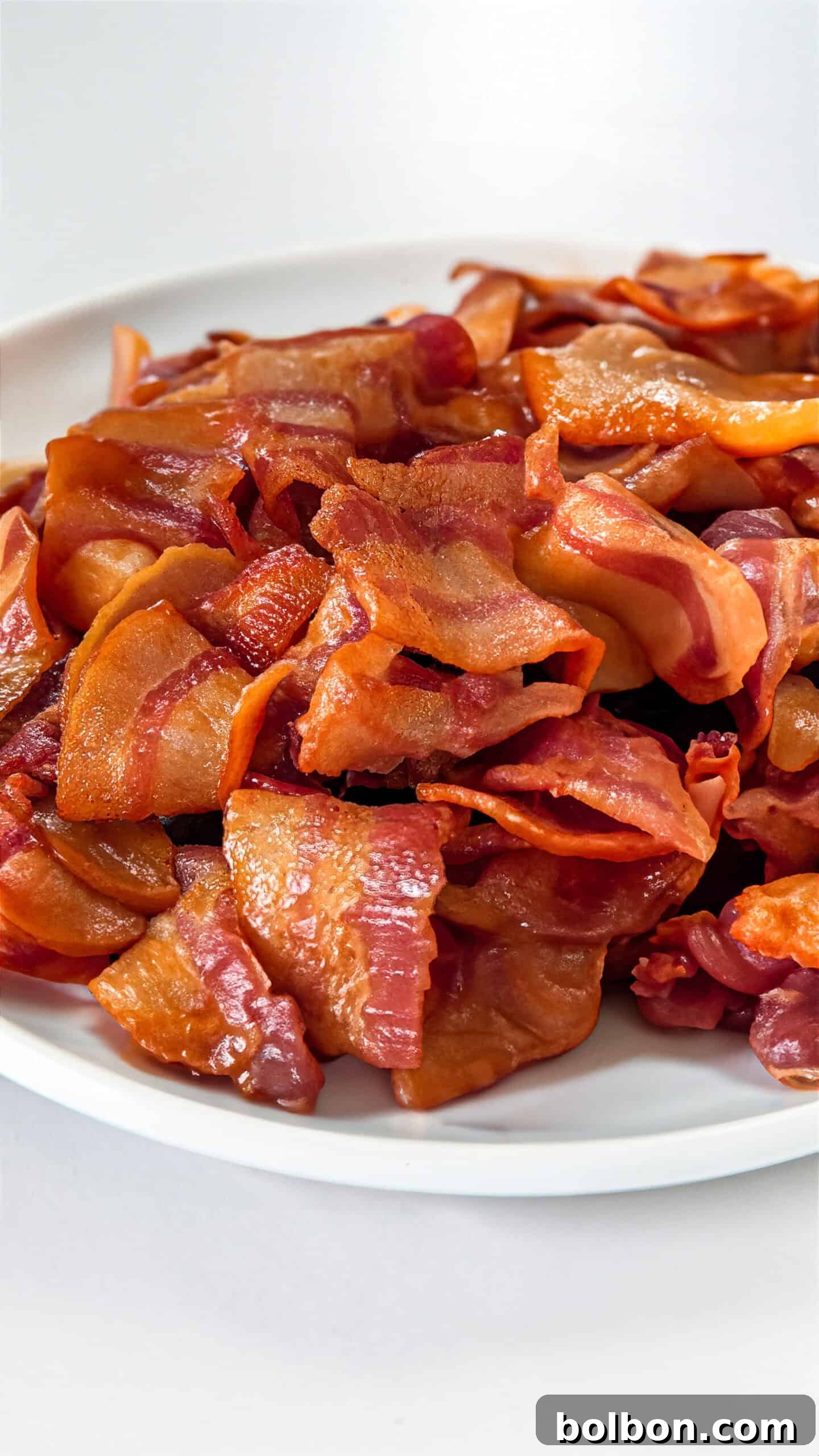
Tired of the relentless splatter and messy cleanup that comes with cooking bacon? You’re not alone! For many, the joy of biting into perfectly crispy, savory bacon is often overshadowed by the greasy aftermath on the stovetop and cabinets. But what if we told you there’s a smarter, cleaner way to achieve that mouthwatering crispness without the kitchen chaos? Say goodbye to scrubbing grease off every surface and hello to a revolutionary bacon hack that will change your breakfast game forever.
Forget your frying pan; we’re about to unveil a simple yet ingenious method using a kitchen staple you already own – your Dutch oven or a tall stainless steel pot. This technique not only promises perfectly cooked bacon every single time but also minimizes splatter, saving you precious time and sanity during cleanup. Get ready to transform your bacon-cooking experience into an effortless, mess-free delight!
The Ultimate Bacon Hack: Perfectly Crispy, Zero Mess
Imagine a world where you can enjoy that irresistible aroma of sizzling bacon without dreading the post-cooking cleanup. This isn’t a dream; it’s the reality this simple pot method delivers. The traditional frying pan, with its low sides, is the primary culprit behind widespread grease splatter. As bacon cooks, its fat renders and pops, sending tiny droplets across your kitchen. Our pot method, however, cleverly contains these splashes, ensuring your stovetop and surrounding areas remain pristine.
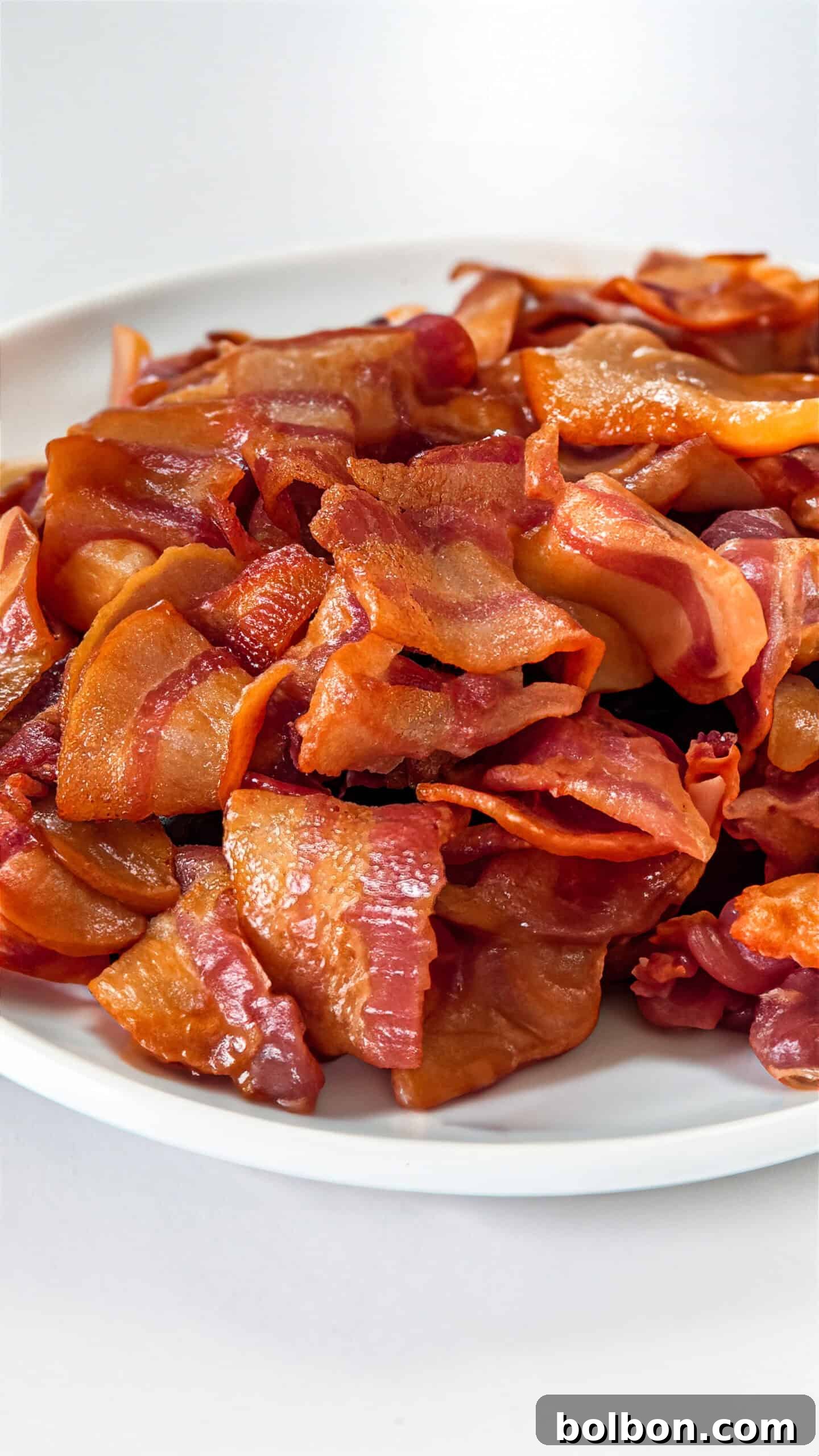
Beyond the undeniable benefit of a clean kitchen, this hack also consistently produces superior bacon. The enclosed environment of a tall pot allows the bacon to cook more evenly, rendering the fat slowly and thoroughly, which is the secret to achieving that coveted, brittle crispiness. No more unevenly cooked, rubbery pieces – just golden-brown perfection, every slice of the way. It’s truly a game-changer for anyone who loves bacon but hates the fuss.
Why This Pot Method Works Wonders
The effectiveness of cooking bacon in a tall pot or Dutch oven boils down to a few key principles. First and foremost, the high sides act as a natural barrier, significantly reducing the amount of grease that escapes onto your countertops and backsplash. This means less time scrubbing and more time enjoying your meal.
Secondly, the heavier bottom and even heat distribution of a quality Dutch oven or stainless steel pot contribute to a more consistent cooking temperature. Unlike thinner frying pans that can have hot spots, a heavy pot maintains heat remarkably well. This allows the bacon to cook at a steady pace, encouraging the fat to render slowly and thoroughly. Slow rendering is crucial for achieving truly crispy bacon, as it allows the moisture to escape gradually, leaving behind perfectly rendered fat and browned meat. The result is bacon that’s cooked through, delightfully crispy, and packed with flavor, all while keeping your kitchen spotless.
Essential Equipment for Your Bacon Revolution
To embark on your journey to mess-free, crispy bacon, you won’t need any specialized gadgets. The beauty of this hack lies in its simplicity and reliance on common kitchen items. Here’s what you’ll need:
- A Dutch Oven or Stainless Steel Pot: This is the star of the show. Choose a pot with tall sides (at least 6-8 inches high) and a heavy bottom. A Dutch oven provides excellent heat retention and distribution, while a good quality stainless steel stockpot will also work wonderfully. The tall sides are crucial for containing splatter.
- Tongs: Essential for safely turning the bacon strips and removing them from the hot pot. Long-handled tongs are recommended for extra safety.
- Paper Towels or a Wire Rack: For draining excess fat from the cooked bacon, ensuring maximum crispness.
- Heat-Resistant Container (Optional): For storing your delicious, rendered bacon fat for future culinary endeavors.
- Splatter Screen (Optional but Recommended): While the tall sides of the pot do most of the work, a splatter screen can offer an extra layer of protection, especially if you’re cooking a larger batch or particularly fatty bacon.
Step-by-Step: How to Cook Bacon in a Pot
Mastering this bacon hack is incredibly simple. Follow these steps for perfectly crispy, mess-free bacon:
- Select Your Bacon: Choose your favorite type of bacon, whether it’s thick-cut, regular, smoked, or unsmoked. The cooking method remains the same, though cooking times may vary slightly based on thickness.
- Prepare Your Pot: Place your Dutch oven or stainless steel pot on your stovetop. There’s no need to preheat the pot or add any oil or butter. The bacon will render its own fat, which will be more than enough to cook it. Starting with a cold pot allows the fat to render slowly and evenly, preventing the bacon from burning before it crisps.
- Arrange the Bacon: Lay the bacon strips in a single layer at the bottom of the pot. Avoid overcrowding the pot; if necessary, cook in batches. Overlapping bacon can lead to steaming, which prevents crispiness.
- Set the Heat: Turn the heat to medium-high. This allows the fat to render efficiently without burning the meat too quickly. You’ll see the fat begin to melt and pool at the bottom of the pot.
- Cook and Flip: Continue cooking, occasionally moving the bacon around with your tongs and flipping it every few minutes. This ensures even cooking and browning on both sides. Keep a close eye on the bacon, especially towards the end of the cooking process, as it can go from perfectly crispy to burnt very quickly.
- Achieve Desired Crispness: Cook until the bacon reaches your desired level of crispness. This typically takes about 7-10 minutes, depending on the thickness of your bacon and your stovetop’s heat. The bacon should be golden brown and firm.
- Remove and Drain: Once cooked, carefully remove the bacon from the pot using tongs and place it on a plate lined with paper towels or on a wire rack set over a baking sheet. This allows any excess grease to drain off, enhancing the crispiness.
- Enjoy and Clean Up: Serve your perfectly crispy bacon immediately. The cleanup will be minimal, confined mostly to the pot itself.
Pro Tips for the Crispiest, Cleanest Bacon
To elevate your bacon cooking and ensure consistently fantastic results, consider these expert tips:
- Don’t Overcrowd the Pot: Resist the urge to cram too many slices into the pot. Overcrowding lowers the temperature and causes the bacon to steam rather than fry, resulting in limp bacon. Cook in batches for optimal crispiness.
- Adjust Heat as Needed: While medium-high heat is a good starting point, every stovetop and pot combination is different. If the bacon is cooking too quickly or burning, reduce the heat. If it’s taking too long to crisp, slightly increase it.
- Monitor Closely: Bacon can change quickly, especially when it’s almost done. Stay near the stove and actively monitor its progress to prevent overcooking.
- Pat Dry Before Cooking (Optional): For extra crispiness, some chefs recommend patting the bacon dry with paper towels before placing it in the pot. This removes excess moisture, allowing for better browning.
- Storing Cooked Bacon: Store any leftover cooked bacon in an airtight container in the refrigerator for up to 5 days. It reheats beautifully in a microwave, air fryer, or even back in a clean pot for a minute or two.
- Save the Bacon Fat: Don’t discard that flavorful rendered fat! Once cooled, strain it through a fine-mesh sieve into a heat-resistant glass jar. Store it in the refrigerator, and use it to add incredible flavor to eggs, roasted vegetables, cornbread, or even in place of oil for frying.
How to Cook Bacon Variations and Substitutions
This versatile cooking hack isn’t just for traditional pork bacon. Feel free to experiment and adapt it to your dietary preferences and available equipment:
- Bacon Variety: This method works perfectly with various types of bacon. Whether you prefer classic pork bacon, lean turkey bacon, or even plant-based vegan bacon strips, the tall-sided pot technique will help contain splatter and promote even cooking.
- Alternative Pots: If a heavy-bottomed Dutch oven isn’t available, a sturdy stockpot or any other pot with tall sides will do the trick. The key is to ensure the sides are high enough to effectively catch the grease splatter, preventing it from reaching your stovetop.
- Enhanced Splatter Control: For those who desire absolute minimal mess, consider placing a tilted lid or a dedicated splatter screen over the pot. This provides an additional layer of protection against rogue grease droplets, making cleanup even easier.
Best Served With
Perfectly crispy bacon is a versatile addition to countless meals. Here are some fantastic ways to enjoy your perfectly cooked strips:
- Egg-cellent Pairings: Naturally, bacon and eggs are a match made in heaven! Serve alongside fluffy scrambled eggs, sunny-side up, or try these delightful recipes: Cheesy Eggs, Pesto Eggs, or savory Copycat Starbucks Egg-Bites.
- Brunch Bonanza: Hosting a brunch? This bacon hack is perfect for preparing large quantities with ease. Serve it as a key protein alongside my Breakfast Sausage Recipe for a hearty spread.
- Avocado Toast Upgrade: Elevate your avocado toast! Pair crispy bacon with the Best Avocado Toast Recipe 🥑 or my Grated Egg Avocado Toast for a satisfying crunch and savory punch.
- Salad Topping Extraordinaire: Crumble crispy bacon over your favorite salads. It adds texture, flavor, and a touch of indulgence to dishes like this Cobb Salad Recipe.
- Sandwich & Burger Booster: Layer crispy bacon into BLTs, club sandwiches, or your favorite burgers for an irresistible crunch and salty kick.
- Soups & Stews: Use crumbled bacon as a garnish for creamy soups, stews, or even baked potatoes.
Other Kitchen Hacks You’ll Love
Discover More Clever Kitchen Tricks
How to Cook Bacon in the Oven
Total time: 30 mins
How to Cut a Pineapple
Total time: 7 mins
How To Make Stainless Steel Non Stick
Total time: 5 mins
Easy Peel Hard Boiled Eggs
Total time: 12 mins
How to Poach Eggs
Total time: 6 mins
Over Medium Eggs
Total time: 5 mins
Common Questions About Cooking Bacon
No, absolutely not. Bacon is naturally rich in fat, which renders out as it cooks. This rendered fat is sufficient for frying the bacon to perfection, eliminating the need for any additional oils or butter. In fact, adding extra fat can make the bacon greasy rather than crispy.
Yes, you certainly can! Cooked bacon can be stored in an airtight container in the refrigerator for up to 5 days. For reheating, the microwave works quickly, or you can use an air fryer for a few minutes to bring back that delicious crisp texture. It’s a fantastic option for meal prepping and makes a great addition to salads, sandwiches, or roasted vegetables throughout the week.
While you can technically use various pots, for optimal results with this method, a heavy-bottomed pot with tall sides is highly recommended. Examples include a Dutch oven or a high-quality stainless steel stockpot. The heavy bottom ensures even heat distribution, preventing hot spots and promoting uniform cooking, while the tall sides are essential for containing grease splatter and keeping your kitchen clean.
Absolutely! Bacon drippings are a flavorful cooking fat that many chefs and home cooks cherish. Once the bacon is cooked, carefully strain the warm (but not boiling hot) grease through a fine-mesh sieve into a heat-resistant glass jar. Allow it to cool completely before sealing and storing it in the refrigerator. It can be reused for frying eggs, sautéing vegetables, making gravies, or adding a smoky depth to many dishes.
Proper disposal of bacon grease is crucial to prevent plumbing issues. Never pour hot grease down your sink, as it will solidify and clog pipes over time. Instead, pour the cooled grease into a disposable container, such as an old jar, an empty tin can, or a milk carton. Allow it to cool and harden completely at room temperature or in the refrigerator, then simply toss the solidified grease and its container into the trash. It’s not suitable for composting.
The thickness of your bacon will directly impact its cooking time. Thicker-cut bacon will require more time to render its fat and crisp up, potentially taking 10-15 minutes or even longer. Thinner slices will cook much faster, often in 5-7 minutes. Always monitor the bacon closely, regardless of thickness, and adjust cooking time and heat as needed until it reaches your preferred level of crispness.
For maximum crispiness, start with a cold pot and arrange bacon in a single layer without overcrowding. Cook over medium-high heat, allowing the fat to render slowly and evenly. Flip frequently to ensure both sides brown and crisp uniformly. Once cooked, immediately transfer the bacon to a plate lined with paper towels or a wire rack to drain any residual grease, which can make it soggy.

How to Cook Bacon (The Ultimate Mess-Free Hack)
Facebook Share
Rate Recipe
Print Recipe
Video
Equipment
Ingredients
- 1 pack bacon
Instructions
-
Add the bacon to a stainless steel pot or Dutch oven (no oil needed!). Turn the heat to medium-high and cook until crispy, flipping occasionally.
-
Note: While any tall pot can work, a stainless steel pot often helps achieve extra crispiness. Cooking time will vary based on bacon thickness and your stove; typically, it takes about 7-10 minutes. Keep a close eye on it!
-
Remove the cooked bacon from the pot and place it on a plate lined with paper towels or a wire rack to drain any excess fat. Serve immediately and enjoy!
Nutrition
Nutrition information is automatically calculated and should only be used as an approximation.