
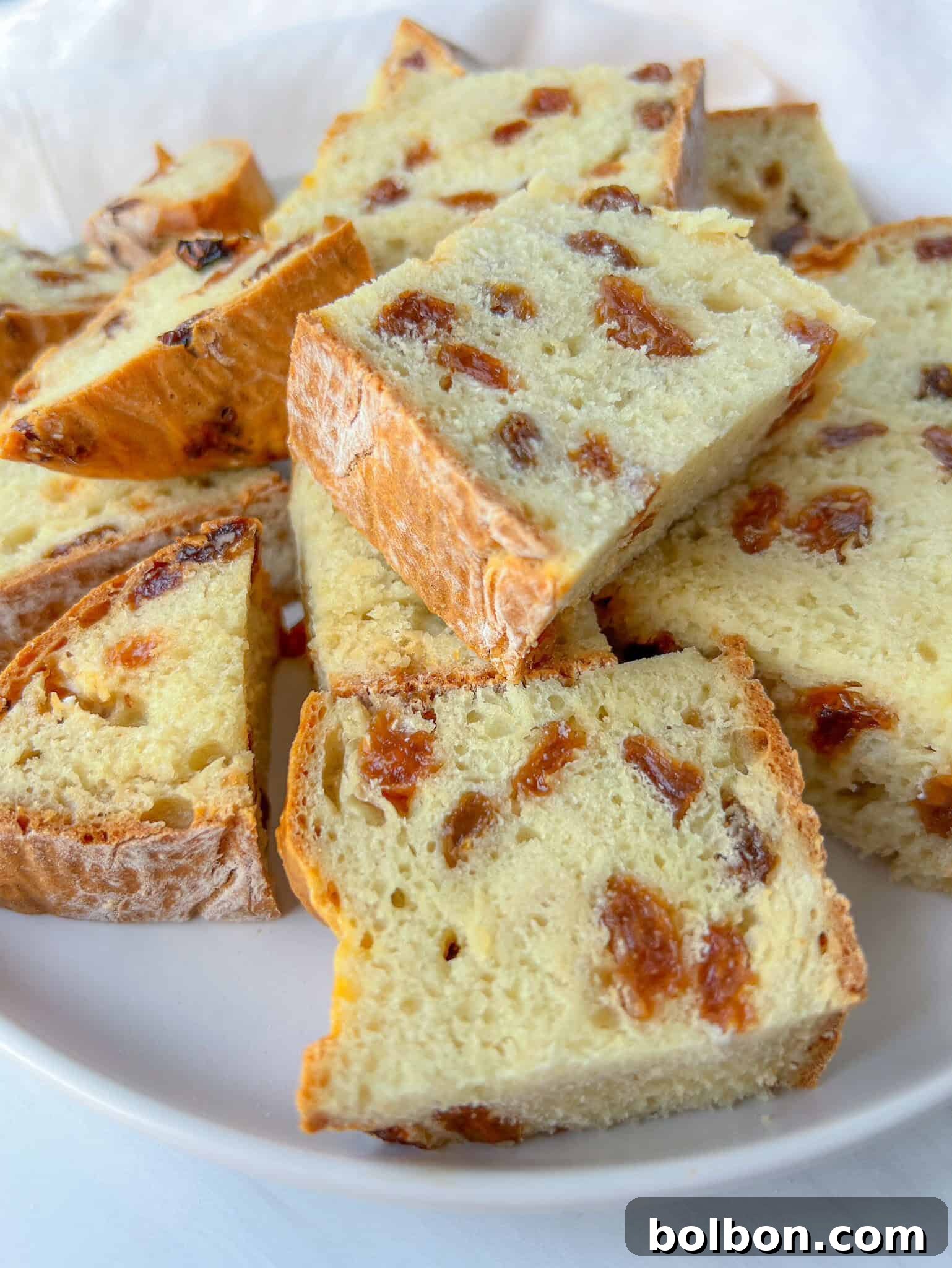
Get ready to celebrate St. Patrick’s Day 🍀 (or any day!) with this incredibly easy and utterly delicious homemade Irish Soda Bread. This classic quick bread, steeped in tradition, requires only 5 simple ingredients and minimal effort, making it perfect for bakers of all skill levels. Forget complicated kneading or lengthy proofing times – this recipe delivers a warm, golden loaf with a tender, fluffy crumb in under an hour.
Our recipe elevates the traditional Irish Soda Bread with plump, sweet raisins, adding bursts of natural sweetness that make each slice feel like a luxurious, oversized scone. For those who appreciate a unique flavor dimension, a hint of caraway seeds introduces a wonderful nutty, slightly licorice-like aroma with bright citrus notes, transforming a simple bread into a truly memorable experience. Whether you’re looking for an authentic St. Patrick’s Day staple or a comforting everyday bake, this foolproof Irish Soda Bread is sure to become a cherished favorite in your kitchen.
Why This Easy Irish Soda Bread Will Become Your New Favorite
If you’ve ever dreamt of baking fresh bread but felt intimidated by yeast and lengthy processes, this Irish Soda Bread is your answer. It’s designed for convenience without compromising on flavor or texture. You’ll love it because:
- Effortless & Quick: From start to oven, this recipe takes just 10 minutes of active preparation. No kneading, no yeast, and no rising time means you can enjoy a fresh, warm loaf in less than an hour. It’s the ultimate quick bread for busy schedules.
- One-Bowl Wonder: All ingredients come together in a single bowl, minimizing cleanup and making the baking process incredibly streamlined.
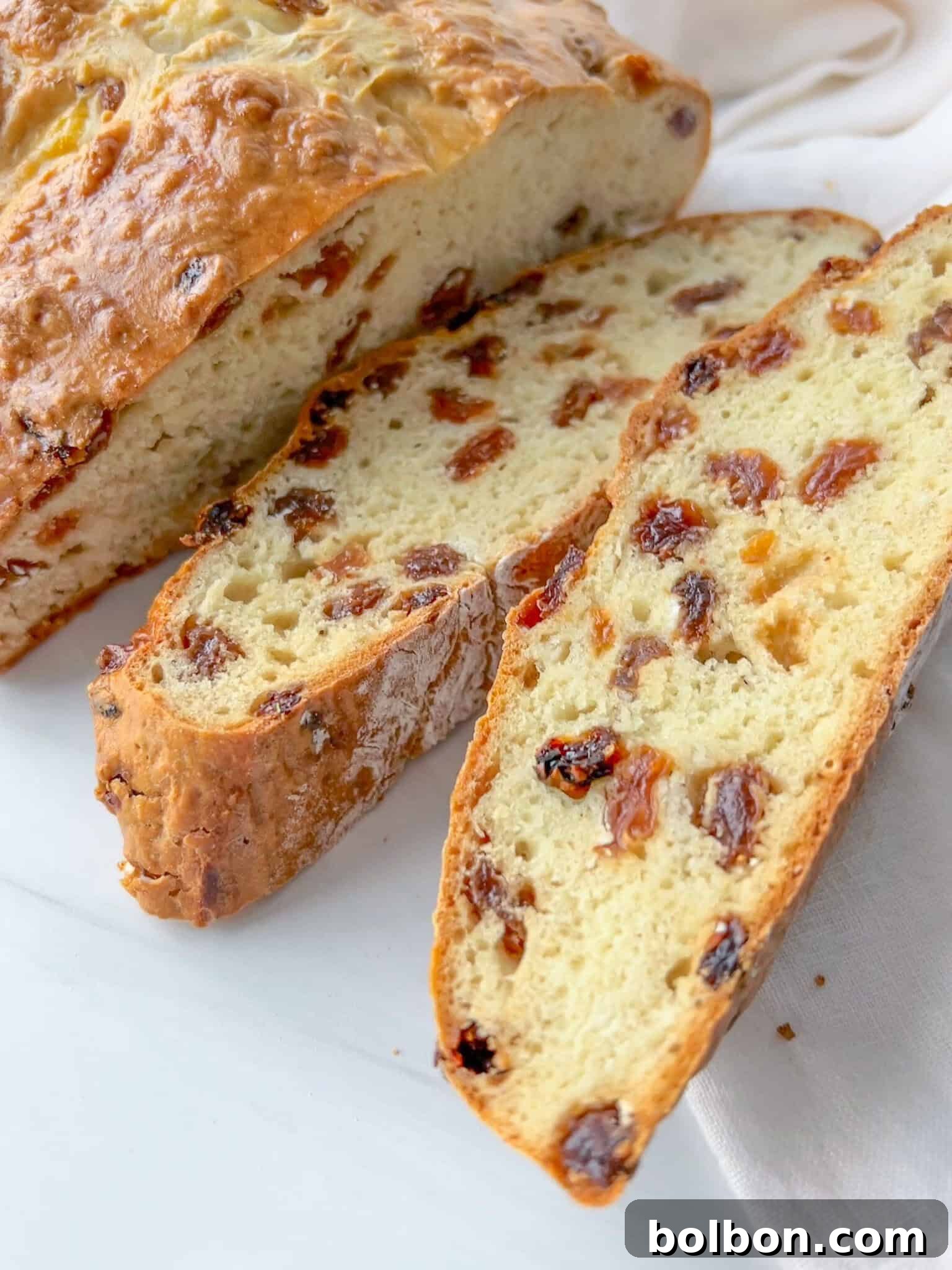
- Irresistible Texture: Prepare for a bread with a beautifully golden crust that gives way to an exquisitely tender and fluffy interior. The combination of baking soda and buttermilk creates a light, airy crumb that is simply divine.
- Versatile Serving: While it’s heavenly on its own, especially straight from the oven, this Irish Soda Bread is also incredibly versatile. Serve it alongside a hearty traditional Irish Beef Stew for a complete meal, or keep it simple by slicing it, toasting it lightly, and slathering generously with creamy salted butter. It’s sheer perfection in every bite, whether for breakfast, an afternoon snack, or as an accompaniment to dinner.
- Perfect for Celebrations: Whether it’s St. Patrick’s Day, a family brunch, or just a cozy weekend, this bread adds a touch of rustic charm and authentic flavor to any occasion.
The Simple Art of Making Irish Soda Bread: A Step-by-Step Guide
Baking this wonderful Irish Soda Bread is remarkably straightforward. Here’s a quick overview of the simple steps involved:
- 🔥 Prepare Your Oven: Preheat your oven to 425°F (220°C) and line a baking sheet with parchment paper to prevent sticking and ensure easy cleanup.
- 🥣 Combine Ingredients: In a large mixing bowl, add all your carefully measured ingredients. Mix them together until they form a cohesive, slightly tacky dough ball. Remember, no extensive kneading is required here!
- ⏲️ Shape and Score: Gently form the dough into a round loaf. Using a sharp knife, score a deep “X” across the top. This traditional scoring helps the bread rise evenly and bake through perfectly.
- 🍞 Bake to Golden Perfection: Place your prepared loaf into the preheated oven and bake until beautifully golden brown and cooked through.
- 🍽️ Cool & Enjoy: Allow the bread to cool slightly on a wire rack before slicing into thick pieces. Serve warm, perhaps with a generous spread of butter, and savor the comforting flavors.
Nonna’s Essential Baking Tip
Baking, especially with quick breads like Irish Soda Bread, thrives on precision. This is one recipe where measuring with your heart might lead to inconsistent results. To ensure you achieve the perfect rise and texture every single time, be absolutely sure to level out your flour and baking soda with a knife. This small but crucial step prevents you from adding too much of either ingredient, which can drastically affect the bread’s consistency and flavor. Accuracy is key for baking success!
Unlock New Flavors: Creative Variations and Smart Substitutions for Your Irish Soda Bread
While the classic Irish Soda Bread is a delight on its own, experimenting with variations can open up a world of new flavors and cater to different dietary needs. Here are some ideas to inspire your culinary creativity. Please note that I have not personally tested all these substitutions, so be prepared to experiment and adjust quantities as you go to achieve your desired results!
- Spice It Up: Instead of caraway seeds, which offer a distinct nutty and licorice-like flavor, consider using anise seeds for a milder licorice note, or even a pinch of cinnamon or nutmeg for a warmer, sweeter profile. A mix of dried orange or lemon zest could also add a lovely aromatic touch.
- Flour Power: For those looking to modify the texture or nutritional content, try experimenting with different flours. You can use almond flour, gluten-free flour 🌾, or whole wheat flour. Keep in mind that these flours absorb liquids differently and can result in a denser loaf. A great starting point is to use them on their own or in a 50/50 combination with all-purpose flour to maintain some of the light texture while introducing new characteristics.
- Dairy-Free Delight: If you need a dairy-free buttermilk substitute, you can easily make your own. Gently stir together your preferred dairy-free milk 🥛 (such as almond, soy, or oat milk) with lemon juice or apple cider vinegar. While it won’t thicken quite like traditional whole milk buttermilk, the acid from the lemon juice or vinegar is crucial as it will activate the baking soda, providing the necessary leavening for your bread to rise beautifully.
- Sweet Additions: Beyond raisins, consider other dried fruits like chopped dried cranberries for a tart counterpoint, or diced dried apricots for a vibrant, fruity twist. Chocolate chips can also turn this into a delightful sweet treat!
- Savory Variations: For a savory loaf, omit the raisins and caraway seeds. Instead, incorporate finely chopped fresh herbs like rosemary or chives, grated cheese (such as cheddar or Parmesan), or even some sun-dried tomatoes. These additions pair wonderfully with soups and stews.
Explore More Delightful Bread Recipes
No Knead Olive Bread
Total Time: 6 hrs 5 mins
No Knead Gluten Free Bread
Total Time: 6 hrs 20 mins
No Knead Bread
Total Time: 6 hrs 5 mins
Healthy Sandwich Bread
Total Time: 40 mins
The Perfect Pairings: Best Served With Your Irish Soda Bread
This versatile Irish Soda Bread isn’t just a treat on its own; it’s also a fantastic accompaniment to a variety of dishes. Its slightly sweet and robust flavor profile makes it ideal for both savory and sweet pairings. Here are some of our favorite ways to enjoy it:
- Hearty Stews: There’s no better companion for a comforting, warming stew. The bread’s dense yet tender texture is perfect for soaking up rich, flavorful broths. Try it with a classic, slow-cooked Beef Stew Soup for an authentic Irish dining experience.
- Creamy Soups: Elevate your soup game by pairing a slice of Irish Soda Bread with a creamy concoction. My Creamy Roasted Tomato Soup, with its sweet and tangy notes, provides a delightful contrast to the bread’s earthy flavors.
- Fresh Salads: For a lighter meal, serve a slice alongside a big, crisp salad 🥗. The bread adds substance and a satisfying chewiness that complements fresh greens and vibrant dressings.
- Sensational Grilled Cheese: Transform your ordinary grilled cheese sandwich into something extraordinary. The unique flavor and firm texture of Irish Soda Bread make it an excellent base for a sensational 🧀 grilled cheese, especially with sharp cheddar or a blend of your favorite cheeses.
- Breakfast & Brunch: Toast slices lightly and serve with jams, marmalades, honey, or a dollop of clotted cream for a delightful breakfast or brunch. The raisins in the bread make it particularly suitable for sweeter spreads.
Common Questions About Irish Soda Bread
No problem at all! You can easily make your own buttermilk substitute at home. Simply combine 2 cups of whole milk with 4 tablespoons of fresh lemon juice or white vinegar. Give it a gentle stir and let it sit for about 5 to 10 minutes until it slightly curdles. This recipe calls for 1 and 3/4 cups, so you’ll have just enough with a little extra. The acid in this homemade buttermilk is vital for activating the baking soda and achieving that signature rise.
While I haven’t personally tested a fully dairy-free version of this specific Irish Soda Bread recipe, it is certainly possible! The key to soda bread’s rise (without yeast) lies in the reaction between the baking soda and the acid in buttermilk. If you opt for a plant-based milk (like almond, soy, or oat milk), you absolutely must add an acidic component such as apple cider vinegar or lemon juice to ensure the baking soda is activated. Experiment with proportions, starting with 1 tablespoon of acid per cup of plant-based milk, letting it sit to curdle slightly before incorporating into your dry ingredients. Please let me know if you try it and how it turns out!
Fresh baking soda is absolutely essential for the proper leavening in this recipe. To check its freshness, sprinkle about a tablespoon of baking soda into a bowl and pour a small amount of vinegar over it. If it immediately fizzes vigorously, your baking soda is fresh and ready to go! If there’s little to no fizz, it’s time to replace it. Always check the best-before date on the box as well.
It’s tempting to think more baking soda equals more rise, but with this recipe, that’s not the case. You should not add more baking soda than specified. Overdoing it will result in an unpleasant, soapy, or metallic taste in your bread, overpowering its natural flavors. Stick to the precise measurement for the best results. The perfect rise comes from the correct balance of ingredients and proper mixing, not excess leavening agent.
If raisins aren’t your preference, there are plenty of delicious alternatives! Dried cranberries would work wonderfully, adding a lovely tartness that balances the bread’s richness. You could also try chopped dried apricots for a sweet and slightly tangy fruit inclusion. For a different texture and flavor, dried currants are a classic choice in many Irish soda bread recipes.
Yes, you can certainly use whole-wheat flour in this recipe, but be aware that it will result in a denser loaf compared to using all-purpose flour. Whole wheat flour has more fiber and protein, which contributes to a heartier texture. For a good balance, I recommend trying a 50/50 mix of all-purpose flour and whole-wheat flour. This way, you get some of the nutritional benefits and earthy flavor of whole wheat while maintaining a lighter, more tender crumb.
I have not personally tried making Irish Soda Bread with almond flour. Almond flour behaves very differently from traditional wheat flours due to its lack of gluten and higher fat content. If you decide to experiment with it, be prepared for significant adjustments to liquid quantities and potentially the texture of the final product. It might require additional binding agents or a different ratio of liquids. Please let me know if you try it and if it works for you!
There are a few reliable indicators to tell if your Irish Soda Bread is perfectly baked. First, look for a beautiful golden-brown color all around the crust, and it should feel firm to the touch. The crust should also sound hollow when tapped on the bottom. For extra assurance, you can pierce the thickest part of the loaf with a wooden skewer or a thin knife; if it comes out clean, your loaf is done.
If you notice the top of your Irish Soda Bread browning too quickly before the center is fully cooked, don’t worry! Simply place a loose sheet of aluminum foil over the top of the loaf for the remainder of the baking time. This will shield the crust from direct heat, preventing it from burning while allowing the interior to finish baking evenly.
To keep your Irish Soda Bread fresh, allow it to cool completely on a wire rack first. Once cooled, wrap it up tightly with plastic wrap or store it in an airtight container at room temperature for up to 2-3 days. For longer storage, you can even slice it and freeze the individual slices. This way, you can easily take out a few slices as needed, toast them from frozen, and enjoy fresh-tasting bread whenever a craving strikes!
Classic Irish Soda Bread with Raisins
This authentic Irish Soda Bread recipe is incredibly quick and easy, requiring only 10 minutes of active prep and no kneading! It delivers a wonderfully tender, golden loaf perfect for St. Patrick’s Day or any day. Serve it warm, sliced, toasted, and generously slathered with butter for a truly comforting experience.
4.80 from 5 votes
Facebook Share
Rate Recipe
Print Recipe
Course: Bread
Cuisine: Irish
Makes: 10 slices
Author: The Modern Nonna
Prep Time: 10 minutes
Cook Time: 30 minutes
Total Time: 40 minutes
Video Tutorial
A helpful video tutorial for this recipe would typically be embedded here.
Essential Equipment
- Redmond Real Salt
- Measuring Cups + Spoons
- Mixing Bowls
- Nakiri Knife
- Spatula
- Parchment Paper
Ingredients
- 4 cups all-purpose flour
- 1 teaspoon salt
- 1 teaspoon baking soda
- 1 ¾ cups buttermilk
- 1 cup raisins
- Caraway seeds (optional, for a unique flavor)
- 1 egg (for egg wash, optional)
- 1 tablespoon water (for egg wash, optional)
Unit conversion options (e.g., US Customary – Metric) would typically be found here.
Instructions
- Preheat Oven: Preheat your oven to 425°F (220°C).
- Combine Dry & Wet: Sift the all-purpose flour into a large mixing bowl. Add the salt, baking soda, buttermilk, raisins, and caraway seeds (if you are using them).
- Mix Dough: Stir everything together using a sturdy spoon or spatula. Once loosely combined, switch to mixing with your hands. Mix until a cohesive, slightly tacky dough ball forms. Remember, this is a quick bread, so no actual kneading is required; just ensure all ingredients are well incorporated.
- Shape & Score: Gently transfer the dough ball onto a baking sheet that has been lined with parchment paper. Flatten the dough until it is about 1 to 2 inches in thickness, forming a round loaf. Using a sharp knife, score a deep “X” across the top of the loaf. For an extra golden and shiny crust, you can optionally brush the top with an egg wash (made by whisking 1 egg with 1 tablespoon of water).
- Bake: Bake the bread for 15 minutes at 425°F (220°C). Then, reduce the oven temperature to 400°F (200°C) and continue baking for another 25 to 30 minutes, or until the loaf is deeply golden brown and sounds hollow when tapped on the bottom. Baking times can vary by oven, so keep a close eye on it.
- Serve: Once baked, transfer the Irish Soda Bread to a wire rack to cool slightly before slicing. Enjoy it warm with butter, jam, or alongside your favorite Irish stew!
Nutrition Information
Calories: 257 kcal, Carbohydrates: 52g, Protein: 7g, Fat: 2g, Saturated Fat: 1g, Polyunsaturated Fat: 0.4g, Monounsaturated Fat: 1g, Trans Fat: 0.002g, Cholesterol: 21mg, Sodium: 397mg, Potassium: 236mg, Fiber: 2g, Sugar: 2g, Vitamin A: 94IU, Vitamin C: 1mg, Calcium: 63mg, Iron: 3mg
Nutrition information is automatically calculated and should only be used as an approximation.
Additional Info
Course: Bread
Cuisine: Irish
The Rich History of Irish Soda Bread
Irish Soda Bread holds a special place in Irish culinary tradition, a testament to resourcefulness and simple, hearty ingredients. Its origins date back to the early 19th century, when bicarbonate of soda (baking soda) was first introduced to Ireland. This new leavening agent offered a revolutionary alternative to yeast, which was often difficult to cultivate reliably and required longer proofing times.
The beauty of soda bread lies in its simplicity. It typically consists of just four core ingredients: flour, baking soda, salt, and sour milk (or buttermilk, as we know it today). Buttermilk, a byproduct of butter making, was readily available in rural Irish households and provided the essential acid to react with the baking soda, creating carbon dioxide bubbles that cause the bread to rise. This made it an ideal staple for families who needed a quick, nourishing bread that could be made daily with minimal fuss and readily available local ingredients.
Historically, each region, and often each household, had its own slight variation. Some added oats, others a touch of sugar or dried fruit like raisins or currants, particularly for special occasions or a sweeter teatime treat. The characteristic “X” scored on top of the loaf wasn’t just decorative; it was believed to let the “good fairies” out and ward off evil, but practically, it helps the bread bake more evenly and crack perfectly.
Today, Irish Soda Bread remains a beloved symbol of Irish heritage and hospitality, enjoyed year-round but especially prominent during celebrations like St. Patrick’s Day. It’s a wonderful example of how humble ingredients can come together to create something truly delicious and deeply comforting, linking modern tables back to centuries of tradition.
Tips for Baking the Best Irish Soda Bread
Achieving the perfect Irish Soda Bread is easy with a few key tips in mind:
- Don’t Overmix: Unlike yeast breads that require extensive kneading, soda bread can become tough if overmixed. Mix just until the ingredients are combined and a tacky dough forms. A few lumps are perfectly fine! Overworking the dough develops gluten, which we want to minimize in soda bread for a tender crumb.
- Fresh Ingredients are Key: Ensure your baking soda is fresh (test it with vinegar as described in the FAQ) and your buttermilk is fresh for the best leavening reaction. Stale ingredients won’t give you the desired rise.
- Correct Oven Temperature: The initial high temperature helps create that signature golden crust, while reducing it allows the interior to cook through without burning the outside. Always preheat your oven fully before placing the bread inside.
- The “X” Score: Don’t skip scoring the top of the loaf. This isn’t just for looks; it allows the heat to penetrate the center of the bread more effectively, ensuring it cooks evenly, and helps the bread expand properly without tearing. Some believe it also releases steam, contributing to a better texture.
- Cool Properly: While it’s tempting to dive in immediately, letting the bread cool slightly on a wire rack allows the internal structure to set and steam to escape, preventing a gummy texture.
- Adjust for Altitude: If you live at a high altitude, you might need to make slight adjustments to baking time or liquid content. High altitude can cause bread to rise more quickly and dry out faster.
Final Thoughts on Your Homemade Irish Soda Bread
There’s something truly satisfying about pulling a warm, homemade loaf of Irish Soda Bread from the oven. Its rustic charm, simple ingredients, and quick preparation make it a beloved staple that transcends cultural boundaries. Whether you’re celebrating St. Patrick’s Day, enjoying a cozy family meal, or simply craving the comforting taste of freshly baked bread, this easy recipe promises delicious results every time. Don’t hesitate to personalize it with your favorite additions or explore dairy-free options. Bake with joy, share with love, and savor every bite of this timeless classic!