

The Iconic Negroni: A Timeless Italian Aperitif for Every Occasion
Few cocktails boast the enduring allure and sophisticated simplicity of the Negroni. This classic Italian concoction, a harmonious blend of gin, sweet vermouth, and Campari, has captivated palates for over a century. Known for its vibrant crimson hue, spirit-forward character, and perfectly balanced bitter-sweet profile, the Negroni stands as a testament to the art of mixology. Whether you’re seeking a refreshing summer cocktail or a refined aperitif to kick off an evening, the Negroni offers an unparalleled drinking experience that is both invigorating and deeply satisfying.
Its recent surge in popularity has firmly cemented the Negroni’s status beyond a cult classic, transforming it into a mainstream favorite. This sophisticated gin-based drink provides a refreshing departure from overly sweet concoctions, appealing to those who appreciate a cocktail with depth and character. It’s an excellent alternative to a traditional gin and tonic, offering a more complex flavor profile that truly awakens the senses. As warmer weather approaches, or even just for a sophisticated evening indoors, discovering the Negroni is an invitation to explore a rich history and a delightful taste.
What Defines a Negroni?
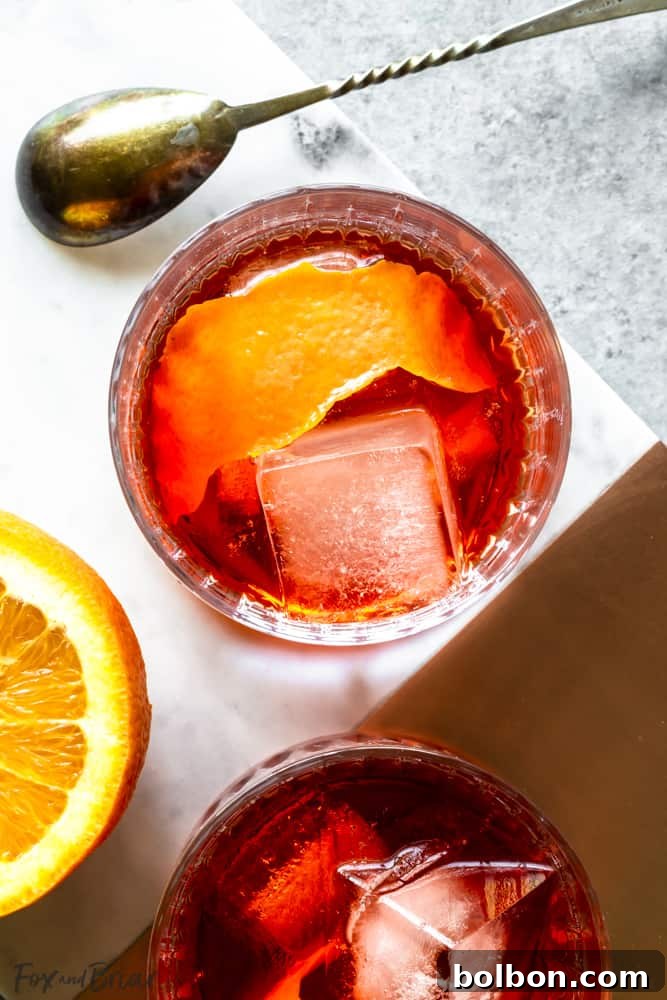
At its core, a Negroni is an Italian cocktail renowned for its simplicity and robust flavor. It’s an aperitif, meaning it’s typically enjoyed before a meal to stimulate the appetite. The Negroni is made with just three equal parts: gin, sweet red vermouth, and Campari. This iconic trinity creates a drink that is both potent and remarkably refreshing, making it an ideal choice for social gatherings or a quiet moment of contemplation. Its straightforward recipe makes it accessible for home bartenders while offering a depth of flavor that satisfies even the most discerning connoisseur.
The Pillars of a Perfect Negroni: Understanding the Ingredients
Gin: The Aromatic Foundation
Gin provides the botanical backbone of the Negroni, contributing juniper-forward notes complemented by various herbs, spices, and citrus. The choice of gin significantly impacts the final flavor profile. A London Dry Gin is the traditional choice, offering a crisp, bold foundation that stands up well to the other assertive ingredients. However, experimenting with different gins, such as those with more floral or citrusy characteristics, can lead to fascinating variations and personalize your Negroni experience. Look for a high-quality gin that you enjoy on its own, as its flavor will be prominent in the cocktail.
Sweet Red Vermouth: The Harmonizing Sweetness
Sweet red vermouth, a fortified wine infused with botanicals, plays a crucial role in balancing the Negroni’s bitterness. It introduces a rich sweetness, often with notes of dark fruit, caramel, and warm spices, adding complexity and depth. Italian sweet vermouths, such as Carpano Antica Formula or Martini & Rossi Rosso, are classic choices. The quality of your vermouth truly matters here; an older, oxidized vermouth can detract from the drink’s freshness. Always store opened vermouth in the refrigerator to preserve its delicate flavors.
Campari: The Bitter Heart
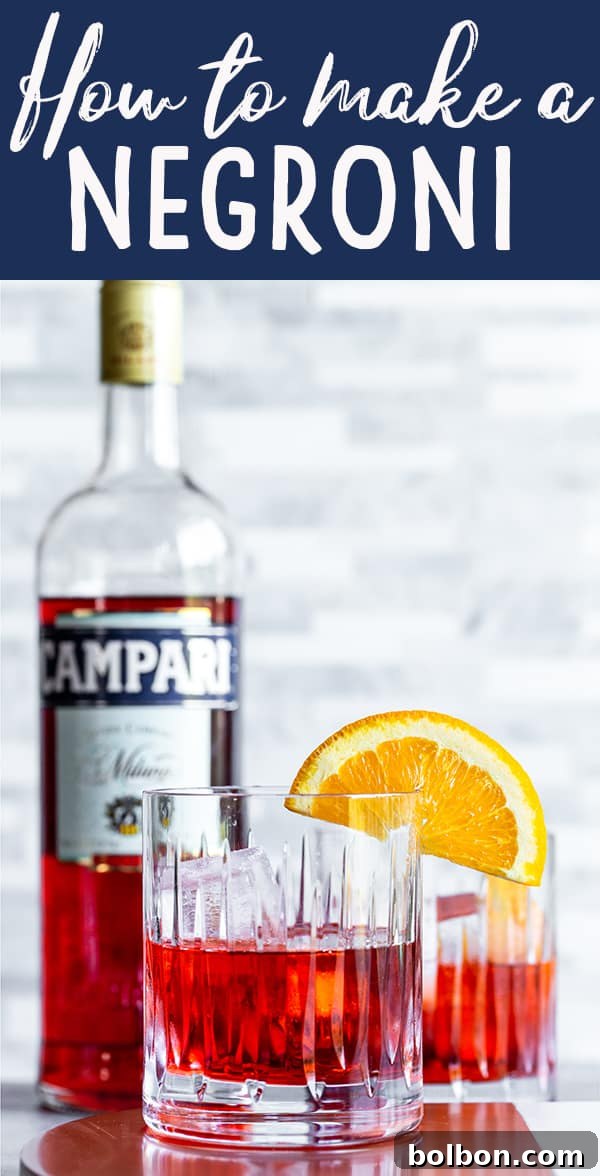
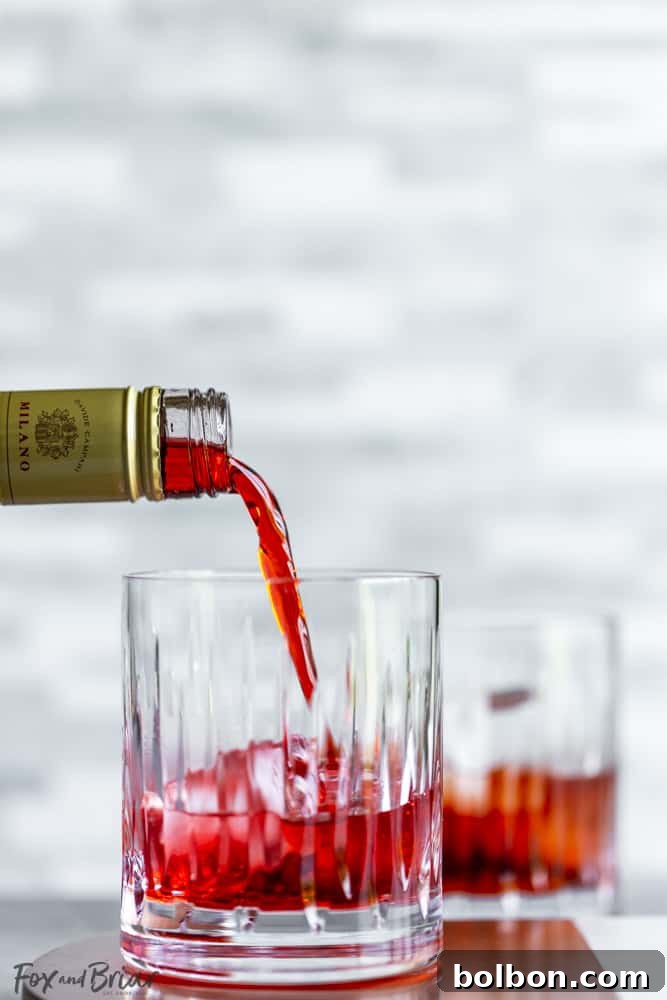
No ingredient is as synonymous with the Negroni’s identity as Campari. This iconic Italian aperitif is an alcoholic liqueur characterized by its distinctive vibrant red color and intensely bitter flavor, derived from a proprietary blend of herbs and bitter citrus fruits. Originally, its striking color came from crushed cochineal insects (carmine dye), a fact that sometimes surprises new drinkers. Rest assured, modern Campari is now produced using artificial food dyes, so there’s no need for concern about its ingredients from that perspective. Campari’s assertive bitterness is what gives the Negroni its signature edge, providing a sophisticated counterpoint to the gin and vermouth. It’s not just a drink ingredient; it’s a cultural icon, embodying the spirit of Italian aperitivo culture.

The Fascinating Origin Story: Who Was Count Negroni?
The story of the Negroni is as captivating as the drink itself, steeped in the elegance of early 20th-century Florence, Italy. The cocktail is famously named after Count Camillo Negroni, an Italian nobleman with a flair for adventure and a penchant for strong drinks. Legend has it that in 1919, while frequenting Caffè Casoni (now Caffè Roberto Cavalli), Count Negroni grew tired of his usual Americano cocktail. The Americano, a popular drink of the era, consisted of Campari, sweet vermouth, and soda water. The Count, desiring a more potent libation, requested that the bartender, Forsco Scarselli, replace the relatively mild soda water with something with more kick: gin.
And so, a legend was born. The new drink, quickly dubbed “the Negroni” by the caffè’s patrons, became an instant hit. The ingenious substitution of gin for soda water transformed a light, effervescent drink into a spirit-forward, complex, and deeply satisfying cocktail. The Negroni rapidly gained popularity, first in Florence, then throughout Italy, and eventually across the globe, becoming one of the most beloved and recognized classic cocktails worldwide. Its simple yet brilliant origin story adds to its mystique and enduring appeal.
Unpacking the Flavor Profile: What Does a Negroni Taste Like?
For those new to the Negroni, its taste can be quite a revelation. The striking red color might initially suggest a syrupy sweet drink, but this perception quickly fades upon the first sip. A Negroni is anything but cloyingly sweet; instead, it offers a beautifully complex and surprisingly bitter flavor profile. The dominant notes are derived from Campari, which imparts a distinct bitterness reminiscent of bitter orange peel, grapefruit, or even rhubarb. This bitterness is the cocktail’s defining characteristic and a hallmark of its sophisticated charm.
However, the Negroni is not simply bitter. The sweet red vermouth plays a crucial role in softening Campari’s edge, introducing a layer of sweetness and aromatic herbal notes that create a remarkable balance. The gin, with its juniper and botanical elements, adds crispness and aromatic complexity, preventing the drink from becoming one-dimensional. The result is a wonderfully balanced cocktail that is simultaneously bitter, sweet, and herbaceous, with a refreshing kick. It’s a drink that appeals strongly to those who shy away from overly sugary cocktails and seek a more adult, intriguing flavor experience. Each sip unveils new layers, making the Negroni a drink to savor and truly appreciate.
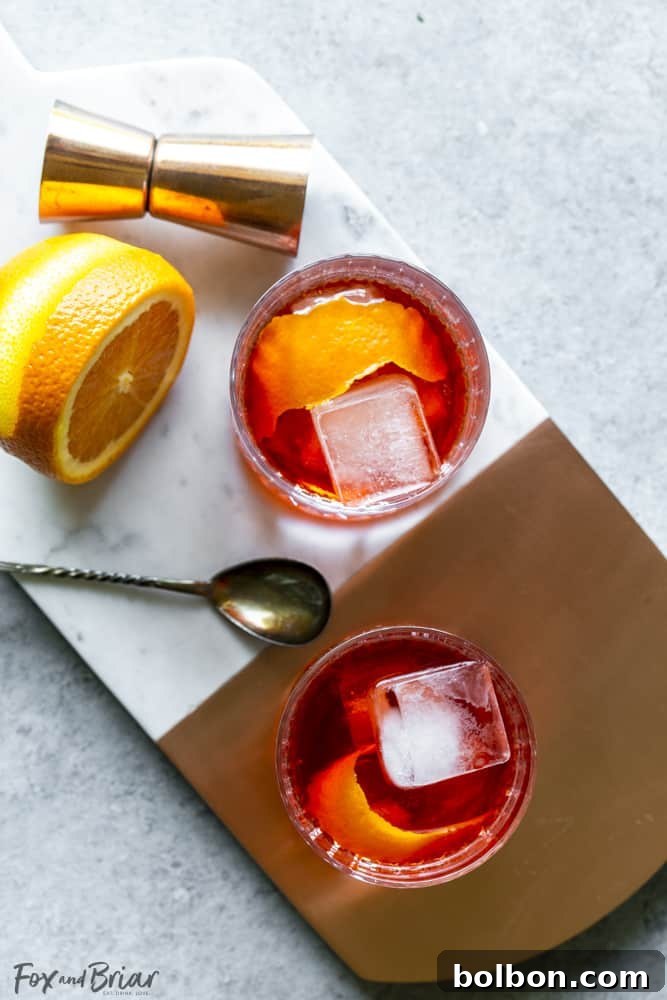
Mastering the Classic Negroni Recipe: Simple Elegance
One of the Negroni’s greatest charms is its straightforward recipe, which is incredibly easy to remember and execute. The classic ratio is an elegant 1:1:1, making it a perfect cocktail for both novice and experienced home bartenders. No complex shaking or layering is required; just a simple stir is all it takes to bring this Italian masterpiece to life.
Negroni
By Meghan McMorrow | Fox and Briar

Prep Time: 1 min | Total Time: 1 min | Servings: 1
The Negroni is a classic Italian cocktail, made with gin, sweet vermouth and Campari. This not too sweet gin cocktail is refreshing for a summer evening.
Ingredients
- 1 ounce dry gin
- 1 ounce sweet red vermouth
- 1 ounce Campari
- 1 orange peel or slice (for garnish)
Instructions
- Pour the gin, sweet red vermouth, and Campari into an Old Fashioned glass (also known as a rocks glass) filled with a large ice cube or several smaller ones.
- Stir the mixture gently with a bar spoon for about 20-30 seconds. This chills and slightly dilutes the cocktail, harmonizing the flavors.
- Garnish with a fresh orange peel or a small orange slice. Express the oils from the peel over the drink by gently twisting it before dropping it in.
Notes
For an easy orange peel garnish, use a vegetable peeler to create a wide strip of zest, then trim to your desired shape.
Nutrition information is automatically calculated, so should only be used as an approximation.
Additional Info
Course: Drinks | Cuisine: Italian
Negroni Variations to Explore
While the classic Negroni is perfection in a glass, its simple structure makes it ripe for creative variations. Exploring these different versions can introduce you to new flavor dimensions and expand your cocktail repertoire.
- Negroni Sbagliato: Italian for “mistaken” or “broken,” the Sbagliato swaps gin for sparkling wine (prosecco being a popular choice). This results in a lighter, effervescent cocktail that’s less boozy but still offers that delightful bitter-sweet balance. It’s an excellent choice for brunch or a lighter aperitif.
- White Negroni: This intriguing variation replaces Campari with gentian liqueur (like Suze or Salers) and sweet vermouth with Lillet Blanc or a dry vermouth. The result is a lighter-colored drink with a different bitter profile—often more floral and less overtly citrusy than the classic. It’s a sophisticated twist for those looking to expand their Negroni experience.
- Boulevardier: A close cousin, the Boulevardier exchanges gin for whiskey (often bourbon or rye). This adds a warm, spicy, and often caramel-like complexity, making it a richer, spirit-forward drink that is particularly well-suited for cooler weather or for whiskey enthusiasts.
- Americano: The precursor to the Negroni, this cocktail is made with Campari, sweet vermouth, and soda water. It’s a lighter, sparkling option that still offers the distinct Campari bitterness, making it a refreshing, low-alcohol choice.
Serving and Enjoying Your Negroni
To fully appreciate the Negroni, consider a few serving suggestions. Always serve it in an Old Fashioned glass, also known as a rocks glass, filled with good quality ice. A large, single ice cube or sphere is preferred, as it melts slower, preventing excessive dilution and preserving the cocktail’s integrity. The orange peel garnish is not merely for aesthetics; expressing its oils over the drink adds an aromatic layer that enhances the overall experience. The Negroni is best enjoyed slowly, allowing its complex flavors to unfold with each sip.
Food Pairings with a Negroni
As an aperitif, the Negroni excels at preparing the palate for a meal. Its bitter notes make it an ideal companion for a variety of appetizers and small bites. Consider pairing it with:
- Italian Cured Meats: Prosciutto, salami, and other savory charcuterie.
- Olives and Marinated Vegetables: The brininess of olives or the tang of pickled vegetables complements the Negroni’s bitterness beautifully.
- Hard Cheeses: Aged Parmesan or pecorino offer a salty counterpoint.
- Fried Appetizers: The robust flavors cut through the richness of fried foods.
- Hearty Italian Dishes: While traditionally an aperitif, it can also stand up to richer pasta dishes or even steak.
The Enduring Appeal of a Classic
The Negroni’s journey from an accidental invention in a Florentine cafe to a globally celebrated cocktail is a testament to its timeless appeal. Its perfect balance of bitter, sweet, and botanical notes, combined with its striking appearance and rich history, ensures its place in the pantheon of classic drinks. Whether you’re a seasoned cocktail enthusiast or just beginning your exploration of the world of mixology, the Negroni offers a sophisticated and deeply satisfying experience. So, grab your ingredients, pour yourself a Negroni, and savor a taste of Italian heritage.
If you’re looking for another classic cocktail to master, be sure to try my Manhattan Cocktail recipe!
Did you like this recipe?
Please comment, rate, and share! And don’t forget to tag me on Instagram @foxandbriar and #foxandbriar so I can see what you made!