
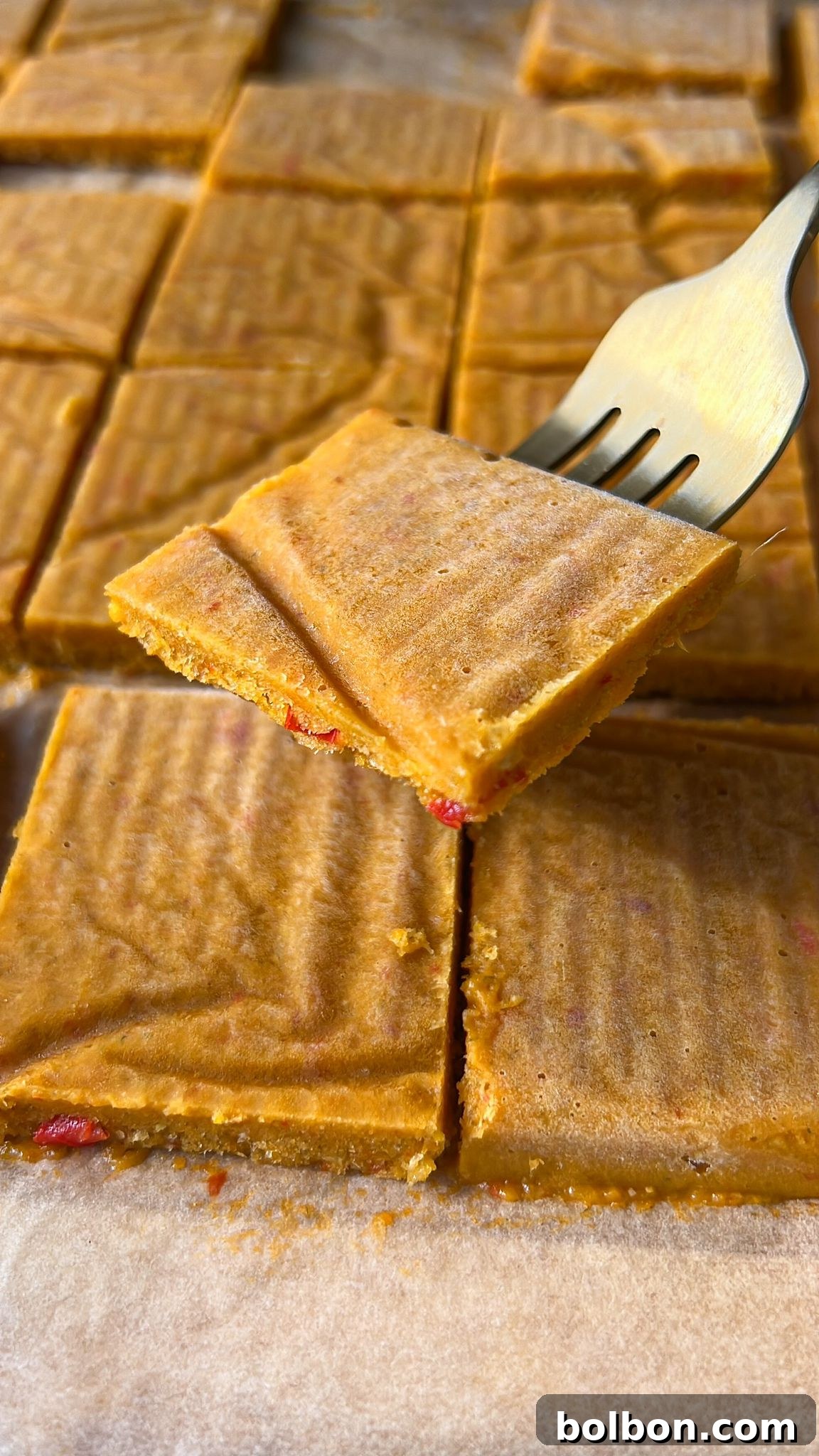
Are you tired of deciphering complex ingredient lists and avoiding artificial additives found in most store-bought vegetable stock cubes? Imagine creating your own natural, deeply flavorful vegetable stock cubes right in your kitchen, packed with wholesome goodness. What if I told you this culinary magic could happen in under 30 minutes, transforming simple vegetables into potent flavor boosters?
Not only are these homemade vegetable stock cubes incredibly quick to prepare, but they also utilize ingredients likely already nestled in your fridge. Forget about preservatives; these nutrient-rich cubes are designed to last for an impressive 3-4 months in your freezer. They promise to infuse unparalleled depth and richness into your cherished soups, stews, and sauces, elevating every dish with the pure essence of garden-fresh vegetables.
It’s time to bid farewell to artificial flavor enhancers and embrace the superior taste and health benefits of delicious, homemade stock cubes. This simple recipe empowers you to take full control of what goes into your food, ensuring every meal is both nourishing and bursting with authentic flavor.
View this post on Instagram
A post shared by Snejana Andreeva (@themodernnonna)
Why Homemade Vegetable Stock Cubes Are a Game Changer
Making your own vegetable stock cubes isn’t just a kitchen project; it’s a commitment to healthier, more flavorful cooking. This homemade approach offers a compelling alternative to replacing store-bought versions, which are often laden with a myriad of additives, preservatives, and artificial flavors that undermine your efforts for a clean diet.
Many commercial vegetable stock cubes primarily consist of dehydrated broth, sugar, yeast extract, and various artificial flavors, colors, and other additives designed to mimic natural taste. These hidden ingredients can contribute to high sodium intake, trigger sensitivities, or simply compromise the purity of your dishes. With homemade vegetable cubes, you gain complete control over the ingredients, allowing you to tailor the flavor profile and nutritional content precisely to your preferences and dietary needs. This means you can adjust salt levels, incorporate organic vegetables, and avoid common allergens, ensuring your stock is as wholesome as possible.
Beyond health benefits, these homemade stock cubes offer significant practical advantages. They save valuable space in your refrigerator and freezer. Gone are the days of bulky cartons of broth consuming precious shelf space. Instead, you can neatly store perfectly portioned cubes, ready to be dropped into any recipe. This efficient storage solution not only declutters your kitchen but also ensures that a burst of rich vegetable flavor is always within easy reach, simplifying your meal prep and enhancing spontaneity in cooking. Whether you’re whipping up a quick weeknight dinner or preparing a gourmet feast, having these flavor bombs on hand is a true culinary hack.
Furthermore, crafting your own stock cubes is an excellent way to reduce food waste. Those vegetable scraps and wilting produce that might otherwise end up in the bin can find a new purpose, contributing to a rich and concentrated broth. This eco-friendly aspect adds another layer of satisfaction to the homemade process, making your kitchen both more sustainable and more flavorful.
The Essential Ingredients for Your Flavorful Base
The beauty of these vegetable stock cubes lies in their simplicity and the quality of their core ingredients. While you have immense freedom for customization, a foundational blend ensures a consistently delicious and versatile base. For this recipe, we focus on aromatic vegetables that build a robust flavor profile, mirroring the classic ‘mirepoix’ or ‘soffritto’ principles.
Our stars include a bright yellow onion, which provides a sweet and pungent base, essential for depth. Crisp celery ribs contribute a refreshing, slightly peppery note, while sweet carrots lend a natural sweetness and earthy undertone. A clean and mild leek adds a delicate oniony flavor without being overpowering. Vibrant bell peppers (mini or one large) introduce a fruity sweetness and a touch of color, enhancing the overall complexity. Finally, robust garlic cloves deliver that indispensable pungent kick, rounding out the savory blend. A quality olive oil serves as the medium for sautéing, unlocking and intensifying the flavors of these vegetables.
These core ingredients are selected not just for their taste but also for their synergistic qualities. When gently sautéed and simmered, they release their distinct flavors and aromas, which then concentrate into a powerful purée. This careful selection ensures that each cube delivers a balanced, rich, and truly vegetable-forward essence to whatever dish it graces. Remember, the quality of your initial vegetables directly impacts the final flavor of your stock cubes, so opt for fresh, vibrant produce whenever possible.
Step-by-Step Guide to Crafting Your Perfect Veggie Bouillon Cubes
Creating these homemade vegetable broth cubes is a straightforward and rewarding process. Follow these steps to transform fresh vegetables into convenient, flavor-packed frozen cubes:
- **Prepare Your Foundation:** Begin by heating 1.5 tablespoons of olive oil in a large pot over medium heat. A good quality olive oil will add another layer of flavor.
- **Sauté the Aromatics:** Add your thoroughly washed and uniformly diced vegetables: 1 yellow onion, 2 celery ribs, 2 carrots, 1 washed leek, 6 mini bell peppers (or 1 large), and 5 garlic cloves. Sauté these ingredients for a few minutes, stirring occasionally, until they start to soften and become fragrant. This initial sautéing step is crucial as it helps to caramelize the vegetables slightly, deepening their flavor.
- **Simmer to Perfection:** Once the vegetables are lightly sautéed, add 1.5 teaspoons of salt (or to taste). Cover the pot with a lid and reduce the heat to medium-low. Allow the mixture to simmer gently. The goal here is for the water to evaporate from the vegetables and for them to become incredibly soft and tender. This process typically takes around 15 minutes, but cooking times may vary based on your stove and the size of your dice. Keep an eye on it to ensure the vegetables don’t burn, stirring occasionally if needed.
- **Blend to a Velvety Purée:** Once the vegetables are perfectly soft, transfer the entire contents of the pot into a food processor. Process until you achieve a smooth, velvety veggie purée. It’s essential to scrape down the sides of the food processor bowl periodically to ensure all ingredients are evenly blended, preventing any stringy bits. Aim for a consistently smooth texture, which is key for the final product.
- **Prepare for Freezing:** Line a baking dish (such as a standard baking sheet) with parchment paper. This non-stick layer will make removing the frozen block much easier. Pour the vegetable purée onto the lined baking sheet. Using a silicone spatula or the back of a spoon, spread the purée out evenly across the parchment paper. The thickness should be consistent to ensure even freezing.
- **Freeze Until Solid:** Carefully transfer the baking sheet with the purée into your freezer. Allow it to freeze completely until solid. This usually takes at least 2 hours, but checking it every hour will help you determine its readiness.
- **Portion and Store:** Once the purée block is solid, gently lift it out of the baking sheet using the parchment paper. Place the frozen block onto a clean cutting board. Using a sharp knife, carefully cut it into equal-sized squares. These squares represent your perfectly portioned stock cubes.
- **Wrap and Bag:** For long-term storage and to prevent freezer burn, wrap each individual square in a 5 by 5-inch piece of foil. For an extra layer of protection, you can place a piece of parchment paper directly around the cube before wrapping it in foil – this is optional but highly recommended. Once wrapped, transfer all the cubes into a freezer-safe Ziplock bag, squeezing out as much air as possible. Label the bag with the date and store it in the freezer, ready for use whenever your recipes call for broth or stock.
- **Alternative Freezing Method (Ice Cube Tray):** For ultimate convenience and pre-portioned individual servings, you can also use an ice cube tray. Simply pour the cooled vegetable purée into the compartments of an ice cube tray and freeze until solid. Once frozen, pop out the cubes and transfer them to a Ziplock bag for storage. This method is especially great for smaller portions.
With these steps, you’ll have a supply of perfectly portioned, flavor-packed, and healthy homemade vegetable stock cubes, ready to elevate your culinary creations!

Customizing Your Cubes: Endless Variations and Smart Substitutions
The true beauty of homemade vegetable stock cubes lies in their adaptability. This recipe is a fantastic starting point, but don’t hesitate to get creative and tailor it to your unique taste preferences and what you have on hand. Here are some innovative ways to experiment and make these cubes truly your own:
- Broaden Your Vegetable Palette: While the core aromatics are essential, you can significantly experiment with different flavor profiles by incorporating additional vegetables. Consider adding earthy mushrooms, vibrant bell peppers, distinct fennel, creamy butternut squash, or sweet potato for a richer, sweeter depth. Even humble zucchini, spinach, or kale can be blended in for an extra nutritional boost. Don’t be afraid to use any leftover vegetable scraps—this is an excellent way to reduce food waste and enhance your stock.
- Infuse with Aromatic Herbs and Spices: To truly enhance the flavor complexity, a variety of herbs and spices can be incorporated during the sautéing or simmering phase. Classic choices include fragrant thyme, woody rosemary, bay leaves for a subtle background note, or fresh parsley for a touch of brightness. For a gentle kick, a pinch of cayenne pepper, earthy coriander seeds, or whole black peppercorns can be added. If you’re looking for an extra immuno-boost and a pungent warmth, fresh ginger is a fantastic addition. Experiment with combinations like “Italian herb blend” (oregano, basil, marjoram) or “curry powder” for a more exotic base.
- Elevate with Roasting: For a slightly deeper, more concentrated, and sweeter vegetable flavor, consider roasting the vegetables in the oven before puréeing them, instead of just sautéing. Roasting caramelizes their natural sugars, imparting a richer, more complex taste to your stock cubes. Simply toss your chopped vegetables with olive oil and roast at 400°F (200°C) until tender and lightly browned, then proceed with the blending step.
- Smart Salt Alternatives: If you’re mindful of sodium intake or simply prefer different flavor enhancers, there are excellent alternatives to traditional salt. Nutritional yeast offers a cheesy, umami-rich flavor that can mimic depth. Soy sauce or tamari (for a gluten-free option) provide savory notes and a subtle fermented complexity. For those familiar with Eastern European cuisine, Vegeta is a popular seasoning blend that adds a distinct umami and savory taste. Always taste as you go and adjust to your preference.
- Vary Shapes and Sizes: The utility of your stock cubes can be optimized by making different shapes and sizes. Larger cubes might be ideal for substantial batches of hearty soups and stews, providing a more robust flavor punch. Conversely, smaller cubes or even mini ice cube tray portions can be perfect for quick seasoning of rice, grains, or individual servings of sauces where just a hint of flavor is needed. This flexibility ensures you have the right portion for any culinary task.
Nonna’s Expert Tip
For the smoothest consistency, we highly recommend blending your sautéed vegetables in a dedicated food processor or a powerful countertop blender. While an immersion blender (stick blender) can be convenient, it sometimes struggles to break down all the fibrous vegetable components, potentially leaving your purée with an undesirable stringy texture. A more robust blending appliance ensures a perfectly smooth, velvety consistency for your stock cubes.
Beyond Bouillon: Innovative Ways to Use Your Homemade Stock Cubes
These versatile homemade vegetable stock cubes are far more than just a base for soup. Their concentrated flavor makes them a secret weapon for enhancing a myriad of dishes, adding a layer of wholesome deliciousness that store-bought options simply can’t match. Here are many different creative ways to incorporate these bouillon cubes into your daily cooking:
- Amplify Grain Flavor: Throw them into rice or any other grain (quinoa, couscous, farro) as it cooks for an incredible boost of savory flavor. Simply add one cube per cup of water when simmering, and your grains will absorb a delightful vegetable essence, turning a simple side dish into something truly special.
- Instant Soothing Broth: When you’re feeling under the weather or just need a comforting pick-me-up, drop 1-2 squares into a mug and pour hot water on top. Stir until dissolved. You can add a pinch of salt or fresh herbs, and sip away this warm, nourishing, and flavorful vegetable broth. It’s a convenient and healthy alternative to instant powdered broths.
- Secret Weapon for Picky Eaters: For families with discerning palates, these cubes are fantastic for sneaking in extra vegetable goodness. Blend them seamlessly into pasta sauces to enrich the flavor and nutritional content without altering the texture. This is a brilliant way to ensure everyone gets their daily dose of veggies. For more inspiration, check out my Hidden Veggie Pasta Sauce.
- Robust Base for Legumes: Use these cubes as a flavorful foundation for any bean or lentil stew, chili, or curry. They will infuse the legumes with a rich, savory depth that enhances the overall dish. A perfect example of how they can elevate your cooking would be in my Coconut Chickpea Stew, where they contribute to a truly creamy and satisfying experience.
- Quick & Easy Pastina Soup: Create a wonderfully comforting and speedy Pastina Soup. Add 1-2 cubes to a pot of water, bring to a simmer, then add a pinch of salt and your pastina. Cook until the pastina is tender, then remove from heat. Stir in some grated Parmigiano cheese for an extra layer of savory goodness. Enjoy this classic, soothing dish, made even easier with your homemade stock cubes!
- Elevate Stir-fries and Sautéed Dishes: Dissolve a cube in a small amount of hot water to create a concentrated flavor base for stir-fries. Add this liquid towards the end of cooking to glaze vegetables and proteins with a rich, savory coating.
- Flavorful Marinades and Dressings: A small amount of dissolved stock cube can be incorporated into marinades for tofu, vegetables, or plant-based proteins, imparting a deep umami flavor. It can also add complexity to vinaigrettes and creamy dressings.
Serving Suggestions: Elevate Your Favorite Dishes
These homemade vegetable stock cubes are designed to be your culinary companion for any recipe that calls for liquid broth or stock. Their concentrated flavor will undoubtedly upgrade the taste of your everyday meals. Simply drop a cube or two into your pot, add water as needed, and watch your dishes transform. Try adding these incredible flavor bombs to any of the following:
- My hearty and wholesome Lentil Soup
- The creative and comforting Lasagna Soup
- The nutrient-packed Hidden Veggie Meatball Soup
- The family-friendly Hidden Veggie Chicken Soup
- The refreshing and vibrant Spinach Soup
- Or explore any of the other delightful Soups and Stews available on my website!
Explore More Wholesome Recipes
If you’ve enjoyed making and using these versatile vegetable stock cubes, you’ll love exploring other recipes that focus on nutritious, flavor-rich ingredients and clever ways to incorporate more vegetables into your diet. These complementary recipes pair beautifully with your homemade stock cubes or offer similar approaches to healthy and delicious cooking:
- Easy Pastina Soup: A simple, comforting classic perfect for any time.
- Hidden Veggie Meatball Soup: A clever way to boost nutrition in a family favorite.
- Hidden Veggie Chicken Noodle Soup: The ultimate comfort food with a healthy twist.
- Hidden Veggie Orzo Soup: Light yet satisfying, packed with invisible veggies.
Frequently Asked Questions About Homemade Vegetable Stock Cubes
Absolutely! This recipe is incredibly versatile. You can easily add other vegetables to the existing list or substitute them with whatever fresh produce you have on hand. Excellent suggestions include mushrooms for an umami boost, bell peppers for sweetness, fennel for a distinct anise flavor, or root vegetables like butternut squash and sweet potato for a creamy, earthy base. Feel free to experiment with combinations that appeal to your palate.
Yes, an immersion blender (also known as a stick blender) can certainly be used to purée the cooked vegetables. However, please be aware that the final texture might not be as smooth and velvety as what a powerful food processor or countertop blender can achieve. You might find some fibrous bits remaining. If texture is paramount, a dedicated blender is preferred, but an immersion blender will still yield a flavorful base.
Yes, absolutely! Using an ice cube tray is a fantastic and convenient method for freezing your vegetable purée. It provides perfectly portioned cubes without the need for cutting. Simply pour the cooled veggie purée directly into the compartments of your favorite ice cube tray and freeze until solid. Once frozen, pop the cubes out and transfer them to a freezer-safe bag for easy storage. This method is often preferred for its simplicity and ready-to-use portions.
I personally use Redmond Real Salt, which is a natural, unrefined mineral salt. However, you can use any good quality salt you prefer, such as sea salt or Himalayan pink salt. It’s crucial to remember that different types of salt have varying levels of salinity. Therefore, depending on the salt you choose, your dish may require more or less to reach your desired seasoning. Always add salt to taste, adjusting gradually as you cook until it’s perfect for your palate.
When properly wrapped and stored in an airtight freezer bag, these homemade vegetable stock cubes will maintain their quality and flavor for an impressive period. You can confidently store them in your freezer for up to 3-4 months. Beyond this timeframe, they will still be safe to consume, but their flavor and freshness might gradually diminish.
Yes, you can certainly use frozen vegetables in this recipe. They are a convenient option, especially if you’re looking to minimize prep time or utilize vegetable scraps that you’ve frozen over time. However, keep in mind that frozen vegetables tend to have a higher water content compared to fresh ones. This might slightly alter the texture of your purée or require a bit longer simmering time to achieve the desired concentration and evaporation of water for a truly potent stock cube.
Yes, this recipe for homemade vegetable stock cubes is inherently vegan and gluten-free, assuming all your ingredients (like olive oil and any added spices) meet these dietary requirements. By making them yourself, you control every component, ensuring they align perfectly with your dietary needs and preferences, free from hidden animal products or gluten-containing additives often found in commercial options.

Homemade Vegetable Stock Cubes
Are you tired of store-bought vegetable stock cubes with a long list of ingredients and additives that you can hardly pronounce? What if I told you that you can make your own natural and flavorful vegetable stock cubes in under 30 minutes, right at home!
Video
A short video demonstrating the recipe steps is available to guide you through the process.
Equipment
- Cutting Board
- Nakiri Knife (or any sharp chef’s knife)
- Large Food Processor (or high-speed blender)
- Baking Sheet
- Parchment Paper
- Large Soup Pot
- Ice Cube Tray (optional, for alternative freezing method)
Ingredients
- 1.5 tablespoons olive oil
- 1 yellow onion, diced
- 2 celery ribs, diced
- 2 carrots, diced
- 1 leek, washed and diced
- 6 mini bell peppers (or one large), diced
- 5 garlic cloves, diced
- 1.5 teaspoons salt, to taste
Instructions
- In a large pot, add the olive oil and heat it up on medium heat.
- Add the washed and chopped vegetables (onion, celery, carrots, leek, bell peppers, garlic). Sauté for a few minutes until they start to soften. Add the salt, cover the pot, and let the mixture simmer until the water has evaporated and the veggies are very soft.
- This simmering process typically takes about 15 minutes on medium-low heat, but cooking time will vary depending on your stove and the size of your vegetable dice.
- When the vegetables are soft, carefully transfer them into a food processor. Process until you achieve a smooth, consistent veggie purée. If necessary, stop the food processor to scrape down the sides, then continue blending until the mixture is completely smooth.
- Line a baking sheet with parchment paper. Pour the vegetable purée onto the baking sheet, spreading it out evenly with the back of a spoon or a silicone spatula to a consistent thickness.
- Place the prepared tray into the freezer and allow the purée to freeze completely solid.
- Check the purée every hour. Once thoroughly frozen, gently remove the solid block of vegetable purée from the baking sheet (using the parchment paper) and place it onto a wooden cutting board. Using a sharp knife, carefully cut the block into equal-sized squares.
- Wrap each individual square in a 5 by 5-inch piece of aluminum foil. For added protection and to prevent sticking, you can place a small piece of parchment paper on top of the cube before wrapping it in foil (this step is optional). Transfer the wrapped cubes into a freezer-safe Ziplock bag. Store the bag in the freezer and use a square whenever you are preparing soups, stews, or any other dish requiring vegetable stock.
- Note: For an even simpler method, you are welcome to pour the purée directly into an ice cube tray and freeze. Once frozen, transfer the cubes to a Ziplock bag for convenient, pre-portioned use.
Nutrition
Per serving (1 cube, approximation): Calories: 5kcal, Fat: 1g, Saturated Fat: 0.1g, Polyunsaturated Fat: 0.1g, Monounsaturated Fat: 0.4g, Sodium: 0.01mg, Potassium: 0.01mg, Calcium: 0.01mg, Iron: 0.003mg
Nutrition information is automatically calculated and should only be used as an approximation. Actual values may vary based on ingredients and preparation methods.