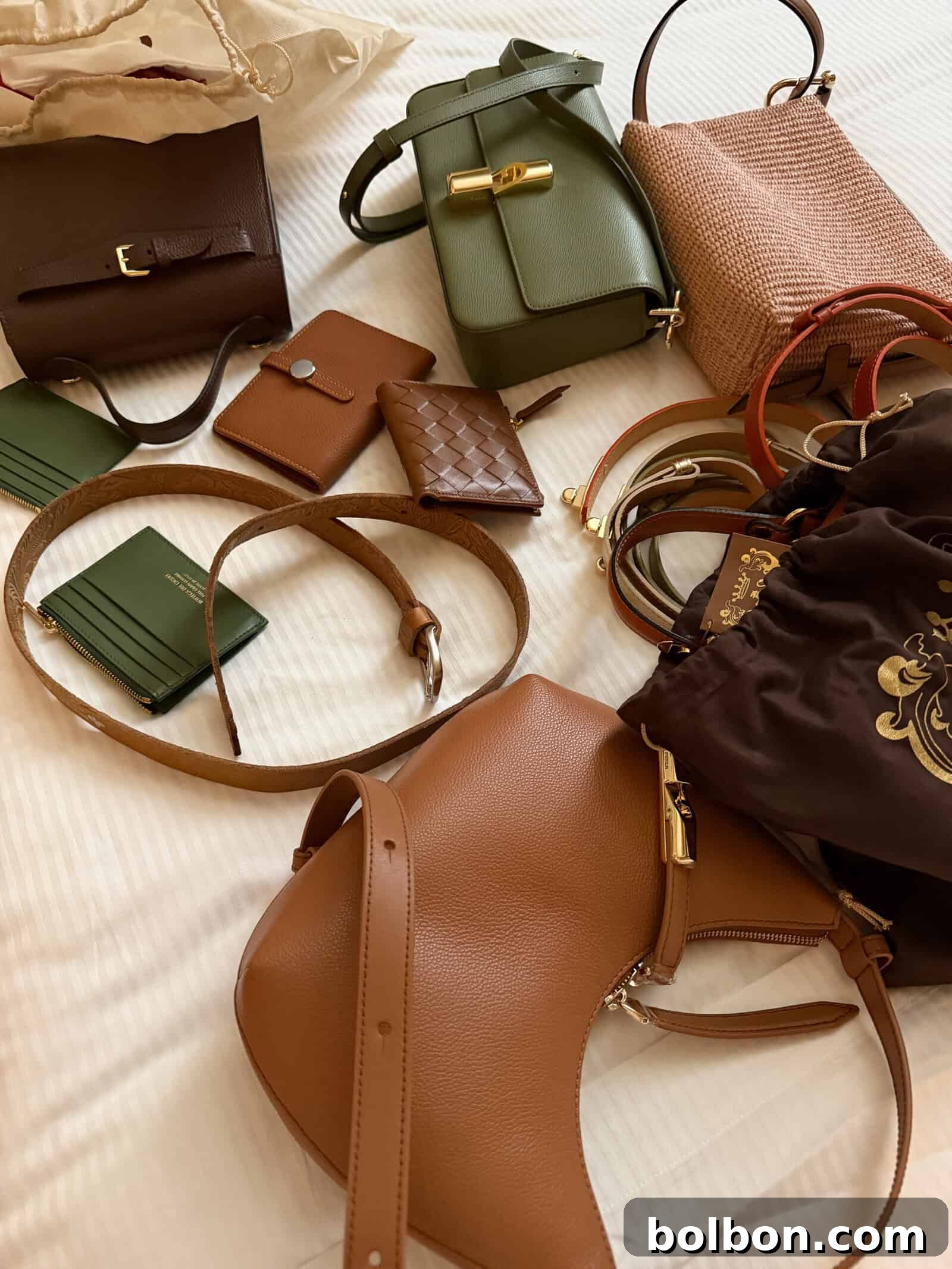
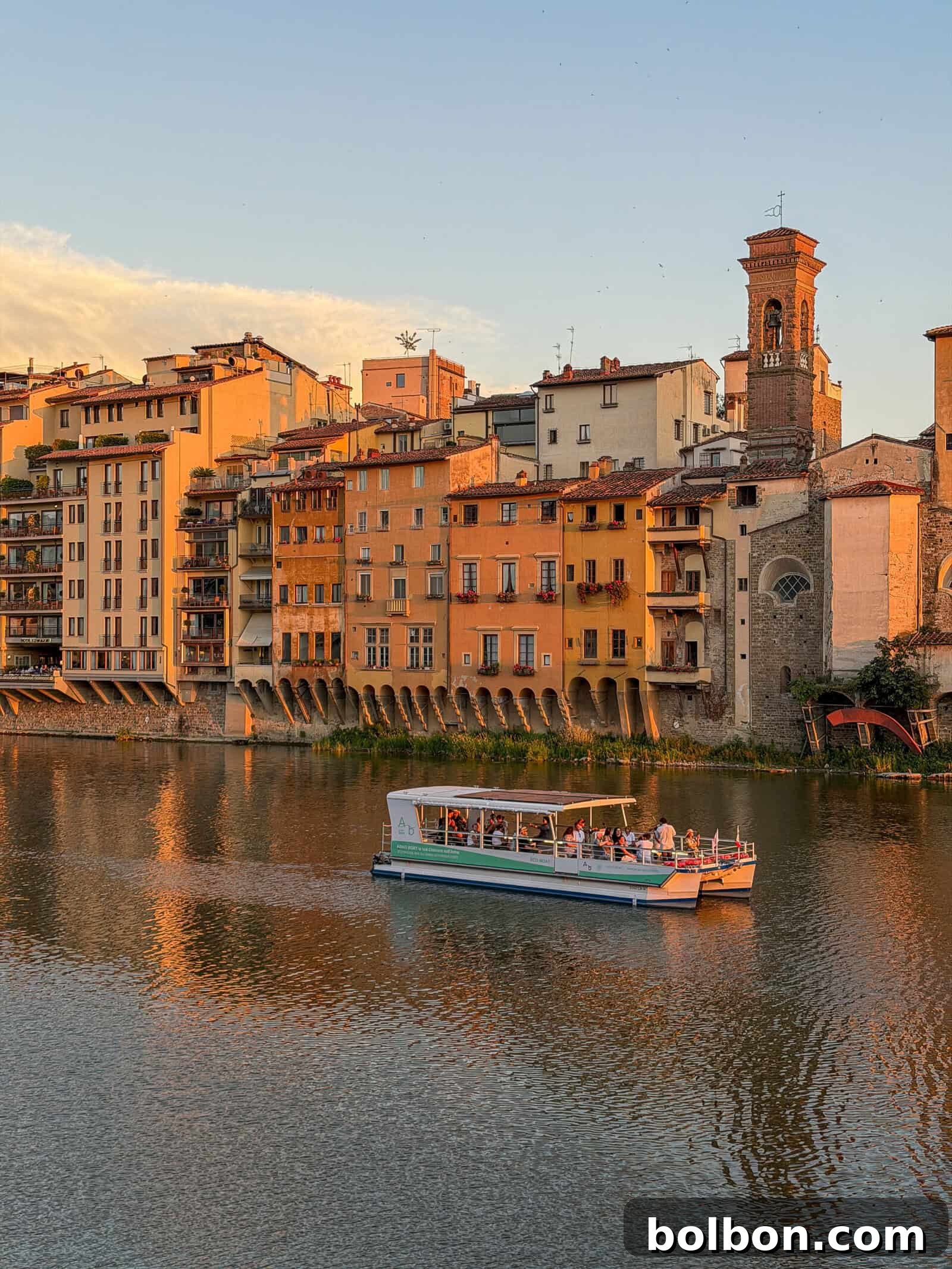
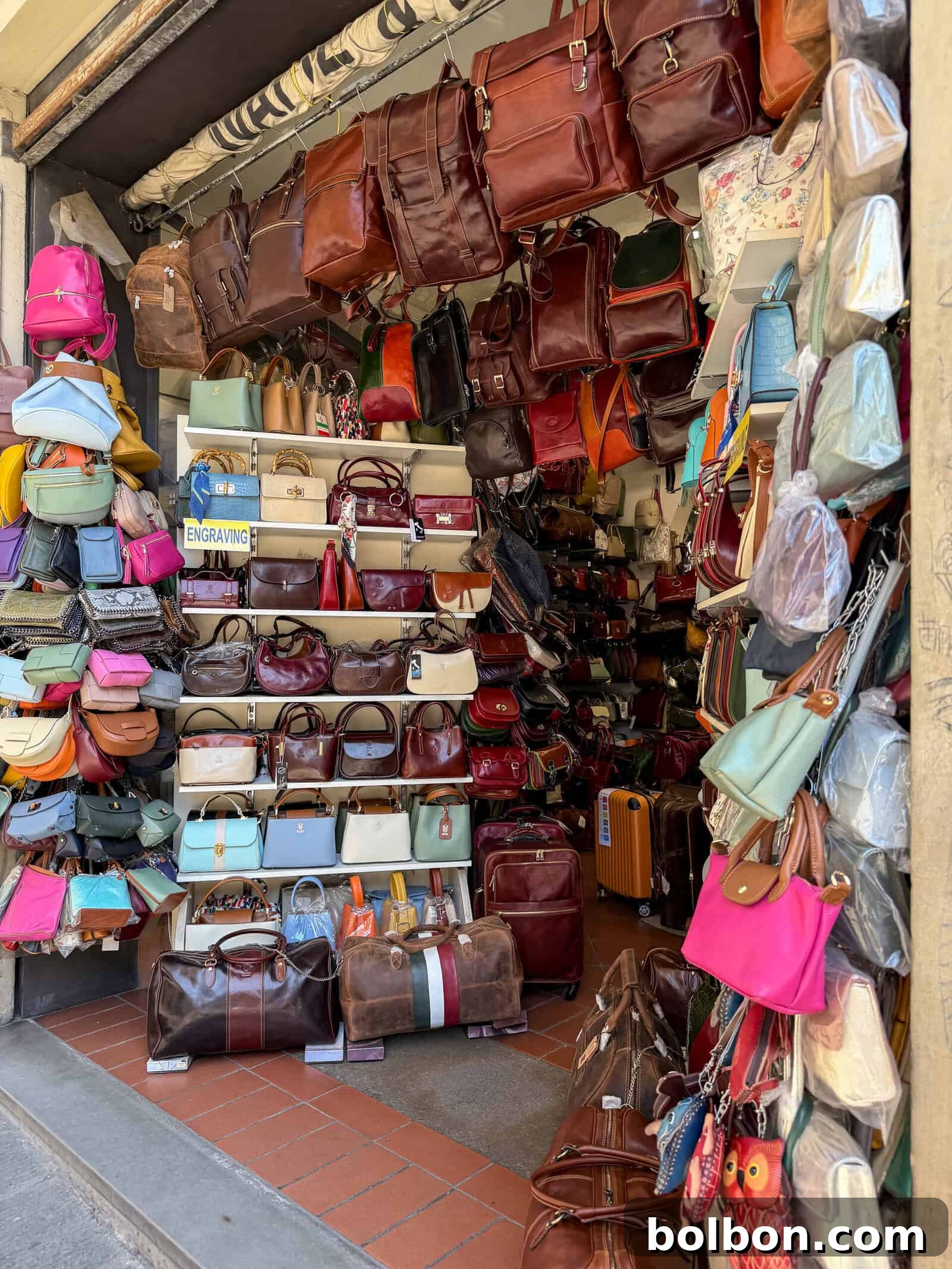
I felt extremely vulnerable in Italy, especially in Florence, where the leather is so soft it feels like butter. Walking past shop after shop, I kept asking myself: how many leather bags are too many? While in Italy that question felt almost impossible to answer.
Buying leather in Florence is a different experience than buying leather at home. The quality, the hand-feel, the craftsmanship and the prices convinced me that I might never buy leather in Canada the same way again. I ended up buying several bags, comparing stores, and touching everything in sight. Very quickly I learned which shops stood out for quality and which were best avoided.
Why Florence Leather Is Worth It
Florence has a long tradition of leather craft that goes back centuries. Many local artisans still cut, dye, stitch, and finish pieces by hand. A defining characteristic of Florentine leather is vegetable tanning, a natural process that uses plant-derived tannins instead of harsh chemicals. The result is leather that feels supple, smells rich and earthy, and develops a beautiful patina over time. These qualities make Florentine leather both practical and timeless.
8 Rules for Buying Italian Leather
Florence is beautiful but can be overwhelming for shoppers. Leather is everywhere, and not all of it is equal—even items stamped “Made in Italy.” Before you buy, use these practical rules to guide your purchases.
- Go early. Popular shops can have long waits.
- Touch everything. Real leather should feel soft and substantial, not sticky or plastic-like.
- Inspect stitching, lining, zippers, and hardware. Stitching should be neat and tight; lining should feel durable; zippers and hardware should have weight and work smoothly.
- Ask about monogramming. Shops that offer personalization often work closely with the leather and provide higher-quality goods.
- Clarify VAT refund versus a direct discount. Many shopkeepers prefer to apply a discount rather than handle VAT paperwork.
- Don’t rush into the first pretty bag. Walk around, compare stores, get an espresso, then decide. If a price seems too good to be true, it might be.
- Leave extra room in your luggage. Florence offers excellent value for quality; you’ll likely want more space for purchases.
- Avoid obvious tourist traps. If a shop can’t answer basic questions about origin and materials, keep looking.
Nonna’s VAT Discount Tip
Always ask about VAT before paying. Many shop owners would rather give a direct discount than handle the refund paperwork. A friendly conversation with the salesperson can often lead to a better price, especially in smaller, family-run shops.
How to Spot the Real Thing
Ask questions. A reputable shop will answer clearly and confidently about materials, tanning, and manufacturing. If the staff can’t describe where the leather was tanned or how the item was made, consider walking away.
Questions to Ask Before Buying
Is this vegetable-tanned leather?
Vegetable tanning is common in Tuscany and produces leather that ages beautifully.
Is this handmade or hand-assembled?
Clarify which parts are made by hand: cutting, stitching, finishing, or assembly.
Where is it made?
“Made in Italy” and “Italian leather” are not always the same—ask directly where production and tanning took place.
Where is the leather sourced or tanned?
A strong answer will mention Italian tanneries or regional sourcing like Tuscany.
What kind of leather is it?
Ask whether it’s calfskin, cowhide, lambskin, suede, nappa, or patent leather, since different types age and wear differently.
Can it be monogrammed or engraved?
Personalization often indicates a closer relationship with the product and better craftsmanship.
How should I care for it?
A quality shop will give clear advice on cleaning, conditioning, and protecting the leather.
Will it soften or change over time?
Real leather should develop character—darkening, softening, and gaining a patina with use.
The Leather Stops Worth Making
Stop 1: Scuola del Cuoio
If you can visit only one place, make it Scuola del Cuoio. Located in the Santa Croce area, this leather school and workshop is a living example of Florentine craft. It was founded after World War II to teach a practical trade and remains a working leather laboratory where artisans stitch, cut, and finish items by hand.
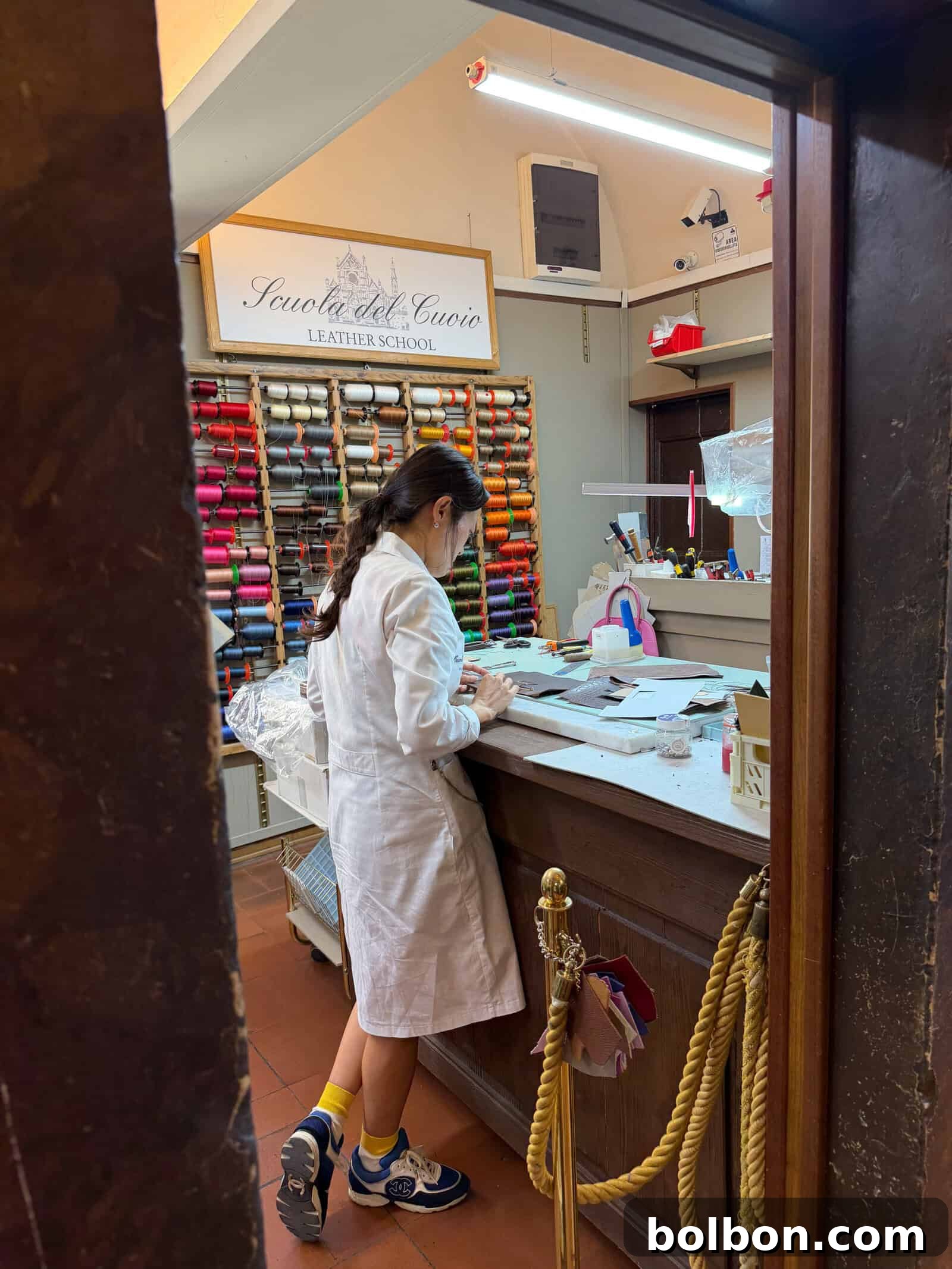
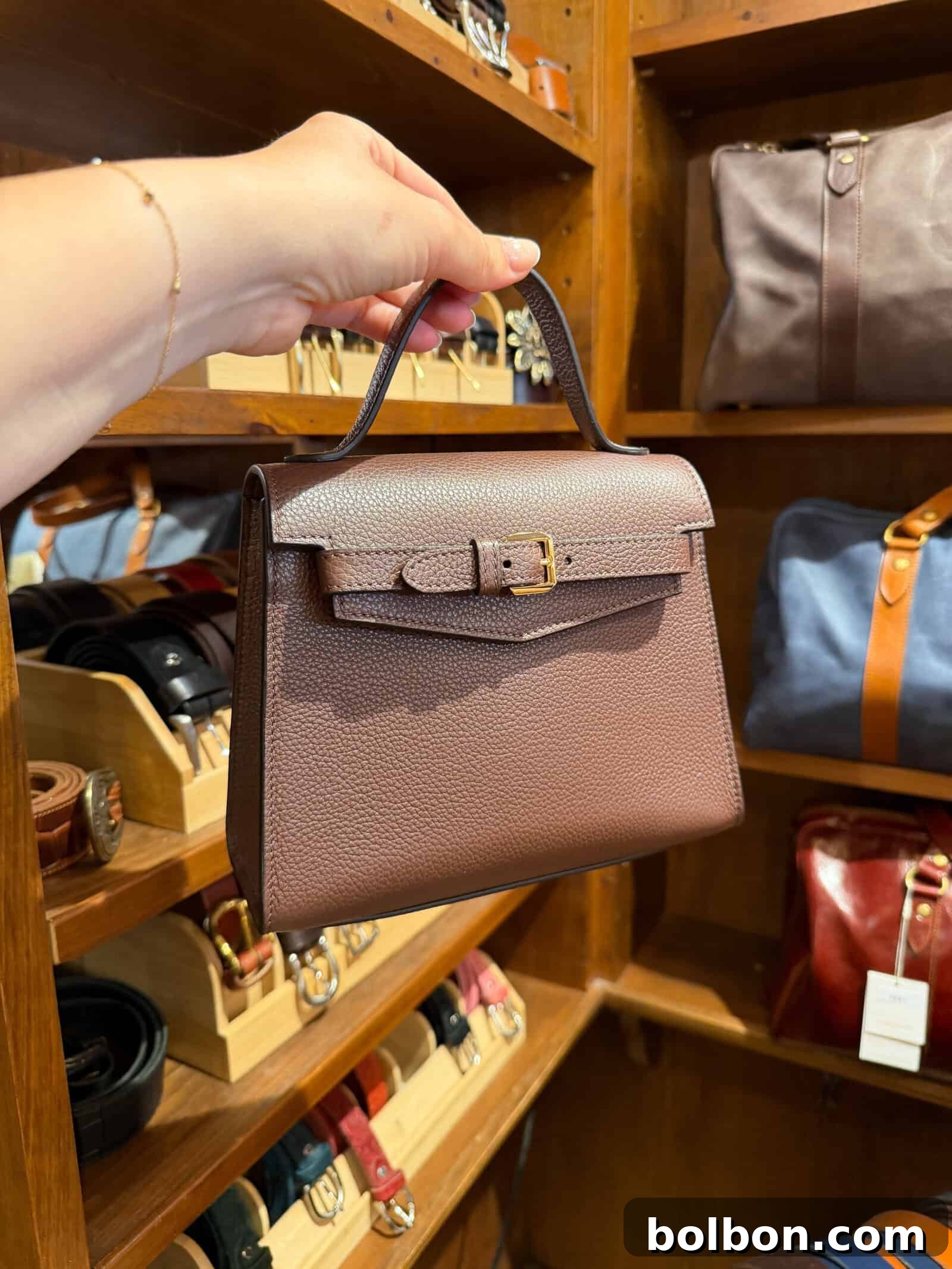
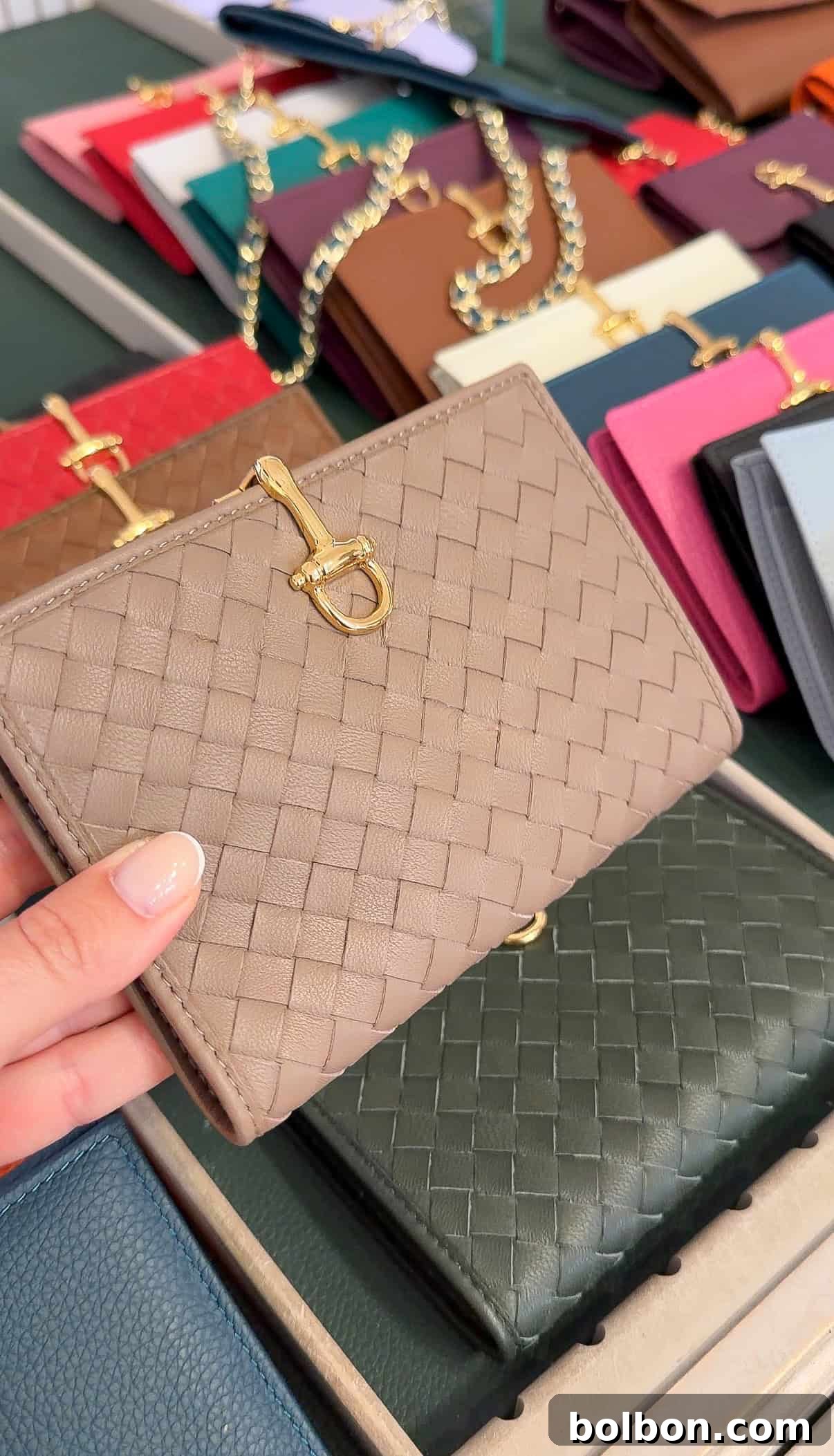
The leather there felt the best I encountered in Florence—exceptionally soft and luxurious. Prices are higher, but the quality justifies it. Pieces from Scuola del Cuoio are classic, logo-free, and built to last.
Club Nonna Tip
Start your leather shopping here to calibrate your expectations. Feeling this quality first helps you compare other shops more accurately.
Stop 2: Bottega del Giglio
Bottega del Giglio is a newer shop but it maintains a classic feel. The owner began his leather work in local markets and now runs a small workshop near the Ponte Vecchio. They work with Tuscan vegetable-tanned leather and offer timeless, wearable pieces like belts, cardholders, and structured bags.
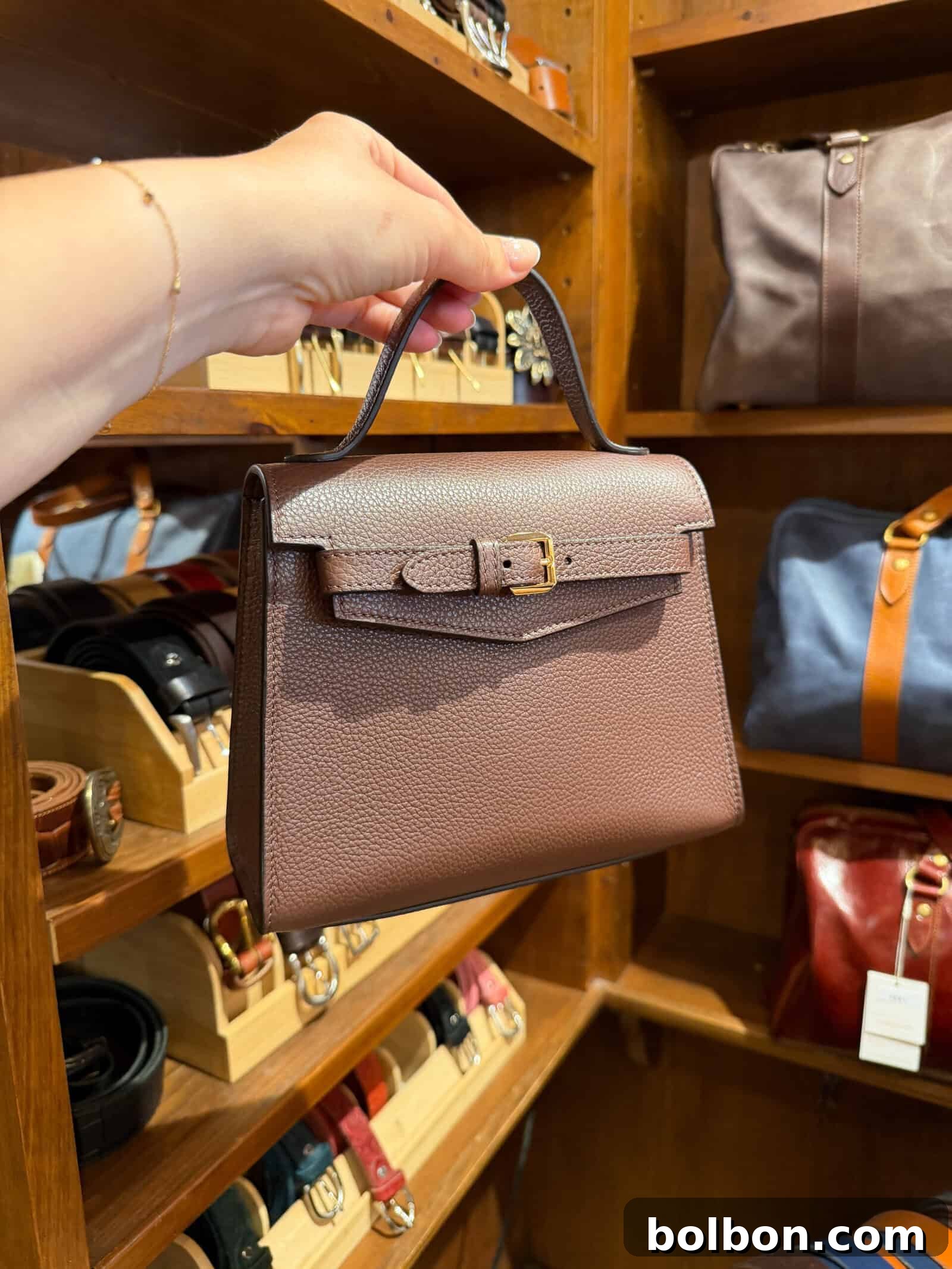
Expect busy periods and possible waits—give yourself time to browse and compare rather than squeezing it in between activities.
Stop 3: Furla
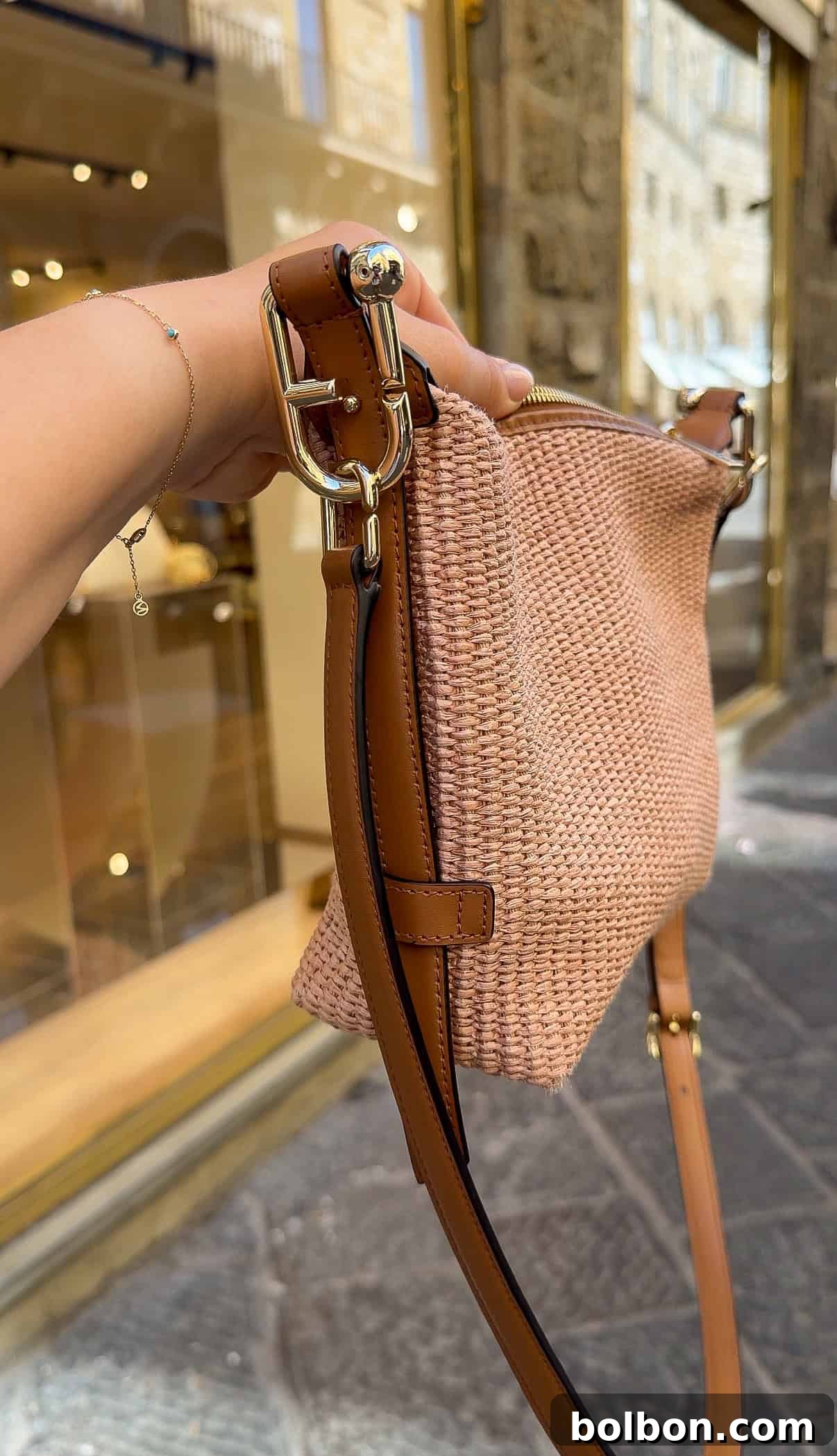
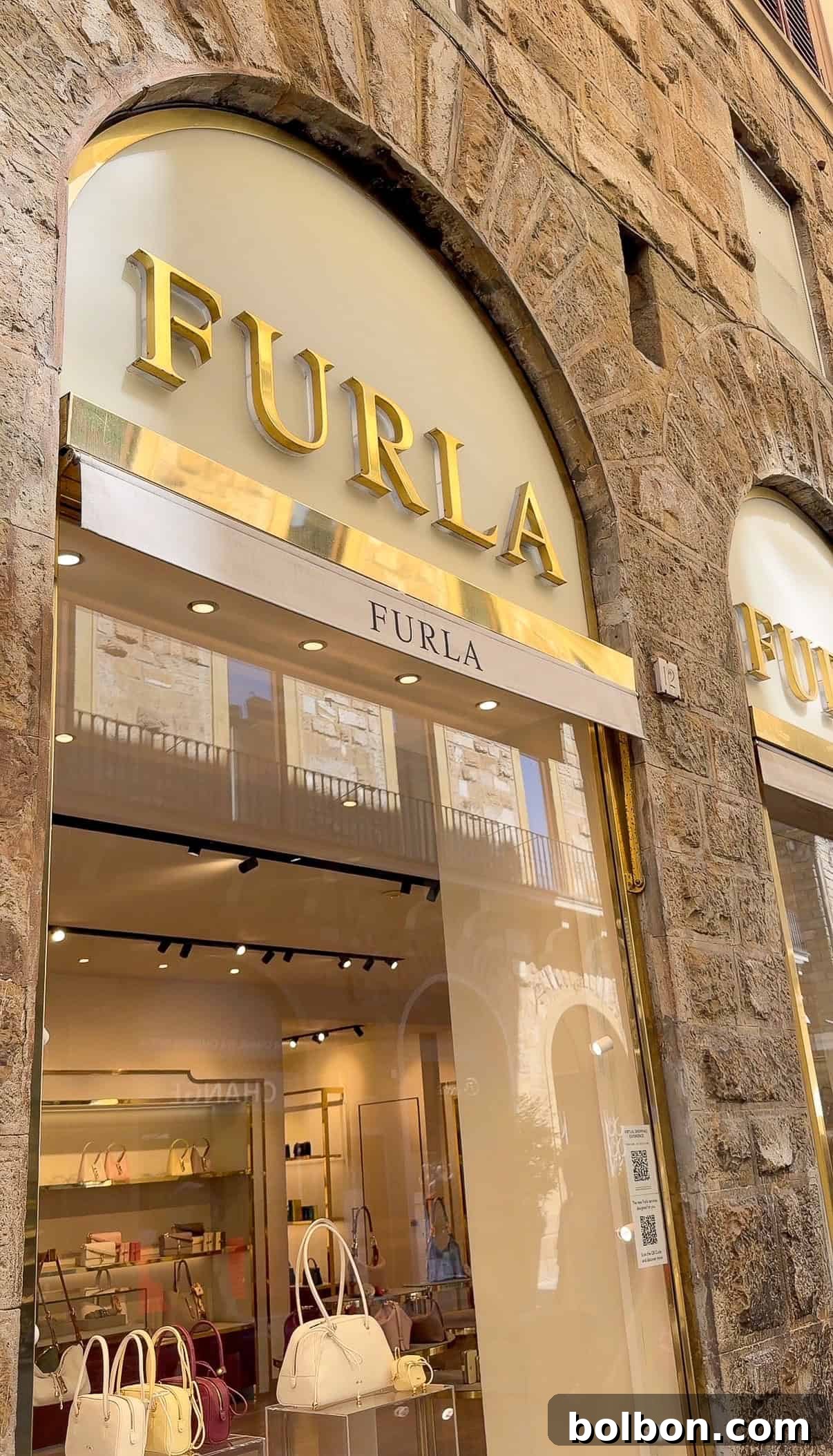
Furla represents polished Italian ready-to-wear leather goods. Founded in Bologna, the brand blends modern design with practicality. I found several clean, understated pieces that work well for travel and everyday use. Furla is a great shop for stocking up on crossbodies, wallets, and summer bags that feel contemporary but not overly branded.
Honorable Mention: Pratesi
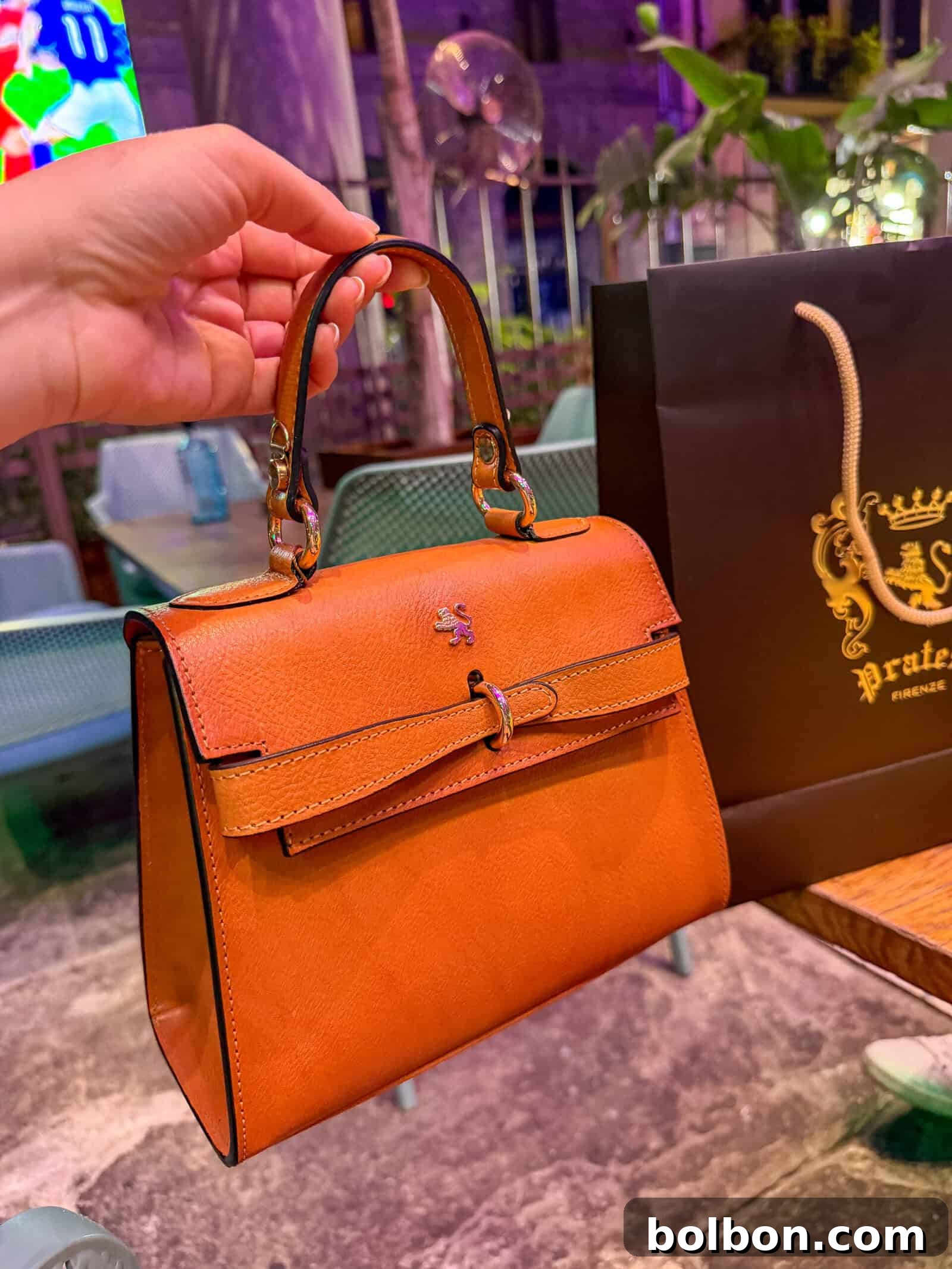
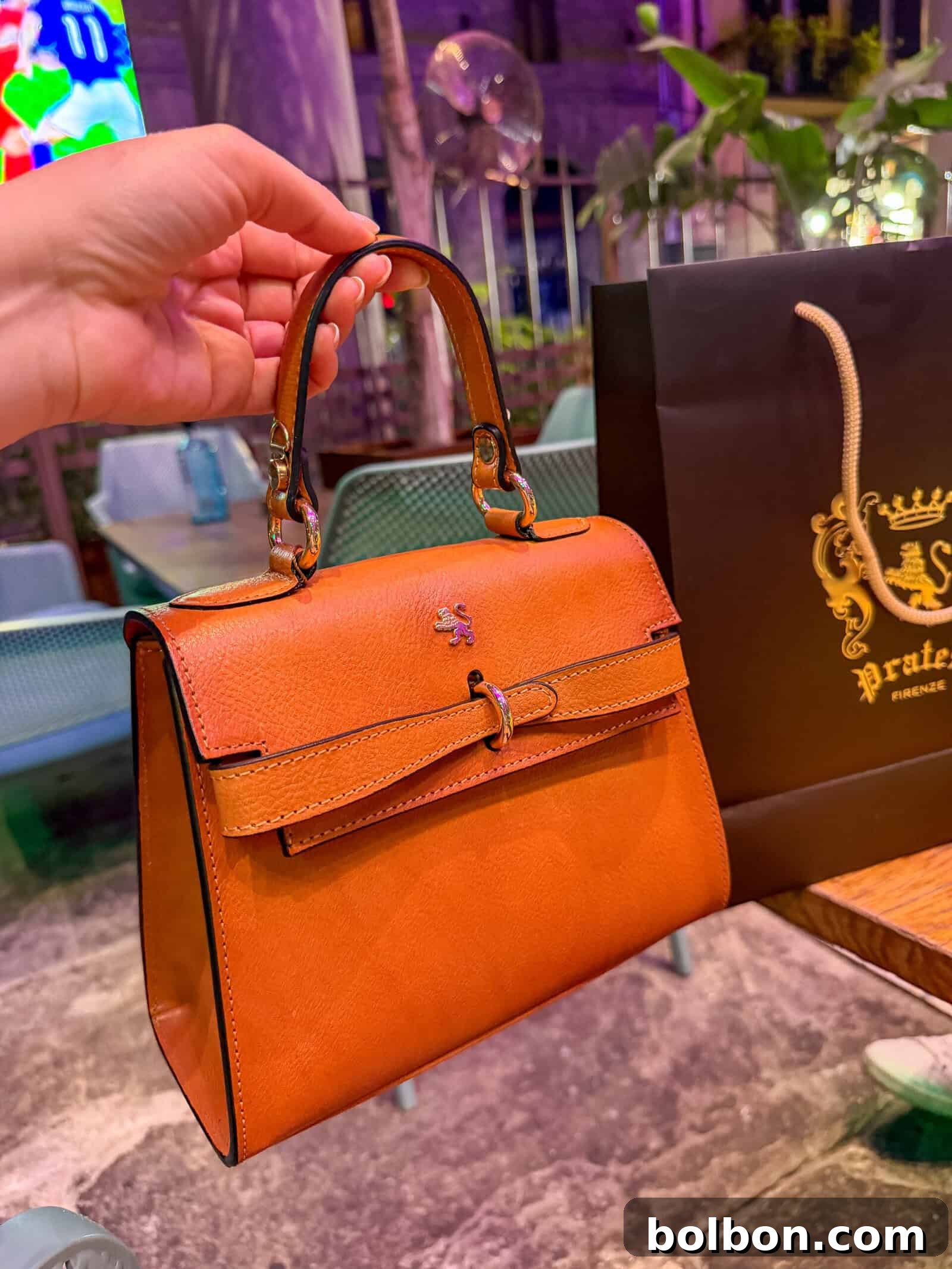
Pratesi has been producing leather goods in Florence since the mid-20th century. Their pieces show careful hand construction, vegetable-tanned leather, and a classic aesthetic. The shop felt personal and the bags carried a distinct, artisanal quality. It’s also where I received a meaningful gift that made the experience memorable.
Also Worth a Stop
Leonardo Leather & Gold
A family-run shop offering soft Tuscan leather in classic styles, from belts to jackets and small accessories.
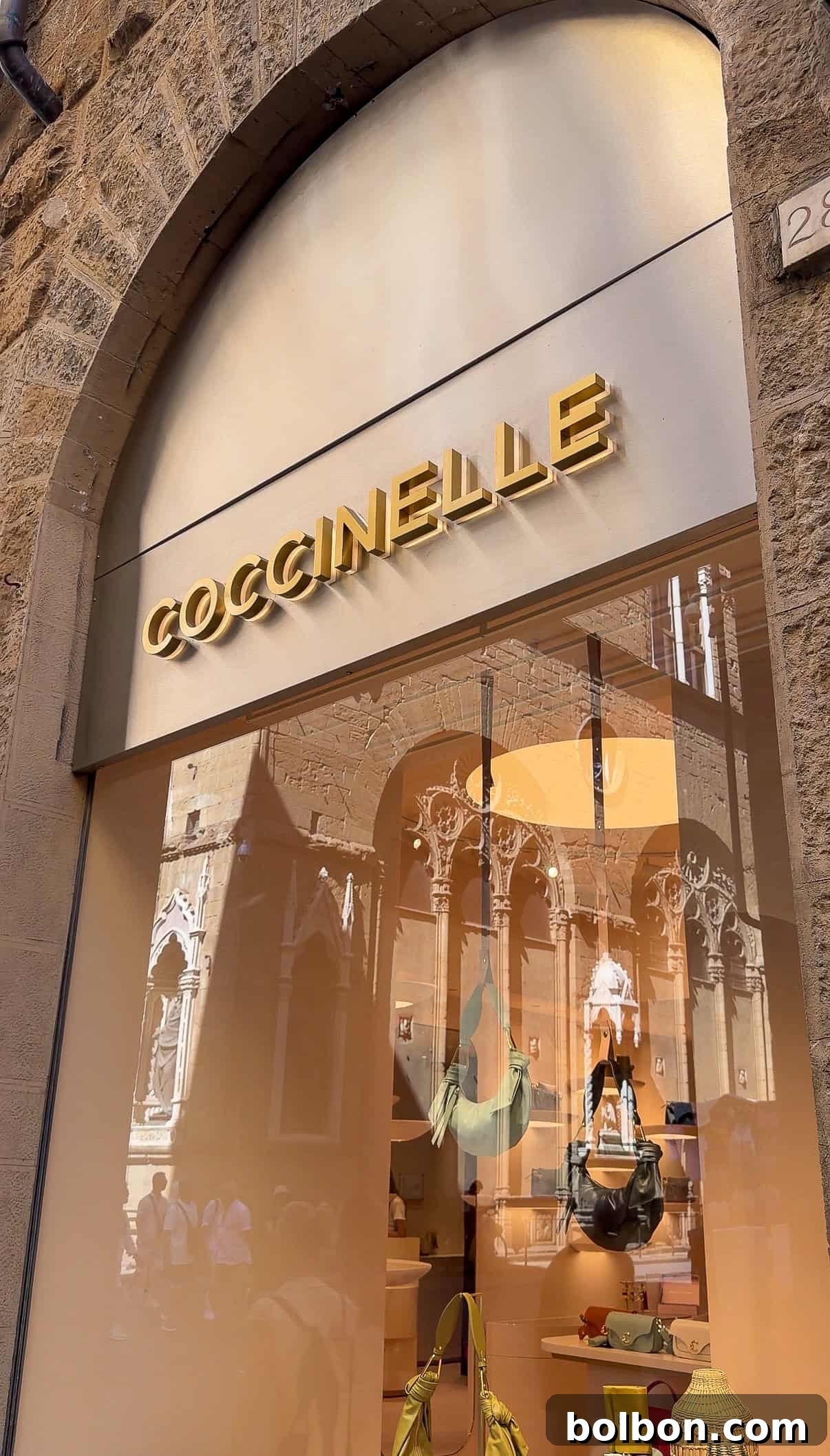
Coccinelle
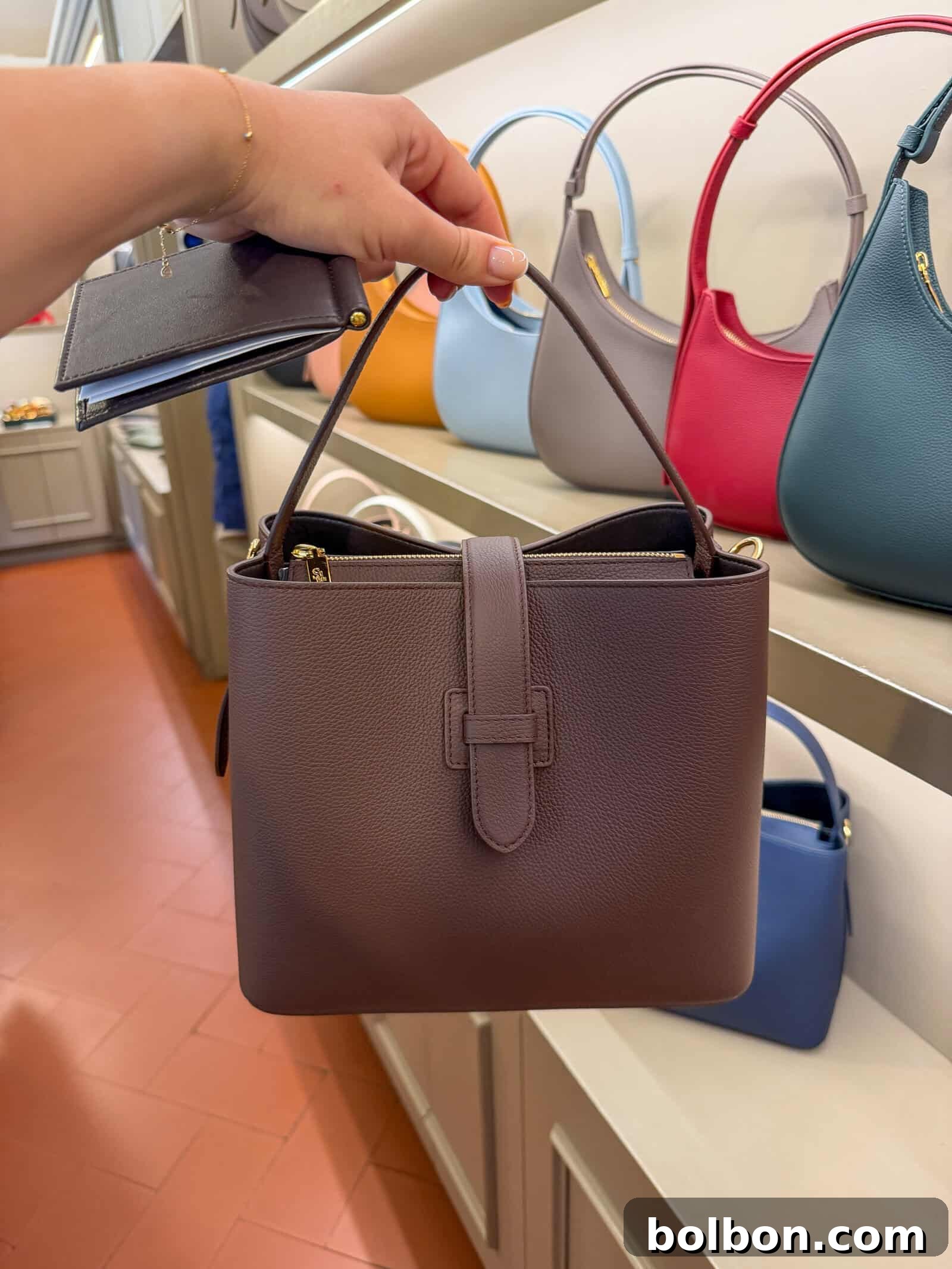
A refined Italian handbag brand that is a solid choice if you want a polished, everyday leather bag with modern lines.
Bring a Piece of Florence Home
The best leather purchase is not necessarily the most expensive. It’s the piece you keep reaching for months later: the bag with a story, the wallet with your initials, or the crossbody you wear all summer. A handcrafted item or something made before your eyes offers a lasting connection to the city.
Florence makes leather shopping tempting—and a little dangerous—but when you find the right piece, it’s like bringing a small part of the city home with you.