
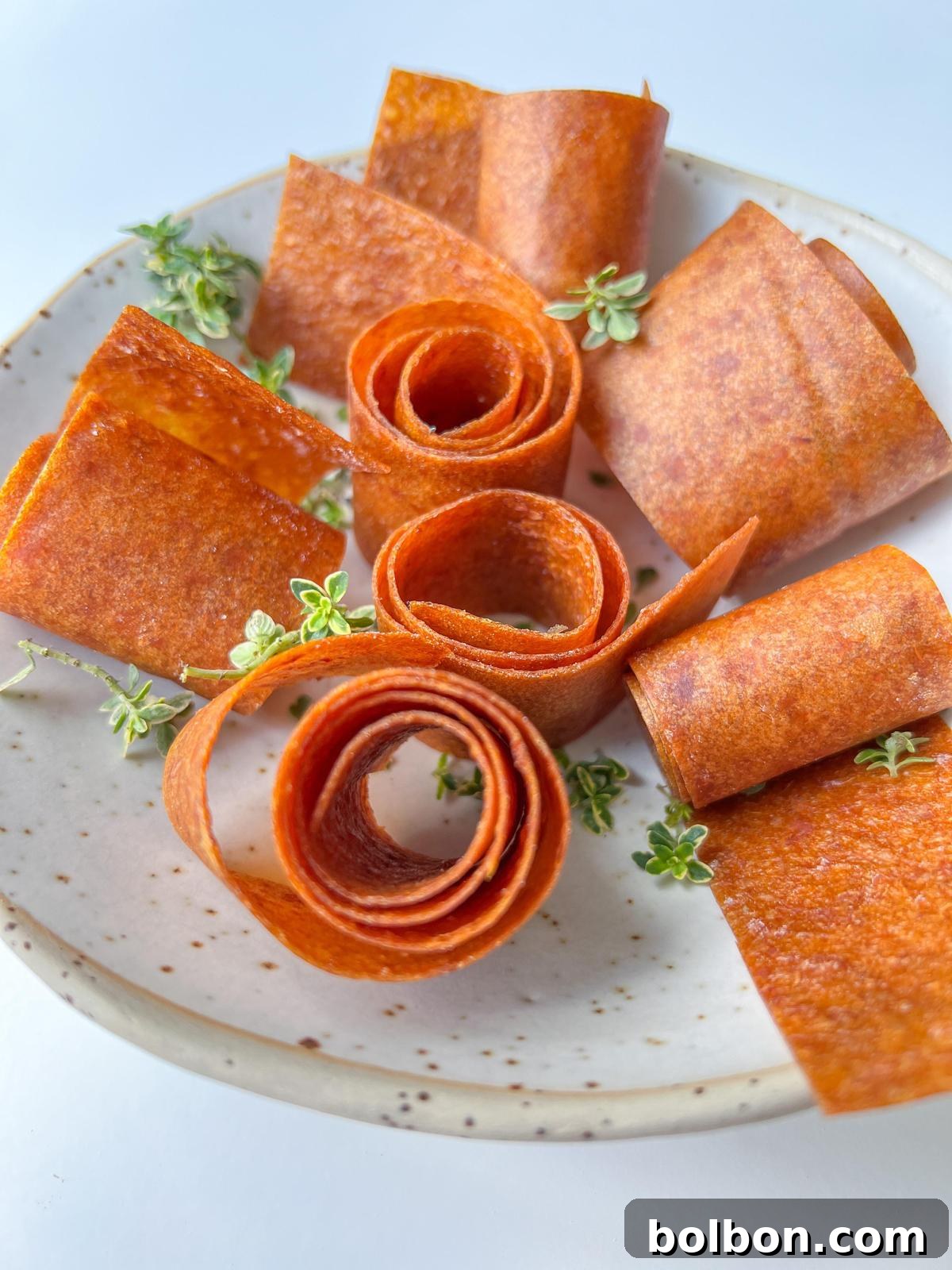
Welcome to the delightful world of Lavashak, also known as Persian fruit leather. This traditional Iranian treat is much more than just a snack; it’s a vibrant, naturally sweet, sour, and sometimes salty culinary experience that perfectly captures the essence of fresh fruit. Forget the overly processed, sugary fruit roll-ups of your childhood; Lavashak offers a sophisticated, wholesome alternative that’s surprisingly easy to create right in your own kitchen.
At its heart, Lavashak is a thin, chewy sheet of dried fruit puree, often made with just two simple ingredients: fruit and a touch of salt. Its beauty lies in its simplicity and versatility, allowing you to customize flavors to your preference and make the most of seasonal produce. Whether you prefer a purely sweet indulgence, a tart and tangy bite, or a balanced mix, homemade Lavashak puts you in control. It’s a healthy, satisfying snack for all ages, perfect for lunchboxes, hikes, or simply enjoying at home.
Why You’ll Love Homemade Persian Fruit Leather (Lavashak)
Making your own Lavashak is a rewarding experience, especially when summer fruits are at their peak. It’s an ingenious way to preserve nature’s bounty and reduce food waste, transforming fruit that might be a day or two past its prime into a long-lasting, delectable treat. Here’s why this homemade fruit leather recipe will quickly become a favorite:
- A Burst of Natural Flavor: Unlike many store-bought options loaded with artificial flavors and colors, Lavashak celebrates the pure, concentrated taste of fruit. The slow drying process intensifies the fruit’s natural sugars and acids, creating a complex flavor profile that can be both sweet and delightfully tangy.
- Health-Conscious Snacking: With minimal ingredients, usually just fruit and an optional pinch of salt or sweetener, Lavashak is a naturally healthy snack. It’s packed with vitamins, minerals, and fiber, making it an excellent choice for kids and adults seeking nutritious alternatives to processed sweets.
- Sustainable Fruit Preservation: This recipe shines brightest when you have an abundance of seasonal fruit. It’s an eco-friendly method to prevent perfectly good produce from going to waste, transforming ripe cherries 🍒, plums, apricots, or berries into a shelf-stable delight.
- Endless Customization: The world of Lavashak is your oyster. Experiment with different fruits, adjust the level of sweetness or tartness, and even add subtle spices for a truly unique snack tailored to your taste buds.
- Surprisingly Easy to Make: Despite its gourmet appeal, Lavashak is incredibly straightforward to prepare. The most time-consuming part is the dehydration, which is mostly hands-off, leaving you free to enjoy your day while your fruit leather slowly transforms.
The Rich History and Cultural Significance of Lavashak
Lavashak’s roots run deep within Persian and Middle Eastern culinary traditions. Its name, in fact, is derived from its striking resemblance to the thin, flat Persian bread known as “lavash.” This historical connection highlights its traditional role as a staple method of preserving fruit, particularly during harvest seasons when fresh produce was plentiful and refrigeration was non-existent. Originally, Lavashak was meticulously prepared by mashing various fruits and spreading them thinly on large trays to dry naturally under the warm sun ☀️, a testament to ancient food preservation techniques.
This ancient practice allowed communities to enjoy the flavors of summer well into the colder months. It was not just a snack but a vital part of sustenance, providing concentrated nutrients and energy. Over centuries, the method evolved, adapting to modern conveniences, but the essence of Lavashak – its natural goodness and distinctive taste – remained unchanged. Today, while many still cherish the sun-dried method, the oven provides a more consistent and accessible way to recreate this beloved traditional snack, bringing a piece of Persian heritage into homes worldwide.
How to Prepare Perfect Homemade Fruit Leather (Lavashak)
Creating your own oven-baked fruit leather is a simple process that yields incredibly satisfying results. The modern approach streamlines the traditional sun-drying method, making it accessible to anyone with an oven. Here’s a breakdown of the preparation process:
1. Fruit Selection and Preparation
The foundation of great Lavashak is good fruit. Choose ripe, flavorful fruits, ideally those that are slightly overripe, as they offer the most natural sweetness and require less, if any, added sugar. Common choices include stone fruits like peaches 🍑, apricots, plums, and cherries 🍒, but berries, apples, and mangoes also work wonderfully. Start by washing your chosen fruit thoroughly. Remove any pits, stems, or tough skins, as these can affect the texture of your finished leather. For fruits with thicker skins, like apples or pears, it’s often best to peel them first.
2. Pureeing the Fruit
Once prepared, the fruit needs to be pureed until completely smooth. A food processor or high-speed blender is ideal for this task. Aim for a consistently smooth mixture, free of any large chunks. If your puree seems too thick, you can add a tablespoon or two of water to help achieve a spreadable consistency. Conversely, if your fruit is particularly juicy, you might want to briefly cook it down on the stovetop to reduce some of the excess liquid before pureeing, ensuring a quicker drying time and a firmer leather.
3. Sweetening and Seasoning (Optional)
Many late-summer fruits are naturally sweet enough that no added sweetener is needed. However, if your fruit is on the tart side, or if you simply prefer a sweeter profile, you can add 1 to 2 tablespoons of honey, maple syrup, or sugar to the puree. A pinch of salt is highly recommended, not just for balance, enhancing the fruit’s natural flavors, but also to act as a mild preservative, extending the shelf life of your Lavashak.
4. Spreading and Dehydrating
Preheat your oven to a very low temperature, typically between 150°F to 170°F (65°C to 80°C). Line a baking sheet (a metal tray with 4 sides) with parchment paper, ensuring it covers the entire surface. Pour the fruit puree onto the parchment paper and spread it thinly and evenly. This step is crucial for uniform drying. Use the back of a spoon or an offset spatula to ensure the layer is consistent across the entire sheet; uneven thickness will result in some areas drying faster than others, leading to an inconsistent texture.
Bake the fruit puree for 6 to 12 hours. The exact time will depend on the thickness of your spread, the moisture content of your fruit, and the specific temperature of your oven. Many ovens have 170°F as their lowest setting, which will dry the fruit faster than 150°F. The Lavashak is ready when it is completely dry to the touch, no longer sticky, and peels easily from the parchment paper. It should be pliable and leathery, not brittle.
5. Cooling, Cutting, and Storing
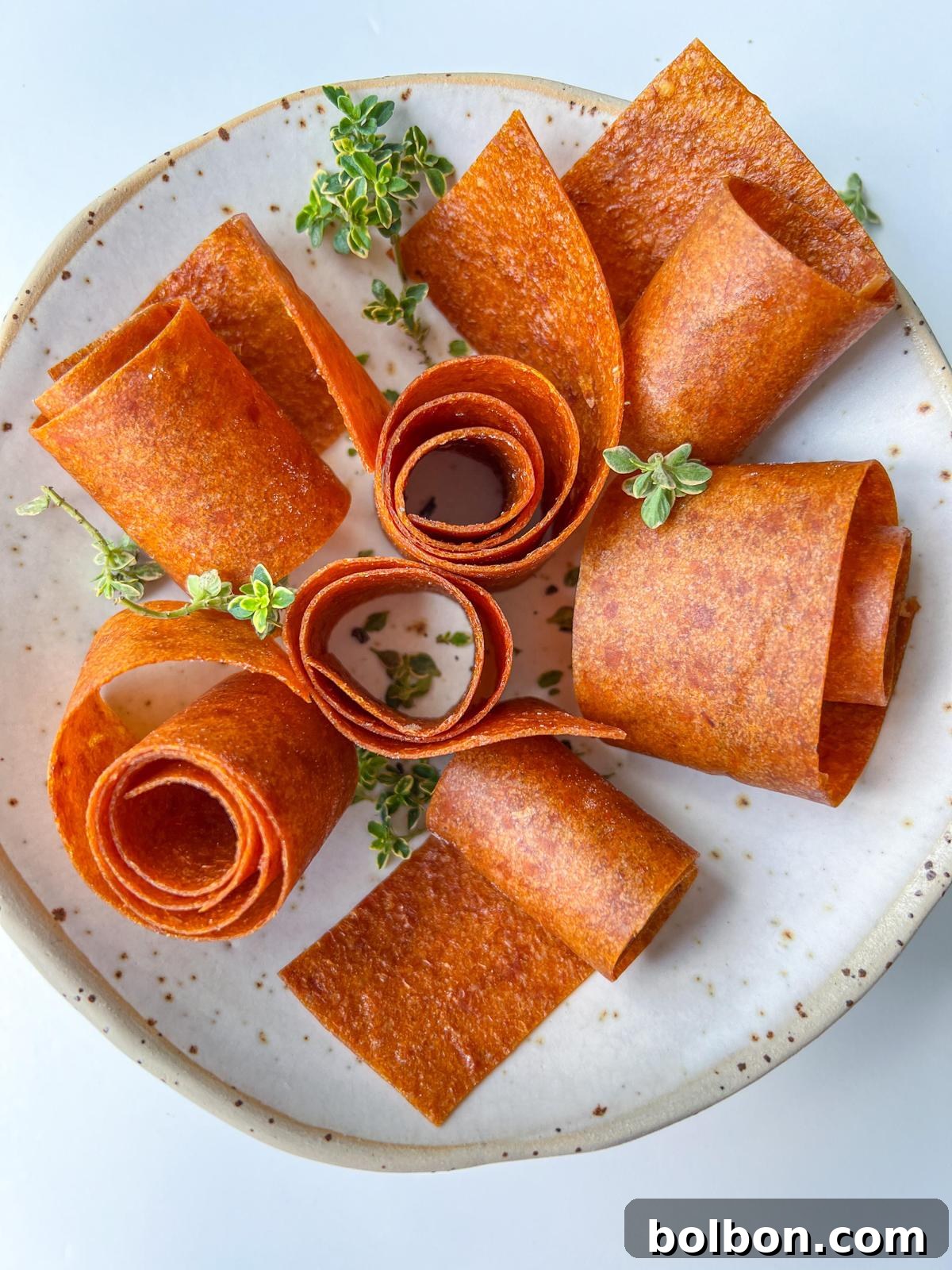
Once fully dehydrated, remove the baking sheet from the oven and let the fruit leather cool completely at room temperature. This step helps it firm up and makes it easier to handle. Once cool, you can cut the fruit leather into strips using kitchen scissors or a sharp knife. Rolling them up in individual strips of parchment paper mimics store-bought fruit roll-ups and makes them convenient for snacking. Store your homemade Lavashak in an airtight container to maintain its freshness.
Nonna’s Pro Tip: Utilizing Frozen Fruit
Don’t let the seasons limit your Lavashak creations! Frozen fruit is an excellent alternative to fresh, allowing you to enjoy this treat year-round. Just remember to thaw the frozen fruit completely and drain any excess liquid before processing it in your food processor. This crucial step prevents the puree from becoming too watery, which would significantly increase drying time and could compromise the final texture of your fruit leather.
Creative Variations and Flavor Enhancements for Your Lavashak
One of the most exciting aspects of making Lavashak at home is the freedom to experiment with different fruits and flavor combinations. Unleash your inner chef and create unique versions of this classic treat:
- Mix and Match Fruits: Don’t limit yourself to a single fruit! Combine different varieties based on what’s in season or what you have on hand. Imagine a vibrant strawberry 🍓 and raspberry blend, a sweet and tangy blueberry 🫐 and apple mix, or an exotic mango and passion fruit leather. Stone fruits like peaches, plums, and apricots are traditional favorites, but experimenting with a variety adds new dimensions.
- Aromatic Spices and Extracts: Elevate the flavor profile with warming spices or fragrant extracts. A pinch of cinnamon, a dash of vanilla extract, or even a hint of cardamom can transform your fruit leather. For an extra layer of brightness, a squeeze of lemon or lime juice not only adds a zesty note but can also help preserve the fruit’s natural color. Consider adding a touch of rosewater or orange blossom water for a truly authentic Middle Eastern touch.
- Savory Twists: While traditionally sweet and sour, you can venture into savory territory. Imagine a tomato-based leather seasoned with herbs like basil and oregano, perfect for a pizza-like snack. Or a spicy mango leather with a touch of chili powder for those who enjoy a kick.
- Fun Shapes and Presentation: Instead of simple strips, get creative with your cutting! Once cooled, you can cut the leather into various shapes 📐 like squares, circles, or use fun cookie cutters to make stars, hearts, or animal shapes. This is especially great for making appealing snacks for children. You can also layer different fruit purees for a beautiful, multi-colored fruit leather.
Storing Your Homemade Lavashak
Proper storage is key to enjoying your delicious homemade fruit leather for as long as possible. Once your Lavashak is cooled and cut into desired shapes, here’s how to store it:
- Short-Term Storage (Refrigerator): For consumption within one week, store the fruit leather in an airtight container in the refrigerator. If you’ve rolled the strips in parchment paper, they’ll be less likely to stick together, making them easy to grab and enjoy.
- Long-Term Storage (Freezer): Lavashak freezes beautifully, extending its shelf life significantly for up to 6 months. Layer the fruit leather strips (with parchment paper in between layers or rolled individually) in an airtight freezer-safe container or bag. When you’re ready to enjoy, simply thaw them overnight in the refrigerator.
- Tips for Preventing Sticking: Always ensure the fruit leather is completely dry before storing. If it feels even slightly tacky, it may stick together or develop mold. Rolling individual pieces in parchment paper is the best way to prevent sticking and maintain freshness.
Similar Delightful Recipes
If you enjoy the wholesome goodness of fruit preservation, you might also love exploring these related recipes:
- My mom’s homemade Cherry Jam is truly a taste of tradition and one of the best jam recipes I have ever tried.
- For those seeking a nutritious spread, learning how to make the Healthiest Jam will be a game-changer for your breakfast table.
Common Questions About Fruit Leather (Lavashak)
Absolutely! Frozen fruit works perfectly for making fruit leather. Just ensure it’s fully thawed and any excess liquid is drained before pureeing and dehydrating.
Store your fruit leather in a sealed, airtight container in the refrigerator for up to one week. For longer storage, up to 6 months, an airtight container in the freezer is ideal. Thaw overnight in the fridge before enjoying.
The possibilities are nearly endless! You can use almost any fruit, including strawberries, mangoes, peaches, plums, apricots, berries, or even a mix of whatever ripe fruit you have on hand.
No, a food dehydrator is not necessary. You can easily make delicious fruit leather in a standard oven set to its lowest temperature.
Yes, absolutely! If the fruit you’re using is naturally sweet and ripe, such as late-summer peaches or very ripe mangoes, you can omit added sweeteners entirely. Always taste your puree before dehydrating and adjust the sweetness to your personal preference.

Fruit Leather (Lavashak) Recipe
Lavashak, or Persian fruit leather, is a delicious, healthy snack and an excellent way to preserve surplus fruit. This thin layer of dried fruit offers a wonderful balance of sweet, sour, and salty notes, making it a highly upgraded version of traditional fruit roll-ups. It’s surprisingly easy to make with just fruit and an optional touch of honey and salt.
Course: Dessert, Snack
Cuisine: Persian
Yields: 1 large sheet
Author: The Modern Nonna
Prep Time: 5 minutes
Cook Time: 6-12 hours
Total Time: 6 hours 5 minutes – 12 hours 5 minutes
Equipment
- Blender or Food Processor
- Baking Sheet
- Parchment Paper
- Kitchen Scissors or Sharp Knife
Ingredients
- 4 cups fruit (peaches and apricots recommended for a classic taste)
- 1 to 2 tablespoons honey (optional, adjust to fruit sweetness)
- Pinch of salt (optional, for flavor balance and preservation)
Instructions
- Preheat your oven to 170°F (80°C). If your oven’s lowest setting is higher, adjust accordingly, but remember higher temperatures will dry faster.
- Wash and prepare your fruit. For stone fruits like peaches and apricots, cut them in half and remove the pits. Peeling is optional but recommended for a smoother texture.
- Add the prepared fruit to a food processor or blender. If desired, add 1 to 2 tablespoons of honey and a pinch of salt. Process until the mixture is completely smooth.
- Line a large baking sheet with parchment paper. Pour the fruit puree onto the parchment, then gently tilt the baking sheet to spread the mixture evenly. Use the back of a spoon or an offset spatula to ensure an incredibly thin and uniform layer across the entire surface. This evenness is crucial for consistent drying.
- Carefully place the baking sheet in the preheated oven. Dehydrate for 6 to 12 hours, or until the fruit leather is fully set, dry to the touch, and no longer sticky. The time will vary based on your oven and the thickness of the fruit layer.
- Once done, remove the baking sheet from the oven and let the fruit leather cool completely at room temperature.
- Once cool, use kitchen scissors or a sharp knife to cut the fruit leather into strips. For convenience, you can roll them up, similar to traditional fruit roll-ups.
- Enjoy your homemade Lavashak immediately, or store it as directed.
Notes
- For a smoother finish, consider straining your fruit puree through a fine-mesh sieve to remove any small seeds or fibrous bits, especially when using berries.
- Always monitor your fruit leather during the dehydration process, especially if you’re new to making it. Oven temperatures can vary, and a slightly higher temperature might dry it out quicker.
Nutrition Information
(Please note: Nutrition information is an approximation and can vary based on fruit type and optional additions.)
Calories: 604kcal, Carbohydrates: 156g, Protein: 4g, Fat: 1g, Saturated Fat: 0.1g, Sodium: 48mg, Potassium: 855mg, Fiber: 15g, Sugar: 124g, Vitamin A: 2863IU, Vitamin C: 21mg, Calcium: 49mg, Iron: 3mg
Cooked it? Slayed it? 💅
Tag us on social media so we can celebrate your culinary success! Don’t forget to rate ⭐ and drop a comment 💬 to share your experience with this recipe!