
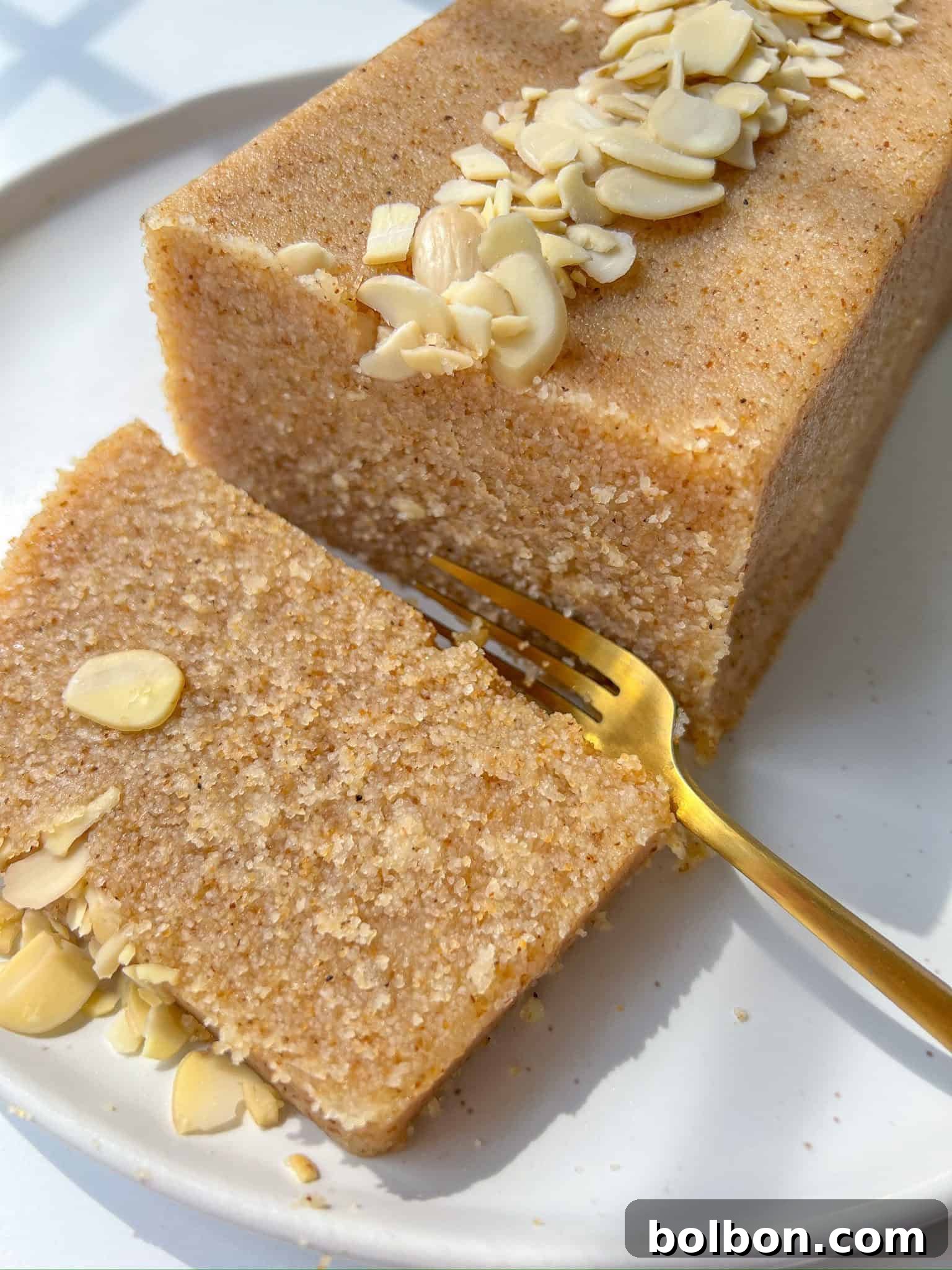
Delve into the rich culinary tapestry of the world with Semolina Cake, also affectionately known as Halva. This delightful dessert, revered across vast geographical regions stretching from the sun-drenched shores of the Mediterranean to the vibrant landscapes of the Balkans, and all the way to the diverse culinary traditions of India, truly embodies a universal appeal. While many countries proudly lay claim to its origin, what remains undeniable is the profound ability of food to connect cultures and people. This moist, aromatic, and deeply satisfying dessert is a testament to that unifying power, offering an exquisite experience to anyone who tastes it.
If you’re yet to embark on this gastronomic journey, prepare your senses for a truly unique treat. The creation of this beloved cake is a craft in itself: coarse semolina is meticulously toasted in oil until it achieves a beautiful golden hue, releasing a wonderfully nutty aroma. This toasted semolina is then gently soaked in a hot, fragrant syrup, allowing it to absorb every drop of sweetness and moisture. Finally, it’s pressed into a pan or mold, emerging as a perfectly formed, irresistible cake. Each bite is a harmonious blend of textures and flavors, making it a cherished dessert for any occasion.
Understanding Semolina: The Heart of Halva
At the core of our delectable Halva lies semolina, a distinct and versatile ingredient. Semolina is essentially a coarse flour, specifically milled from durum wheat, which is renowned for its exceptional hardness and robust nutritional profile. Unlike all-purpose flour, semolina boasts a significantly higher protein and gluten content, contributing to its unique texture and culinary properties. Its granular texture sets it apart, providing a delightful bite and mouthfeel that is distinct from finer flours.
This golden-hued grain is a cornerstone in various global cuisines, particularly prominent in Mediterranean and Middle Eastern cooking. Its versatility knows no bounds; semolina is the star ingredient in a wide array of dishes, from traditional pasta and fluffy couscous to rustic breads and, of course, a multitude of exquisite desserts like cakes and puddings. The choice of semolina type (fine, medium, or coarse) can dramatically influence the final texture of your dish, with coarse semolina lending a more rustic and satisfying chew to your Halva, as preferred in this recipe.
Why Semolina Cake Will Captivate Your Senses
There are countless reasons why this semolina cake, or Halva, is destined to become a staple in your dessert repertoire. Its most striking characteristic is an irresistible nutty flavor, which is wonderfully accentuated by the toasting process, filling your kitchen with an incredibly inviting aroma that promises warmth and comfort. Beyond its delightful taste, the cake offers a truly unique texture – moist and tender, yet with a subtle pleasant granularity from the semolina that keeps each bite interesting.
Crafted with simple, wholesome ingredients, this cake is more than just a dessert; it’s an experience. For many, it evokes a cherished, nostalgic taste of home and tradition, making it the perfect centerpiece for family gatherings or a comforting companion during your daily tea time. Whether you choose to enhance its natural deliciousness with a dollop of fresh whipped cream, a delicate sprinkle of thinly sliced almonds, or simply enjoy it unadorned, every mouthful is sheer perfection. This Semolina Cake (Halva) not only offers a moment of sweet indulgence but also provides a wonderful opportunity to connect with the rich, diverse cultural heritage of the Balkans, the Middle East, and the broader Mediterranean region, celebrating a dessert that unites people across continents.
Mastering the Art of Semolina Cake Preparation
Creating this exquisite Semolina Cake (Halva) is a straightforward process that yields incredibly rewarding results. Follow these steps for a perfect outcome:
First, begin by crafting the essential simple syrup. In a medium-sized pot, combine the specified amounts of water, sugar, and, if desired, a slice of lemon for an added hint of zest. Place the pot over medium heat and stir continuously until the sugar has completely dissolved, ensuring a smooth base for our cake. Once boiling, reduce the heat and allow the syrup to gently simmer for approximately 5 minutes without stirring. This simmering period helps the syrup to thicken slightly and develop a richer flavor. Carefully remove the lemon slice and set the fragrant syrup aside to cool slightly while you prepare the semolina.
Next, focus on toasting the semolina, a crucial step for developing its signature nutty flavor. Heat a large pan over medium heat. Add the oil and allow it to warm through. Once the oil is shimmering, add the coarse semolina to the pan. Begin stirring immediately and continuously. This is where patience is key: stir the semolina steadily for 10 to 15 minutes, or until it achieves a beautiful, uniform light golden brown color and releases a captivating, toasted aroma. It’s imperative to remain attentive and stir consistently to prevent the semolina from burning, as scorched semolina can impart an undesirable bitter taste to your cake. Lowering the heat slightly if you notice it browning too quickly can help.
With your semolina perfectly toasted, it’s time for the magical transformation. Carefully and slowly pour the warm syrup over the hot semolina in the pan. Exercise caution, as the mixture will sizzle and bubble vigorously. Continue to stir gently but thoroughly until the semolina has completely absorbed all the syrup, and the mixture begins to pull away cleanly from the sides and bottom of the pan. This indicates that the semolina is fully cooked and has achieved the ideal consistency.
Once the semolina mixture is ready, transfer it swiftly to your chosen pan or mold. Using the back of a spoon or a spatula, gently but firmly press the mixture down evenly, ensuring it fills the mold completely and has a smooth, level top surface. This helps to create a dense, uniform cake that holds its shape beautifully. Allow the cake to cool undisturbed at room temperature for at least 1 hour, or until it is completely set. This cooling period is vital for the cake to firm up and for the flavors to meld together.
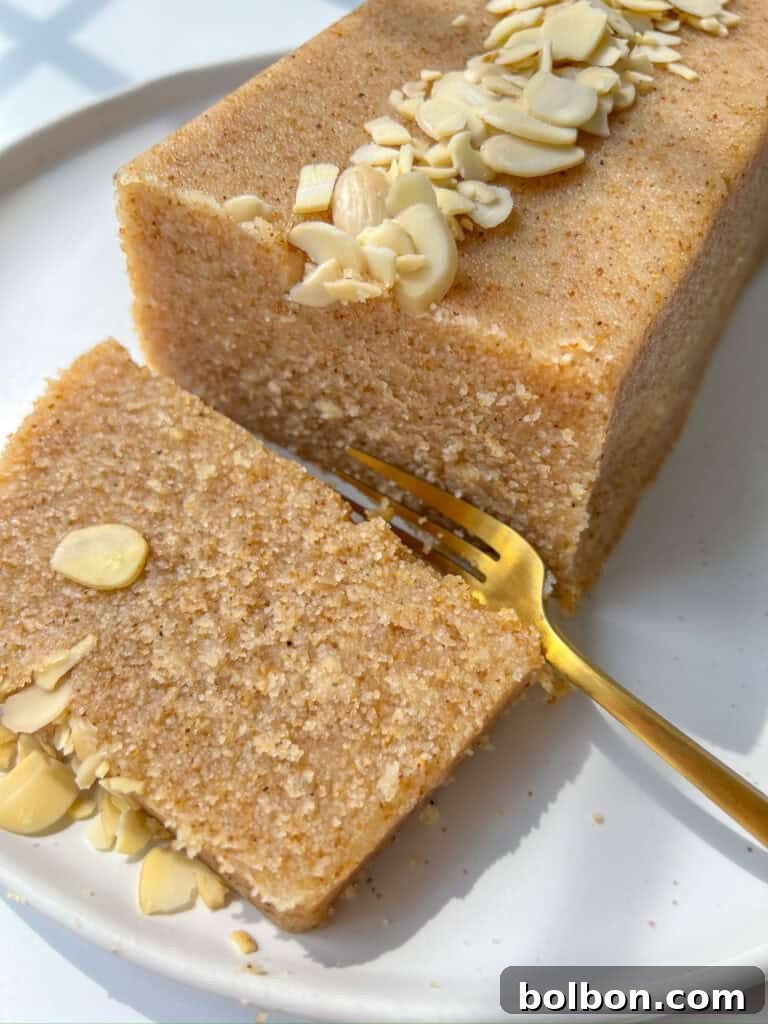
Finally, for serving, carefully loosen the edges of the cake from the pan using a thin spatula. Invert the pan onto a serving plate and gently lift the pan away. The cake should release easily. For an elegant finish, generously top your Semolina Cake (Halva) with a sprinkle of sliced almonds, a dusting of aromatic cinnamon, or any of your preferred decorative toppings. Slice and serve this delightful creation. Enjoy every comforting bite!
Nonna’s Sweetness Wisdom ⭐
One of the beautiful aspects of traditional recipes like this Semolina Cake is the freedom to customize it to your personal preference. When it comes to sweetness, I often find that “less is more” for my family and me, allowing the natural, nutty flavor of the semolina to shine through. However, many traditional Halva recipes historically call for a much higher sugar content, sometimes up to three cups, resulting in a significantly sweeter dessert. Feel empowered to adjust the amount of sugar in the simple syrup to perfectly match your desired sweetness level. Whether you prefer a subtle hint of sweetness or a more pronounced sugary delight, this recipe is incredibly adaptable to your palate.
Creative Variations and Inspired Substitutions for Semolina Cake
The beauty of Semolina Cake (Halva) lies in its adaptability. This classic dessert serves as a wonderful canvas for culinary creativity, allowing you to easily customize it to your taste preferences or dietary needs. Don’t hesitate to experiment with these variations and substitutions to craft a truly unique version of this cherished cake!
- **Infuse with Different Flavorings:** While lemon zest or a lemon slice offers a classic bright note, you can easily experiment with other citrus or aromatic flavorings to customize the taste of your cake. Consider using an 🍊orange slice in the simple syrup for a sweeter, more fragrant citrus aroma, or even a touch of vanilla extract, rose water, or orange blossom water in the syrup for a more Middle Eastern flair. Cardamom pods can also lend an exotic and warm spice note.
- **Enrich with Mix-ins:** Elevate the texture and flavor by incorporating delightful mix-ins directly into the semolina mixture. Once the semolina is light golden and nearly toasted, stir in a handful of chopped nuts such as crunchy almonds, vibrant pistachios, or earthy walnuts. These add a wonderful textural contrast and depth of flavor. Alternatively, or in addition, dried fruits like plump raisins, sweet chopped apricots, or tart cranberries can introduce bursts of fruity sweetness and a chewy element.
- **Explore Alternative Sweeteners:** The recipe typically calls for granulated sugar, but you have the flexibility to adjust the sweetness profile. For a distinct flavor and potentially healthier alternative, you can substitute sugar with natural sweeteners such as golden honey, rich maple syrup, or subtle agave nectar. Remember that these alternatives have different sweetness levels and liquid consistencies, so you may need to adjust the amount slightly to achieve your desired taste and ensure the syrup remains effective for soaking.
- **Get Creative with Toppings:** The presentation and final flavor can be significantly enhanced by imaginative toppings. Beyond the traditional sliced almonds and cinnamon, consider sprinkling the cooled cake with delicate shredded 🥥 coconut for a tropical twist, a dusting of rich cocoa powder for a hint of chocolate, or a generous drizzle of smooth chocolate ganache for a truly decadent finish. For a fresh and vibrant touch, a homemade 🍓 fruit compote, made with berries or stone fruit, provides a lovely contrast to the cake’s richness.
Explore More Delightful Desserts
Orange Lemon Cake
35 mins
3 Ingredient Yogurt Cake
55 mins
Whole Lemon Blender Cake
55 mins
Chocolate Yogurt Cake
55 mins
Perfect Pairings: How to Serve Semolina Cake
Semolina Cake (Halva) is a versatile dessert that can be enjoyed in many ways, making it suitable for various occasions. Here are some of the best pairings to elevate your Halva experience:
- **Fresh Fruit Medley:** A delightful contrast to the cake’s rich sweetness is a side of fresh, vibrant fruit. Think juicy berries like raspberries and blueberries, thinly sliced 🍓 strawberries, or bright, tangy citrus segments such as orange or grapefruit. The natural acidity and freshness of the fruit beautifully cut through the richness of the cake.
- **Creamy Indulgences:** For an added layer of luxury, dollop some freshly whipped cream on top of each slice. Its lightness and subtle sweetness complement the dense texture of the Halva. Alternatively, a spoonful of thick, creamy Greek yogurt provides a wonderful tang and a healthier option that still feels indulgent.
- **Frozen Treats:** A classic combination that is always a crowd-pleaser is pairing your Semolina Cake with a scoop of creamy vanilla ice cream or rich gelato. The melting ice cream creates a luscious sauce that intertwines with the cake, while a scoop of my Healthy Ice Cream offers a lighter yet equally satisfying option.
- **Warm Beverages:** There’s nothing quite like a comforting hot beverage to accompany a slice of this delicious cake. A strong cup of coffee or a fragrant cup of tea 🫖 (especially black tea or herbal infusions) creates a cozy and traditional dessert experience, perfect for winding down or enjoying an afternoon treat.
Frequently Asked Questions About Semolina Cake (Halva)
Absolutely! While this recipe offers a delicious plain version, you can certainly customize your Halva with mix-ins. When the semolina reaches a light golden color during the toasting process, feel free to stir in a handful of toasted almonds, pistachios, or any dried fruit of your choice, such as raisins or chopped apricots. This adds wonderful texture and bursts of flavor.
The sweetness level of your Semolina Cake is entirely up to you. For my family, a slightly less sweet version allows the nutty flavor of the semolina to shine. However, many traditional recipes often call for up to three cups of sugar, resulting in a much sweeter dessert. You are encouraged to adjust the amount of sugar in the simple syrup to perfectly suit your taste preferences – feel free to make it as sweet or as mild as you like.
One of the joys of making Semolina Cake is its flexibility with bakeware. Any pan or mold you have on hand will work beautifully for this recipe. You can get creative and use decorative molds for fun shapes, a standard loaf pan, a round cake pan, or even individual muffin tins for single servings. I particularly enjoy using a Bundt cake pan for an elegant presentation, but truly, the choice is yours!
For this particular recipe, I recommend using Semolina #2 (coarse grade) as it provides a more distinct texture and satisfying grit, which I find ideal for Halva. However, if coarse semolina is not available, fine semolina will also work. Just be aware that using a finer grind may result in a slightly smoother, less granular cake texture.
The topping possibilities for Semolina Cake are endless! Classic choices include a sprinkle of sliced almonds for crunch and visual appeal, or a dusting of warm cinnamon. For other delicious options, consider powdered sugar, fresh berries, or thinly sliced citrus fruits like oranges or lemons.
It’s common to find slight variations in ingredient weights, especially when converting between volume and weight measurements, or even across different brands and measuring techniques. For example, a cup of flour might weigh 160g in one kitchen but range from 120g to 180g in another due to factors like flour brand, the type of measuring cup used (wet vs. dry), and how ingredients are scooped and leveled. For the most accurate and consistent results, always refer to and follow the specific weight measurements provided in the recipe, if available.
Semolina Cake (Halva): A Traditional Delight
Facebook Share
Rate Recipe
Print Recipe
Dessert
Bulgarian, Greek, Mediterranean
10
slices
The Modern Nonna
5
15
20
Video
A video tutorial for making Semolina Cake (Halva) can be found here.
Equipment
Ingredients
Simple Syrup
- 4 cups water
- 1.5 cups sugar
- 1 slice lemon, optional
Semolina Mixture
- ½ cup oil, such as avocado oil
- 2 cups coarse semolina , preferably semolina #2
- ½ cup sliced almonds , for garnish
Instructions
-
To prepare the simple syrup, combine water, sugar, and an optional lemon slice in a pot. Heat over medium heat, stirring gently, until the sugar completely dissolves.
-
Once the syrup begins to boil, reduce the heat to low and allow it to simmer for approximately 5 minutes without further stirring.
-
Remove the pot from the stove and carefully discard the lemon slice. Set the syrup aside to cool slightly while you proceed with the semolina.
-
In a separate large pan, warm the oil over medium heat. Add the semolina and stir continuously with a wooden spoon. Reduce the heat to medium-low and continue stirring for 10 to 15 minutes, or until the semolina achieves a beautiful, uniform light golden color.
-
Important Note: Do not leave the pan unattended during the toasting process. Stir frequently to ensure even browning and to prevent the semolina from burning, which can lead to a bitter taste. Cooking low and slow is essential here for the best flavor development.
-
Carefully pour the prepared syrup over the toasted semolina in the pan. Please exercise extreme caution as the mixture will bubble vigorously. Continue to stir with a wooden spoon for several minutes until the semolina has fully absorbed all the syrup and the mixture thickens.
-
The semolina is ready when it starts to pull away cleanly from the sides of the pan, indicating it has reached the correct consistency.
-
Remove the pan from the heat and immediately transfer the hot semolina mixture into your chosen serving pan. A 9-by-5 inch loaf pan works well, but any pan you have will be suitable.
-
Gently and evenly press the semolina mixture down into the pan, ensuring it takes the shape of the mold and has a smooth, flat top surface.
-
Allow the cake to cool completely at room temperature, which typically takes about 1 hour. This is essential for the cake to set properly and firm up.
-
Once cooled and set, use a silicone spatula to gently loosen the cake from all sides of the pan. Invert the loaf pan onto a serving plate and carefully remove the pan. Garnish your finished Semolina Cake with sliced almonds, a dusting of cinnamon, or any other toppings you prefer. Slice and enjoy!
Nutrition
Carbohydrates: 31g,
Protein: 1g,
Fat: 14g,
Saturated Fat: 1g,
Polyunsaturated Fat: 4g,
Monounsaturated Fat: 9g,
Trans Fat: 0.04g,
Sodium: 5mg,
Potassium: 35mg,
Fiber: 1g,
Sugar: 30g,
Vitamin A: 0.2IU,
Vitamin C: 0.4mg,
Calcium: 16mg,
Iron: 0.2mg
Nutrition information is automatically calculated, so should only be used as an approximation.
Additional Info
Dessert
Bulgarian, Greek, Mediterranean